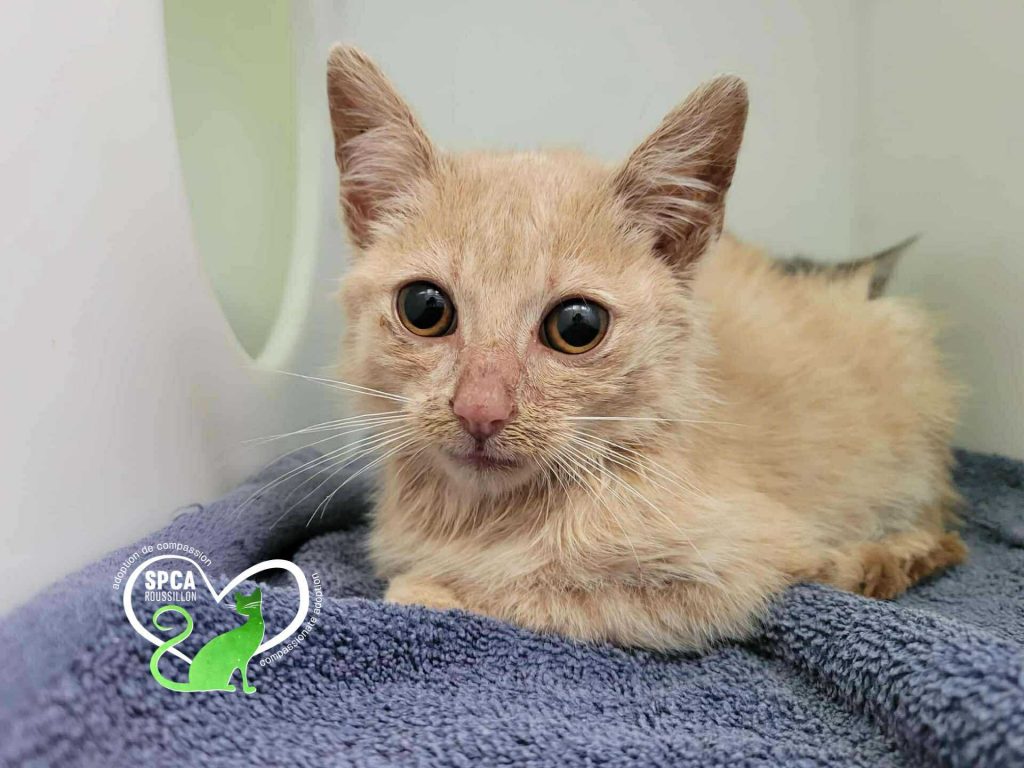
Have you ever thought about bringing a furry friend into your life? Cat adoption might be the perfect way to find a loyal companion while making a big difference.
But what exactly is cat adoption? Understanding it can help you decide if opening your home to a cat is right for you. Keep reading, and you’ll discover how this simple choice can fill your days with joy, love, and unexpected rewards.
Your new best friend could be waiting—are you ready to learn more?
Why Choose Cat Adoption
Cat adoption means giving a homeless cat a new home. It helps cats find love and care.
Choosing adoption is a kind way to bring a pet into your life. It saves lives and helps communities.
Benefits For Cats
Adopted cats leave shelters and get safe, warm homes. They get a second chance at life.
Adoption reduces stress for cats. They avoid long stays in shelters, which can be scary.
- Safe place to live
- Regular food and water
- Love and attention
- Better health care
Benefits For Adopters
Adopters gain a loving pet that brings joy and comfort. Cats can improve mental health.
Adoption costs less than buying pets from stores. Many adopted cats are already vaccinated.
- Companionship and friendship
- Lower cost than buying a cat
- Help reduce pet overpopulation
- Feel good about saving a life
Impact On Animal Shelters
When people adopt cats, shelters have more space for other animals. This helps more pets.
Adoption lowers shelter crowding. It also reduces the need for euthanasia of healthy animals.
- More space for new animals
- Better care for remaining pets
- Lower costs for shelters
- Support shelter missions
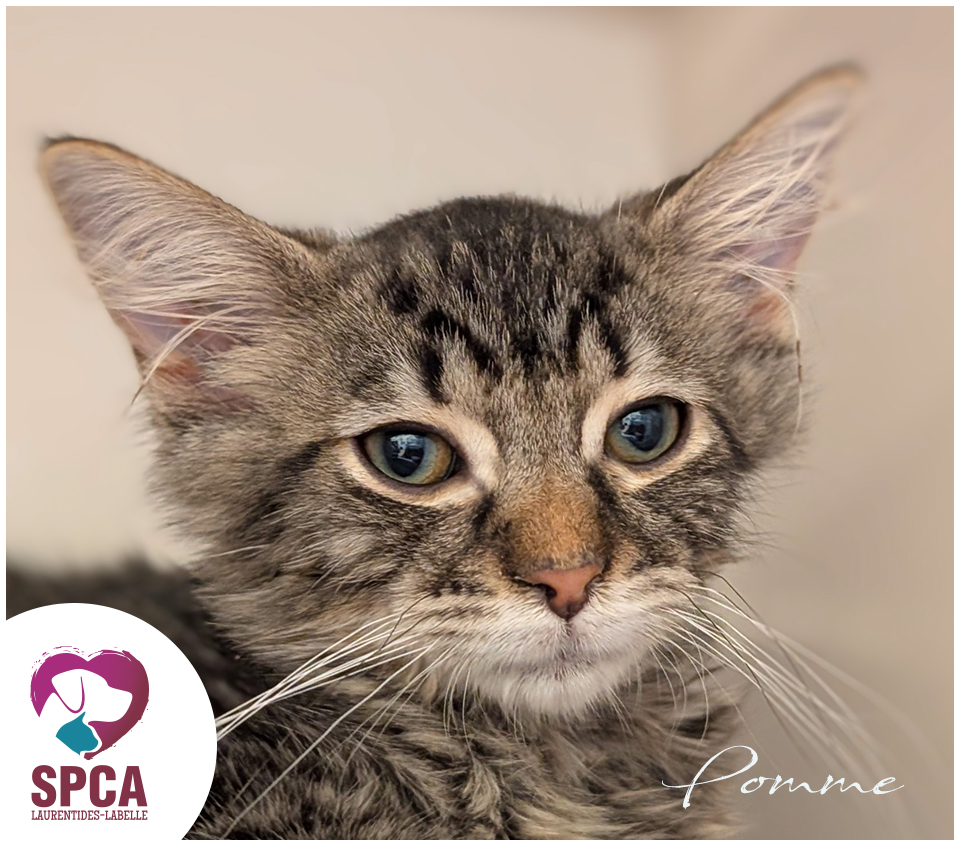
Credit: spcall.ca
Types Of Cats Available For Adoption
Adopting a cat means giving a home to a loving animal in need. There are many types of cats you can adopt. Each type has unique traits and needs.
Knowing about different cats helps you choose the right one. This guide covers kittens, adult cats, breed varieties, and special needs cats.
Kittens Vs Adult Cats
Kittens are young cats full of energy. They need more care and training. They learn fast and enjoy playing.
Adult cats are calmer and often already trained. They may have set personalities. Many people prefer adults for a quieter pet.
- Kittens need more attention and supervision
- Adult cats usually have known behavior
- Both can be loving and good companions
Breed Varieties
Cats come in many breeds, each with unique looks and traits. Some breeds are more active, while others are calm.
Breed choice affects grooming needs, size, and personality. Mixed breed cats often have a mix of traits from different breeds.
- Siamese cats are vocal and social
- Maine Coons are large and friendly
- Persians have long fur and need grooming
- Mixed breeds can have varied traits
Special Needs Cats
Some cats need extra care due to health or age. Special needs cats may have disabilities or chronic conditions.
They require patience and sometimes special equipment. Adopting these cats can be very rewarding and saves lives.
- Blind or deaf cats
- Cats with mobility issues
- Older cats with health problems
- Cats needing special diets or medicine
Where To Find Cats For Adoption
Finding a cat to adopt can be a joyful experience. Many cats need loving homes. You can find cats in different places.
Choosing the right place helps you find a cat that fits your family. Here are some common places to look for cats available for adoption.
Animal Shelters
Animal shelters care for stray and lost cats. These shelters offer many cats waiting for homes. Staff can help you meet cats and learn about their needs.
Shelters often check the health of cats before adoption. They may also provide vaccinations and spaying or neutering.
Rescue Groups
Rescue groups save cats from unsafe places. They find foster homes where cats get care and love. These groups focus on finding permanent homes for cats.
Rescue groups often have special cats. Some may need extra help or time to adjust. They give support to families adopting these cats.
Online Adoption Platforms
Online platforms list cats available for adoption from shelters and rescues. You can see photos and read about each cat’s personality. This helps you choose a cat before visiting.
These websites allow you to apply for adoption online. They make it easy to start the process from home.
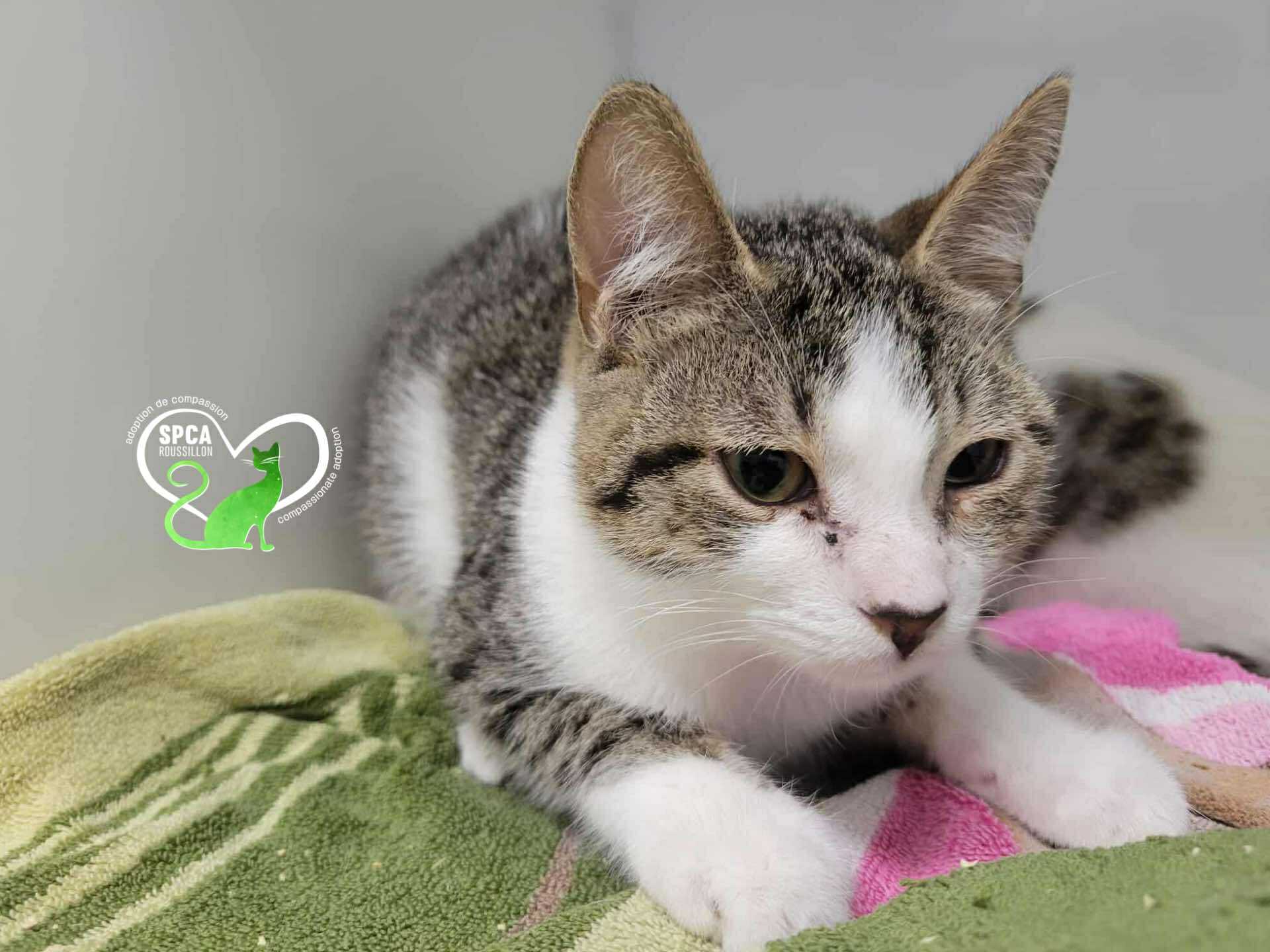
Credit: spcaroussillon.com
Preparing For Your New Cat
Adopting a cat is a big step that brings joy and responsibility. Getting ready helps your new pet feel safe and loved.
Planning your home and care before your cat arrives makes the transition smooth. It also keeps your cat healthy and happy.
Home Setup Essentials
Prepare a quiet space for your cat to rest and explore. This area should be free from loud noises and busy activity.
Place a cozy bed and some toys in a safe corner. Make sure the room has food, water, and a litter box nearby.
- Choose a quiet room for the cat’s first days
- Set up a comfortable bed or blanket
- Keep food and water bowls accessible
- Provide a clean litter box in a private spot
- Add a few toys for play and comfort
Initial Veterinary Care
Schedule a vet visit soon after adopting your cat. The vet checks health and gives needed vaccinations.
Discuss flea control, spaying or neutering, and diet with the vet. Keep medical records for future care.
- Book a health check within the first week
- Get vaccinations and parasite treatments
- Talk about spay or neuter options
- Ask for diet and nutrition advice
- Keep all vet records organized
Supplies Checklist
Gather all supplies before your cat arrives. This helps avoid stress and keeps your cat comfortable.
Make sure to have food, litter, and grooming tools ready. These basics help your cat settle in quickly.
- Cat food and water bowls
- High-quality cat food
- Litter box and scoop
- Cat bed or blanket
- Scratching post or pad
- Toys for playtime
- Grooming brush or comb
- Carrier for travel
Adoption Process Steps
Adopting a cat is a thoughtful process. It helps ensure the cat finds a safe home.
This guide explains the main steps involved in adopting a cat. Each step helps both you and the cat.
Application And Screening
You start by filling out an adoption application form. This form asks about your home and lifestyle.
- Complete the application with your details.
- Answer questions about pets and family members.
- Wait for the shelter to review your form.
- Staff may call to ask more questions.
- They check if the cat fits your home environment.
Meeting The Cat
After approval, you meet the cat at the shelter or foster home. This meeting helps you know the cat’s personality.
| What to Observe | Details |
| Behavior | Is the cat calm or active? |
| Health | Does the cat look healthy and clean? |
| Social Skills | How does the cat react to people? |
| Comfort Level | Do you feel a connection with the cat? |
Finalizing The Adoption
Once you choose a cat, you complete the adoption by signing papers. You also pay any adoption fees.
The shelter staff often provide:
- Health records and vaccination details
- Tips on cat care and feeding
- Contact information for future questions
Common Challenges After Adoption
Adopting a cat brings joy and companionship. It also comes with some challenges.
New cat owners must understand these challenges to help their pets settle well.
Adjusting To A New Home
Cats need time to get used to their new environment. Strange smells and sounds can make them nervous.
They may hide or avoid people at first. Patience and a quiet space help cats feel safe.
- Provide a cozy resting area
- Keep the home calm and quiet
- Give the cat time to explore alone
Behavioral Issues
Some cats show new behaviors after adoption. Scratching furniture or avoiding the litter box are common.
Stress or fear often cause these problems. Consistent routines and gentle training can improve behavior.
- Set regular feeding times
- Use scratching posts
- Clean litter boxes daily
- Reward good behavior with treats
Health Concerns
New cats may have health issues like fleas, worms, or infections. Early vet visits are important.
Watch for signs like coughing, sneezing, or poor appetite. Prompt care helps cats stay healthy.
- Schedule a vet check soon after adoption
- Keep vaccinations up to date
- Maintain good hygiene
- Monitor eating and activity levels
Long-term Care For Adopted Cats
Adopting a cat is a joyful experience that lasts a lifetime. Caring for an adopted cat means meeting its needs every day.
Good long-term care keeps your cat happy and healthy. It builds trust and a loving home.
Nutrition And Exercise
Proper nutrition helps your cat stay strong. Exercise keeps it active and prevents weight gain.
- Feed high-quality cat food suitable for their age
- Provide fresh water daily
- Offer toys and playtime for physical activity
- Allow safe outdoor time if possible
Regular Vet Visits
Visits to the vet keep your cat healthy. Vaccines, check-ups, and treatments prevent illness.
| Check-up Type | Frequency |
| General health exam | Once a year |
| Vaccinations | As recommended |
| Dental cleaning | Once a year |
| Parasite control | Regularly |
Building A Strong Bond
Spending time with your cat builds trust. It helps your cat feel safe and loved in your home.
Tips to bond with your cat:
- Speak softly and use gentle touch
- Play together daily
- Respect your cat’s space and mood
- Offer treats and rewards
How To Support Cat Adoption Efforts
Cat adoption saves lives by finding homes for homeless cats. Many cats wait in shelters for kind owners. You can help by supporting adoption efforts in your community.
There are many ways to support cat adoption. You can volunteer, donate, or spread awareness. Each action makes a difference for cats in need.
Volunteering Opportunities
Volunteering helps shelters run smoothly and cats get care. You can spend time playing, cleaning, or helping at events. Your time is very valuable to cats and staff.
- Feed and groom cats
- Help with cleaning cages and rooms
- Assist at adoption events
- Provide social time and comfort to cats
Donations And Fundraising
Shelters need money for food, medicine, and supplies. Donations support these needs and help more cats find homes. Fundraising events also raise money and awareness.
| Donation Type | How It Helps |
| Money | Buys food, medicine, and shelter supplies |
| Cat Food | Feeds cats in shelters |
| Blankets and Toys | Makes cats comfortable and happy |
| Fundraising Events | Raises money and public interest |
Advocacy And Awareness
Sharing information about cat adoption helps more people learn. You can talk to friends, post online, or join community groups. Awareness can change minds and save cats.
Ways to raise awareness:
- Share shelter stories on social media
- Organize talks or workshops about cat care
- Distribute flyers in your neighborhood
- Encourage spaying and neutering to reduce homeless cats

Credit: www.proanima.com
Frequently Asked Questions
What Does Cat Adoption Mean?
Cat adoption means giving a homeless cat a permanent, loving home. It helps reduce stray cat populations and supports animal shelters.
Why Should I Adopt A Cat Instead Of Buying?
Adopting saves cats from shelters and reduces pet overpopulation. It’s cost-effective and promotes animal welfare compared to buying from breeders.
How Do I Prepare For Cat Adoption?
Prepare by creating a safe space, buying essentials like food and litter, and scheduling a vet visit. Research cat care beforehand.
What Are The Benefits Of Adopting A Cat?
Adoption provides companionship, reduces shelter overcrowding, and saves lives. Adopted cats often show gratitude and bond deeply with owners.
Conclusion
Adopting a cat is a rewarding choice for many families. It offers companionship and love. Cats need care, but give back so much joy. Shelters have many cats waiting for homes. Each adoption makes space for another cat in need.
Consider your lifestyle before adopting. Cats live many years and need commitment. Adoption helps reduce stray cat populations. It also supports shelters in their mission. Bringing a cat home can change your life and theirs. Make a difference by choosing adoption.
It is a decision that benefits both you and the feline friend.