
Imagine you’re at home, watching your cat lazily stretch in a sunbeam, when suddenly, you notice them scratching a bit too often. Fleas can be a nuisance for both pets and owners, leading you on a quest to find the perfect solution.
You’ve heard about dog flea collars and wonder, “Can cats wear dog flea collars? ” You’re not alone in this curiosity. This simple question might hold the key to a flea-free life for your beloved feline. But before you make a decision, there are crucial details you need to know.
Understanding the differences and potential risks could protect your furry friend. Keep reading, because the well-being of your pet could depend on it.
Credit: www.chewy.com
Flea Collars For Pets
Flea collars help protect pets from fleas and ticks. They release chemicals that kill or repel these pests. Many pet owners wonder if cats can wear dog flea collars safely.
It is important to understand how flea collars work and the differences between collars made for cats and dogs. This helps keep your pet safe and comfortable.
How Flea Collars Work
Flea collars slowly release insecticides or repellents onto your pet’s skin. These chemicals spread over the body to prevent fleas from biting or to kill them on contact.
- Some collars use natural oils to repel pests.
- Others contain chemical insecticides that kill fleas.
- Collars can protect pets for weeks or months.
- They are easy to use and cost-effective.
Differences Between Cat And Dog Collars
Cat and dog flea collars differ in size, chemicals, and safety. Cats are more sensitive to some chemicals that dogs can handle.
| Feature | Cat Flea Collars | Dog Flea Collars |
|---|---|---|
| Size | Smaller and lighter | Larger and heavier |
| Chemicals Used | Less toxic, safe for cats | Stronger insecticides |
| Safety | Made to avoid harm to cats | May be harmful if used on cats |
| Design | Breakaway features for safety | Standard buckle or clip |
Risks Of Using Dog Flea Collars On Cats
Many pet owners wonder if cats can wear dog flea collars. Using dog flea collars on cats is risky. Cats have different bodies and needs than dogs.
Dog flea collars may contain chemicals that are harmful to cats. It is important to know the dangers before using these collars on cats.
Toxic Ingredients To Avoid
Dog flea collars often have ingredients that are safe for dogs but toxic to cats. Cats cannot process certain chemicals well. These can cause serious health problems.
- Permethrin
- Pyrethroids
- Organophosphates
- Carbamates
- Propoxur
Always check the label before using any flea collar on a cat. Avoid collars with these substances to keep your cat safe.
Potential Health Issues
Using dog flea collars on cats can cause many health problems. These include skin irritation, breathing trouble, and nervous system damage.
- Skin redness and itching
- Vomiting and diarrhea
- Tremors or seizures
- Excessive drooling
- Loss of coordination
- Difficulty breathing
These problems can be life-threatening. Immediate veterinary care is needed if your cat shows any signs of illness.
Signs Of Adverse Reactions
Watch your cat closely after using any flea collar. Early signs of a bad reaction can help prevent serious harm.
- Scratching or biting the collar area
- Swelling or sores on the skin
- Restlessness or unusual behavior
- Loss of appetite
- Weakness or lethargy
If you notice these signs, remove the collar immediately and contact a veterinarian. Quick action can save your cat’s life.
Safe Flea Control Options For Cats
Fleas can cause discomfort and health problems for cats. It is important to choose safe flea control methods made for cats. Using the wrong products can harm your cat.
This guide explains safe flea control options for cats. Learn about collars, topical treatments, oral medications, and natural remedies.
Cat-specific Flea Collars
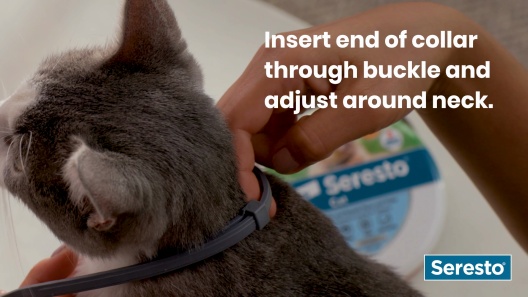
Only use flea collars made for cats. Dog flea collars can contain chemicals that are harmful to cats. Cat-specific collars protect against fleas safely.
These collars slowly release flea-repelling ingredients. They work for weeks and are easy to use. Always read the instructions carefully before use.
Topical Treatments
Topical flea treatments are liquids applied to the cat’s skin. They kill fleas and prevent new ones from growing. These treatments are made especially for cats.
Apply the treatment between the cat’s shoulder blades. This spot is hard for the cat to lick. Use only the correct dose based on your cat’s weight.
Oral Medications
Oral flea medications come as pills or chewables. Cats eat them, and the medicine kills fleas from inside. These medicines are safe when prescribed by a vet.
They often work faster than other options. Give the medicine exactly as your vet instructs. Never share dog medications with cats.
Natural Remedies
Natural flea control can help reduce fleas safely. Some plants and oils repel fleas without chemicals. Use natural options with care and check they are safe for cats.
- Use flea-repelling herbs like lavender or rosemary
- Apply small amounts of coconut oil on the fur
- Keep your cat’s bedding clean and wash often
- Regularly vacuum your home to remove flea eggs
Credit: www.hartz.com
Preventing Flea Infestations
Fleas can cause discomfort and health problems for cats. Preventing flea infestations helps keep your cat healthy and happy. It is important to use safe and effective methods to protect your pet.
Using dog flea collars on cats is not recommended. Cats have different sensitivities and need specific treatments. Instead, focus on grooming, home cleaning, and professional advice.
Regular Grooming
Grooming your cat regularly helps spot fleas early. Brushing removes flea dirt and eggs from the fur. Baths with cat-safe shampoo can also reduce fleas. Check your cat’s skin for irritation or bites.
- Brush your cat at least twice a week
- Use a flea comb to catch small fleas and eggs
- Give baths with flea treatment shampoo if needed
- Look for signs like scratching or red spots
Home Cleaning Tips
Fleas lay eggs in carpets, bedding, and furniture. Cleaning your home removes fleas and stops new ones from hatching. Vacuum often and wash pet bedding in hot water.
| Cleaning Task | Frequency |
| Vacuum carpets and rugs | At least twice a week |
| Wash pet bedding | Once a week |
| Clean furniture covers | Every two weeks |
| Dispose of vacuum bag or empty container | After each use |
Consulting Your Veterinarian
Your vet can recommend the best flea prevention for your cat. They can suggest safe collars, topical treatments, or oral medicines. Never use dog flea collars on cats without vet advice.
Ask your vet about:
- Proper flea collars made for cats
- Safe flea shampoos and sprays
- Flea prevention schedules
- Signs of flea allergy dermatitis

Credit: www.amazon.com
Frequently Asked Questions
Can Cats Safely Wear Dog Flea Collars?
No, cats should not wear dog flea collars. Dog collars contain chemicals harmful to cats, causing toxicity or allergic reactions. Always use flea collars specifically made for cats to ensure safety and effectiveness in flea prevention.
What Are The Risks Of Using Dog Collars On Cats?
Dog flea collars can cause poisoning, skin irritation, or respiratory problems in cats. Cats metabolize chemicals differently, making dog collars unsafe. Avoid using dog collars on cats to prevent serious health issues.
How To Choose A Flea Collar For My Cat?
Select a flea collar labeled for cats, considering their weight and age. Check for veterinary approval and safe, cat-friendly ingredients. Properly fitting collars ensure comfort and effective flea control.
Are There Alternatives To Flea Collars For Cats?
Yes, alternatives include topical treatments, oral medications, and flea combs. Consult your vet to find the safest and most effective flea prevention method tailored to your cat’s needs.
Conclusion
Cats and dogs have different needs for flea care. Dog flea collars can harm cats. Always choose flea products made just for cats. Protect your cat’s health by asking a vet first. Safe flea control keeps your pet happy and itch-free.
Don’t risk your cat’s safety with wrong collars. Stay informed and care wisely for your furry friend. Safe pets mean happy homes.