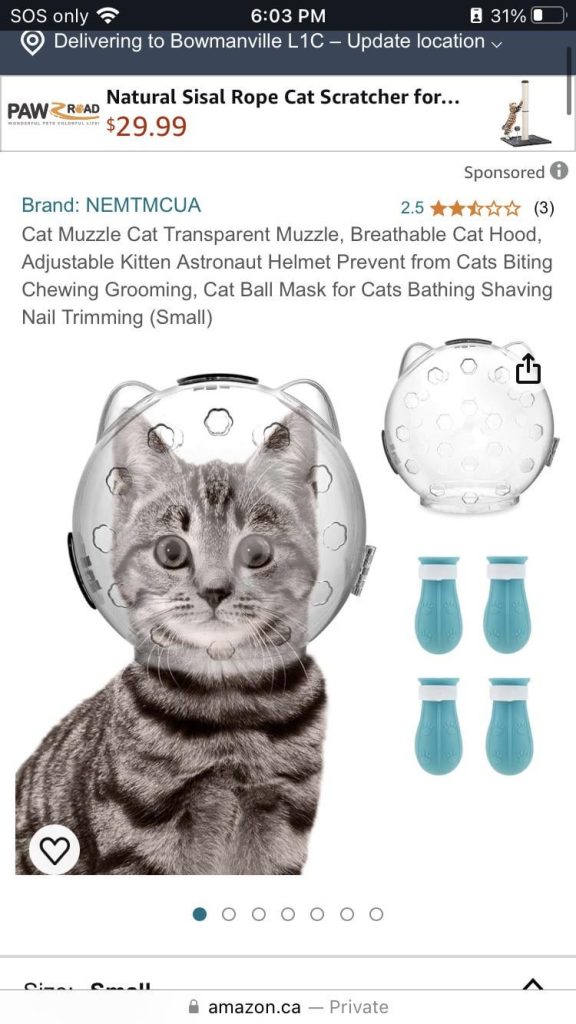
Grooming your cat can sometimes feel like a battle. If your furry friend gets anxious or restless, you might wonder how to keep them calm and safe during the process.
Knowing how to sedate a cat for grooming can make a huge difference for both you and your pet. You’ll discover simple, effective ways to ease your cat’s stress, making grooming easier and more comfortable. Keep reading to learn the best tips that protect your cat’s well-being while giving you peace of mind.
:strip_icc()/spruce-pets-cat-sedative-travel-9be74a8034364749a2cb205881b103ac.png)
Credit: www.thesprucepets.com
When Sedation Is Needed
Some cats get very stressed during grooming. Sedation can help calm them safely.
Knowing when to sedate your cat protects both you and your pet from injury.
Signs Your Cat Needs Sedation
Look for behaviors that show your cat may not handle grooming calmly.
- Excessive hissing or growling
- Repeated attempts to escape
- Swatting or biting during grooming
- Extreme shaking or trembling
- Rapid breathing or panting
- Previous history of aggressive reactions
Alternatives To Sedation
You can try other ways to make grooming easier without sedation.
| Method | Description |
| Gradual Training | Teach your cat to accept grooming slowly over time. |
| Distraction | Use toys or treats to keep your cat focused elsewhere. |
| Professional Grooming | Hire groomers skilled in handling difficult cats. |
| Calming Products | Try pheromone sprays or calming collars. |
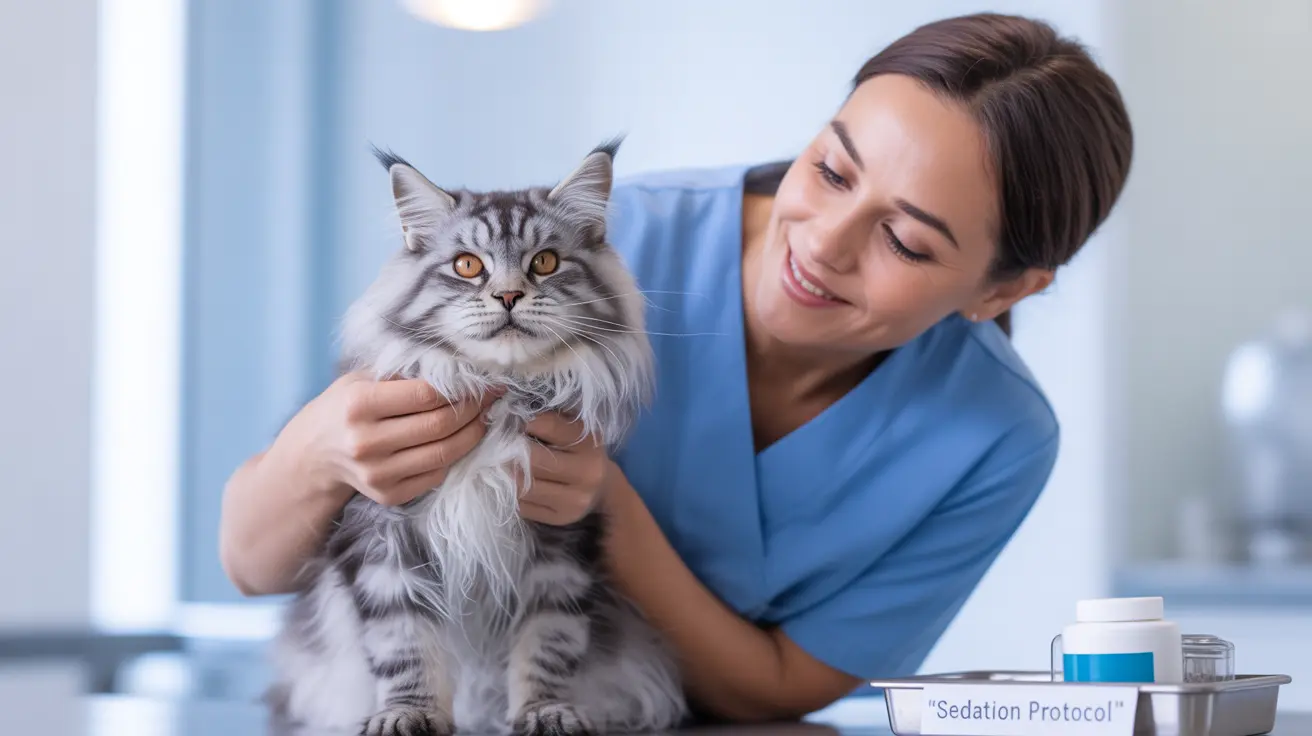
Credit: www.petscare.com
Consulting A Veterinarian
Before sedating your cat for grooming, talk to a veterinarian. They check your cat’s health and suggest safe options.
Each cat reacts differently to sedatives. A vet’s advice helps keep your cat safe and calm during grooming.
Health Assessment
A vet will assess your cat’s overall health before giving sedatives. They look for any problems that may cause risks.
- Check the cat’s heart and lungs
- Review past medical history
- Look for allergies or reactions to drugs
- Test for infections or illnesses
- Evaluate age and weight
Choosing The Right Sedative
The veterinarian selects a sedative based on the cat’s health and temperament. Not all sedatives work the same for every cat.
| Sedative Type | Use Case | Possible Side Effects |
| Oral Tablets | Mild sedation for calm cats | Drowsiness, slight nausea |
| Injectable Sedatives | Strong sedation for anxious cats | Lowered heart rate, dizziness |
| Topical Agents | Gentle sedation, minimal stress | Skin irritation, slow onset |
Types Of Sedatives
Sometimes cats need sedation for grooming. Sedatives help keep cats calm and still.
There are different types of sedatives. Some are medicines, and some are natural options.
Common Medications
Vets use common medicines to sedate cats safely. These medicines work fast and are strong.
Some popular medications include:
- Diazepam (Valium) – helps calm anxiety
- Acepromazine – a mild sedative for relaxation
- Medetomidine – used for deep sedation
- Alprazolam (Xanax) – reduces stress and nervousness
Always use these drugs under a vet’s guidance. Dosage depends on the cat’s size and health.
Natural Sedation Options
Some cat owners prefer natural ways to calm their pets. These options are gentler but may work slower.
Common natural sedatives include:
- Catnip – can relax or excite cats depending on the cat
- Valerian root – helps reduce stress
- Chamomile – a mild calming herb
- CBD oil – some use it to ease anxiety
Natural sedatives are safer but check with a vet before use. Some herbs can cause reactions.

Credit: smart.dhgate.com
Administering Sedation Safely
Giving sedation to a cat helps calm them during grooming. It reduces stress and keeps the cat still. Always follow safe methods to protect your cat’s health.
Speak with your vet before sedating your cat. They will guide you on the correct medicine and dose. Careful use of sedation makes grooming easier and safer.
Dosage Guidelines
Use the right dosage based on your cat’s weight and health. Too much medicine can harm your cat. Too little may not calm them enough.
| Cat Weight (lbs) | Typical Sedation Dose (mg) | Frequency |
|---|---|---|
| 5 – 8 | 5 – 10 | Once before grooming |
| 9 – 12 | 10 – 15 | Once before grooming |
| 13 – 16 | 15 – 20 | Once before grooming |
Always measure the dose with care. Use a syringe or dropper for liquid meds. Never guess the amount.
Timing Before Grooming
Give sedation at the right time. This helps the medicine work well during grooming. Giving it too early or late can cause problems.
- Administer sedation 30 to 60 minutes before grooming.
- Watch your cat closely after giving medicine.
- Keep the cat calm in a quiet place while waiting.
- Do not feed your cat right before sedation unless your vet says it is okay.
- If your cat shows unusual signs, contact your vet immediately.
Preparing Your Cat For Grooming
Grooming your cat can be stressful for both of you. Preparing your cat helps make the process easier and safer.
Getting your cat calm and comfortable is the first step before sedation or grooming. This reduces stress and risk of injury.
Creating A Calm Environment
Choose a quiet room with few distractions. Turn off loud noises like TV or music.
Keep the lighting soft and avoid sudden movements. Use a soft blanket or towel your cat likes on a stable surface.
- Use a quiet, familiar room
- Soft lighting helps relax your cat
- Place a favorite blanket or towel
- Limit sudden sounds and movements
Handling Techniques
Handle your cat gently and confidently. Speak in a soft voice to reassure your cat.
Use slow movements to avoid startling your cat. Hold your cat securely but not too tight to keep them calm.
- Speak softly and calmly
- Use slow, smooth movements
- Hold your cat firmly but gently
- Support their body to prevent struggles
Monitoring Your Cat During Sedation
Watching your cat closely during sedation is very important. It helps keep your cat safe and calm.
Check your cat often to see how they react to the sedative. Look for any changes in breathing, color, or behavior.
Recognizing Side Effects
Some cats may show side effects from sedation. These can be mild or serious and need attention.
Common side effects include slow breathing, drooling, or shaking. Watch for these signs carefully.
- Slow or uneven breathing
- Blue or pale gums
- Excessive drooling
- Shaking or twitching
- Unusual sleepiness or restlessness
Emergency Steps
If your cat shows serious side effects, act quickly. Some signs need fast help from a vet.
Try to keep your cat calm and warm. Call your vet or emergency animal hospital right away.
- Keep your cat lying on their side
- Clear the airway if your cat vomits
- Use a cool, damp cloth if your cat overheats
- Do not give any medicine without vet advice
- Have your vet’s phone number ready before sedation
Aftercare Post-grooming
After sedating your cat for grooming, proper care is very important. This helps your cat recover safely and feel comfortable.
Pay close attention to your cat’s behavior and environment. This will help you spot any problems early.
Recovery Tips
Keep your cat in a quiet, warm place after grooming. Avoid loud noises and bright lights to reduce stress.
Offer water and small amounts of food once your cat is fully awake. Do not force them to eat or drink.
- Provide soft bedding for comfort
- Check breathing and responsiveness often
- Limit movement to prevent injury
- Keep the litter box nearby
When To Contact A Vet
Contact a vet if your cat shows unusual signs after sedation. Early help can prevent serious problems.
Watch for these signs and call your vet if you see them:
- Difficulty breathing or fast breathing
- Not waking up after expected time
- Severe vomiting or diarrhea
- Unusual swelling or bleeding
- Excessive drooling or seizures
Preventing Stress In Future Groomings
Grooming a cat can be hard if the cat feels scared or stressed. It is important to help your cat stay calm. This makes future grooming easier for both of you.
Building good habits and using kind rewards help your cat relax. This guide shares simple ways to keep grooming stress low.
Regular Grooming Habits
Groom your cat often to get them used to the process. This lowers fear and stress over time. Short, calm sessions work best.
- Brush your cat gently every few days.
- Check the cat’s fur and skin for problems.
- Use the same grooming tools each time.
- Keep sessions short, about 5 to 10 minutes.
- Stop if your cat shows signs of stress.
Positive Reinforcement
Give your cat treats and praise after grooming. This helps your cat link grooming with good things. Use soft voices and gentle petting.
| Reward | Purpose |
| Tasty Treats | Encourage good behavior |
| Soft Petting | Provide comfort and calm |
| Calm Voice | Reduce anxiety |
| Playtime | Make grooming a positive event |
Frequently Asked Questions
How Can I Safely Sedate My Cat For Grooming?
Consult a veterinarian before sedating your cat. Use prescribed medications only. Avoid human drugs. Follow dosage and timing instructions strictly to ensure safety.
What Are Common Sedatives Used For Cat Grooming?
Common sedatives include Acepromazine, Gabapentin, and Trazodone. These help calm cats during grooming. Always use under veterinary guidance to prevent risks.
Are There Natural Alternatives To Sedate Cats For Grooming?
Yes, calming sprays, pheromone diffusers, and herbal supplements like chamomile may help. These are less risky but less potent than medications.
How Long Does Sedation Last For Cat Grooming?
Sedation duration varies by drug and dosage but typically lasts 1 to 4 hours. Always monitor your cat closely until fully awake.
Conclusion
Grooming a cat can be tricky without sedation. Follow the steps carefully. Ensure a calm environment for your pet. Use gentle methods to relax your cat. Talk softly and use soothing touches. Consult your vet for safe sedatives. Always prioritize your cat’s safety and comfort.
Be patient and observant throughout the process. Successful grooming requires understanding and care. With practice, it becomes easier. Your cat will appreciate your efforts.