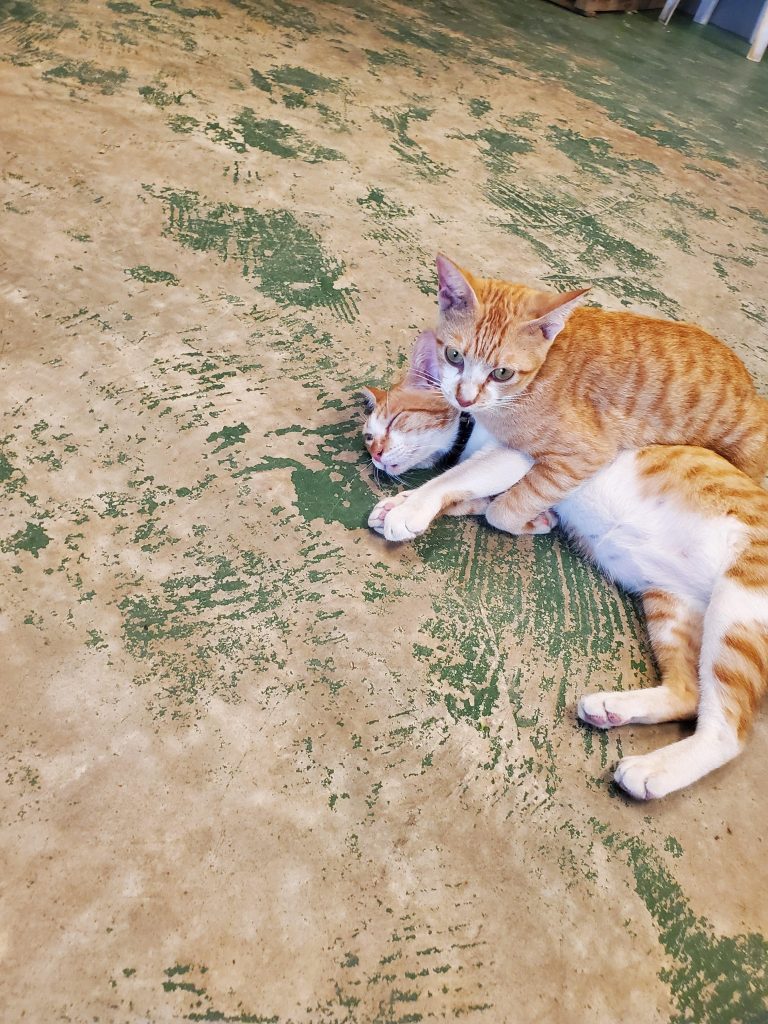
Have you ever watched your cats carefully grooming each other, only to see them suddenly start fighting? It can be confusing and even a little upsetting.
You might wonder why your furry friends switch from being so sweet and gentle to acting aggressive in just moments. Understanding this strange behavior can help you keep peace in your home and strengthen the bond between your cats. You’ll discover the surprising reasons behind this grooming-then-fighting cycle—and what you can do to help your cats get along better.
Keep reading to unlock the secrets behind your cats’ puzzling actions!

Credit: www.reddit.com
Cat Grooming Behavior
Cats often groom each other as part of their social behavior. Grooming helps them build bonds and show care. Sometimes, after grooming, cats may start to fight. This can confuse cat owners.
Understanding why cats groom and then fight helps explain their complex interactions. Grooming plays a key role in their relationships and trust.
Social Bonding Through Grooming
When cats groom each other, they share a social connection. Grooming is a way to strengthen friendships and reduce stress. Cats that groom together usually get along well.
- It helps lower tension between cats.
- Shows acceptance of one another.
- Reinforces group harmony.
- Can calm aggressive feelings.
Grooming As A Sign Of Trust
Grooming means a cat trusts the other cat enough to be close. It shows they feel safe and secure together. Trust grows when cats spend time grooming each other.
| Behavior | Meaning |
| Gentle licking | Comfort and care |
| Soft nuzzling | Trust and affection |
| Sudden biting | Play or warning |
| Withdrawal | Discomfort or stress |
How Cats Choose Grooming Partners
Cats pick grooming partners carefully. They often choose cats they know well or live with. Grooming helps keep peace and build friendships.
Common factors cats use to choose grooming partners:
- Shared territory or home
- Similar age or size
- Previous positive interactions
- Family or littermates

Credit: www.reddit.com
Reasons Behind Grooming Then Fighting
Cats often groom each other as a way to bond and show affection. This behavior helps them build trust and stay clean. But sometimes, grooming ends with a fight.
Understanding why cats groom and then fight can help owners manage their pets better. Different reasons explain this sudden change in behavior.
Territorial Disputes
Cats are territorial animals. Grooming may start as a friendly gesture but can lead to conflict if one cat feels its space is threatened. This often happens in multi-cat homes.
- One cat may groom to mark its scent on another.
- The other cat may see this as an invasion.
- Disputes arise over favorite resting spots or resources.
- The fight helps them re-establish boundaries.
Overstimulation During Grooming
Grooming can sometimes be too intense or last too long. Cats have sensitive skin and nerves. When overstimulated, a cat may suddenly lash out to stop the grooming.
| Signs of Overstimulation | What It Means |
| Tail twitching | Cat feels annoyed |
| Flattened ears | Warning to stop |
| Sudden swat or bite | Cat wants grooming to end |
Hierarchy And Dominance Issues
Cats live in social groups with a clear hierarchy. Grooming can be a way to show dominance or submission. Fighting may follow if one cat challenges another’s status.
Common behaviors related to hierarchy and dominance:
- Dominant cat grooms the other to show control.
- Submissive cat accepts grooming but may fight back if pushed.
- Fighting resets the social order within the group.
Body Language Clues
When cats groom each other, it often looks like a friendly act. Yet, sometimes they suddenly start to fight. Understanding their body language helps explain why.
Cats use many signs to show if they feel calm or upset. Watching these signs can tell you if grooming will stay peaceful or turn into a fight.
Signs Of Relaxed Grooming
Relaxed grooming shows that cats trust each other. Their bodies look soft and calm. They enjoy the time together without stress.
- Slow, gentle licking or nibbling
- Soft eyes, sometimes half-closed
- Relaxed ears, facing forward
- Loose, calm body posture
- Quiet purring or no sounds
Warning Signals Before A Fight
Before a fight, cats show clear signs of discomfort or anger. These signals warn that grooming may end soon.
- Ears flattening back or sideways
- Tail twitching or flicking fast
- Stiff or tense body movements
- Quick, sharp meows or growls
- Sudden staring or wide open eyes
How To Read Cat Interactions
Look at both cats closely during grooming. Notice how they move and react to each other. This helps you understand their mood.
Calm grooming means cats feel safe. Signs of tension or anger show they may fight soon. Reading these clues helps you keep peace.
- Watch ears and eyes for changes
- Notice tail movements and speed
- Check body posture for tension
- Listen for sounds like growls or purrs
- Observe how often grooming stops or starts

Credit: www.reddit.com
Impact Of Environment
Cats often groom each other to bond and show affection. Sometimes, this turns into fighting. The environment around them plays a big role in this behavior.
Small changes or stress in their space can make cats act differently. Understanding these factors helps explain why grooming can lead to conflict.
Stress Factors Affecting Behavior
Stress affects cats’ mood and actions. Loud noises, new pets, or visitors can cause stress. Stressed cats may groom more but also fight.
Stress can make cats feel unsafe. They might become aggressive toward each other after grooming to protect themselves.
Changes In Household Dynamics
Adding new people or animals changes how cats behave. New pets or babies can confuse cats and make them anxious.
When routines change, cats may feel unsettled. This can cause grooming to turn into fights because they are unsure of their place.
Space And Resource Competition
Cats need enough space and resources like food, water, and litter boxes. Limited resources create tension between cats.
Competition for these can make cats fight after grooming. They may try to claim the best spots or items.
- Separate feeding areas reduce fights
- Provide multiple litter boxes
- Give each cat its own resting space
Managing Grooming And Fighting
Cats often groom each other to show care and build bonds. Sometimes, this grooming can turn into fighting. Understanding why this happens helps owners manage their cats better.
Balancing their social interactions is key to a peaceful home. You can encourage good behavior and reduce fights with careful attention.
Encouraging Positive Interaction
Help your cats enjoy grooming each other without turning to fights. Watch for signs of stress or over-stimulation and guide them gently.
- Give each cat its own space to retreat.
- Provide multiple grooming tools like brushes.
- Reward calm behavior with treats and praise.
- Play with cats together to build positive bonds.
- Keep their environment calm and free of stress.
When To Intervene
Not all fights need intervention. Learn when to step in to keep your cats safe and happy.
| Situation | Action |
| Light swatting or chasing | Watch quietly, no need to intervene |
| Hissing and growling with no retreat | Distract cats with noise or toys |
| Full-on fighting with biting and scratching | Separate immediately using a barrier |
| Repeated fights after separation | Consult a veterinarian or behaviorist |
Tips To Reduce Conflicts
Use these tips to lower tension and help cats get along better.
- Feed cats separately to avoid food fights.
- Provide plenty of toys to distract and entertain.
- Keep litter boxes clean and in multiple locations.
- Introduce new cats slowly and carefully.
- Maintain a consistent daily routine for feeding and playtime.
When To Seek Help
Cats often groom each other to show affection and build bonds. Sometimes, this grooming can lead to fighting. Understanding when to get help is important for your cats’ safety and happiness.
If your cats fight after grooming, watch their behavior closely. Some fights are normal, but serious aggression needs attention. Knowing the signs will help you decide when to seek help.
Signs Of Serious Aggression
Serious aggression is more than just play. Look for these signs to know if your cats need help:
- Loud hissing or growling before fights
- Biting that causes injuries or bleeding
- Swatting with claws out and ears flat
- One cat hiding or avoiding the other
- Repeated fights that last several minutes
- Changes in eating or litter box habits
Consulting A Veterinarian Or Behaviorist
If you see serious aggression, talk to a vet or cat behaviorist. They can find medical or behavioral causes. Some health issues can cause sudden aggression.
Veterinarians check for pain, illness, or injury. Behaviorists study how cats act and suggest changes. Both help create a safe home for your cats.
Behavior Modification Strategies
Changing how cats act takes time and patience. Use these strategies to reduce fights and improve their relationship:
- Separate cats during fights and give them space
- Use toys to redirect energy and play gently
- Give each cat its own food and litter box
- Provide hiding spots and vertical spaces to feel safe
- Reward calm and friendly behavior with treats
- Keep routines steady to reduce stress
Frequently Asked Questions
Why Do Cats Groom Then Suddenly Fight?
Cats groom to bond and share scents, but fights can erupt due to overstimulation or misread signals during grooming sessions.
Is Grooming Before Fighting Normal Cat Behavior?
Yes, grooming before fighting is normal. It shows mixed feelings like affection mixed with dominance or irritation.
How To Stop Cats From Fighting After Grooming?
Provide separate spaces, supervise interactions, and use calming aids. Ensure both cats feel safe and respected during grooming.
Can Grooming Trigger Aggressive Behavior In Cats?
Yes, grooming can trigger aggression if one cat feels annoyed or stressed, leading to sudden fights.
Conclusion
Cats groom and then fight due to complex social dynamics. Grooming strengthens bonds, showing trust and affection. Fighting can be playful or about territory. Cats communicate through these behaviors, balancing friendship and boundaries. Observing helps understand their needs and emotions.
It ensures a harmonious home for them. Keep an eye on body language. It tells you when play turns serious. Understanding these patterns strengthens your bond with your cats. It makes their environment more peaceful. Knowing their behavior is key.
It helps you respond appropriately and maintain peace. After all, happy cats mean a happy home.