
Is your cat scratching up your furniture or knocking things off the shelves? Dealing with destructive cat behavior can be frustrating and exhausting.
You want a happy home, but your cat’s actions might be driving you crazy. The good news is, you can take control and guide your furry friend toward better habits. You’ll discover simple, effective ways to understand why your cat acts this way and how to stop the damage without stress.
Keep reading—your peace of mind and your belongings will thank you.
Credit: justcatsclinic.com
Common Destructive Behaviors
Cats may show destructive behaviors that can damage your home. These actions can be frustrating for owners and harmful to cats.
Understanding these behaviors helps you manage and reduce them. Here are some common destructive actions cats display.
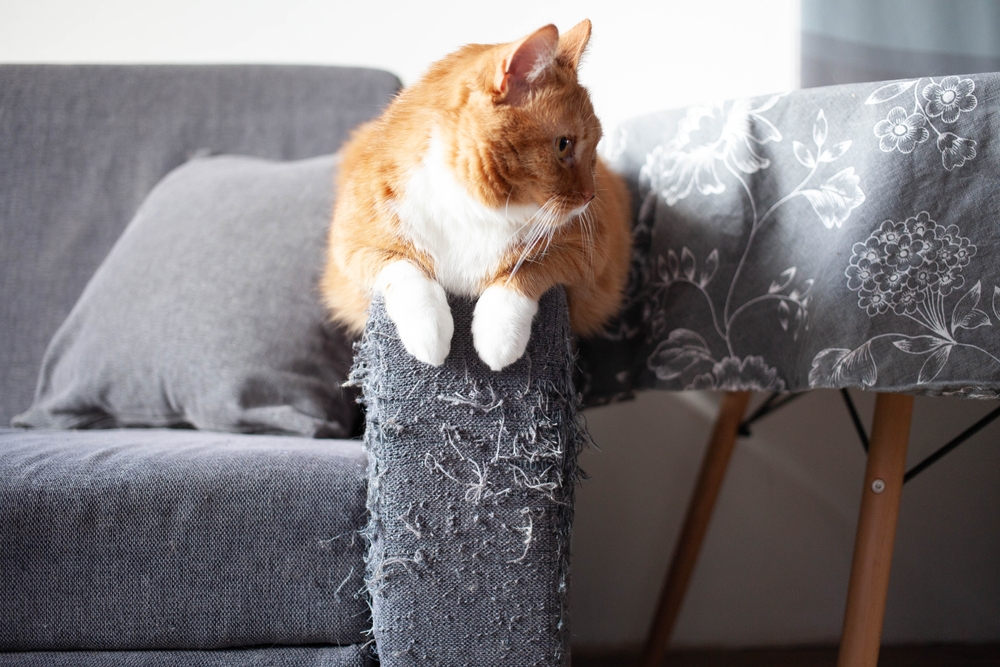
Scratching Furniture
Scratching is natural for cats. It helps them mark territory and keep their claws sharp. Furniture often becomes a target.
You can protect furniture by providing scratching posts. Cats like rough surfaces and vertical or horizontal options.
- Place scratching posts near favorite furniture
- Use catnip to attract cats to posts
- Trim cat’s nails regularly to reduce damage
- Cover furniture with protective materials
Chewing Cords And Objects
Some cats chew on cords and small objects. This can be dangerous for them and cause damage in the home.
Keep cords out of reach or cover them with cord protectors. Offer safe chew toys to satisfy this need.
- Hide or secure electrical cords
- Provide rubber or fabric chew toys
- Use bitter sprays on cords to deter chewing
- Watch your cat and redirect chewing behavior
Excessive Climbing
Cats love to climb high places. Too much climbing can lead to broken items or unsafe falls.
Give your cat climbing towers or shelves made for cats. This lets them climb safely and stay active.
- Provide cat trees or climbing shelves
- Keep fragile items out of reach
- Secure tall furniture to prevent tipping
- Encourage playtime to reduce restlessness
Aggressive Play
Aggressive play may involve biting and scratching people or pets. It can hurt and cause stress.
Use toys to play with your cat, not your hands. Teach gentle play and give breaks if your cat gets too rough.
- Use wand toys or balls for play
- Stop play if the cat bites or scratches
- Give time to calm down before playing again
- Reward gentle behavior with treats or praise
Reasons Behind Destructive Acts
Cats sometimes show destructive behavior. Understanding why helps to stop it.
Different causes can make cats act out and damage things at home.
Boredom And Lack Of Stimulation
Cats need mental and physical activity every day. Without it, they get bored.
Bored cats may scratch furniture or knock things down to play.
- Provide toys that move or make noise
- Play with your cat daily
- Use climbing trees or scratching posts
Stress And Anxiety
Cats feel stress from changes like new pets or moving homes.
Stress can cause destructive acts like chewing or scratching more than usual.
- Keep a calm environment
- Give your cat a safe space
- Keep routines consistent
Territorial Marking
Cats mark places to show their territory. This can lead to scratching or spraying.
Marking helps cats feel safe and claim their space around the house.
- Use scratching posts in key spots
- Clean marked areas with special cleaners
- Limit access to new or shared areas
Health Issues
Some health problems cause cats pain or discomfort. This can lead to bad behavior.
Check with a vet if your cat suddenly acts destructively or changes habits.
- Arthritis can make cats restless
- Dental pain can cause irritability
- Skin problems may lead to excessive scratching
Creating A Stimulating Environment
Destructive cat behavior often happens when cats feel bored or stressed. A lively environment helps keep cats happy and calm.
Giving your cat new things to explore and play with can reduce unwanted scratching or chewing. A good setup keeps their minds busy.
Interactive Toys And Puzzles
Interactive toys and puzzles make cats think and stay active. These toys challenge their minds and stop boredom.
Try toys that hide treats or move when touched. These keep cats interested and busy for longer times.
- Treat-dispensing puzzles
- Laser pointers with automatic movement
- Feather wands that mimic prey
- Battery-operated moving toys
Climbing Structures
Cats love to climb and explore high places. Climbing structures give them exercise and a safe space to jump.
These structures can include shelves, cat trees, and wall-mounted perches. They help cats use energy in good ways.
- Multi-level cat trees with scratching posts
- Wall shelves placed at different heights
- Window perches for bird watching
- Ramps and tunnels for climbing fun
Scheduled Playtime
Set regular play sessions to keep your cat active. Short, daily playtimes help reduce bad behavior.
Use toys that encourage chasing and jumping. Playtime builds a strong bond and burns off extra energy.
- Play for 10-15 minutes twice a day
- Use wand toys to mimic hunting
- End playtime with calm petting
- Keep sessions fun and stress-free
Safe Chew Alternatives
Cats may chew on things when bored or teething. Safe chew toys stop them from damaging furniture or cords.
Choose chew toys made for cats. These keep their teeth healthy and give a safe outlet for chewing needs.
- Rubber or silicone chew toys
- Catnip-filled soft toys
- Dental treats designed for chewing
- Cardboard scratchers with chew areas
Credit: petdirect.co.nz
Training And Behavior Modification
Destructive cat behavior can be a big problem for pet owners. Training and behavior modification help change bad habits.
With patience and the right techniques, you can teach your cat better ways to act.
Positive Reinforcement Techniques
Reward your cat when it behaves well. This encourages good actions to happen more often.
Use treats, praise, or petting to show your cat it did the right thing.
- Give a small treat after good behavior
- Use a calm voice to praise your cat
- Offer petting as a reward
- Reward immediately to connect action and treat
Redirecting Undesirable Actions
When your cat starts to do something destructive, guide it to a better activity. This helps your cat learn what is okay.
For example, if your cat scratches furniture, move it to a scratching post.
- Gently move your cat to a toy or scratching post
- Offer a fun alternative to destructive actions
- Stay calm and avoid punishment
Using Deterrents Effectively
Deterrents help keep cats away from places or objects they should avoid. Use them carefully to prevent stress.
Choose safe deterrents that do not harm your cat but discourage bad behavior.
- Use double-sided tape on furniture
- Place citrus scents near problem areas
- Try motion-activated sprays or sounds
- Keep deterrents consistent and in the right spot
Consistency In Training
Be consistent with your rules and rewards. Cats learn best when they get the same messages every time.
Make sure everyone in the home follows the same training methods to avoid confusing your cat.
- Set clear rules for your cat
- Reward good behavior every time
- Redirect bad behavior without exceptions
- Keep training sessions short but regular
Managing Stress And Anxiety
Cats can show destructive behavior when they feel stressed or anxious. Understanding how to help them feel calm is important. Managing their stress can reduce damage to your home and keep your cat happy.
There are simple ways to create a safe environment for your cat. This guide covers comfort zones, pheromone diffusers, routines, and knowing when to seek help.
Comfort Zones And Safe Spaces
Cats need places where they feel safe and secure. These areas help lower stress and prevent destructive behavior. A quiet corner or a cozy bed can work well.
- Set up a small, quiet area with soft bedding.
- Place hiding spots like boxes or cat tunnels.
- Keep food and water near the safe space.
- Limit loud noises and sudden movements around these zones.
Pheromone Diffusers
Pheromone diffusers release calming scents that cats recognize. These scents can help reduce anxiety and stop stress-related behaviors.
| Type | Effect |
| Feline Facial Pheromones | Creates a feeling of safety |
| Appeasing Pheromones | Reduces tension in new or stressful places |
| Calming Sprays | Used on bedding and toys for extra comfort |
Routine And Predictability
Cats feel less anxious when they know what to expect. Keeping a daily routine helps them feel safe and lowers stress.
- Feed your cat at the same times each day.
- Play or interact with your cat regularly.
- Keep litter boxes clean and in the same place.
- Limit changes in the environment or schedule.
Professional Help When Needed
Sometimes stress and anxiety need expert care. A veterinarian or animal behaviorist can help find the cause and suggest treatments.
Signs you may need professional help:
- Continued destructive behavior despite changes
- Loss of appetite or weight
- Excessive hiding or aggression
- Changes in litter box habits
Contact a professional to create a safe plan for your cat’s well-being.
Protecting Your Home
Destructive cat behavior can damage your furniture and belongings. Protecting your home helps keep peace and saves money.
Simple changes and tools can reduce damage from scratching, chewing, and clawing.
Furniture Covers And Scratch Posts
Use furniture covers to protect sofas and chairs from claw marks. These covers are easy to clean and replace.
Place scratch posts near your cat’s favorite spots. Cats like to scratch to mark territory and keep nails sharp.
- Choose tall, sturdy scratch posts
- Use materials like sisal or cardboard
- Reward your cat for using posts with treats
- Replace worn posts to keep interest
Hiding Or Securing Cords
Cords attract cats who like to chew and play with them. Hide cords behind furniture or inside cord protectors.
Use clips or cable ties to bundle cords and keep them off the floor. This stops cats from grabbing and pulling them.
Using Cat-proof Barriers
Cat-proof barriers block access to fragile or dangerous areas. Use them to keep cats out of rooms or off counters.
| Type | Use | Example |
|---|---|---|
| Baby Gates | Block doorways | Wooden or plastic gates |
| Sticky Tape | Discourage jumping | Double-sided tape on surfaces |
| Pet Fencing | Limit area | Mesh or wire fencing |
Regular Nail Trimming
Trim your cat’s nails every two weeks. Short nails cause less damage to furniture and cords.
If unsure how to trim nails, ask your vet or groomer for help. Proper trimming makes your cat more comfortable too.

Credit: www.dutch.com
Frequently Asked Questions
What Causes Destructive Behavior In Cats?
Cats often act destructively due to boredom, stress, or lack of stimulation. They may also react to changes in their environment or health issues. Understanding the root cause helps in applying the right training or enrichment techniques to reduce destructive habits effectively.
How Can I Stop My Cat From Scratching Furniture?
Provide scratching posts and regularly trim your cat’s nails. Use deterrents like double-sided tape on furniture. Reward your cat when it uses the scratching post. This positive reinforcement helps redirect destructive scratching to appropriate outlets and protects your furniture.
Are There Safe Toys To Prevent Cat Destruction?
Yes, interactive toys like wand teasers, puzzle feeders, and balls keep cats engaged. These toys satisfy hunting instincts and reduce boredom. Regular playtime with such toys channels their energy positively, preventing destructive behaviors caused by excess energy or frustration.
Can Stress Cause Cats To Act Destructively?
Absolutely. Stress from changes like moving or new pets can trigger destructive behaviors. Providing a calm environment, consistent routines, and safe spaces helps reduce stress. Using pheromone diffusers or consulting a vet can also aid in managing stress-related destruction.
Conclusion
Tackling destructive cat behavior takes patience and understanding. Start by identifying triggers. Provide toys and scratching posts. These help channel their energy. Engage your cat in regular playtime. This reduces boredom and stress. Consistent routines offer comfort and stability. Reward positive behavior with treats and affection.
Avoid punishment; it can increase anxiety. Instead, use gentle redirection. Consult a vet for persistent issues. Your furry friend deserves a loving approach. With care, destructive habits can improve. Creating a peaceful home benefits both you and your cat. Enjoy a happier, harmonious life together.