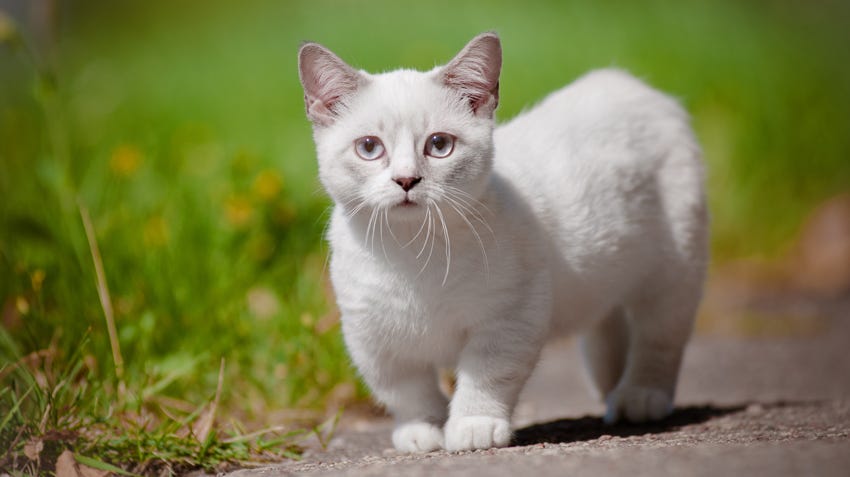
Are you thinking about bringing a Munchkin cat into your home? These adorable little cats with their short legs and playful personalities can quickly steal your heart.
But before you welcome one into your family, you probably want to know—do Munchkin cats have health problems? Understanding their health risks can help you keep your furry friend happy and safe for years to come. Keep reading to discover the key facts about Munchkin cat health and what you should watch out for to protect your new companion.

Credit: purebredkitties.com
Munchkin Cat Origins
Munchkin cats are known for their short legs and playful nature. Their unique look comes from a special genetic change.
Many people wonder if their short legs cause health problems. Understanding their origins helps answer this question.
Breed History
The Munchkin breed first appeared in the early 1990s. The breed started when a cat named “Blackberry” was found with short legs.
Breeders worked to create a healthy group of cats with this trait. They focused on keeping the cats active and friendly.
Genetic Mutation
Munchkin cats have a gene that causes shorter leg bones. This is called a genetic mutation affecting bone growth.
The mutation is a form of dwarfism. It does not usually cause serious health problems if the cat is cared for well.
- Short legs come from a dominant gene
- Not all kittens will have short legs
- Some may have normal leg length
- Breeders avoid breeding two short-legged cats together
Common Health Concerns
Munchkin cats are known for their short legs. This unique feature can lead to some health problems. It is important to know what issues they might face.
Two common health concerns for Munchkin cats are spinal issues and joint problems. Understanding these can help owners care for their pets better.
Spinal Issues
Munchkin cats may have spinal problems due to their short legs. The spine can become strained or misaligned. This may cause pain or difficulty moving.
- Lordosis: a condition where the spine curves downward
- Scoliosis: a sideways curvature of the spine
- Disc problems: damage to the discs between vertebrae
Regular check-ups with a vet can catch spinal issues early. Keeping the cat at a healthy weight also helps reduce stress on the spine.
Joint Problems
Joint problems are common in Munchkin cats because of their body structure. The joints may wear out faster than in other cats.
| Joint Problem | Description | Symptoms |
| Arthritis | Inflammation of the joints causing pain | Stiffness, limping, less activity |
| Patellar Luxation | Dislocation of the knee cap | Skipping steps, sudden limping |
| Hip Dysplasia | Abnormal formation of the hip joint | Difficulty jumping, pain in hips |
Proper diet and gentle exercise can help keep joints healthy. If a cat shows signs of joint pain, a vet visit is needed.
Genetic Disorders
Munchkin cats have a unique short-legged appearance. This trait comes from their genes. It can lead to health problems.
Understanding genetic disorders helps owners care better for their pets. It also guides breeders to make safe choices.
Potential Risks
Munchkin cats may face certain genetic health risks. These risks come from their short limbs and gene mutations.
- Lordosis: A condition where the spine curves downward abnormally.
- Pectus Excavatum: The chest bones sink in, causing breathing problems.
- Joint problems: Their short legs can cause arthritis or joint pain.
- Spinal issues: The spine may suffer from stress or injury due to leg shape.
Carrier Screening
Carrier screening tests help find cats carrying harmful genes. This helps stop passing on bad traits.
| Test Type | Purpose | Benefit |
| DNA Test | Identify gene mutations | Detect carriers before breeding |
| Health Screening | Check for spinal and joint issues | Early treatment and care |
| Genetic Counseling | Advise breeders | Reduce genetic diseases in kittens |

Credit: www.yahoo.com
Lifespan And Longevity
Munchkin cats are a unique breed known for their short legs. Many wonder if their health affects how long they live.
This section explains the average lifespan of Munchkin cats and what can influence their longevity.
Average Lifespan
Munchkin cats usually live between 12 and 15 years. This is similar to many other cat breeds.
With good care, some Munchkins can live even longer, reaching up to 16 years or more.
Factors Affecting Longevity
Several things affect how long a Munchkin cat will live. Health problems and daily care are important.
Genetics, diet, exercise, and regular vet visits all play a role in their lifespan.
- Genetic health issues like spinal problems can shorten life.
- A balanced diet keeps them strong and healthy.
- Regular exercise helps maintain a good weight.
- Routine veterinary care can catch problems early.
- Living indoors reduces risks from accidents and diseases.
Care Tips For Munchkin Cats
Munchkin cats are small and have short legs. This special body shape can cause some health problems. Proper care helps keep them healthy and happy.
Knowing how to feed and exercise your Munchkin cat is very important. Good care supports their unique needs and prevents issues.
Diet And Nutrition
Munchkin cats need a balanced diet for strong bones and muscles. High-quality cat food with protein helps them stay active.
Because of their short legs, they may have less energy. Avoid overfeeding to prevent weight gain, which can stress their joints.
- Feed high-protein cat food
- Choose food rich in vitamins and minerals
- Give measured portions to control weight
- Provide fresh water daily
- Limit treats to avoid extra calories
Exercise And Mobility
Munchkin cats need regular exercise to keep their muscles strong. Short legs can make jumping and running harder for them.
Encourage gentle play to improve their mobility. Use toys that they can chase or bat at without needing big jumps.
- Use wand toys for safe play
- Provide low platforms for climbing
- Encourage short play sessions daily
- Keep their nails trimmed to aid walking
- Watch for signs of joint pain or stiffness
Veterinary Advice
Munchkin cats are unique with their short legs. They can live happy lives with proper care. Regular veterinary visits help keep them healthy.
Your vet will check for common health issues. Early detection is key to prevent serious problems.
Regular Check-ups
Take your Munchkin cat to the vet at least once a year. These visits include health exams and vaccinations. Your vet may suggest more visits if your cat has health risks.
- Check joint and bone health
- Monitor weight and diet
- Update vaccinations
- Test for common diseases
- Discuss any behavior changes
Early Warning Signs
Watch your Munchkin cat closely for signs of illness. Early signs can help catch problems before they get worse.
| Warning Sign | What It Might Mean |
|---|---|
| Difficulty jumping or walking | Joint or bone pain |
| Loss of appetite | Digestive or dental issues |
| Excessive scratching | Skin allergies or parasites |
| Sudden weight changes | Metabolic problems |
| Changes in behavior | Stress or illness |
Comparing Munchkin Cats To Other Breeds
Munchkin cats have short legs due to a genetic mutation. This feature makes them look very different from most cat breeds.
It is important to understand how their health and personality compare to other cats. This helps in making good choices for pet owners.
Health Comparisons
Munchkin cats may face some health issues related to their body shape. Other breeds often have different risks.
| Breed | Common Health Issues |
| Munchkin | Spinal problems, joint pain |
| Siamese | Respiratory issues, dental disease |
| Persian | Eye infections, breathing problems |
| Maine Coon | Hip dysplasia, heart disease |
Temperament Differences
Munchkin cats are playful and social. Their short legs do not limit their activity or curiosity.
- Munchkin cats enjoy playing and exploring.
- Siamese cats are very vocal and demand attention.
- Persians are calm and prefer quiet environments.
- Maine Coons are friendly and good with children.

Credit: www.yahoo.com
Frequently Asked Questions
Do Munchkin Cats Have Genetic Health Issues?
Yes, Munchkin cats often face genetic health problems due to their short legs. They are prone to spinal disorders like lordosis and pectus excavatum, which affect their mobility and overall health.
Are Munchkin Cats Prone To Arthritis?
Munchkin cats are more likely to develop arthritis because of their short legs and altered bone structure. Regular vet check-ups and joint supplements can help manage symptoms and improve their quality of life.
How Long Do Munchkin Cats Typically Live?
Munchkin cats generally live between 12 to 15 years with proper care. Their lifespan depends on genetics, diet, exercise, and regular veterinary visits to detect health issues early.
Can Munchkin Cats Lead Active, Healthy Lives?
Yes, Munchkin cats can live active, healthy lives despite their short legs. They enjoy play and exercise but should avoid activities that strain their spine or joints to prevent injuries.
Conclusion
Munchkin cats are adorable with their short legs and playful nature. They can lead healthy lives with proper care and attention. Regular vet visits help catch any health issues early. Good nutrition and exercise keep them active and fit. Munchkins may face specific health challenges, but many live long, happy lives.
Choosing a reputable breeder can ensure healthier kittens. Love and care make a big difference in their wellbeing. As with all pets, understanding their needs is key. Munchkin cats bring joy and charm to any household.