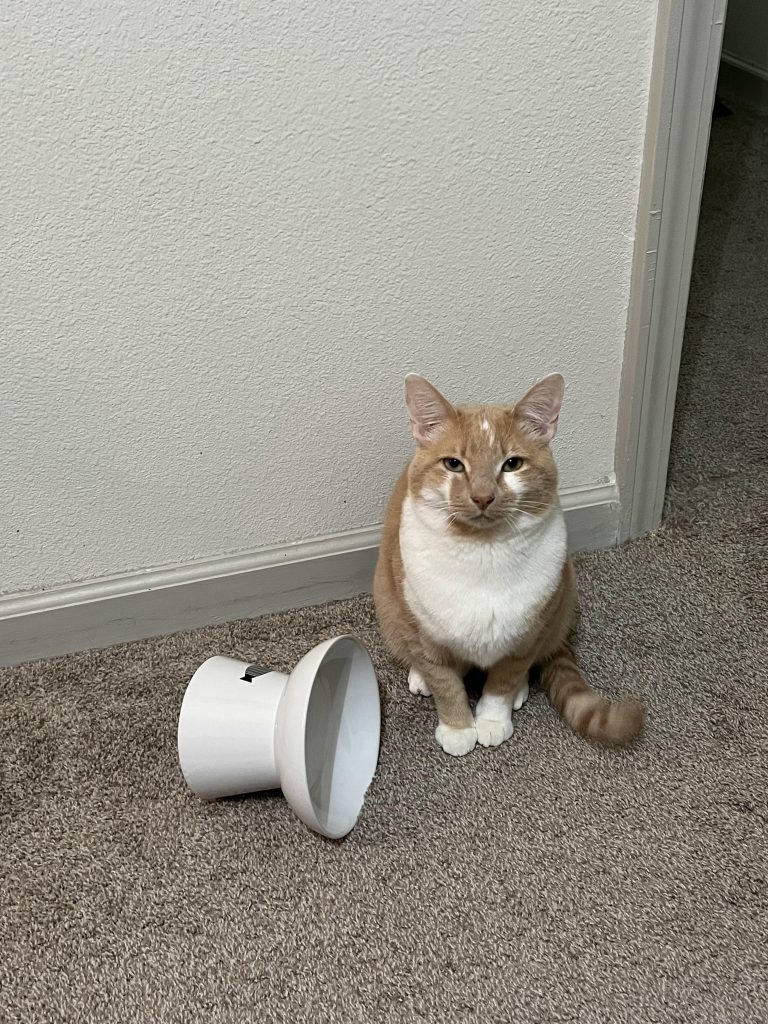
Are your nights constantly interrupted by your cat’s loud meows or restless pacing? You’re not alone.
Many cat owners struggle with demanding behavior when the house is supposed to be quiet and calm. But what if you could help your furry friend settle down and enjoy peaceful nights—so you can too? You’ll discover simple, effective ways to reduce your cat’s nighttime demands and reclaim your sleep.
Keep reading, because a quieter night is closer than you think.
Causes Of Nighttime Cat Demands
Cats often act restless or demanding at night. Understanding the causes helps manage their behavior.
Some reasons include natural activity cycles, hunger, attention needs, or health problems.
Natural Cat Activity Cycles
Cats are naturally more active during dawn and dusk. This means they may want to play or hunt at night.
This behavior comes from their wild ancestors who hunted in low light.
Hunger And Feeding Schedules
Cats that are hungry or used to eating late may wake up their owners at night.
- Feeding too early can make cats hungry at night.
- Irregular feeding times confuse their hunger cycles.
- Free feeding may cause overeating but reduce night demands.
Attention-seeking Behavior
Cats can demand attention to feel safe or avoid boredom. Nighttime is often quiet and lonely for them.
They might meow, paw, or jump on their owners to get interaction.
Medical Issues
| Medical Issue | Possible Nighttime Signs |
|---|---|
| Hyperthyroidism | Restlessness and increased activity |
| Arthritis | Discomfort causing vocalization |
| Urinary Problems | Frequent urination or accidents |
| Vision Loss | Confusion and anxiety at night |
Adjusting Feeding Routines
Many cats become demanding at night because they feel hungry. Changing their feeding routine can help reduce this behavior. Feeding your cat properly can make nights calmer for both of you.
Adjusting the time and type of food you give can satisfy your cat’s hunger. This helps your cat stay relaxed and less active during the night.
Establishing Consistent Meal Times
Cats like routine and feel safe when they know when to eat. Set fixed times for feeding your cat every day. This helps your cat expect food and reduces begging at night.
Feed your cat at the same times each day, especially in the morning and evening. Avoid skipping meals or changing times often.
Incorporating Late-night Feeding
Giving your cat a small meal late at night can help prevent hunger during sleep hours. This meal should be smaller than regular meals but enough to keep your cat full.
Late-night feeding can stop your cat from waking you up for food. Try to feed your cat right before you go to bed.
Choosing The Right Food
Choose food that keeps your cat full longer. Wet food or high-protein dry food can help your cat feel satisfied. Avoid food that is high in carbohydrates.
- Wet food contains more moisture and protein
- High-protein food helps keep hunger away
- Low-carb options prevent quick hunger return
Enhancing Daytime Engagement
Many cats act demanding at night because they are bored during the day. Increasing daytime activities helps reduce this behavior. Keeping your cat busy makes them more tired and calm at night.
Engaging your cat with fun and stimulating tasks can improve their mood. This also builds a stronger bond between you and your pet.
Interactive Play Sessions
Play sessions give your cat exercise and mental focus. Use toys that mimic prey, like feather wands or laser pointers. These encourage chasing and pouncing.
Try to play with your cat at least twice a day for 10 to 15 minutes. This helps burn off energy and reduces nighttime restlessness.
- Use toys that move or make noise
- Let your cat catch the toy sometimes
- End play sessions with a reward
Mental Stimulation Techniques
Mental challenges help keep your cat’s mind sharp. Puzzle feeders or treat-dispensing toys make your cat think. These toys slow down eating and keep cats busy.
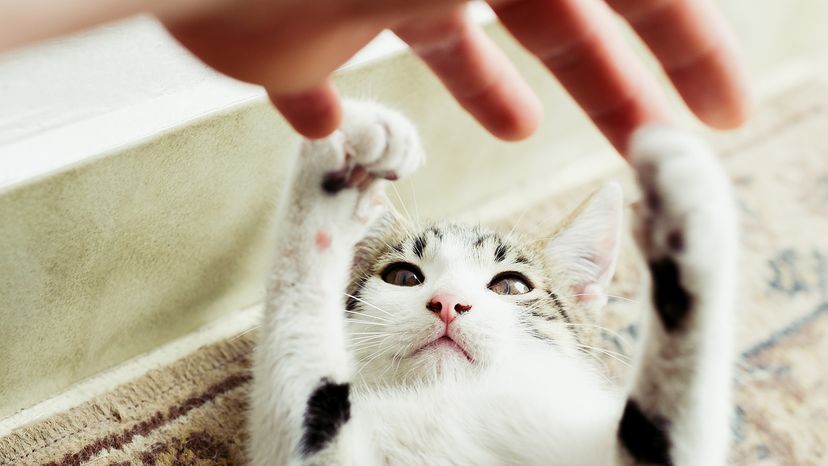
Training your cat to learn simple tricks can also provide mental exercise. Use treats and positive reinforcement to teach commands like “sit” or “high five.”
- Try puzzle feeders for meals
- Use treat-based training sessions
- Introduce new toys gradually
Providing Enrichment Toys
Enrichment toys offer new experiences for your cat. Toys like catnip mice, balls, or climbing structures keep them entertained. Rotating toys often keeps interest high.
Provide a variety of toys to meet different play styles. Some cats like to scratch, others prefer to hunt or explore. Enrichment helps reduce boredom and anxiety.
- Use scratching posts or pads
- Offer climbing trees or shelves
- Rotate toys every few days
Credit: animals.howstuffworks.com
Creating A Calming Night Environment
Many cats become active and demanding at night. This behavior can disrupt your sleep and increase stress for both you and your cat.
Creating a calm and peaceful night space helps reduce your cat’s nighttime activity. A soothing environment encourages rest for your cat.
Setting Up Comfortable Sleeping Areas
Provide your cat with a soft, warm bed in a quiet spot. Comfortable sleeping areas help your cat feel safe and relaxed.
Place beds away from busy rooms or loud noises. Cats like cozy corners where they can rest without being disturbed.
- Use soft blankets or cushions
- Choose a warm spot, like near a radiator
- Keep the area clean and free from clutter
- Offer multiple sleeping spots if you have more than one cat
Using Calming Scents Or Sounds
Certain scents and sounds can help your cat relax at night. These calming aids reduce anxiety and promote sleep.
Use scents made for cats, like feline pheromone sprays or diffusers. Gentle sounds such as soft music or white noise also work well.
- Try a pheromone diffuser near your cat’s bed
- Play soft classical or ambient music
- Use a white noise machine to mask sudden sounds
- Avoid strong smells that may upset your cat
Managing Lighting And Noise
Keep your cat’s sleeping area dim and quiet at night. Bright lights and loud noises can make cats restless and active.
Use blackout curtains to block street lights. Lower household noise by turning off TVs and closing doors to noisy rooms.
- Dim or turn off lights in your cat’s room
- Close windows to reduce outside noise
- Use soft rugs or curtains to absorb sound
- Keep doors closed to prevent noise from other rooms
Training And Behavior Modification
Many cats become demanding at night. They may meow loudly or scratch to get attention. Training helps change this behavior.
Behavior modification teaches cats to be calm and quiet. It takes patience and consistency. These methods reduce stress for both you and your cat.
Ignoring Attention-seeking Calls
Cats learn quickly if their meowing gets a response. Ignoring loud calls at night stops this behavior. Do not give attention when your cat is noisy.
Wait for quiet moments before giving your cat affection or treats. This teaches them quietness brings rewards, not loud meows.
Rewarding Quiet Behavior
Give treats or pet your cat when it stays calm and quiet. Rewarding good behavior helps your cat learn what you want. Use a soft voice and gentle touch.
- Offer treats after quiet periods
- Speak softly to encourage calmness
- Play with your cat when it is peaceful
Be consistent with rewards. Your cat will start choosing quietness over noise to get your attention.
Using Clicker Training
Clicker training uses a small sound device to mark good behavior. When your cat is quiet, click the device and give a treat. This links quietness with positive rewards.
Practice this daily in short sessions. The clicker helps your cat understand exactly when it behaves well. Over time, your cat will reduce demanding calls.

Credit: animals.howstuffworks.com
When To Consult A Veterinarian
Demanding behavior in cats at night can be tough to handle. Sometimes, this behavior signals a health problem.
Knowing when to seek help from a veterinarian can make a big difference for your cat’s well-being.
Identifying Health-related Causes
Some health issues cause cats to act restless or needy at night. Pain, discomfort, or illness may be the root cause.
- Look for signs like limping, vomiting, or changes in eating habits.
- Notice if your cat cries or meows more than usual.
- Check for unusual grooming or hiding behavior.
- Watch for weight loss or changes in litter box use.
Behavioral Therapy Options
Sometimes, cats need help to change their night behavior. Behavioral therapy can help calm your cat.
| Therapy Type | Description |
| Environmental Enrichment | Provide toys and playtime during the day. |
| Routine Adjustment | Set a consistent feeding and sleep schedule. |
| Positive Reinforcement | Reward calm behavior with treats or affection. |
| Ignore Demanding Behavior | Avoid giving attention to loud or needy actions. |
Medication Considerations
Your veterinarian may suggest medication for serious cases. Medicine can help if health or anxiety issues are present.
Common medication types include:
- Anti-anxiety drugs
- Pain relief medicine
- Sleep aids
Always follow your vet’s advice on dosage and use.

Credit: www.reddit.com
Frequently Asked Questions
Why Do Cats Become Demanding At Night?
Cats are naturally nocturnal and more active at night. They may seek attention or food. Lack of daytime play can increase nighttime demands.
How Can I Stop My Cat Waking Me At Night?
Establish a bedtime routine and ignore nighttime demands. Increase daytime play to tire your cat. Avoid feeding or playing during night interruptions.
What Toys Help Reduce Nighttime Cat Activity?
Interactive toys like laser pointers and puzzle feeders keep cats mentally and physically stimulated. Rotate toys regularly to maintain interest.
Does Feeding Schedule Affect Cat’s Night Behavior?
Yes, feeding cats a small meal before bedtime can reduce hunger-driven night activity. Avoid feeding right before sleep to prevent digestion issues.
Conclusion
Reducing demanding cat behavior at night improves everyone’s sleep. Consistency is key. Establish a bedtime routine to calm your feline friend. Offer toys and activities during the day to tire them out. Ensure their needs are met, like food and litter.
Create a comfortable sleeping space away from disturbances. Patience helps in training your cat. Gradually, changes will become habits. Enjoy peaceful nights and happy mornings. A well-rested cat means a happier home. Keep observing and adjusting as needed. Your efforts will lead to a calmer environment.
Peaceful nights are within reach.