
Finding the right cat food for your furry family can be a challenge, especially when you have more than one cat with different needs. You want the best for your pets, but with so many options available, it’s easy to feel overwhelmed.
How do you choose a food that keeps everyone happy and healthy? Imagine a world where mealtime is peaceful, and each of your cats eagerly awaits their delicious dish. You can achieve this harmony by selecting the best cat food for multiple cats.
This guide will help you navigate the options and make an informed choice that suits both your cats and your budget. Stick around to discover what factors you should consider and which brands top the list. By the end, you’ll know exactly how to keep your feline friends purring with satisfaction.
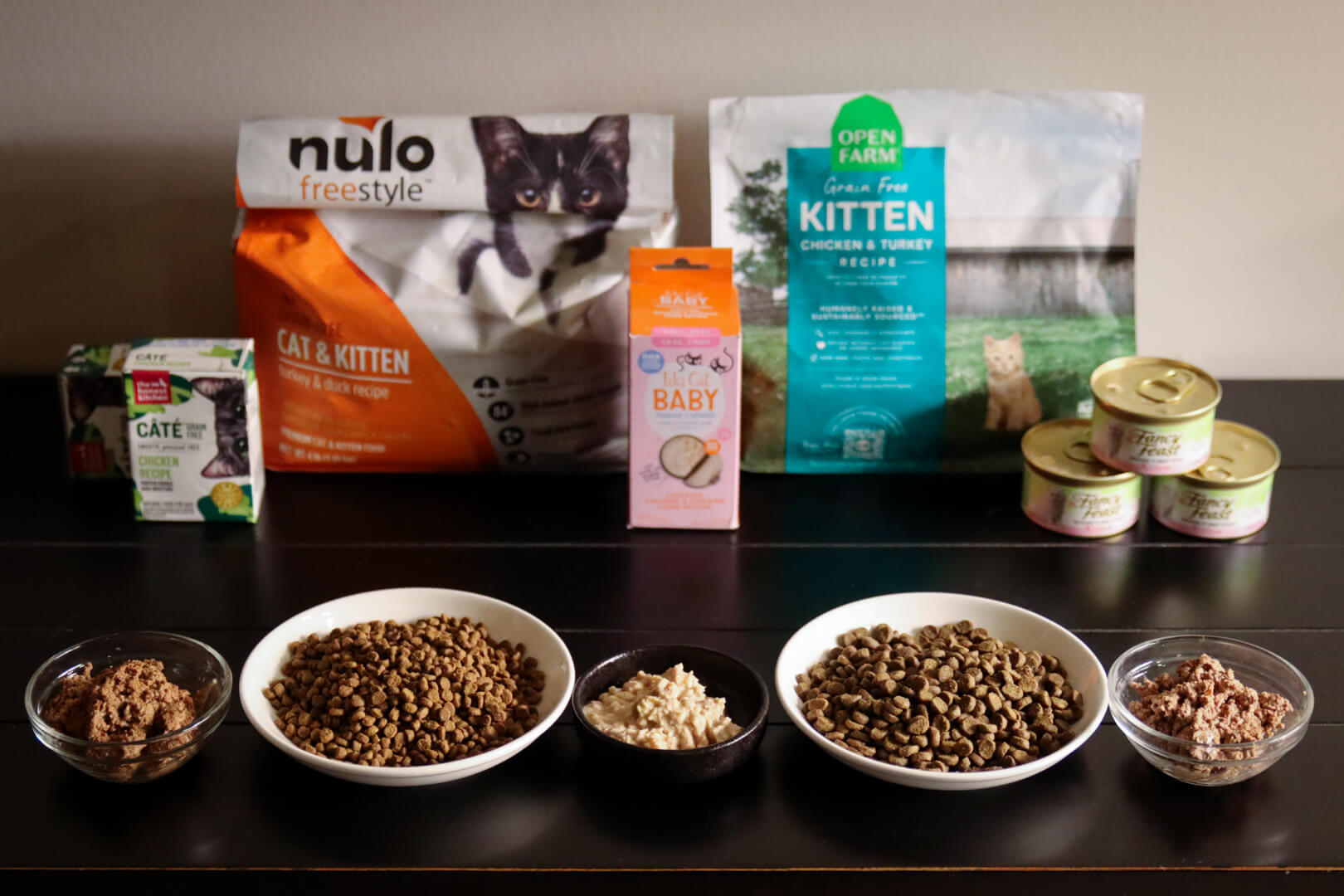
Credit: cats.com
Choosing Food For Multiple Cats
Feeding several cats can be challenging. Each cat has unique needs and tastes. Choosing the right food helps keep all cats healthy and happy.
This guide covers how to meet the needs of multiple cats through smart food choices. It focuses on nutrition, age differences, and food preferences.
Nutritional Needs Of Multiple Cats
Multiple cats need balanced nutrition to stay strong. Protein, fats, vitamins, and minerals are important for their health. Cats are carnivores and need animal-based proteins.
- Provide high-quality protein sources like chicken or fish.
- Ensure food has essential vitamins and minerals.
- Feed enough calories to support their energy levels.
- Include moisture-rich food to help with hydration.
- Adjust portions to prevent weight gain or loss.
Balancing Diets For Different Ages
Kittens, adults, and senior cats all have different dietary needs. Feeding the right food for each age keeps them healthy. Kittens need more calories and nutrients for growth. Seniors need food that supports joint health and digestion.
| Age Group | Key Nutrients | Feeding Tips |
| Kittens | High protein, DHA, calcium | Feed small meals often, choose growth formulas |
| Adult Cats | Balanced protein and fat | Feed according to activity level, maintain weight |
| Senior Cats | Low fat, joint support, fiber | Choose easy-to-digest food, monitor kidney health |
Managing Food Preferences And Allergies
Cats can be picky eaters and may have allergies. Watch for signs like itching or upset stomach. Offer different food textures and flavors to find what they like. Avoid ingredients that cause allergies.
Tips to manage food preferences and allergies:
- Test new foods one at a time.
- Use limited ingredient diets if allergies appear.
- Separate feeding areas to avoid food stealing.
- Consult a vet for allergy testing.
- Keep a food diary to track reactions.
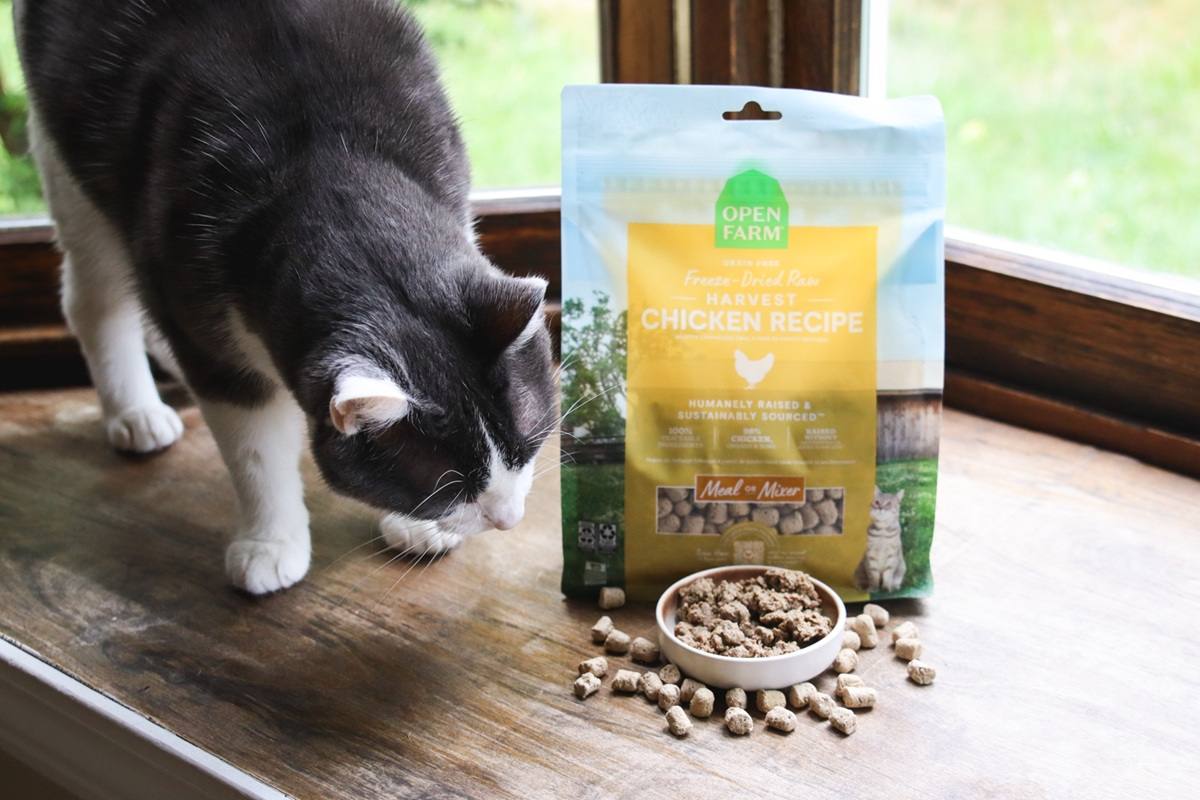
Credit: cats.com
Top Cat Food Types
Feeding multiple cats needs careful food choices. Each type of cat food has different benefits.
Knowing the types helps you pick the best food for your cats’ health and happiness.
Dry Kibble Benefits And Drawbacks
Dry kibble is easy to store and serve. It helps keep cats’ teeth clean by reducing plaque.
Some cats may not drink enough water with dry food. It can be less tasty for picky eaters.
- Benefits:
- Long shelf life
- Affordable for many cats
- Good for dental health
- Drawbacks:
- Low moisture content
- May cause dehydration
- Less appealing smell and taste
Wet Food Advantages
Wet food has more water, which helps cats stay hydrated. It usually smells and tastes better to cats.
Wet food can help cats who eat less or have dental problems. It is often higher in protein than dry food.
- Advantages:
- High moisture content
- More appealing flavor
- Good for picky or older cats
Raw And Homemade Options
Raw and homemade food lets you control ingredients. Many owners like to prepare fresh meals for their cats.
These options need care to keep food safe and balanced. Consult a vet before choosing raw or homemade diets.
- Raw and Homemade Benefits:
- Fresh ingredients
- Customizable to cat needs
- No fillers or artificial additives
- Considerations:
- Risk of bacterial contamination
- Need balanced nutrition
- Time-consuming preparation
Best Cat Food Brands For Multiple Cats
Feeding multiple cats requires careful food choices. The right food helps keep all cats healthy and happy.
Choosing good cat food brands ensures balanced nutrition for your cats. It saves time and money in the long run.
Premium Brands With Balanced Nutrition
Premium cat food brands offer well-rounded nutrition for cats of all ages. They use high-quality ingredients and avoid fillers.
These foods support healthy skin, shiny coats, and strong muscles. They often include vitamins and minerals cats need daily.
- Blue Buffalo
- Hill’s Science Diet
- Wellness CORE
- Orijen
- Royal Canin
Budget-friendly Quality Choices
Good cat food does not always cost a lot. Some brands balance price and quality well for multiple cats.
These options provide enough nutrients without breaking your budget. They suit cat owners with many cats.
- Purina ONE
- Friskies
- 9Lives
- Iams
- Natural Balance
Specialty Formulas For Health Issues
Some cats have health problems that need special diets. Specialty cat foods help manage these conditions.
These formulas support kidney health, weight control, or sensitive digestion. Always check with a vet first.
- Hill’s Prescription Diet
- Royal Canin Veterinary Diet
- Blue Buffalo Natural Veterinary Diet
- Purina Pro Plan Veterinary Diets

Credit: cats.com
Feeding Tips For Multi-cat Households
Feeding several cats in one home needs careful planning. Each cat may have different needs and habits. Making mealtime calm and fair helps keep peace.
Use these tips to manage feeding time. They help stop fights and ensure all cats eat well.
Preventing Food Aggression
Food aggression can cause stress and injuries. Watch your cats for signs like growling or blocking others. Separate feeding areas reduce tension. Give each cat its own bowl and space.
- Feed cats in different rooms or corners.
- Use barriers if needed to keep cats apart.
- Feed shy cats first to reduce stress.
- Stay calm and avoid sudden movements near food.
- Do not punish aggressive behavior; stay patient.
Portion Control Strategies
Proper portions keep cats healthy and prevent overeating. Use the feeding guide on your cat food package. Adjust based on age, weight, and activity level. Avoid free feeding to control intake.
| Cat Type | Daily Portion | Notes |
| Kitten | 1/3 to 1/2 cup | Feed 3-4 times daily |
| Adult | 1/4 to 1/3 cup | Feed 2 times daily |
| Senior | 1/4 cup | Monitor weight closely |
Feeding Schedule Recommendations
Keeping a regular feeding schedule helps cats feel secure. Feed all cats at the same time daily. This reduces fights and helps track their eating habits.
- Set fixed meal times in the morning and evening.
- Remove uneaten food after 20 minutes.
- Offer fresh water with every meal.
- Observe each cat’s appetite and behavior.
- Adjust feeding times for special needs or vet advice.
Monitoring Health And Happiness
Feeding multiple cats means watching their health and mood closely. Good food helps keep them happy and strong.
Different cats may need different diets. Pay attention to how they act and look to adjust their food well.
Signs Of Nutritional Deficiency
Look for changes in your cats that could show poor nutrition. These signs help you know when to change their food.
Watch for dull fur, weight loss, or low energy. These may mean your cats lack important vitamins or minerals.
- Dull or brittle coat
- Weight changes
- Less play or activity
- Digestive problems like vomiting or diarrhea
- Changes in appetite
Adjusting Diets Based On Behavior
Each cat shows how it feels through behavior. Use this to decide if their food is right or needs a change.
If one cat eats too fast or seems hungry all the time, try different feeding times or types of food. Watch how they react.
- Feed smaller portions more often
- Separate feeding areas to reduce stress
- Try wet food for cats with low water intake
- Observe changes after diet adjustments
Regular Vet Checkups
Vet visits help catch health problems early. They check if your cats get the right nutrients and stay healthy.
Schedule checkups every six months or as the vet suggests. Bring notes about your cats’ eating and behavior changes.
- Discuss diet and weight with the vet
- Ask about supplements if needed
- Get advice on feeding multiple cats
- Monitor vaccinations and parasite control
Frequently Asked Questions
What Is The Best Cat Food For Multiple Cats?
The best cat food for multiple cats should be nutritionally balanced and suitable for all age groups. It must support healthy weight, digestion, and energy. Choose formulas with high protein, essential nutrients, and no fillers. Feeding multiple cats requires convenient packaging and portion control options.
How To Choose Cat Food For Different Cat Ages?
Select a cat food formula labeled for all life stages or one suitable for the youngest cat. Older cats may need senior-specific nutrients. Ensure the food meets the nutritional needs of kittens, adults, and seniors in your multi-cat household for balanced health.
Can Multiple Cats Share The Same Cat Food?
Yes, multiple cats can share the same food if it meets all their nutritional needs. Choose a well-balanced, complete diet suitable for all cats. Monitor individual preferences and health conditions to ensure each cat thrives on the shared food.
How To Prevent Food Aggression Among Multiple Cats?
Feed cats separately or use multiple feeding stations to reduce competition. Maintain consistent feeding schedules and avoid overcrowding. Providing each cat with individual bowls helps prevent food aggression and stress in multi-cat homes.
Conclusion
Choosing the right cat food keeps all your cats happy and healthy. Balanced nutrition supports their energy and growth every day. Feeding multiple cats needs careful planning and quality ingredients. Watch how your cats respond to new food types. Small changes can make a big difference in their well-being.
Trust your instincts and observe their health closely. Good food helps your cats live long, joyful lives together. Take time to find options that suit all your cats. Healthy cats mean a happy home for everyone.