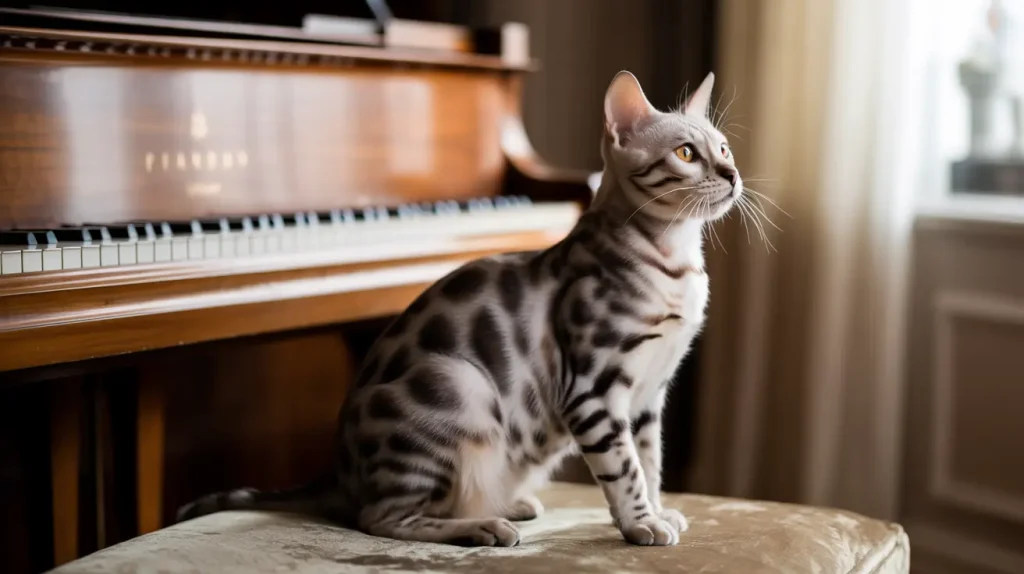
Have you ever wondered if the music playing in your home affects your cat’s behavior? As you settle in to relax with your favorite tunes, you might notice your feline friend acting differently.
Some cats seem to purr along, while others might retreat to a quieter spot. But what is it about music that could influence your cat’s mood and actions? Understanding this connection could help you create a more harmonious environment for both you and your beloved pet.
Dive into this fascinating topic with us and discover how different types of music might be shaping your cat’s world. Get ready to unlock the secrets of your cat’s musical tastes and how they impact their daily life.
Credit: basepaws.com
Music And Cat Behavior
Music can influence how cats act and feel. Different sounds may change their mood or energy.
Understanding how music affects cats helps owners create a calm or playful environment.
How Cats Perceive Sound
Cats hear higher tones better than humans. They listen for sounds that show danger or food.
Sounds with certain rhythms or pitches catch their attention more than others.
- Cats hear sounds up to 64 kHz, higher than humans
- They notice small changes in sound quickly
- Low-frequency sounds may not interest them much
- Sudden loud noises can startle cats
Common Cat Reactions To Music
Cats show different reactions to music based on the type and volume. They may relax or become curious.
Some cats may ignore music, while others respond by moving or making sounds themselves.
- Soft classical music often calms cats
- Loud or fast music can make cats restless
- Some cats may purr or knead when they like music
- Unfamiliar sounds might cause cats to hide
Credit: www.feliway.co.uk
Types Of Music Cats Prefer
Many cat owners wonder if music can affect their cat’s mood. Cats hear sounds differently than humans do. Certain types of music may calm them or make them more alert.
Scientists have studied how different sounds influence cat behavior. Some music styles seem to suit cats better than others. This guide explores three types that cats often like.
Classical Music Effects
Classical music has gentle melodies and smooth rhythms. These qualities often relax cats and reduce their stress. Many shelters play classical music to calm frightened cats.
- Soft piano pieces
- Slow string instrument music
- Light orchestral sounds
Nature Sounds And Cat Calmness
Sounds from nature can soothe cats. Birds chirping, water flowing, and gentle wind sounds create a peaceful environment. These sounds remind cats of the outdoors and feel safe.
| Nature Sound | Effect on Cats |
| Bird Chirping | Increases curiosity and calmness |
| Flowing Water | Promotes relaxation and reduces anxiety |
| Gentle Wind | Creates a soothing background |
Music Designed For Cats
Some music is made specifically for cats. These tracks use sounds and rhythms close to cat vocalizations. The music can make cats feel comfortable and happy.
- Use purring sounds mixed with soft melodies
- Include tempos similar to a cat’s heartbeat
- Avoid loud or harsh noises
Music’s Impact On Cat Stress
Music can change how cats feel. It can make them calm or more stressed. Scientists study how sound affects cat behavior.
Understanding music’s role helps pet owners and vets reduce cat anxiety. Different sounds can have different effects.
Reducing Anxiety Through Sound
Soft and slow music helps cats relax. It lowers their heart rate and breathing. Cats feel safe when they hear gentle sounds.
- Classical music with a slow tempo
- Sounds with low frequencies
- Music with simple patterns
- Consistent rhythm without loud changes
Music In Veterinary Settings
Veterinarians play calming music during exams. It helps cats stay still and less scared. Music lowers stress hormones in cats.
| Type of Music | Effect on Cats |
| Classical | Reduces anxiety |
| Pop | Neutral |
| Loud Rock | Increases stress |
| Cat-specific music | Promotes relaxation |
Credit: basepaws.com
Behavioral Changes Triggered By Music
Music can change how cats act. Different sounds and rhythms affect their mood and behavior.
Some cats become more active, while others may calm down. Understanding these changes helps cat owners.
Playfulness And Activity Levels
Music with a fast beat often makes cats more playful. They may run, jump, or chase toys more.
Slow or soft music can reduce activity. Cats might rest but still stay alert and curious.
- Upbeat tunes increase energy and play.
- Soft melodies lower activity levels.
- Sudden loud sounds may cause stress or fear.
Sleep Patterns And Relaxation
Gentle music helps cats relax and fall asleep faster. It can improve their sleep quality.
Calming sounds reduce anxiety and make cats feel safe in their environment.
- Soft classical music promotes deep sleep.
- Nature sounds can soothe restless cats.
- Loud or harsh music may disturb sleep.
Tips For Using Music With Cats
Music can influence how cats feel and act. Playing music for your cat can help calm them or keep them entertained.
It is important to use music in ways that make your cat comfortable and happy. Try different ideas to see what works best.
Choosing The Right Volume
Keep the music volume low. Cats have sensitive ears and loud sounds can scare them. Soft music helps them relax.
- Play music at a quiet level, below normal conversation.
- Avoid sudden loud noises in the music.
- Watch your cat’s reaction to the volume.
Timing Music Sessions
Choose the best time for music sessions. Play music when your cat is calm or resting. Avoid playing music during their active playtime.
| Time of Day | Music Suggestion |
| Morning | Soft and slow music |
| Afternoon | Light and gentle tunes |
| Evening | Relaxing and quiet sounds |
Observing Cat Preferences
Watch how your cat reacts to different types of music. Some cats like classical music, while others prefer nature sounds.
- Note if your cat comes closer or moves away.
- Try different music styles like jazz, classical, or soft pop.
- Stop the music if your cat seems stressed.
Frequently Asked Questions
Does Music Calm Anxious Cats?
Yes, soothing music can reduce anxiety in cats. Soft classical or ambient tunes help create a relaxing environment and lower stress levels in many felines.
What Types Of Music Do Cats Prefer?
Cats generally prefer soft, slow-tempo music with simple melodies. Classical and instrumental music often appeal more to cats than loud or complex sounds.
Can Loud Music Harm Cat Behavior?
Loud music can cause stress and agitation in cats. It may lead to hiding, excessive meowing, or aggressive behavior, so volume should be kept low.
How Does Music Influence Cat Activity Levels?
Music can either stimulate or calm cats depending on the tempo. Upbeat music may encourage play, while slower tunes promote rest and relaxation.
Conclusion
Music can influence how cats feel and act. Calm tunes often help cats relax and feel safe. Loud or fast music might make them nervous or restless. Each cat reacts in its own way to sounds. Trying different music can help find what suits your cat best.
Pay attention to their behavior while playing music. This simple step can improve your cat’s mood and comfort. Music is a gentle tool to connect with your pet. Small changes can make a big difference in their day.