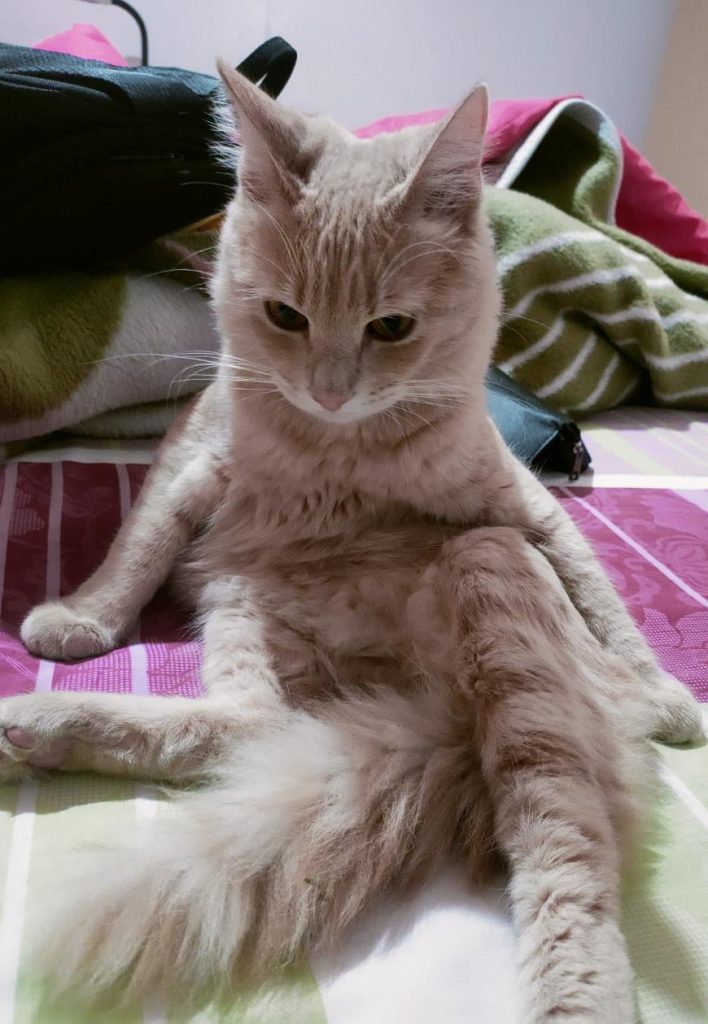
Have you ever wondered if neutering your cat might change its behavior? You’re not alone.
Many cat owners are curious about how this medical procedure affects their furry friends. You might have noticed your cat acting out or marking territory around the house, and you’re searching for solutions. Neutering is often suggested as a remedy for these common issues.
But will it really make a difference? Before you make this important decision, it’s crucial to understand the potential behavioral changes that can occur. Stick around as we dive into what you can expect post-neutering and how it could improve life for both you and your cat.
Behavior Changes After Neutering
Neutering a cat can lead to noticeable behavior changes. These changes help make cats calmer and easier to live with. Understanding what to expect helps owners care for their pets better.
Many cat behaviors are driven by hormones. Neutering reduces these hormones, which can change how cats act in several ways.
Reduction In Aggression
Neutered cats often show less aggression. They are less likely to fight with other cats. This happens because neutering lowers testosterone levels, which affect aggressive behavior.
- Less biting and scratching during play or conflict
- Lower chance of territorial fights
- Calmer interactions with other pets
Decrease In Roaming Tendencies
Cats that are neutered tend to roam less. Unneutered cats often wander far to find mates. After neutering, this drive is reduced, so cats stay closer to home.
| Behavior | Before Neutering | After Neutering |
| Roaming Range | Wide, searching for mates | Smaller, stays near home |
| Risk of Injury | Higher due to fights and accidents | Lower with less roaming |
| Stress Level | Higher from traveling and fights | Lower and more relaxed |
Impact On Marking And Spraying
Neutering usually lowers marking and spraying. These behaviors are ways cats show territory and attract mates. With fewer hormones, cats mark less inside and outside the home.
Common signs of marking and spraying include:
- Spraying urine on walls or furniture
- Rubbing face and body on objects
- Leaving strong-smelling spots
Neutering reduces these actions, making homes cleaner and less smelly.
Effects On Playfulness And Activity
Neutering a cat can affect how it behaves. Many owners wonder if their cat will still play and stay active. Changes in hormones may change a cat’s energy and interests.
Understanding these changes helps owners care for their pets better. This guide looks at two key areas: energy levels and hunting instincts.
Changes In Energy Levels
Neutering usually lowers a cat’s hormone levels. This often leads to a drop in energy. Cats may play less or rest more than before.
- Neutered cats tend to be calmer indoors.
- They may enjoy quieter play like chasing toys.
- High-energy bursts may become less frequent.
- Some cats gain weight due to less activity.
Influence On Hunting Instincts
Hunting is a natural behavior for cats. Neutering can reduce the urge to roam and hunt. This change helps keep cats safer at home.
| Behavior | Before Neutering | After Neutering |
| Hunting Drive | High | Lower |
| Roaming Range | Wide | Smaller |
| Territorial Marking | Frequent | Reduced |
Neutering And Social Behavior
Neutering cats changes many parts of their social behavior. It often calms them and reduces aggression.
Understanding these changes helps cat owners manage their pets better.
Interactions With Other Cats
Neutered cats usually show less fighting and marking. They are less likely to roam far from home.
- Reduced fighting and territorial disputes
- Less spraying to mark territory
- Lower chance of roaming and getting lost
- More peaceful group living with other cats
Bonding With Humans
Neutering can make cats more relaxed and friendly toward people.
| Behavior | Before Neutering | After Neutering |
|---|---|---|
| Seeking attention | Sometimes distant | More affectionate |
| Playfulness | High but sometimes rough | Gentler and more consistent |
| Sleeping habits | Restless at times | More calm and steady |

Credit: www.reddit.com
Health Benefits Linked To Behavior
Neutering cats affects their health and behavior in many ways. It helps reduce some health risks.
This article looks at how neutering lowers disease risks and improves behavioral well-being.
Lower Risk Of Certain Diseases
Neutering lowers the chance of some serious diseases in cats. It helps keep them healthier for longer.
- Reduces risk of testicular cancer in male cats
- Decreases chance of uterine infections in female cats
- Lowers hormone-driven cancers like prostate problems
- Prevents some infections caused by mating behaviors
Behavioral Health And Well-being
Neutering can calm cats and reduce stress-related behaviors. It helps them live a balanced life.
| Behavioral Change | Effect of Neutering |
| Marking territory with urine | Greatly reduced |
| Aggression towards other cats | Less frequent |
| Roaming and escaping | Decreased |
| Restlessness and anxiety | Improved calmness |
Common Misconceptions About Neutering
Many people have wrong ideas about how neutering affects cat behavior. These ideas often scare owners from neutering their pets.
It is important to understand what neutering really does to a cat’s behavior. This helps owners make good choices for their cats.
Myth: Neutering Makes Cats Lazy
Some people think neutering will make cats stop playing or moving. They worry their cats will become lazy after neutering.
Neutering does not make cats lazy by itself. Cats may slow down a bit as they get older. This is normal for all cats.
Neutered cats still enjoy playing and being active. They can run, jump, and explore just like before.
Myth: Neutered Cats Lose Their Personality
Some owners think neutering changes a cat’s true personality. They fear their cats will become less friendly or less loving.
Neutering does not change who a cat really is. It can reduce some behaviors like marking or fighting. These are caused by hormones.
The cat’s basic personality, like being playful or cuddly, stays the same after neutering.
Timing And Its Impact On Behavior
Neutering a cat can change its behavior. The age when you neuter your cat matters for these changes.
Understanding early and late neutering helps pet owners make smart choices for their cats.
Early Vs. Late Neutering Effects
Early neutering usually happens before six months of age. Late neutering takes place after the cat reaches puberty.
Cats neutered early often show less aggression and fewer marking behaviors. Late neutering may not stop some adult behaviors.
- Early neutering reduces roaming and fighting
- Late neutering may not stop spraying or aggression
- Early neutering helps with calmer social behavior
- Late neutering can still reduce some sexual behaviors
Long-term Behavioral Outcomes
Neutering affects cat behavior over the years. Early neutering often leads to better long-term behavior.
Cats neutered early tend to be less aggressive and less likely to spray. Late neutering may not fully prevent these habits.
- Early neutering lowers chances of aggressive behavior
- Early neutering reduces urine marking long-term
- Late neutering still helps but less completely
- Early neutering supports calmer and friendlier cats
Tips For Managing Behavior Post-neutering
Neutering can cause changes in a cat’s behavior. Some cats may become calmer or less aggressive. It is important to manage these changes well.
These tips help you support your cat’s health and happiness after neutering. Proper care can make behavior changes easier to handle.
Encouraging Healthy Activity
After neutering, cats may feel less active. Encourage playtime to keep them moving and healthy. Use toys or simple games to get them interested.
Regular exercise helps keep weight down and reduces stress. It also helps your cat stay alert and happy.
- Offer toys like balls, feathers, or laser pointers
- Set aside time daily for play sessions
- Create climbing spaces or scratching posts
- Use treats to reward active behavior
Addressing Behavioral Changes
Neutering may reduce aggression or marking, but some cats might feel confused or anxious. Watch your cat closely to notice changes early.
Be patient and gentle. Provide a calm environment and avoid loud noises. If problems continue, consult a vet for advice.
- Keep a consistent routine for feeding and play
- Give your cat quiet places to rest
- Use positive reinforcement for good behavior
- Consult your vet if behavior worsens

Credit: www.petscare.com

Credit: www.whiskas.me
Frequently Asked Questions
Does Neutering Affect A Cat’s Aggression Levels?
Neutering often reduces aggression in cats by lowering testosterone. It calms territorial behavior and decreases fights. However, individual results may vary based on personality and environment.
Will Neutering Change A Cat’s Roaming Habits?
Neutered cats usually roam less. They lose the urge to find mates, reducing their wandering tendencies. This helps keep them safer indoors or nearby.
How Soon After Neutering Does Behavior Change?
Behavior changes can appear within days to weeks post-surgery. Cats become calmer and less restless as hormones balance out. Full adjustment may take a few weeks.
Does Neutering Impact A Cat’s Playfulness?
Neutering does not reduce playfulness. Cats remain active and social but show less aggression. Play behavior typically continues as normal or improves.
Conclusion
Neutering can change some cat behaviors, but not all. It often reduces aggression and roaming. Cats may become calmer and less likely to mark territory. Still, each cat reacts differently to neutering. Behavior depends on many factors, including personality and environment.
Neutering helps control the cat population too. It supports healthier, happier lives for cats. Understanding these changes helps owners care better. Think of neutering as one step in overall cat care. Observing your cat after surgery shows what changes to expect.
Stay patient and give your cat time to adjust.