Have you ever noticed your orange cat acting in ways that make you wonder what’s really going on inside their furry head? Understanding your orange cat’s behavior can unlock secrets about their feelings, needs, and personality.
Whether your cat is purring loudly, playfully chasing shadows, or suddenly hiding in a corner, these actions mean more than you might think. By learning what these behaviors mean, you’ll strengthen your bond and make your home a happier place for both of you.
Keep reading to discover the surprising truths behind your orange cat’s unique behavior.
Traits Of Orange Cats
Orange cats have unique traits that make them stand out. Their behavior often reflects their bright color.
Understanding orange cat behavior helps owners enjoy their pets more. These cats have common personality features, social tendencies, and energy levels.
Common Personality Features
Orange cats tend to be friendly and affectionate. They often seek attention and enjoy being near people.
Many orange cats show curiosity and playfulness. They like to explore and interact with their environment.
- Affectionate and loving
- Curious and playful
- Confident and outgoing
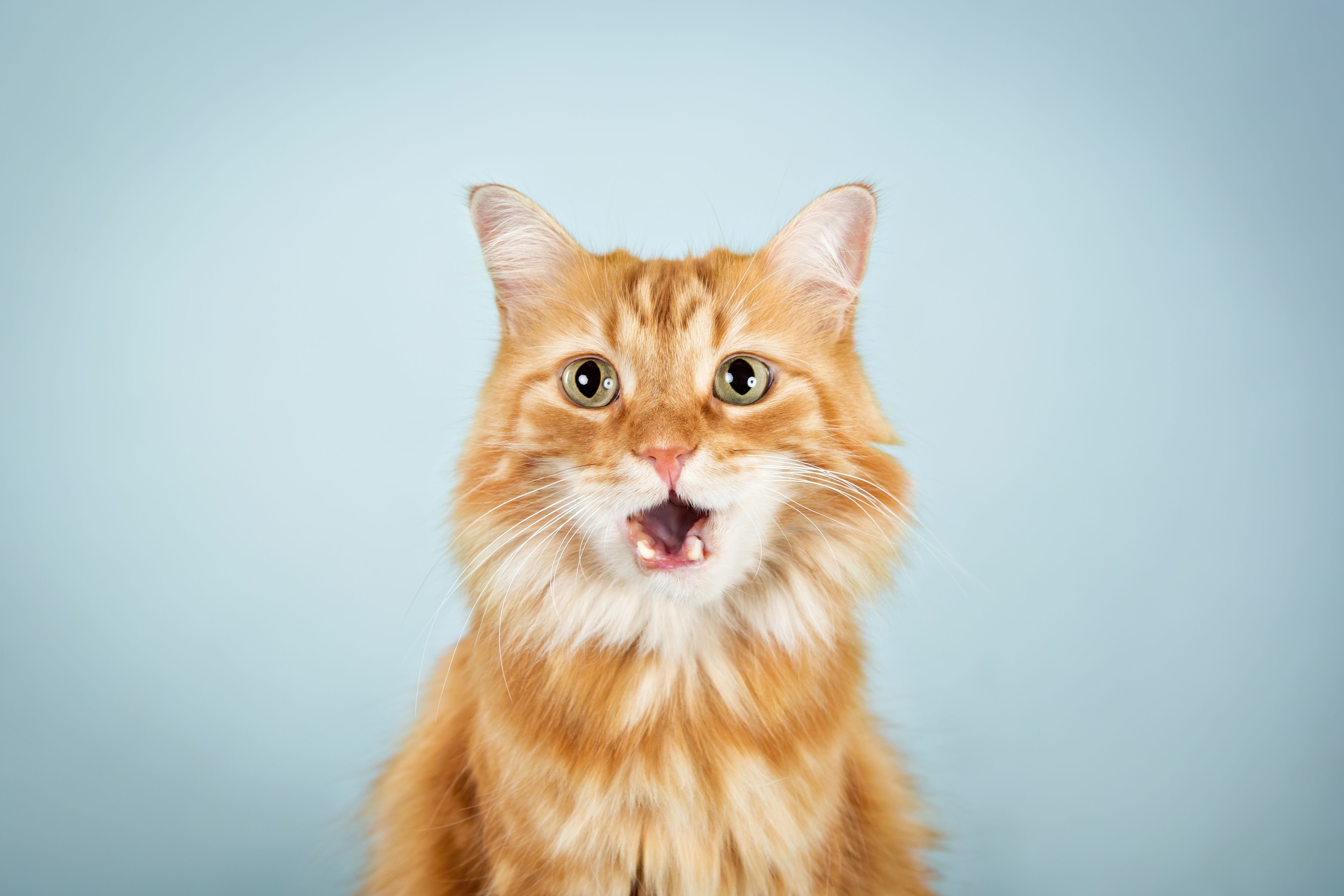
- Sometimes vocal and expressive
Social Tendencies
Orange cats usually enjoy socializing with humans and other pets. They often form strong bonds with their owners.
These cats can be friendly with strangers but may also show independence at times. They like to be part of family activities.
- Friendly with family members
- Often good with other pets
- Enjoy human attention
- Can be independent sometimes
Energy Levels
Orange cats have moderate to high energy levels. They enjoy playing and running around but also like resting.
These cats need regular playtime to stay healthy and happy. They respond well to toys and interactive games.
- Playful and active
- Enjoy interactive toys
- Need regular exercise
- Also enjoy quiet rest
Credit: www.nationalgeographic.com
Behavior Patterns To Watch
Orange cats have unique behaviors that show their mood and personality. Watching these patterns helps you understand them better.
Each orange cat has its own way of acting. Recognizing common behaviors can improve your bond with them.
Playfulness And Curiosity
Orange cats are often lively and curious. They like to explore new things and enjoy playtime.
They chase toys, pounce on objects, and investigate small spaces. This keeps their mind active and body healthy.
- Chasing moving objects like strings or lights
- Pawing at new or interesting items
- Exploring boxes, bags, or small corners
- Sudden bursts of running around the house
Affection And Bonding
Orange cats often show strong affection to their owners. They like to be near and enjoy gentle petting.
They may follow you around or sit on your lap. Purring and kneading are signs they feel safe and happy.
- Rubbing their head or body against you
- Slow blinking to show trust
- Sleeping close or on you
- Soft purring during petting
Communication Styles
Orange cats use sounds and body language to talk. Listening helps you know what they want or feel.
They may meow, chirp, or make other noises. Tail position, ear movements, and eye contact also send messages.
- Short meows to greet or ask for attention
- Chirps or trills when excited
- Tail held high means confidence
- Flattened ears show fear or anger
- Direct eye contact can mean trust or challenge
Influence Of Genetics
Orange cat behavior is often linked to their genes. Genetics influence how cats act and their personality traits.
Understanding genetics helps explain why orange cats may behave differently from others.
Role Of Coat Color Genes
Coat color genes control the orange color in cats. These genes can affect their mood and behavior.
The gene responsible for orange fur is linked to some traits like friendliness and playfulness.
- Orange cats often show more social behavior
- They may be more active and curious
- Coat color genes can influence temperament
Gender And Behavior Links
Most orange cats are male because the orange gene is on the X chromosome. This affects behavior.
Male orange cats tend to be more outgoing and confident. Female orange cats may act differently.
- About 80% of orange cats are male
- Male orange cats often show bold behavior
- Female orange cats may be shy or calm
Environmental Impact
Orange cats show behaviors influenced by their surroundings. Their environment shapes how they act every day.
Understanding these effects helps owners care better for their pets. Environment plays a key role in their mood and habits.
Effect Of Upbringing
How an orange cat is raised affects its behavior a lot. Early care teaches the cat what to expect from the world.
- Cats raised with gentle handling tend to be calm.
- Lack of social interaction can make cats shy or scared.
- Consistent routines help cats feel safe and relaxed.
- Exposure to different sounds and places builds confidence.
Interaction With Other Pets
Orange cats often change behavior based on other pets nearby. Their reactions depend on the type and number of pets around.
| Type of Pet | Common Cat Behavior |
| Dog | Curious but cautious; may hide at first |
| Another Cat | Playful or territorial, depends on personality |
| Small Rodents | Chasing or ignoring, based on hunting instincts |
| Birds | Alert and watchful; may try to catch |
Common Misconceptions
People often believe certain things about orange cats that are not true. These ideas come from stories and old beliefs.
This section will clear up some myths and explain what orange cat behavior really means.
Myths About Orange Cats
Many people think orange cats are always friendly and outgoing. This is not true for every cat.
Another myth is that orange cats are only male. While most orange cats are male, some are female too.
- All orange cats are friendly
- Orange cats are always male
- Orange cats are lazy
- Orange cats have the same personality
Separating Fact From Fiction
Orange cat behavior can vary a lot. Their color does not decide their personality.
Most orange cats are male because of genetics. But females with this color exist. Each cat is unique in how it acts.
- Personality depends on the cat’s life and care
- Orange color comes from a gene linked to males
- Not all orange cats are friendly or lazy
- Each cat’s behavior is different

Credit: www.reddit.com
Tips For Owners
Orange cats have unique behaviors that reflect their personality. Understanding these can help you care for them better.
Knowing how to support good traits and handle problems makes your cat happy and healthy.
Enhancing Positive Traits
Orange cats are often friendly and playful. Encourage these traits with regular attention and playtime.
- Spend time daily playing with your cat using toys.
- Give gentle praise and petting when your cat is calm.
- Provide cozy spots for your cat to relax.
- Use treats to reward good behavior.
- Keep a consistent routine to reduce stress.
Addressing Behavioral Issues
Sometimes orange cats show unwanted behaviors like scratching or loud meowing. Address these early to avoid problems.
| Behavior | Cause | Solution |
| Excessive scratching | Boredom or lack of scratching posts | Provide scratching posts and trim nails regularly |
| Loud meowing | Seeking attention or hunger | Feed on schedule and give attention at set times |
| Hiding or aggression | Stress or illness | Visit vet and create calm environment |
Credit: pethelpful.com
Frequently Asked Questions
What Does Orange Cat Behavior Indicate About Their Personality?
Orange cats are often friendly, social, and affectionate. Their behavior suggests they enjoy human interaction and are generally outgoing. They tend to be playful and curious, making them great companions. Their warm coat color may also reflect their warm and loving nature.
Why Do Orange Cats Seem More Vocal Than Others?
Orange cats are known to be quite vocal, often meowing to communicate. This behavior shows their desire for attention or to express needs. Their vocal nature is linked to their social and interactive personality traits. They use sounds to engage with their owners regularly.
Are Orange Cats More Affectionate Than Other Cats?
Many orange cats display high levels of affection and loyalty. They often seek physical contact and enjoy cuddling. Their affectionate behavior makes them popular pets. While individual personalities vary, orange cats generally show strong bonds with their humans.
Do Orange Cats Have Unique Behavioral Traits?
Yes, orange cats often exhibit traits like playfulness, confidence, and curiosity. They may be more outgoing and less shy than other cats. Their behavior can include increased sociability and a strong desire for interaction. These traits make them engaging pets.
Conclusion
Orange cat behavior can reveal a lot about their personalities. They’re often social and love attention. These cats might follow you around, seeking companionship. Sometimes, their behavior shows independence. Each cat is unique. Observing your cat helps you understand their needs better.
Offer them toys and playtime. This strengthens your bond. Remember, patience is key. Understanding their behavior takes time. Listen to their cues. They communicate in their own way. Enjoy the journey of learning about your orange cat. It’s a rewarding experience filled with surprises.
Keep observing and loving your furry friend.