Have you ever wondered how many cats live at Big Cat Rescue? If you love big cats or are curious about animal sanctuaries, this question might have crossed your mind.
Knowing the number of cats there isn’t just a fun fact—it shows you the scale of care and commitment behind the scenes. You’ll discover exactly how many majestic cats call Big Cat Rescue home and learn why each one matters.
Keep reading to find out more about these incredible animals and the sanctuary that protects them.

Credit: www.turpentinecreek.org
Big Cat Rescue Mission
Big Cat Rescue is a sanctuary for big cats. It offers a safe home for cats rescued from harm. The mission is to protect these animals and educate people.
The sanctuary cares for many cats. It provides shelter, food, and medical care. The goal is to give them a peaceful life.
Sanctuary Goals
Big Cat Rescue aims to keep big cats safe and healthy. The sanctuary stops abuse and neglect. It also works to rescue cats from bad situations.
- Provide lifelong care for rescued cats
- Create a natural and safe habitat
- Prevent illegal pet trade
- Educate the public about big cats
- Promote laws to protect wildlife
Conservation Efforts
Conservation is a key part of Big Cat Rescue’s work. The sanctuary supports wild cat populations. It helps by raising awareness and funding research.
| Effort | Description |
|---|---|
| Awareness Programs | Teach people about the threats to big cats |
| Rescue Operations | Save cats from abuse and poor captivity |
| Habitat Protection | Support efforts to keep wild lands safe |
| Research Funding | Help scientists study big cats in the wild |
Types Of Big Cats
Big Cat Rescue is home to many large cats. Each type has unique traits and stories.
Understanding these cats helps visitors appreciate their beauty and importance.
Tigers
Tigers at Big Cat Rescue are Bengal and Siberian types. They are the largest big cats.
Tigers have stripes that help them blend into the forest. They are strong swimmers and hunters.
Lions
Lions live in groups called prides. Big Cat Rescue has both male and female lions.
- Lions have a loud roar that can be heard miles away.
- Male lions have manes that make them look larger.
- Females do most of the hunting in the pride.
Leopards
Leopards are known for their spotted coats. They are excellent climbers and hunters.
| Species | Coat Pattern | Habitat |
| African Leopard | Rosette Spots | Grasslands, Forests |
| Snow Leopard | Thick Fur, Rosettes | Mountainous Areas |
Other Species
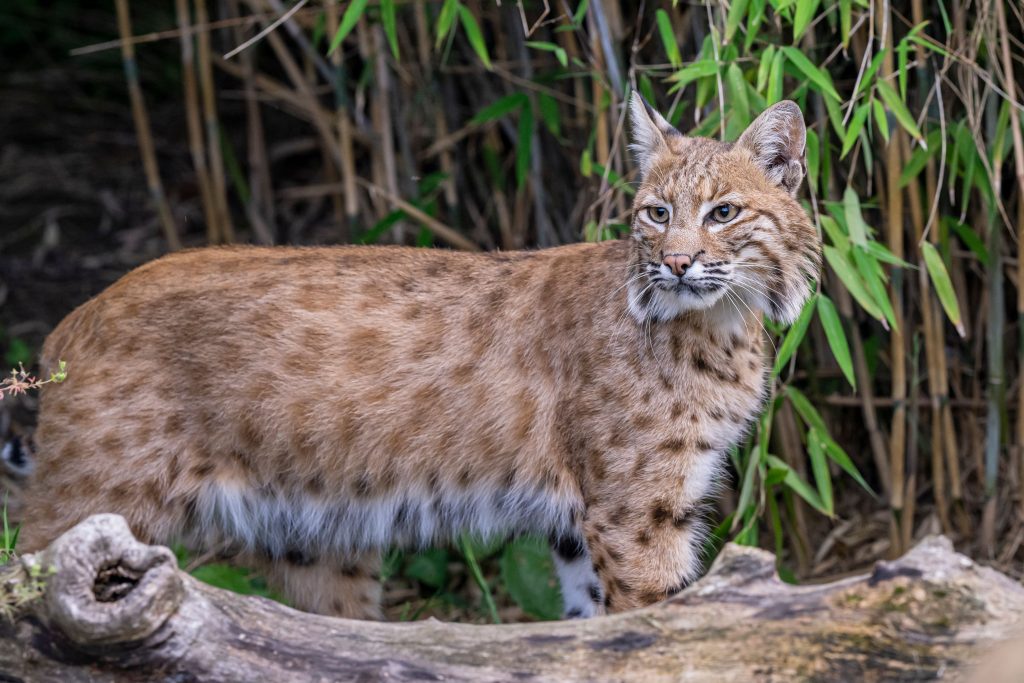
Big Cat Rescue also cares for smaller big cats. These include bobcats, servals, and caracals.
Here is a quick list of other species at the sanctuary:
- Bobcat
- Serval
- Caracal
- Ocelot
Current Cat Population
Big Cat Rescue is home to many big cats. Each one has a story and a safe place here.
We keep track of all the cats in our care. This helps us provide the best support for each animal.
Total Number Of Cats
At present, Big Cat Rescue shelters 56 big cats. This includes lions, tigers, and other species.
Breakdown By Species
- Lions: 15
- Tigers: 18
- Leopards: 8
- Bobcats: 7
- Caracals: 4
- Cougars: 4
New Arrivals
This year, Big Cat Rescue welcomed three new cats. Each one was rescued from unsafe conditions.
| Name | Species | Date Arrived |
| Sasha | Bobcat | March 2024 |
| Max | Lion | April 2024 |
| Raya | Tiger | May 2024 |

Credit: bigcatrescue.org
Cat Care And Habitat
Big Cat Rescue is home to many large cats. Their care and habitat are very important. The sanctuary creates safe places for each cat.
The team focuses on good food, safe homes, and health checks. This helps the cats live happy lives.
Enclosure Designs
The enclosures at Big Cat Rescue are large and natural. They have trees, pools, and hiding spots. This setup helps cats feel calm and free.
- Spacious areas for running and climbing
- Natural plants for shade and shelter
- Water features for drinking and playing
- Strong barriers for safety
- Quiet spots to rest and hide
Feeding And Nutrition
Big cats need a balanced diet to stay healthy. Their meals include fresh meat and supplements. The staff plans food carefully.
| Type of Food | Purpose | Frequency |
| Raw Meat | Protein and energy | Daily |
| Vitamins | Health support | Weekly |
| Bone | Dental health | Occasionally |
| Water | Hydration | Always available |
Medical Care
The cats get regular health exams. The vets watch for signs of illness. They give vaccines and treatments as needed.
- Daily health checks by caretakers
- Routine blood tests and X-rays
- Vaccinations to prevent diseases
- Care for injuries and illnesses
- Emergency medical support available
Rescue Stories
Big Cat Rescue is home to many big cats saved from danger. These animals come from places where they were not safe.
The rescue team works hard to give each cat a better life. Many cats have stories of hope and new beginnings.
Notable Rescues
One of the most famous rescues is a tiger named Shere Khan. He was saved from a circus where he was treated badly.
Another big cat rescued is a lion named Leo. He lived alone in a small cage before coming to Big Cat Rescue.
- Shere Khan: rescued from circus abuse
- Leo: saved from solitary confinement
- Snowflake: a rare white tiger rescued from a private owner
Rehabilitation Successes
Many cats at Big Cat Rescue have healed well after rescue. They receive proper care and a safe place to live.
The staff helps cats regain strength and learn to trust humans again. Some cats even recover from severe injuries.
- Cheetah Cora recovered from broken legs
- Bobcat Benny learned to eat after neglect
- Tiger Tara healed from old wounds
Visitor Experience
Big Cat Rescue is home to many big cats living in a safe space. Visitors can see how many cats live there and learn about their lives.
The visit offers a chance to understand big cats better and see them up close in a caring environment.
Tours And Education
Tours at Big Cat Rescue guide visitors through the sanctuary. Guides explain the history and habits of the cats.
Visitors learn how the cats are cared for and why rescue is important. The tours help people see the cats safely and respectfully.
- Walk through large habitats
- Hear stories about each cat
- Learn about cat behavior and care
- Ask questions to knowledgeable staff
How Visitors Help
Visitors support the sanctuary by following rules and respecting the cats. Their visits help fund food and care for the animals.
Many visitors also choose to donate or volunteer. Their help makes life better for the big cats every day.
- Paying for tours and tickets
- Buying items from the gift shop
- Donating money or supplies
- Volunteering time for care and upkeep

Credit: www.gottagoorlando.com
Frequently Asked Questions
How Many Cats Live At Big Cat Rescue?
Big Cat Rescue is home to around 60 rescued big cats. These include lions, tigers, leopards, and other species. The sanctuary focuses on providing safe, natural habitats for these animals.
What Types Of Big Cats Are At Big Cat Rescue?
Big Cat Rescue houses lions, tigers, leopards, bobcats, cougars, and servals. Each cat is rescued from abuse or neglect and cared for in a sanctuary environment.
How Does Big Cat Rescue Care For So Many Cats?
Big Cat Rescue provides large habitats, quality food, and medical care. The team includes experienced caregivers and veterinarians dedicated to the cats’ well-being.
Can Visitors See All Cats At Big Cat Rescue?
Visitors can view many cats during guided tours. Some cats stay in off-exhibit areas for privacy or medical reasons, ensuring their comfort and safety.
Conclusion
Big Cat Rescue houses many majestic cats. These animals live in a safe environment. Each cat receives proper care and attention. Visitors can learn about these incredible creatures. The sanctuary aims to protect and preserve big cats. Support from the community is vital for their mission.
Every visit helps raise awareness for these animals. It’s a wonderful way to experience wildlife responsibly. The sanctuary continues to inspire and educate about big cats. Visit Big Cat Rescue to make a difference today.