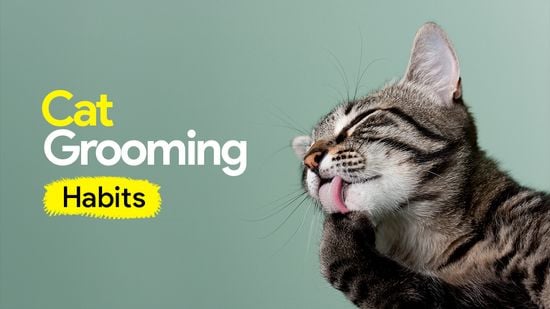
Have you ever watched your cat spend hours licking its fur and wondered, “How often do cats groom themselves?” If you’re curious about your feline friend’s grooming habits, you’re not alone. Understanding how frequently cats clean themselves can reveal a lot about their health and happiness.
You’ll discover why grooming is so important for your cat and what their grooming routine says about their well-being. Keep reading—you might be surprised by what your cat’s grooming habits are telling you!
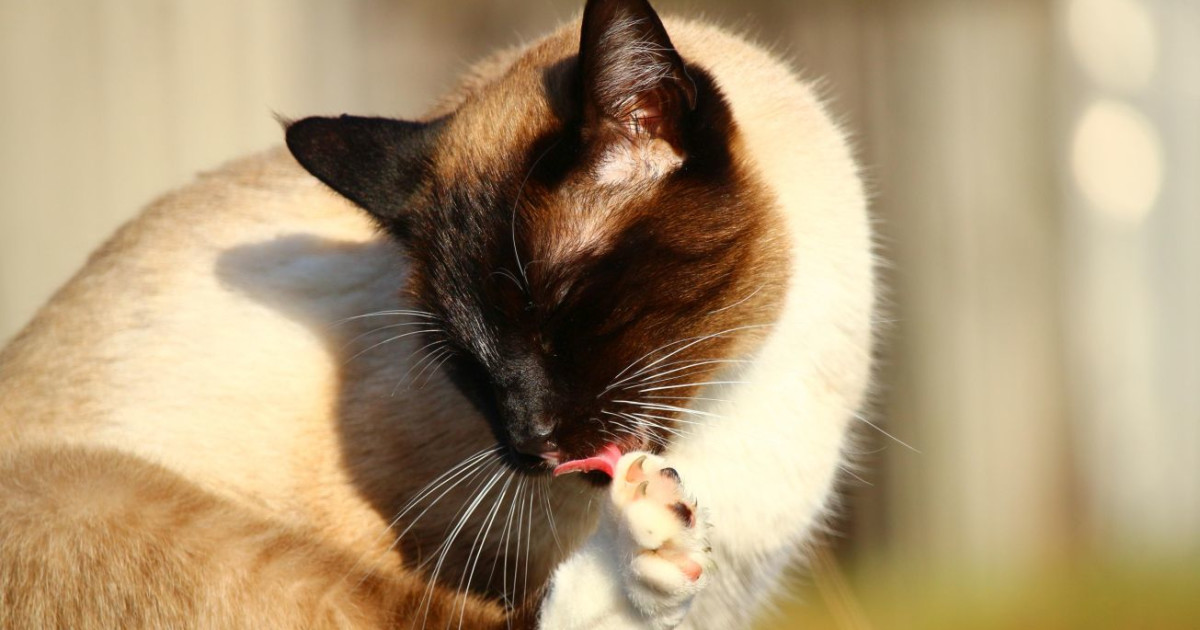
Credit: pethelpful.com
Cat Grooming Basics
Cats spend a lot of time cleaning themselves. Grooming helps keep their fur clean and healthy. It also helps cats feel calm and comfortable.
Understanding why cats groom and how they do it can help you care for your pet better. Let’s look at the purpose of grooming and common grooming behaviors.
Purpose Of Grooming
Grooming serves many important roles for cats. It keeps their coat clean by removing dirt and loose hair. Grooming also helps control their body temperature. Cats use grooming to reduce stress and relax. It can even help spread natural oils that keep their fur soft.
- Removes dirt and loose hair
- Regulates body temperature
- Reduces stress and anxiety
- Distributes natural oils
- Prevents skin problems
Common Grooming Behaviors
Cats use their tongues to groom themselves. Their rough tongues help clean their fur well. They lick their fur often to stay clean. Cats also use their teeth and claws to remove mats or tangles.
| Behavior | Purpose |
| Licking fur | Clean fur and remove dirt |
| Biting or chewing | Remove mats and tangles |
| Scratching | Remove loose fur and dead skin |
| Face washing | Clean hard-to-reach areas |
| Tail grooming | Keep tail clean and neat |
Frequency Of Grooming
Cats spend a lot of time grooming themselves every day. Grooming helps them stay clean and healthy.
The frequency of grooming varies from cat to cat. Some cats groom more often than others.
Daily Grooming Patterns
Most cats groom several times a day. They lick their fur to remove dirt and loose hair.
Grooming also helps cats cool down and relax. It is part of their daily routine.
- Short-haired cats may groom less often than long-haired cats.
- Cats usually spend 30 to 50 percent of their awake time grooming.
- They clean their face, paws, and body carefully.
Variations By Age And Breed
Young cats tend to groom more often than older cats. Kittens learn grooming from their mothers.
Different breeds also show different grooming habits. Some breeds need more grooming due to their fur type.
- Long-haired breeds like Persians groom more to avoid mats.
- Short-haired breeds groom less but still clean regularly.
- Older cats may groom less because of health issues.
Factors Influencing Grooming Habits
Cats spend a lot of time grooming themselves each day. This behavior helps keep them clean and healthy. The amount of grooming can change based on several factors.
Understanding these factors can help cat owners support their pets better. Grooming habits vary due to health, environment, and emotions.
Health And Hygiene
A cat’s health strongly affects how often it grooms. Healthy cats groom regularly to remove dirt and loose hair. Illness or pain can reduce grooming, causing a messy coat.
- Skin conditions may increase grooming to relieve itching.
- Arthritis or injury can make grooming harder.
- Older cats might groom less due to reduced mobility.
Environmental Conditions
The environment plays a big role in grooming frequency. Cats in dusty or dirty places groom more to clean themselves. Indoor cats may groom less because they stay cleaner.
| Condition | Effect on Grooming |
| Dirty or dusty area | Increased grooming to remove dirt |
| Clean indoor home | Less grooming needed |
| Wet or humid weather | More grooming to dry fur |
| Cold weather | Grooming to keep fur fluffed for warmth |
Stress And Emotional State
Cats groom to calm themselves when stressed. Stress can come from new people, loud noises, or changes at home. Some cats groom too much, causing fur loss.
Signs of stress-related grooming:
- Excessive licking of one area
- Bald patches or sores on skin
- Restlessness or hiding
- Loss of appetite
Signs Of Grooming Issues
Cats groom themselves often to stay clean and healthy. Grooming problems can show that your cat is unwell or stressed. Watch for changes in your cat’s grooming habits.
Both over-grooming and under-grooming can cause health issues. It is important to recognize the signs early. This helps you take care of your cat better.
Over-grooming Symptoms
Over-grooming happens when a cat licks or bites its fur too much. This can cause skin problems and bald spots. It may be a sign of stress or pain.
Cats that over-groom often have red or irritated skin. You might see scabs or wounds from constant licking. This behavior can lead to infections if untreated.
- Bald patches on the fur
- Red or inflamed skin
- Scabs or sores
- Excessive licking or biting
- Restlessness or anxiety
Under-grooming Concerns
Under-grooming means a cat is not cleaning itself enough. Their fur may look dirty or matted. This can happen if the cat is sick or has joint pain.
Cats that under-groom may have oily fur or bad smell. They might also shed more hair than usual. Lack of grooming can lead to skin infections and discomfort.
- Dirty or matted fur
- Oily or greasy coat
- Strong odor from fur
- Increased hair shedding
- Signs of pain or stiffness
Tips To Support Your Cat’s Grooming
Cats groom themselves many times each day. This helps keep their fur clean and healthy.
You can help your cat stay clean and comfortable. Support their grooming with simple care tips.
Regular Brushing
Brushing your cat removes loose hair and dirt. It also stops hairballs and mats from forming.
Brush your cat often, especially if it has long fur. Use a brush that suits your cat’s coat type.
- Short-haired cats: brush once or twice a week
- Long-haired cats: brush daily or every other day
- Be gentle to avoid hurting your cat
Diet And Hydration
A healthy diet helps your cat’s skin and fur stay strong. Good nutrition supports natural grooming.
Keep fresh water available all day. Hydration keeps your cat’s skin soft and prevents dryness.
- Feed balanced cat food with needed vitamins
- Include omega-3 and omega-6 fatty acids
- Offer clean, fresh water at all times
Veterinary Care
Regular vet visits catch skin or coat problems early. Some health issues affect grooming habits.
Your vet can check for fleas, allergies, or infections. Treating these helps your cat groom well again.
- Schedule yearly check-ups for your cat
- Ask your vet about skin and coat health
- Follow treatment plans for any issues found

Credit: tryfurgo.com

Credit: www.reddit.com
Frequently Asked Questions
How Often Do Cats Groom Themselves Daily?
Cats groom themselves about 2 to 5 times a day. Grooming helps keep their fur clean, removes dirt, and regulates body temperature. It also reduces stress and strengthens the bond with other cats.
Why Do Cats Lick Themselves So Much?
Cats lick to clean their fur and remove loose hair. Licking also stimulates blood flow and helps regulate body temperature. Excessive licking might indicate stress or health issues.
Does Grooming Frequency Vary By Cat Breed?
Yes, grooming frequency varies by breed. Long-haired cats groom more often to avoid matting. Short-haired cats groom less but still maintain regular cleaning habits.
Can Grooming Affect A Cat’s Health?
Grooming is essential for a cat’s health. It prevents skin infections, removes parasites, and promotes healthy fur. Lack of grooming can lead to fur mats and skin problems.
Conclusion
Cats groom often. It’s important for their health. Grooming helps remove dirt and loose hair. It also reduces stress and keeps them clean. Pay attention to your cat’s grooming habits. Changes might signal health issues. Regular grooming is part of cat care.
Brush them gently to help. It strengthens your bond too. Cats love feeling clean and comfortable. Understand their grooming needs for a happy pet. Keep a watchful eye. Healthy grooming equals a happy cat.