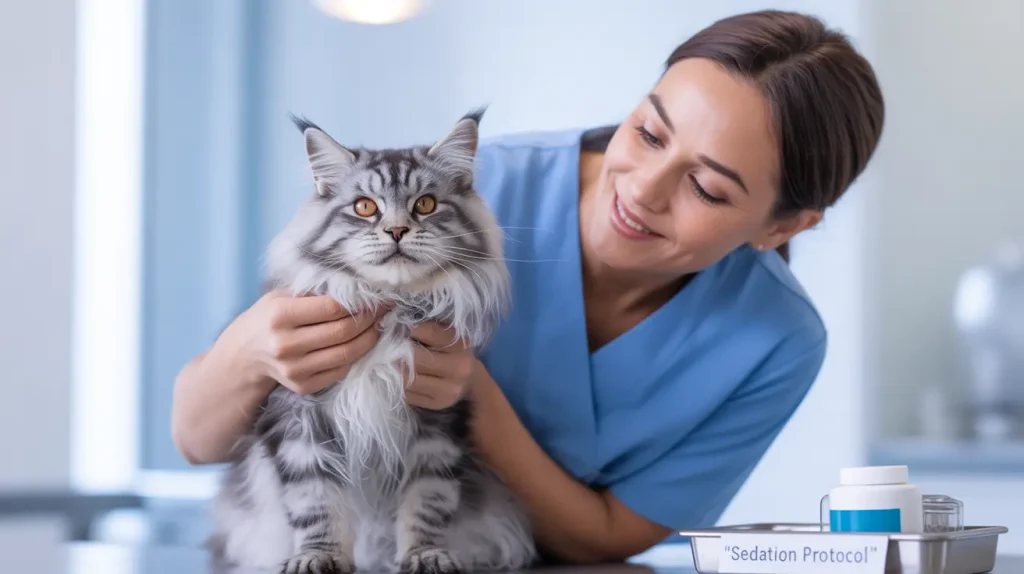
Grooming your cat can be a challenge, especially if your furry friend is nervous or restless. You want to keep your pet calm and safe, but you might wonder how to do that without causing stress.
Knowing how to sedate your cat for grooming can make the whole process smoother and less scary for both of you. You’ll discover practical tips and safe methods to help your cat stay relaxed during grooming. Keep reading to learn how to make grooming a calmer experience for your beloved pet.
Reasons To Sedate Cats
Grooming is important for a cat’s health and comfort. Some cats become very anxious or aggressive during grooming. Sedation helps keep them calm and safe.
Sedating a cat is a careful choice. It helps the groomer and the cat avoid stress and injuries.
When Sedation Becomes Necessary
Some cats are too scared or angry to be groomed without sedation. This includes cats that bite, scratch, or run away.
Older cats or those with health problems may need sedation to keep them still. Grooming can take longer for these cats, so sedation helps.
- Very nervous or aggressive cats
- Cats with thick or matted fur
- Older or sick cats
- Cats that have bad past grooming experiences
Benefits Of Sedation During Grooming
Sedation helps keep cats calm. Calm cats are easier to groom and suffer less stress.
It also protects the groomer from bites and scratches. Grooming is faster and safer for everyone.
- Reduces stress and anxiety for the cat
- Prevents injuries to the cat and groomer
- Allows thorough grooming, even for matted fur
- Makes grooming shorter and less painful

Credit: smart.dhgate.com
Consulting A Veterinarian
Grooming a cat can be stressful for both the cat and the owner. Some cats may need sedation to stay calm during grooming.
Always talk to a veterinarian before sedating your cat. They can guide you on the safest options.
Health Assessment Before Sedation
The vet will check your cat’s health before giving any sedative. This is to avoid risks during sedation.
Tests may include checking the heart, lungs, and liver. These organs help process sedatives safely.
- Physical exam to check overall health
- Blood tests to assess organ function
- Review of medical history and medications
Choosing The Right Sedative
The vet selects a sedative based on your cat’s age, weight, and health. Different cats need different medicines.
Some sedatives work quickly but last a short time. Others act slower but keep the cat calm longer.
- Light sedatives for mild anxiety
- Stronger sedatives for very nervous cats
- Safe doses to avoid side effects
Safe Sedation Methods
Grooming a cat can be stressful for both the pet and the owner. Sedation helps make the process safer and calmer. It is important to use safe sedation methods to protect your cat’s health.
Before sedating your cat, always consult a veterinarian. They can recommend the best option based on your cat’s health and needs.
Oral Sedatives
Oral sedatives are medications given by mouth. They are easy to administer and help calm your cat gently. Common oral sedatives include medications like Acepromazine and Gabapentin.
- Usually take 30 to 60 minutes to take effect
- Dosage depends on cat’s weight and health
- May cause drowsiness and relaxation
- Should only be used under veterinary guidance
Injectable Options
Injectable sedatives work faster than oral options. They are given by a vet or trained professional. Common drugs include Dexmedetomidine and Ketamine.
| Drug Name | Effect Time | Notes |
| Dexmedetomidine | 5-10 minutes | Strong sedation, reversible |
| Ketamine | 5-15 minutes | Used with other sedatives |
| Midazolam | 10-15 minutes | Mild sedation, muscle relaxation |
Natural Alternatives
Natural sedatives may calm your cat with fewer side effects. These include herbal remedies and calming supplements. Always check with a vet before use.
- Valerian root can reduce anxiety
- Chamomile soothes nerves and helps sleep
- CBD oil is used for relaxation, but research is limited
- Catnip can have a calming or stimulating effect

Credit: www.reddit.com
Preparing Your Cat For Sedation
Grooming a cat often requires sedation to keep it calm and safe. Preparing your cat properly helps the sedation work well. This guide focuses on key steps before sedation.
Following simple rules about fasting and creating a calm space can make grooming easier and less stressful for your cat.
Fasting Guidelines
Fasting helps prevent nausea or vomiting during sedation. It is important to know when and how long to withhold food and water from your cat.
- Stop feeding solid food 8 to 12 hours before sedation.
- Remove all food at least 8 hours before the appointment.
- Water may be given until 2 hours before sedation unless your vet says otherwise.
- Always follow your veterinarian’s specific fasting instructions.
- Do not let your cat eat treats or snacks during the fasting period.
Creating A Calm Environment
A calm area helps reduce your cat’s stress before sedation. Prepare a quiet and comfortable space for your cat to relax.
- Choose a quiet room with low noise and dim lighting.
- Use a soft blanket or bed your cat likes.
- Avoid loud voices or sudden movements near your cat.
- Keep other pets away during preparation.
- Talk softly to your cat to offer reassurance.
Administering Sedatives Safely
Giving sedatives to your cat can help make grooming easier. You must use sedatives carefully to keep your cat safe.
Always talk to your vet before using any sedative. Follow their instructions closely to avoid risks.
Dosage And Timing
Use the correct dose of sedative based on your cat’s weight and health. Too much can harm your cat.
Give the sedative at the right time so it works during grooming. Usually, this is 30 to 60 minutes before.
- Check the vet’s exact dose instructions
- Use a proper syringe or dropper for measuring
- Give sedative with or without food as vet advises
- Start grooming only when your cat is calm
Monitoring Your Cat’s Response
Watch your cat closely after giving sedatives. Look for signs of calmness or distress.
Keep your cat in a quiet, safe place during sedation. Contact your vet if you see unusual symptoms.
- Check breathing and heart rate regularly
- Look for excessive drooling or vomiting
- Note if your cat is too sleepy or unresponsive
- Have emergency contact info ready
:strip_icc()/spruce-pets-cat-sedative-travel-9be74a8034364749a2cb205881b103ac.png)
Credit: www.thesprucepets.com
Grooming Tips During Sedation
Grooming a sedated cat helps reduce stress for both you and the pet. Sedation keeps the cat calm and still, making grooming safer and easier.
Always watch the cat closely during grooming to avoid any health risks. Proper handling and the right tools make the process smooth and gentle.
Handling Techniques
Handle your cat gently and support its body fully. Keep movements slow and steady to avoid startling the cat while it is sedated.
- Use soft towels to hold the cat securely without pressure.
- Keep the cat’s head elevated to help with breathing.
- Check breathing and pulse regularly during grooming.
- Avoid sudden noises or quick motions nearby.
- Have a helper if possible to assist with holding and calming.
Tools For Efficient Grooming
Choose grooming tools that work well on sedated cats. Tools should be safe and cause no discomfort during use.
| Tool | Purpose | Tip |
|---|---|---|
| Soft brush | Remove loose fur and dirt | Use gentle strokes to avoid skin irritation |
| Nail clippers | Trim nails carefully | Clip small amounts to prevent cutting quick |
| Comb | Untangle mats and knots | Work slowly to avoid pulling fur |
| Pet wipes | Clean sensitive areas | Use unscented wipes made for cats |
Post-sedation Care
After sedating your cat for grooming, careful care is very important. This helps your cat wake up safely and stay healthy.
Watch your cat closely and follow vet advice to avoid problems during recovery.
Recovery Monitoring
Keep your cat in a quiet, warm place while it wakes up from sedation. Avoid loud noises and bright lights.
Check your cat often for normal breathing and movement. Make sure it can sit or lie down comfortably.
- Keep water nearby but do not force your cat to drink
- Watch for signs of waking, like blinking or moving paws
- Keep your cat away from stairs or high places
- Do not leave your cat alone until it is fully awake
Signs Of Complications
Some signs show your cat may need urgent care. Watch for these to keep your cat safe.
Call your vet if you see any unusual behavior or health problems after sedation.
- Slow or hard breathing
- Blue or pale gums
- Very weak or no response to touch
- Vomiting or choking
- Seizures or shaking
- Swelling or redness at injection site
- Excessive drooling or difficulty swallowing
Alternatives To Sedation
Many cats feel scared or upset during grooming. Sedation is one way to help, but it is not the only option. You can try other methods to keep your cat calm and safe.
Using alternatives can reduce risks and make grooming less stressful for your cat. These methods focus on training and lowering anxiety before and during grooming.
Behavioral Training
Training your cat to accept grooming takes time and patience. You start by letting your cat get used to the tools and touch slowly.
Regular short sessions help your cat build trust. Use calm voices and gentle handling. Reward your cat with treats and praise for good behavior.
- Introduce grooming tools without using them
- Touch your cat gently in grooming areas
- Practice brushing for a few minutes daily
- Give treats after each session
- Stop if your cat shows stress signs
Stress-reduction Strategies
Reducing your cat’s stress helps make grooming easier. Create a quiet and comfortable space for grooming. Avoid loud noises and sudden movements.
Use calming aids like pheromone sprays or diffusers. These products can help your cat feel safe. Keep grooming sessions short and positive to avoid overwhelming your cat.
- Choose a calm, quiet room for grooming
- Use pheromone sprays or diffusers
- Play soft music to relax your cat
- Keep grooming sessions brief and regular
- Stay calm and speak softly during grooming
Frequently Asked Questions
How Can I Safely Sedate My Cat For Grooming?
Consult a veterinarian before sedating your cat. Use only vet-approved sedatives. Follow dosage and administration instructions carefully to ensure safety during grooming.
What Are Common Sedatives Used For Cat Grooming?
Common sedatives include gabapentin, acepromazine, and trazodone. These medications calm cats and reduce stress. Always use under veterinary guidance to avoid risks.
When Should I Avoid Sedating My Cat For Grooming?
Avoid sedation if your cat is pregnant, very old, or has health issues. Always discuss your cat’s medical history with your vet before sedation.
How Long Does Sedation Last For Cat Grooming?
Sedation duration varies by medication and dosage but typically lasts 2 to 6 hours. Your vet will advise on timing for safe grooming sessions.
Conclusion
Grooming can be stressful for your cat. Sedation helps ease this stress. Always consult your vet before sedating your pet. This ensures safety and comfort. Use the right products for your cat’s needs. Start with small doses to gauge reactions.
Watch for any side effects. Your cat’s well-being comes first. A calm cat makes grooming easier and safer. With patience, you can make grooming a positive experience. Remember, your vet is a valuable resource. Keep your furry friend happy and healthy.