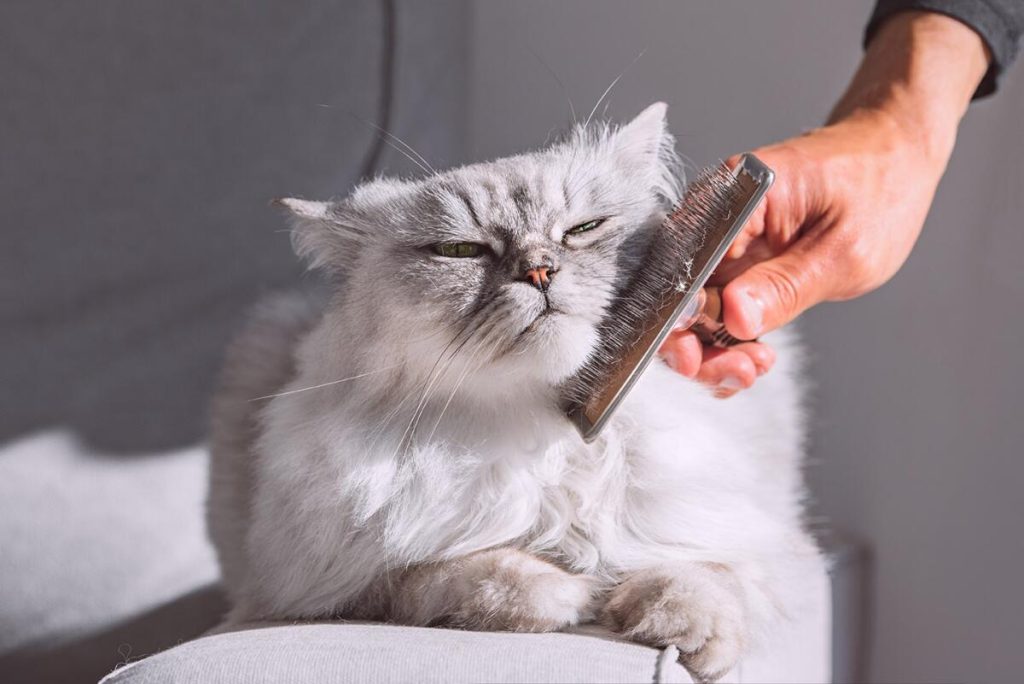
Grooming your cat might seem like a simple task, but it plays a big role in keeping your furry friend healthy and happy. You might wonder how to make grooming easy and stress-free for both you and your cat.
Imagine having a calm, shiny-coated cat that loves being brushed – sounds great, right? In this guide, you’ll discover straightforward tips and tricks to groom your cat with confidence. Keep reading to learn how to turn grooming time into a bonding moment you both look forward to.

Credit: www.latimes.com
Choosing The Right Grooming Tools
Grooming your cat keeps their coat healthy and shiny. Using the right tools makes grooming easier and more comfortable for your pet.
Different cats have different fur types. Choosing brushes and combs that match your cat’s fur helps remove dirt and loose hair well.
Brushes And Combs For Different Fur Types
Short-haired cats need soft bristle brushes to remove loose fur gently. Long-haired cats benefit from slicker brushes that untangle mats and knots.
- Soft bristle brush: good for short, smooth coats
- Slicker brush: ideal for long and thick fur
- Wide-tooth comb: helps detangle knots
- Fine-tooth comb: removes fleas and small debris
Nail Clippers And Other Essentials
Trimming your cat’s nails keeps them from scratching furniture or skin. Choose clippers designed for cats to avoid splitting nails.
| Tool | Purpose |
| Cat nail clippers | Trim nails safely and easily |
| Styptic powder | Stop bleeding if nails are cut too short |
| Grooming wipes | Clean paws and face gently |
| Pet-safe detangler spray | Helps remove mats in long fur |
Preparing Your Cat For Grooming
Grooming your cat keeps its coat clean and healthy. Preparing your cat well can make grooming easier for both of you. It helps your cat feel safe and relaxed.
Start by setting up a calm space and gently getting your cat used to being touched. This makes grooming a positive experience.
Creating A Calm Environment
Choose a quiet room where your cat feels comfortable. Avoid loud noises or sudden movements. Soft lighting can help your cat stay calm.
- Close windows to reduce outside noise
- Use a soft blanket or towel for your cat to sit on
- Keep grooming tools nearby and ready
- Speak softly to reassure your cat
Getting Your Cat Comfortable With Handling
Touch your cat gently on different body parts each day. This helps your cat get used to being handled before grooming.
| Body Part | How to Handle |
| Head | Stroke gently behind the ears |
| Back | Use slow, soft strokes |
| Paws | Hold each paw briefly and softly |
| Tail | Touch carefully near the base |
Brushing Techniques
Grooming your cat is important for their health and comfort. Brushing helps remove loose hair and dirt. It also prevents hairballs and skin problems.
Using the right brushing technique makes grooming easier. It keeps your cat calm and happy during the process.
Dealing With Mats And Tangles
Mats and tangles can hurt your cat if left alone. They cause pulling and skin irritation. Use a gentle approach to remove them.
- Start by holding the mat at the base to avoid pulling the skin.
- Use a wide-tooth comb or a mat splitter to gently loosen the tangle.
- Work slowly from the outside toward the center of the mat.
- If the mat is too tight, cut it carefully with rounded scissors.
- Brush the area afterward to prevent new mats from forming.
Brushing Frequency For Different Breeds
Different cat breeds need different brushing schedules. Long-haired cats need more frequent grooming than short-haired ones.
| Breed Type | Recommended Brushing Frequency |
| Long-haired Cats | Daily brushing to prevent mats |
| Medium-haired Cats | Two to three times a week |
| Short-haired Cats | Once a week to remove loose fur |
| Bald or Hairless Cats | Weekly grooming for skin care |
Bathing Your Cat Safely
Bathing a cat can be tricky because most cats dislike water. Doing it safely makes the experience less stressful for both of you. You need to prepare well and follow some simple steps.
Using the right shampoo and a careful bathing process helps keep your cat clean without harming its skin or fur. It also prevents injuries or accidents.
Choosing The Right Shampoo
Pick a shampoo made specifically for cats. Human or dog shampoos can hurt their skin. Cat shampoos are gentle and safe for their fur and body.
Look for shampoos that are free from harsh chemicals and fragrances. If your cat has sensitive skin, choose a shampoo made for sensitive skin or allergies.
- Use only cat-formulated shampoo
- Avoid strong scents and chemicals
- Pick hypoallergenic shampoo for sensitive skin
- Do not use human or dog shampoo
Step-by-step Bathing Process
Prepare a small tub or sink with warm water. The water should be just warm, not hot. Place a towel nearby to dry your cat after the bath.
Gently wet your cat’s fur using a cup or sprayer. Avoid the head and ears to keep water out of sensitive areas. Apply shampoo and massage it in softly.
- Fill a tub with warm water (not hot)
- Place a towel nearby for drying
- Wet your cat gently, avoid the head and ears
- Apply cat shampoo and massage softly
- Rinse well with warm water, removing all shampoo
- Dry your cat with a soft towel immediately
Stay calm and speak softly to your cat during the bath. This helps reduce stress. If your cat struggles, stop and try again later.
Nail Care Tips
Grooming your cat’s nails is important for their health and comfort. Proper nail care helps avoid scratches and damage to furniture.
Regular trimming keeps your cat’s nails at a good length. It also prevents painful nail breaks and infections.
When And How To Trim Nails
Trim your cat’s nails every 1 to 2 weeks. This schedule keeps nails short and smooth. Watch for nails touching the floor or curling.
Use a sharp nail trimmer made for cats. Hold your cat gently and press the paw to extend the nails. Cut only the sharp tip, avoiding the pink quick.
- Choose a quiet time when your cat is calm
- Hold the paw firmly but gently
- Cut small amounts to avoid cutting the quick
- Use a nail file for rough edges
- Give treats to keep your cat relaxed
Avoiding Common Nail Care Mistakes
Do not cut nails too short. Cutting the quick causes pain and bleeding. Avoid trimming nails when your cat is stressed or scared.
Don’t use human nail clippers. They can crush or split your cat’s nails. Never pull or tear the nails out, as this hurts your cat.
- Never rush during nail trimming
- Do not cut into the pink quick area
- Avoid using dull or inappropriate tools
- Do not force your cat if it resists too much
- Keep nail care part of regular grooming

Credit: www.youtube.com
Ear And Eye Maintenance
Keeping your cat’s ears and eyes clean helps prevent infections and discomfort. Regular checks and gentle cleaning keep your pet healthy.
Use soft tools and safe products designed for cats. Watch your cat’s reaction to avoid stress or injury.
Cleaning Techniques
Start by wiping your cat’s eyes and ears with a soft, damp cloth. Avoid using cotton swabs inside the ear canal.
- Use a clean, warm cloth to gently wipe the outer ear.
- Remove any dirt or discharge from the eye corners with a damp cloth.
- Use vet-approved ear cleaner for deeper ear cleaning, if needed.
- Do not insert anything deep into the ear canal.
- Clean once a week or as your vet recommends.
Signs Of Infection To Watch For
| Symptom | Description |
| Redness | Inflamed or irritated skin around eyes or ears |
| Discharge | Yellow, green, or thick fluid from eyes or ears |
| Odor | Foul smell from ears |
| Scratching | Frequent pawing or scratching at ears or eyes |
| Swelling | Visible swelling or bumps near eyes or ears |
| Squinting | Holding eyes half-closed or blinking often |
Dental Hygiene Basics
Good dental care is important for your cat’s health. Clean teeth help prevent pain and illness.
Regular dental care keeps your cat’s mouth fresh and healthy. It also helps avoid costly vet visits.
Brushing Your Cat’s Teeth
Start brushing your cat’s teeth slowly and gently. Use a soft toothbrush made for cats.
Brush small areas and focus on the front teeth. Make it a short and calm routine.
- Choose a quiet spot
- Use pet-safe toothpaste
- Brush in small circles
- Reward your cat with praise
Dental Products That Work
There are many dental products to help keep your cat’s teeth clean. Pick ones made just for cats.
Some products reduce plaque and freshen breath. Use them along with regular brushing for best results.
- Cat toothbrushes and finger brushes
- Cat-friendly toothpaste (no fluoride)
- Dental treats and chews
- Water additives for oral care

Credit: catit.ca
Recognizing Grooming-related Health Issues
Grooming your cat helps keep its coat clean and healthy. It also lets you spot any health problems early.
Knowing signs of skin problems, parasites, and when to visit the vet can protect your cat’s well-being.
Skin Problems And Parasites
Check your cat’s skin often during grooming. Look for redness, bumps, or bald patches. These may show skin problems.
- Red or inflamed skin can mean irritation or allergies.
- Scaly or flaky skin may show dryness or infection.
- Bald spots might be caused by excessive scratching or fungal infections.
- Small black dots could be flea dirt, a sign of fleas.
- Live fleas or ticks can sometimes be seen moving on the skin.
Parasites like fleas and ticks can cause itching and spread diseases. Use a flea comb to find them.
When To Visit The Vet
Some signs need a vet’s attention. Do not wait if you notice these warning signs in your cat.
| Warning Sign | What It Might Mean |
| Constant scratching or biting | Severe fleas, mites, or allergies |
| Open sores or wounds | Infections or skin disease |
| Swollen or red areas | Infection or allergic reaction |
| Hair loss patches | Ringworm or other fungal infection |
| Visible parasites | Heavy flea or tick infestation |
| Changes in behavior or appetite | Possible illness needing diagnosis |
Making Grooming A Positive Experience
Grooming your cat can be a pleasant time for both of you. It helps keep your cat clean and healthy. It also builds trust between you and your pet.
To make grooming positive, focus on gentle care and patience. Use treats and praise to encourage good behavior. Create a routine that your cat can expect and feel safe with.
Using Treats And Praise
Giving treats and praise helps your cat enjoy grooming. It makes the experience rewarding and fun. Always reward your cat during and after grooming sessions.
- Give small treats your cat likes
- Use a calm voice to praise your cat
- Offer treats before, during, and after grooming
- Stop if your cat shows signs of stress
Building A Routine
Building a grooming routine helps your cat get used to the process. Keep sessions short and regular. This creates a sense of safety and predictability.
| Time of Day | Duration | Activity |
| Morning | 5 minutes | Brushing fur |
| Afternoon | 5 minutes | Cleaning ears |
| Evening | 5 minutes | Checking nails |
Frequently Asked Questions
How Often Should I Groom My Cat?
Groom your cat at least once a week. Long-haired cats need daily brushing. Regular grooming prevents mats and reduces shedding. It also keeps your cat’s coat healthy and shiny.
What Tools Do I Need To Groom A Cat?
Use a soft-bristle brush, metal comb, and nail clippers. A grooming glove can help remove loose fur. Choose tools suitable for your cat’s coat type for best results.
Can Grooming Help Reduce Cat Hair Allergies?
Yes, regular grooming reduces loose fur and dander. This lowers allergens in your home. Bathing your cat occasionally also helps minimize allergens. Always consult your vet before starting new grooming routines.
How Do I Safely Trim My Cat’s Nails?
Use cat-specific nail clippers. Trim only the sharp tips, avoiding the quick. Hold your cat gently and trim slowly. Reward your cat with treats to reduce stress during trimming.
Conclusion
Grooming a cat keeps them healthy and happy. Regular brushing reduces shedding. It prevents matting too. Bathing is not always necessary, but sometimes helpful. Trim their nails carefully to avoid injury. Cleaning ears and teeth is essential for overall health.
Use treats to make grooming enjoyable. Always be gentle and patient. Cats appreciate kindness and trust. Make grooming a bonding time. Your cat will love you more for it. Remember, a well-groomed cat is a happy cat. Enjoy the process and cherish the moments together.
Grooming is love in action.