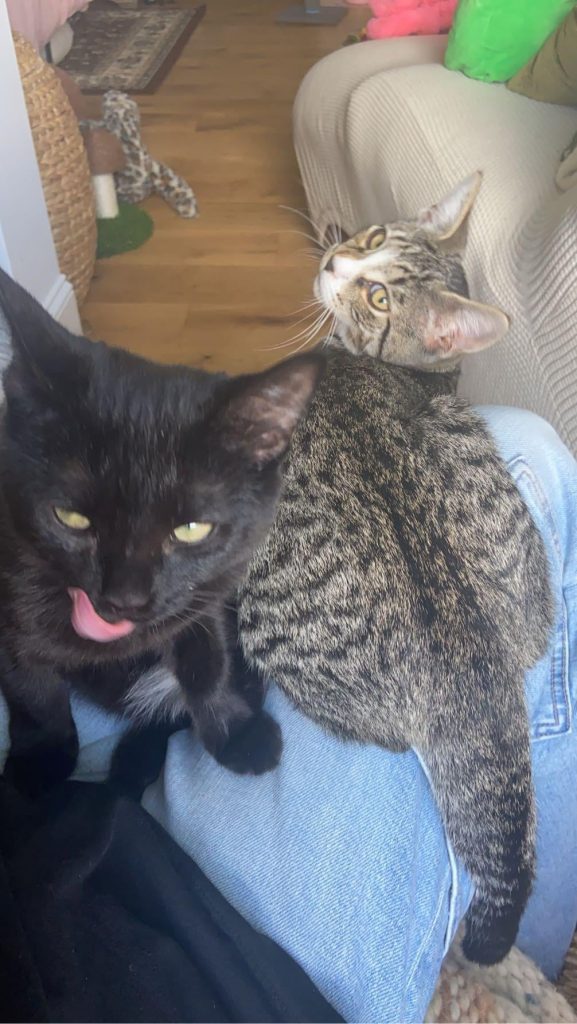
Have you ever noticed your cat gently nibbling at their fur while grooming? It might seem a little strange or even worrying at first.
But those tiny bites actually reveal a lot about your cat’s behavior and feelings. Understanding why your cat nibbles when grooming can help you connect better with your furry friend and keep them happy and healthy. Keep reading to discover the surprising reasons behind this common cat habit—you’ll see your pet in a whole new light.
Cat Grooming Basics
Cats groom themselves to stay clean and healthy. Grooming helps remove dirt and loose fur.
Sometimes, cats nibble their fur while grooming. This is normal and part of their cleaning process.
How Cats Groom Themselves
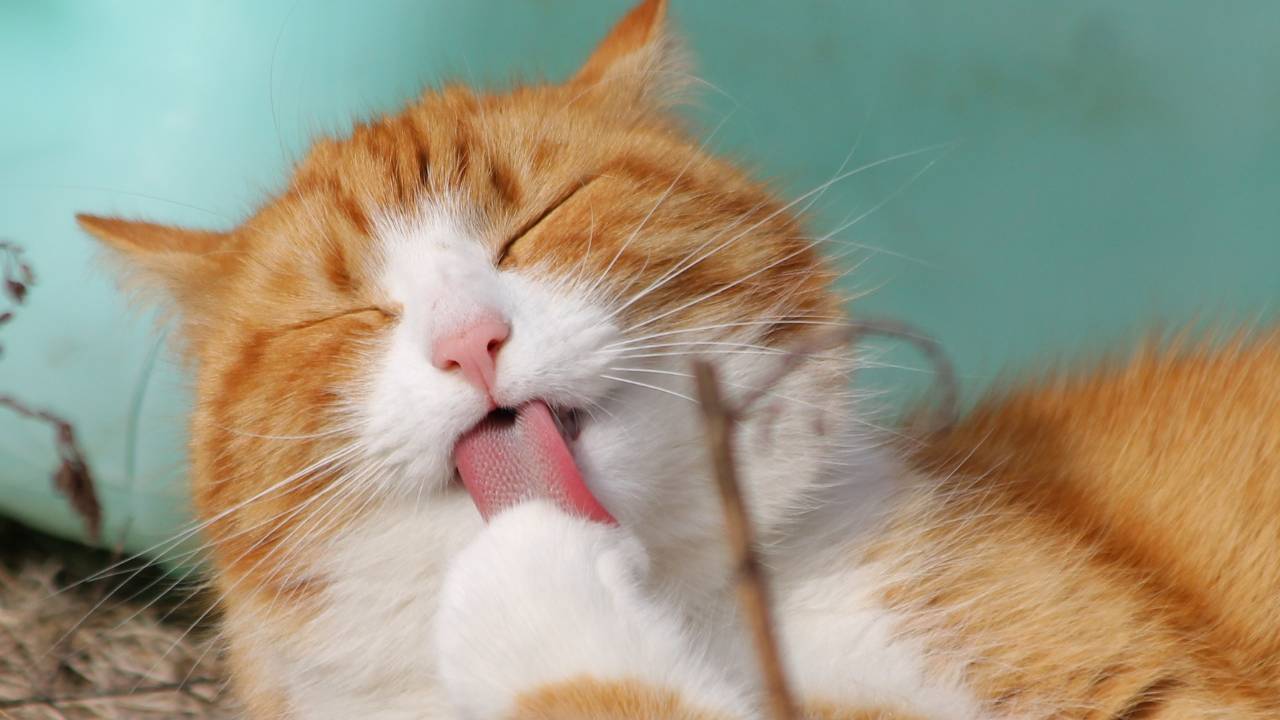
Cats use their tongues to clean their fur. Their tongues have tiny hooks that catch dirt and loose hair.
They also use their teeth to nibble small knots or tangled fur. This helps keep their coat smooth.
- Use tongues to lick and clean fur
- Nibble gently to remove tangles
- Use paws to wipe face and head
- Stretch and groom different body parts
Importance Of Grooming
Grooming keeps a cat’s skin and fur healthy. It removes dirt and prevents mats and tangles.
Grooming also spreads natural oils. These oils protect the fur and keep it shiny.
- Removes dirt and loose fur
- Prevents skin infections and matting
- Distributes natural oils for healthy fur
- Helps cats feel calm and relaxed
Credit: americanpaws.club
Reasons Behind Nibbling
Cats often nibble while grooming themselves or others. This behavior may seem odd but has clear reasons. Understanding why cats nibble helps owners connect with their pets better.
Nibbling is a natural part of how cats show care and maintain cleanliness. It also plays a role in their emotional health and social interactions.
Showing Affection
Cats nibble gently to show love and trust. This nibbling is a soft way to bond with other cats or humans. It is a sign that the cat feels safe and close.
Removing Dirt And Parasites
Nibbling helps cats clean hard-to-reach spots. They remove dirt, loose fur, and even parasites like fleas. This keeps their coat healthy and shiny.
- Reaches areas tongue cannot
- Helps remove fleas and ticks
- Prevents skin infections
- Supports healthy fur growth
Marking Territory
Cats have scent glands in their mouths. When they nibble, they leave their scent on the area or object. This marks their territory and signals ownership to other cats.
| Action | Purpose |
|---|---|
| Nibbling on furniture | Mark territory |
| Nibbling on other cats | Show dominance or affection |
| Nibbling on humans | Express bonding |
Relieving Stress Or Anxiety
Nibbling can calm a stressed or anxious cat. The repetitive action releases feel-good hormones. It helps cats feel safer and more relaxed.
Nibbling During Social Grooming
Cats often nibble gently on each other during grooming. This nibbling is not meant to hurt. It shows a special bond between cats.
This behavior is part of how cats communicate and build trust. It helps them feel close and safe together.
Bonding With Other Cats
Nibbling helps strengthen the friendship between cats. It is a way to share affection and care. Cats use gentle bites to clean hard-to-reach spots on each other.
- Shows mutual trust and respect
- Helps keep fur clean and healthy
- Creates a calming and relaxing moment
- Builds social bonds within the group
Trust And Comfort Signals
Nibbling during grooming signals that cats feel safe. They trust the other cat not to bite hard. This trust is important in cat groups.
| Signal | Meaning |
| Gentle nibbling | Trust and care |
| Soft licking | Comfort and affection |
| Relaxed body posture | Feeling safe |
| Slow blinking | Friendship and calm |
When Nibbling Becomes Problematic
Cats often nibble as part of grooming. It helps them clean and bond. But too much nibbling can cause harm.
Understanding when nibbling turns into a problem is important. It can show health or behavior issues.
Signs Of Overgrooming
Overgrooming happens when cats nibble or lick too much. This can hurt their skin and fur.
- Hair loss in patches
- Red or irritated skin
- Scabs or wounds from nibbling
- Swelling in certain areas
Potential Skin Issues
Nibbling can cause or reveal skin problems. These issues need careful attention and care.
| Skin Issue | Cause | Effect |
| Allergies | Food or environment | Itchy, red skin |
| Parasites | Fleas or mites | Scratching, hair loss |
| Infections | Open wounds | Swelling, pain |
Behavioral Causes
Cats may nibble more due to stress or boredom. These habits can cause problems if not addressed.
- Stress from changes in the home
- Lack of play or attention
- Compulsive behavior from anxiety
- Seeking comfort or relief
How To Manage Nibbling Behavior
Cats nibble during grooming for many reasons. Some do it to show affection. Others nibble to get your attention or because they feel nervous. Managing this nibbling helps keep grooming safe and pleasant.
Understanding how to handle nibbling can make grooming easier for both you and your cat. Use the tips below to guide your approach.
Providing Proper Grooming Tools
Using the right tools can reduce your cat’s urge to nibble. Soft brushes and combs make grooming gentle. Avoid tools that pull or hurt your cat’s skin. These may cause your cat to bite or nibble.
- Choose a brush that suits your cat’s fur type.
- Use grooming gloves for sensitive cats.
- Keep tools clean to prevent irritation.
- Trim nails to avoid scratches during grooming.
Encouraging Positive Interaction
Positive interaction helps your cat stay calm during grooming. Reward good behavior with treats or gentle praise. Stop grooming if your cat starts nibbling. Try again later when your cat feels relaxed.
| Do | Don’t |
| Speak softly to your cat | Raise your voice |
| Give treats after grooming | Force grooming if your cat resists |
| Take breaks if your cat is restless | Ignore signs of discomfort |
Consulting A Veterinarian
If nibbling becomes painful or aggressive, see a vet. Your cat might have skin problems or pain. A vet can check for health issues and suggest solutions.
Signs to watch for include:
- Sudden increase in nibbling or biting
- Red or swollen skin
- Hair loss or sores
- Changes in mood or behavior

Credit: www.reddit.com

Credit: www.reddit.com
Frequently Asked Questions
Why Do Cats Nibble During Grooming Sessions?
Cats nibble while grooming to remove dirt and loose fur. This behavior also helps stimulate blood flow and maintain skin health. It’s a natural part of their self-care routine, ensuring cleanliness and comfort.
Is Nibbling A Sign Of Affection In Cats?
Yes, nibbling can be a gentle way cats show affection. It mimics social grooming behavior seen between feline friends. This nibbling builds bonds and expresses trust and love.
Can Nibbling During Grooming Be Harmful?
Usually, nibbling is harmless if gentle and brief. However, excessive or hard nibbling may indicate stress or skin issues. Monitor your cat and consult a vet if nibbling seems aggressive or causes injury.
Do All Cats Nibble While Grooming Themselves?
Most cats nibble while grooming, but not all do. Some prefer licking only. Nibbling varies by personality, age, and grooming habits, reflecting individual differences.
Conclusion
Cats nibble while grooming for many reasons. It can be a way to remove dirt or untangle fur. Nibbling also helps in maintaining healthy skin. They might nibble to show affection or to relieve stress. Each cat has unique grooming habits.
Understanding these can deepen your bond. Pay attention to their behavior. It tells you a lot. Remember, grooming is essential for their health and happiness. Keep an eye out for changes. They might indicate issues. Always ensure your cat feels loved and cared for.
They’re not just pets. They’re family.