Is your cat spending too much time licking and biting their fur? Over grooming can lead to bald spots, irritated skin, and even infections.
You might feel worried and unsure about what to do next. The good news is, you don’t have to watch your furry friend suffer in silence. You’ll discover simple and effective ways to help your cat stop over grooming for good.
Keep reading to learn how to protect your cat’s health and bring back their happy, comfortable self.
Causes Of Over Grooming
Over grooming in cats means they lick or scratch themselves too much. This can cause sore spots or hair loss. Understanding the causes helps you stop this behavior.
Several reasons can make a cat over groom. Some are physical problems, and others are related to the cat’s feelings or environment.
Stress And Anxiety
Cats feel stress from changes in their home or routine. Loud noises, new pets, or moving can make cats anxious. This anxiety can lead to over grooming as a way to cope.
Over grooming helps cats calm down but can cause skin damage. It is important to find and reduce the stress source to help your cat.
Allergies And Skin Issues
Cats can have allergies to food, pollen, or dust. These allergies make their skin itchy and uncomfortable. Scratching and licking more can cause over grooming.
Skin infections or dry skin also cause irritation. Treating allergies and skin problems can stop the over grooming behavior.
Parasites And Infections
Fleas, mites, and other parasites bite the cat’s skin. This causes itching and discomfort. Cats lick or scratch a lot to feel better, which leads to over grooming.
Infections from wounds or parasites make the skin painful. A vet can check for parasites and infections to treat the problem.
Boredom And Lack Of Stimulation
Cats need activities and playtime to stay happy. If they are bored, they may groom themselves too much. This is a way to pass time or feel better.
Providing toys and playtime helps keep cats busy and reduces over grooming caused by boredom.
Credit: www.feliway.co.uk
Recognizing Over Grooming Signs
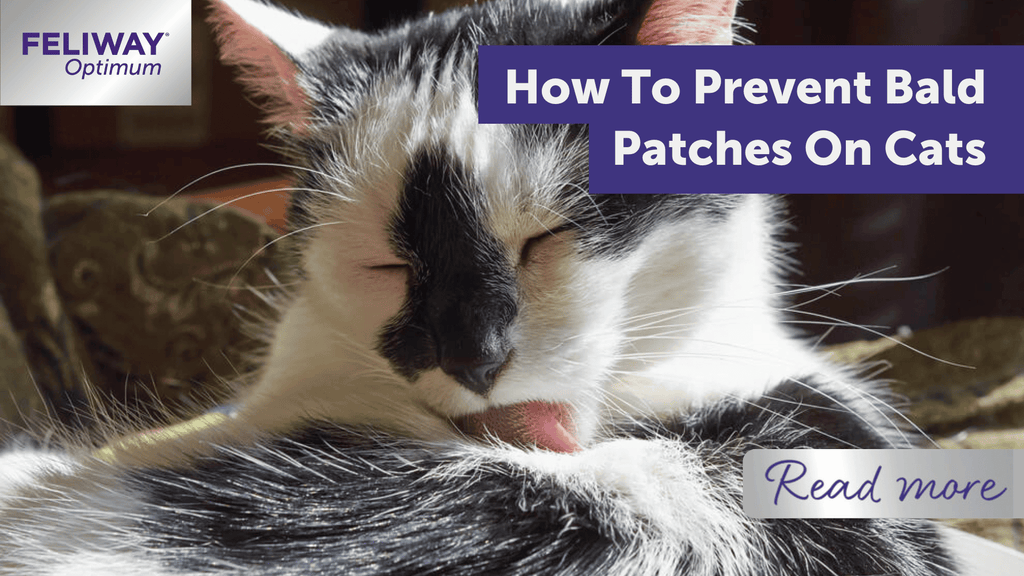
Over grooming is when a cat licks or chews its fur too much. This can cause problems for your cat’s skin and fur.
Knowing the signs helps you act early and keep your cat healthy and happy.
Bald Patches And Redness
Bald patches appear when cats remove fur by licking or chewing. These spots can be small or large.
Redness shows irritation under the fur. It may look like sore or inflamed skin.
- Bald areas often look smooth and shiny
- Red skin may be warm or swollen
- Watch for scabs or crusts on the skin
Excessive Licking And Chewing
Cats normally groom, but too much licking or chewing is a concern. It may last for hours.
Over grooming can cause fur loss and skin damage. Your cat may focus on one spot a lot.
- Licking until the fur is wet or missing
- Chewing that causes redness or sores
- Repeated grooming in the same area
Behavioral Changes
Cats that over groom often act different. They might seem restless or stressed.
Look for changes like hiding, less play, or more scratching than usual.
- Increased anxiety or nervousness
- Less interest in food or toys
- More time spent grooming than usual
Environmental Changes
Cats sometimes groom too much because of stress or boredom. Changing their environment can help stop this behavior.
Small changes at home can make your cat feel safer and calmer. This lowers the need to over groom.
Creating A Calm Space
Give your cat a quiet place to relax. This helps reduce stress and stops over grooming.
Use soft bedding and keep the area away from loud noises or busy spots. A calm space feels safe.
- Choose a quiet corner or room
- Add a cozy bed or blanket
- Keep the space clean and free of clutter
- Limit loud sounds and sudden movements
Increasing Playtime And Interaction
Play helps your cat use energy and reduces boredom. This lowers stress and over grooming.
Spend time each day playing with your cat. Use toys that encourage chasing and jumping.
- Use feather wands and laser pointers
- Play for at least 15 minutes daily
- Try puzzle feeders to make mealtime fun
- Offer new toys to keep interest high
Using Pheromone Products
Pheromone products help cats feel calm and safe. They can reduce stress-related grooming.
Use diffusers, sprays, or collars with synthetic cat pheromones. These products mimic natural calming scents.
- Plug in a pheromone diffuser in your cat’s room
- Spray pheromones on bedding or favorite spots
- Choose a pheromone collar for constant effect
- Use products as directed for best results

Credit: www.reddit.com
Diet And Health Care
Over grooming in cats can cause skin problems and hair loss. Diet and health care play a big role in stopping this behavior.
Proper nutrition and regular health checks help keep your cat calm and healthy. This lowers the chances of over grooming.
Nutritional Adjustments
A balanced diet supports your cat’s skin and coat health. Poor nutrition can lead to itchy skin and over grooming.
Adding omega-3 fatty acids can reduce inflammation and improve coat condition. These nutrients come from fish oils and supplements.
- Feed high-quality cat food with essential nutrients
- Include omega-3 and omega-6 fatty acids
- Provide fresh water to keep skin hydrated
- Avoid foods that cause allergies or sensitivities
Regular Vet Checkups
Routine vet visits help find health problems early. Vets can check for skin infections or parasites that cause itching.
Vets also advise on diet changes and treatments. Regular exams keep your cat’s health on track to prevent over grooming.
- Schedule vet visits every 6 to 12 months
- Ask the vet about skin and coat health
- Check for fleas, mites, or allergies
- Follow vet advice for supplements or medicines
Treating Underlying Conditions
Over grooming can happen because of stress or health issues. Treating these problems helps stop the behavior.
Skin infections, allergies, or pain cause cats to lick more. Finding and treating these issues lowers over grooming risks.
- Identify any skin infections with your vet
- Manage allergies with proper medication
- Reduce stress with a calm environment
- Use vet-prescribed treatments for pain or irritation
Behavioral Interventions
Over grooming in cats can cause skin problems and discomfort. Behavioral interventions help reduce this habit safely.
These interventions focus on changing your cat’s behavior to stop excess licking or biting. They create healthier habits.
Distraction Techniques
Distraction helps shift your cat’s focus from grooming to other activities. It breaks the habit by offering something else to do.
Use toys or sounds to catch your cat’s attention when it starts over grooming. This stops the behavior quickly.
- Offer a favorite toy when grooming begins
- Use gentle noises to redirect your cat
- Play interactive games to keep them busy
- Change the environment to reduce triggers
Positive Reinforcement
Reward your cat when it stops grooming too much. This encourages good behavior by linking it to treats or praise.
Give small treats or gentle petting after calm moments. This helps your cat learn that less grooming brings rewards.
- Use treats your cat loves
- Give rewards right after stopping grooming
- Speak softly and use gentle petting
- Be consistent with rewards every day
Training And Enrichment
Training your cat can reduce stress that causes over grooming. Enrichment adds fun and mental challenges to their day.
Provide climbing trees, puzzle feeders, and new toys. Teach simple commands to keep your cat active and engaged.
- Introduce climbing shelves or cat trees
- Use puzzle feeders for slow eating
- Rotate toys to keep interest high
- Teach commands like “sit” or “come”
Using Protective Gear
Cats may over groom because of stress, allergies, or skin problems. Protective gear can help stop this behavior. It keeps cats from licking or scratching their skin.
Using the right gear helps your cat heal faster. It also prevents sores and infections from getting worse. Here are two common types of protective gear.
Elizabethan Collars
Elizabethan collars, or e-collars, are cone-shaped devices. They fit around your cat’s neck to block access to its body. This stops licking and scratching.
E-collars come in many materials and sizes. Hard plastic collars are common but can be uncomfortable. Soft fabric collars give more comfort but still protect well.
- Prevent your cat from reaching wounds or irritated skin
- Reduce chance of infection or injury
- Easy to clean and reusable
- Require adjustment for comfort
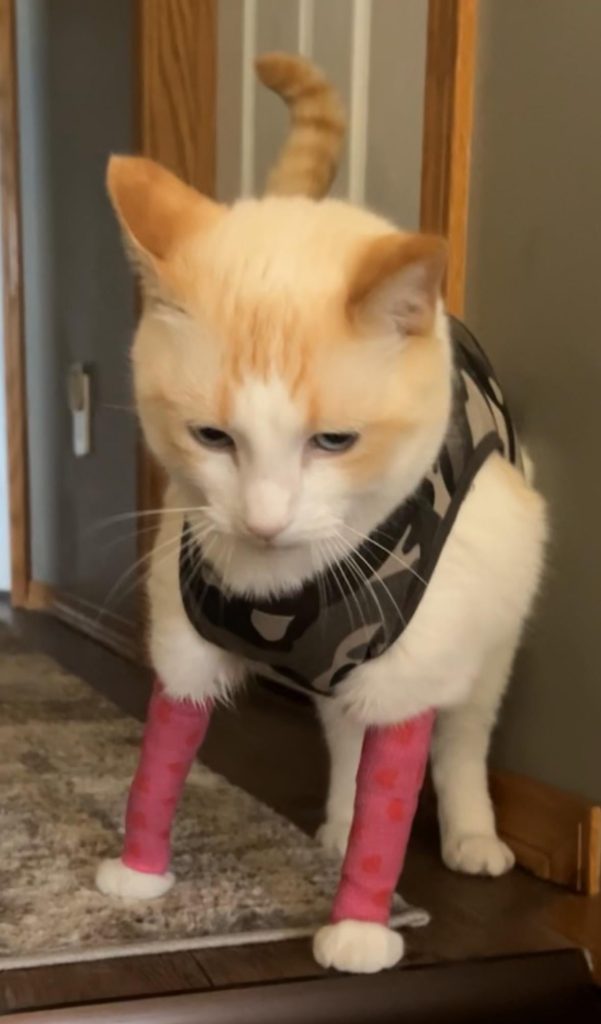
Soft Recovery Suits
Soft recovery suits cover your cat’s body like clothing. They protect skin without using a collar. These suits stop your cat from licking or biting sore spots.
Recovery suits are made of stretchy, breathable fabric. They allow your cat to move freely and stay comfortable during healing.
- Protect large areas of skin at once
- Less stressful for cats who dislike collars
- Washable and reusable
- Must fit well to avoid slipping

Credit: www.reddit.com
Frequently Asked Questions
Why Is My Cat Over Grooming Itself?
Cats over groom due to stress, allergies, or skin infections. It can also be caused by boredom or parasites. Identifying the cause helps in providing the right treatment and reducing excessive grooming.
How Can I Reduce My Cat’s Over Grooming Habit?
Provide a calm environment and enrich your cat’s surroundings. Use vet-recommended treatments for allergies or parasites. Regular playtime and mental stimulation help reduce stress-induced grooming.
When Should I See A Vet For Over Grooming?
Consult a vet if grooming leads to hair loss, sores, or skin damage. Persistent grooming despite home care requires professional diagnosis and treatment to prevent complications.
Can Diet Affect My Cat’s Grooming Behavior?
Yes, poor nutrition or food allergies can cause skin irritation. Feeding a balanced, hypoallergenic diet may reduce itching and over grooming. Consult your vet for the best dietary options.
Conclusion
Helping your cat stop over grooming takes patience and care. Observe their behavior closely. Identify stress triggers and reduce them. Provide engaging toys and activities. This helps distract and calm them. Ensure their diet is balanced and nutritious. Regular vet check-ups are essential.
They help rule out underlying health issues. Remember, every cat is unique. What works for one might not work for another. Be patient and consistent with your efforts. A happy, healthy cat grooms moderately. You’ll see positive changes with time and care.
Your cat’s well-being is your reward.