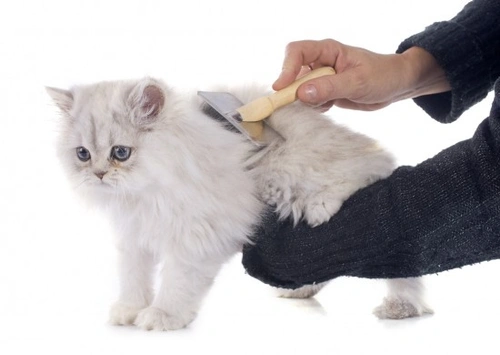
Grooming a long-haired cat can feel like a big job, but it doesn’t have to be hard. If you want your cat’s coat to stay soft, shiny, and free of tangles, you need the right tips and tools.
Imagine how much easier your life could be with simple steps that keep your furry friend comfortable and happy. In this guide, you’ll discover exactly how to groom your long-haired cat without stress—for both of you. Ready to make grooming a breeze?
Let’s get started.
Credit: tryfurgo.com
Choosing The Right Tools
Grooming a long haired cat takes patience and the right tools. Using proper equipment makes grooming easier and keeps your cat comfortable.
Choosing tools designed for long hair helps prevent tangles and mats. It also protects your cat’s skin during brushing.
Brush Types For Long Hair
Long haired cats need brushes that reach deep into their fur. This removes loose hair and stops mats from forming.
Slicker brushes and pin brushes are popular choices. They work well for detangling and keeping the coat smooth.
- Slicker Brush:Thin wires remove mats gently.
- Pin Brush:Wide pins detangle without hurting skin.
- Bristle Brush:Adds shine by spreading natural oils.
Combs And Their Uses
Combs help find small tangles and remove loose fur. They are good for sensitive areas like the face and tail.
Wide-toothed and fine-toothed combs have different jobs. Wide-toothed combs work on thick mats. Fine-toothed combs catch small knots and fleas.
- Wide-Toothed Comb:Untangles large knots safely.
- Fine-Toothed Comb:Removes small tangles and dirt.
- Flea Comb:Detects and removes fleas and eggs.
Additional Grooming Supplies
Besides brushes and combs, other supplies help with grooming long haired cats. These make grooming smoother and more effective.
Grooming gloves, scissors, and detangling sprays are useful tools. They help remove loose fur and keep the coat healthy.
- Grooming Gloves:Remove loose hair by stroking your cat.
- Scissors:Trim mats carefully if needed.
- Detangling Spray:Makes brushing easier and less painful.
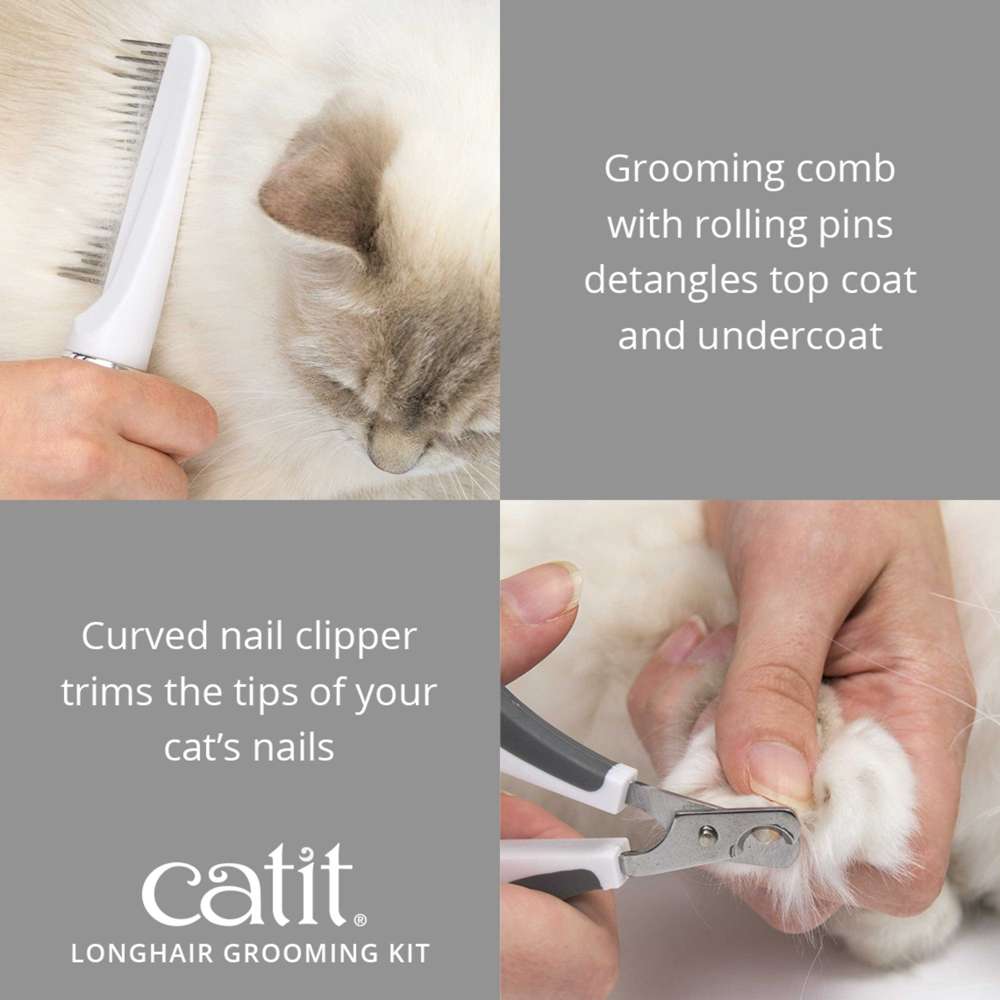
- Nail Clippers:Keep claws trimmed to avoid scratches.

Credit: www.reddit.com
Preparing Your Cat For Grooming
Grooming a long haired cat takes patience and care. Preparing your cat well helps make grooming easier.
Start by understanding your cat’s needs. Gentle preparation reduces stress for both you and your pet.
Creating A Calm Environment
Choose a quiet, comfortable space to groom your cat. Remove loud noises and distractions from the area.
Soft lighting helps your cat feel safe. Keep the room warm so your cat stays relaxed during grooming.
- Pick a quiet, familiar room
- Keep lighting soft but clear
- Maintain a warm temperature
- Remove other pets or distractions
Handling Techniques To Reduce Stress
Use slow, gentle movements when touching your cat. Speak in a calm, soft voice to comfort them.
Hold your cat securely but without squeezing. Let them feel safe and supported during grooming.
- Move your hands slowly and gently
- Talk softly to your cat
- Support your cat’s body comfortably
- Watch for signs of stress or fear
When To Start Grooming Sessions
Begin grooming when your cat is calm and relaxed. Avoid grooming right after meals or playtime.
Short sessions work best at first. Gradually increase grooming time as your cat gets used to it.
- Groom during quiet, calm moments
- Keep initial sessions short, around 5 minutes
- Increase grooming time slowly
- Stop if your cat becomes upset
Brushing Techniques
Grooming a long-haired cat needs care and the right brushing skills. Proper brushing keeps your cat’s coat clean and smooth.
Using the right techniques makes brushing safe and comfortable for your cat. It also helps avoid fur problems.
Detangling Knots And Mats
Long-haired cats can get knots and mats in their fur. These can hurt your cat if not removed gently. Start by using your fingers to loosen small tangles. For bigger mats, use a wide-tooth comb carefully. Never pull hard to avoid hurting your cat.
- Hold the fur close to the skin to avoid pulling
- Work on small sections at a time
- Use a detangling spray if needed
- Be patient and calm during grooming
Brushing Direction And Frequency
Brush your cat in the direction of hair growth. This reduces discomfort and helps remove loose hair. Brush daily or every other day to keep the coat healthy. Regular brushing stops mats from forming and spreads natural oils in the fur.
| Frequency | Reason |
| Daily | Prevents mats and reduces shedding |
| Every other day | Maintains smooth fur and cleanliness |
| Weekly | May lead to tangles and fur problems |
Preventing Hair Breakage
Hair breakage happens if you brush too hard or use wrong tools. Use a soft-bristle brush or a comb made for long hair. Brush gently and avoid tugging. Stop if you see any pain or skin irritation on your cat.
- Choose tools designed for long hair
- Brush slowly and softly
- Keep your cat relaxed during brushing
- Check the skin for redness or sores
Bathing Your Long Haired Cat
Bathing a long haired cat helps keep its coat clean and healthy. It removes dirt, oils, and loose fur.
Many cats dislike water, so you need to be gentle and patient. Using the right tools makes the bath easier.
Choosing Cat-friendly Shampoos
Pick shampoos made especially for cats. These are gentle and safe for their skin.
Avoid shampoos with strong chemicals or perfumes. These can irritate your cat’s skin and eyes.
- Look for “hypoallergenic” or “for sensitive skin” labels
- Choose shampoos without harsh fragrances or dyes
- Avoid human shampoos or dog shampoos
- Use shampoo with natural ingredients if possible
Step-by-step Bathing Process
Prepare everything before you start the bath. Use warm water and a non-slip mat in the sink or tub.
Keep calm and talk softly to your cat. Wet the fur carefully, avoiding the head and ears.
- Brush your cat to remove tangles before wetting
- Use a cup or sprayer to wet the coat gently
- Apply shampoo and massage it through the fur
- Rinse thoroughly to remove all shampoo
- Use a washcloth to clean the face without water in eyes
- Keep your cat warm and safe during the bath
Drying Tips For A Fluffy Coat
Dry your cat quickly to avoid chills. Use a soft towel and gently pat the fur dry.
If your cat allows, use a hair dryer on the lowest heat and speed. Keep it far from the skin.
- Wrap your cat in a thick towel after the bath
- Pat the fur instead of rubbing to prevent tangles
- Use a brush to keep the coat smooth while drying
- Keep your cat indoors until fully dry
Maintaining Coat Health
Long haired cats need special care to keep their coats healthy. Regular grooming helps prevent mats and tangles.
Good coat health starts with proper care and attention every day. This keeps your cat comfortable and happy.
Diet And Nutrition Impact
A healthy diet supports a shiny and strong coat. Nutrients like omega-3 and omega-6 fatty acids are important.
Proper hydration also keeps the skin moist and less prone to dryness. Feed high-quality cat food made for long-haired cats.
- Include foods rich in fatty acids
- Ensure fresh water is always available
- Avoid too many treats or fillers
- Consider supplements if vet approves
Regular Grooming Schedule
Brush your long haired cat daily to stop mats and reduce hairballs. Use a wide-tooth comb or slicker brush.
Bathing your cat occasionally helps keep the coat clean. Trim nails and check ears during grooming time.
- Brush at least once every day
- Bath every 4 to 6 weeks if needed
- Check for debris or dirt in fur
- Keep grooming sessions calm and positive
Signs Of Skin Or Coat Issues
Look for dry patches, redness, or hair loss. These signs may mean a skin problem or allergies.
If your cat scratches or licks often, check the skin closely. Bad coat condition can lead to infections.
- Bald spots or thinning fur
- Red or inflamed skin
- Excessive scratching or licking
- Scabs or sores on the skin
Credit: catit.us
Dealing With Common Challenges
Grooming a long haired cat can be tough. Cats have different needs and personalities.
Some cats shed a lot, some dislike touch in certain areas, and some are shy or old. This guide helps you with these issues.
Managing Shedding
Shedding is normal for long haired cats. It can make your home messy and cause hairballs.
- Brush your cat daily to remove loose hair.
- Use a wide-toothed comb to prevent pulling.
- Keep your cat hydrated to reduce shedding.
- Feed a balanced diet for healthy fur.
- Clean your cat’s bedding often.
Handling Sensitive Areas
Some cats do not like being touched near their belly, tail, or paws. Be gentle and patient.
| Area | Tips |
| Belly | Start by petting other parts. Slowly move toward the belly. |
| Paws | Gently touch paws for a few seconds. Give treats after. |
| Tail | Brush softly from base to tip. Watch for signs of discomfort. |
Grooming Older Or Shy Cats
Older or shy cats may feel scared during grooming. Make the process calm and slow.
Try these tips for gentle grooming:
- Choose a quiet room with few distractions.
- Use soft brushes that do not pull hair.
- Take breaks if your cat gets stressed.
- Speak softly and offer small treats.
- Keep grooming sessions short and regular.
When To Seek Professional Help
Grooming a long haired cat can be tricky. Some problems need a groomer’s care.
Knowing when to get professional help keeps your cat healthy and comfortable.
Recognizing Grooming Problems
Look for mats that you cannot remove. Check for skin irritation or wounds. If your cat hides or resists grooming, it may hurt.
- Large mats or tangles
- Red or swollen skin
- Unusual hair loss
- Bad smell or dirt buildup
- Behavior changes during grooming
Choosing A Professional Groomer
Pick a groomer with experience in long haired cats. Check reviews and ask about their tools and methods.
| Criteria | What to Ask |
|---|---|
| Experience | How long have you groomed long haired cats? |
| Techniques | What grooming methods do you use? |
| Handling | How do you calm nervous cats? |
| Safety | Do you have certifications or training? |
| Pricing | What are your rates and services? |
Benefits Of Regular Professional Grooming
Professional grooming keeps fur clean and mats away. It helps find health issues early. Groomers can trim nails safely.
- Maintains a healthy coat
- Detects skin problems early
- Reduces hairballs and shedding
- Keeps nails trimmed and safe
- Offers stress-free grooming
Frequently Asked Questions
How Often Should I Groom A Long-haired Cat?
Long-haired cats need grooming at least 3-4 times a week. Regular brushing prevents mats and reduces shedding. More frequent grooming may be needed during shedding seasons to maintain coat health and comfort.
What Tools Are Best For Grooming Long-haired Cats?
Use a slicker brush and wide-tooth comb for detangling. A grooming glove helps remove loose fur. These tools keep the coat smooth and reduce hairballs effectively.
How Do I Prevent Mats In My Cat’s Fur?
Brush your cat regularly to prevent mats. Focus on areas like behind ears and under legs. If mats form, gently tease them apart or consult a groomer to avoid hurting your cat.
Can Grooming Improve My Cat’s Skin Health?
Yes, grooming stimulates skin and promotes oil distribution. It helps remove dirt and dead skin cells. Regular grooming also allows early detection of skin issues like fleas or infections.
Conclusion
Grooming a long-haired cat requires regular attention and patience. Brush their fur daily to prevent tangles and mats. Use a gentle brush suited for long hair. Keep your cat calm and relaxed during grooming sessions. Trim nails carefully to avoid injury.
Check their ears and eyes for any signs of infection. Bathing is necessary but should be occasional. Dry their fur thoroughly after a bath. Provide a balanced diet to maintain healthy skin and coat. With these steps, your cat stays happy and beautiful.
Enjoy your time grooming and bonding with your furry friend.