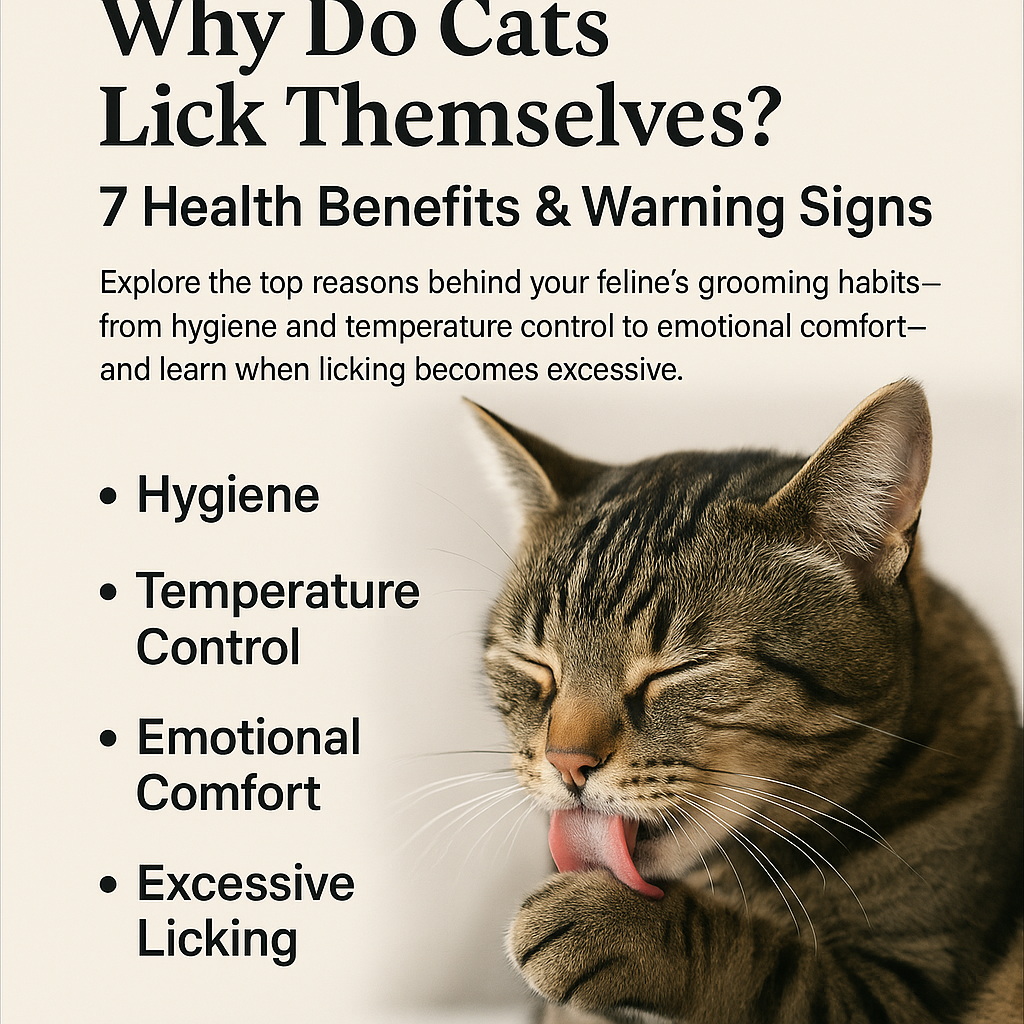
Have you ever watched your cat spending hours licking her fur and wondered, “Why does my cat keep grooming herself so much?” You’re not alone. Cats are famous for being clean, but sometimes their grooming habits can seem excessive or even worrying.
Understanding why your cat grooms herself can help you spot if something is wrong or simply learn more about her unique personality. Keep reading to uncover the surprising reasons behind your cat’s constant grooming and what it means for her health and happiness.

Credit: www.reddit.com
Normal Grooming Habits
Cats groom themselves every day to stay clean and healthy. Grooming is a natural habit for them.
It helps cats remove dirt, loose fur, and parasites. Grooming also keeps their skin healthy.
Daily Grooming Routine
Cats spend a lot of time licking their fur each day. They use their tongues to clean every part of their body.
They start with their face, then move to their neck, back, and legs. Grooming also helps them cool down.
- Licking removes dirt and loose fur
- Helps spread natural oils on the coat
- Cooling effect by saliva evaporation
- Stimulates blood flow under the skin
Benefits Of Self-cleaning
Self-cleaning keeps cats free from germs and parasites. It prevents infections and skin problems.
Grooming also lowers stress. It helps cats feel calm and comfortable in their space.
- Removes dirt and parasites
- Prevents skin infections
- Reduces stress and anxiety
- Promotes healthy fur and skin
Breed Differences In Grooming
Some cat breeds groom more than others. Long-haired cats spend more time cleaning their fur.
Short-haired cats groom less but still keep themselves tidy. Hairless cats need extra help from owners.
- Long-haired breeds: more grooming needed
- Short-haired breeds: less grooming time
- Hairless breeds: need owner’s cleaning help
- Breed coat type affects grooming habits
Health Issues Behind Excessive Grooming
Cats groom themselves to stay clean and healthy. But too much grooming can mean health problems. This guide explains common causes of excessive grooming in cats.
Understanding these health issues helps you support your cat’s wellbeing. Watch for signs and get vet advice if needed.
Skin Allergies And Irritations
Skin allergies cause itching and discomfort. Cats may lick or scratch to feel better. Common triggers include pollen, dust, and food ingredients.
- Red or swollen skin
- Hair loss in spots
- Dry or flaky patches
- Constant licking or biting
Parasites And Fleas
Parasites like fleas cause intense itching. Your cat may groom excessively to remove them. Flea bites often lead to skin inflammation.
| Parasite | Symptoms |
| Fleas | Itchy skin, red bumps, flea dirt |
| Mites | Hair loss, scabs, inflammation |
| Ticks | Swollen skin, irritation, hair loss |
Pain Or Discomfort
Pain can cause your cat to groom a sore area. This may happen after injuries or arthritis. Grooming helps soothe pain but can cause hair loss.
Signs your cat may be in pain include:
- Hiding more than usual
- Reduced activity or play
- Changes in eating habits
- Frequent licking of one spot
Stress And Behavioral Causes
Cats often groom themselves to stay clean. Sometimes, grooming happens more than usual. Stress and behavior can cause this extra grooming.
Understanding why your cat grooms a lot helps you keep her happy and healthy. Some reasons are anxiety, marking territory, and compulsive habits.
Anxiety And Boredom
Cats feel anxious or bored without enough stimulation. Grooming can calm them down or fill time. Too much grooming may show stress.
- Changes in home or routine can cause anxiety.
- Lack of toys or playtime may lead to boredom.
- Loneliness can make a cat groom more.
- New pets or people can increase stress.
Territorial Marking
Cats use scent to mark their space. Grooming spreads their scent on fur. This helps them feel safe in their territory.
| Reason | How Grooming Helps |
| New environment | Spreads familiar scent to reduce stress |
| Other animals nearby | Marks area as theirs |
| Visitors in the home | Reinforces personal scent |
Compulsive Grooming
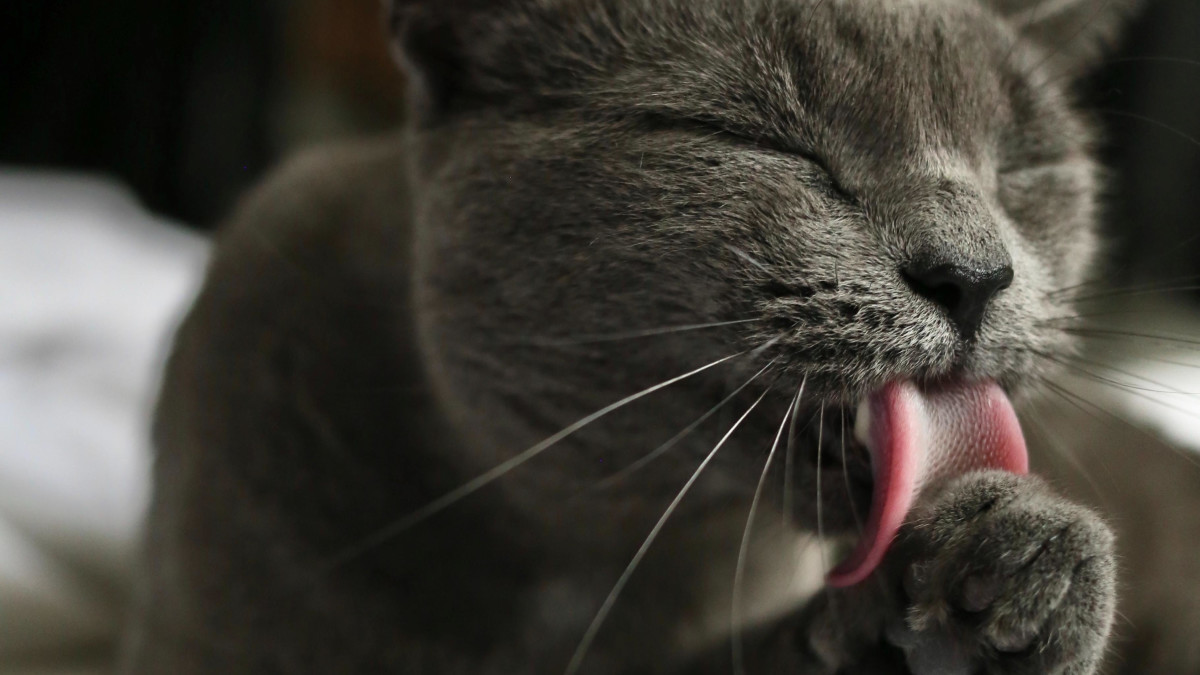
Some cats groom so much it harms their skin. This is called compulsive grooming. It can be from stress or medical issues.
Signs of compulsive grooming:
- Hair loss or bald spots
- Red or irritated skin
- Constant licking or biting
- Grooming even when clean
If you see these signs, a vet visit is important.
Credit: pethelpful.com
Environmental Factors
Cats groom themselves to stay clean and comfortable. Their environment affects how much they groom. Changes around them can make grooming increase or change.
Understanding environmental factors helps owners know why their cat grooms often. Some causes are easy to fix. Others may need attention.
Changes In Home Environment
When the home changes, cats may feel stress. New furniture, visitors, or moving can cause this. Stress leads to more grooming as a comfort behavior.
- New pets or people in the house
- Rearranged furniture or new smells
- Loud noises or construction nearby
- Different lighting or temperature changes
Seasonal Influences
Seasons affect a cat’s coat and skin. Cats may groom more in spring and fall. They shed old fur and grow new fur. Grooming helps this process.
| Season | Grooming Reason |
| Spring | Shedding winter coat |
| Summer | Less grooming, thinner coat |
| Fall | Growing thick winter coat |
| Winter | Less grooming, cold weather |
Exposure To Irritants
Cats groom more if something irritates their skin. Chemicals, dust, or plants can cause this. Grooming tries to clean or soothe the skin.
Common irritants include:
- Household cleaners and sprays
- Perfumes and air fresheners
- Dust mites and pollen
- Certain plants like lilies
Keep these away from your cat to reduce grooming caused by irritation.
When To See A Vet
Cats groom themselves often to stay clean. Sometimes, grooming can become too much. This can hurt their skin or cause hair loss.
If your cat grooms too much, you should watch closely. Knowing when to see a vet is important for your cat’s health.
Signs Of Overgrooming
Overgrooming can cause physical and behavior changes. These signs help you know if your cat needs help.
- Red or irritated skin
- Hair loss or bald spots
- Scabs or wounds
- Excessive licking or biting
- Restlessness or anxiety
Diagnostic Approaches
A vet will check your cat’s skin and fur. They may ask about your cat’s habits and environment.
| Test | Purpose |
| Skin scraping | Find parasites or infections |
| Allergy tests | Check for allergies |
| Blood tests | Rule out illness or hormone issues |
| Behavior evaluation | Assess stress or anxiety |
Treatment Options
Treatment depends on the cause of overgrooming. Your vet will suggest the best plan.
- Medications for allergies or infections
- Special shampoos for skin care
- Stress reduction techniques
- Environmental changes to reduce anxiety
- Follow-up visits to track progress
Tips To Manage Grooming Behavior
Cats groom themselves to stay clean and calm. Sometimes, they groom too much. This can cause skin problems or hair loss.
Here are simple tips to help manage your cat’s grooming behavior. These tips focus on making your cat feel happy and healthy.
Providing Enrichment And Play
Give your cat toys and activities. Play helps reduce extra grooming caused by boredom or stress.
- Offer new toys regularly
- Use interactive toys to engage your cat
- Set playtime sessions daily
- Provide scratching posts and climbing areas
- Rotate toys to keep interest high
Improving Diet And Skin Health
A good diet supports healthy skin and fur. Poor nutrition can make your cat itch and groom more.
| Nutrient | Benefit |
| Omega-3 Fatty Acids | Reduce inflammation and improve coat shine |
| Protein | Build healthy skin and fur |
| Vitamins A and E | Support skin repair and moisture |
| Water | Keep skin hydrated |
Reducing Stress Triggers
Stress can cause a cat to groom too much. Find and reduce things that upset your cat.
Common stress triggers include:
- Changes in the home environment
- New pets or people
- Loud noises or sudden movements
- Lack of a quiet safe space
Keep your cat’s routine steady. Give them a cozy spot to relax.

Credit: www.reddit.com
Frequently Asked Questions
Why Does My Cat Groom Herself So Often?
Cats groom frequently to stay clean, remove dirt, and regulate body temperature. Grooming also reduces stress and strengthens their bond with themselves.
Can Excessive Grooming Indicate A Health Problem?
Yes, excessive grooming may signal allergies, parasites, or skin infections. If your cat grooms too much, consult a veterinarian for diagnosis and treatment.
How Does Grooming Benefit A Cat’s Health?
Grooming removes loose fur and dirt, preventing skin issues. It also stimulates blood circulation and helps cats relax, promoting overall well-being.
Is Grooming A Way For Cats To Relieve Stress?
Absolutely, grooming calms cats by releasing endorphins. It helps them cope with anxiety or changes in their environment.
Conclusion
Cats groom themselves for several reasons. It’s part of their nature. Grooming keeps them clean and healthy. It also helps them relax. But excessive grooming can signal stress or health issues. Pay attention to your cat’s habits. Consult a vet if you notice changes.
Understanding your cat’s grooming can improve your bond. It shows care and love. With patience, you can ensure your cat’s well-being. After all, a happy cat means a happy home. So keep observing, and enjoy your time with your furry friend.