
Have you ever thought about turning your love for cats into a rewarding career? Becoming a cat groomer might be the perfect path for you.
Imagine spending your days helping cats look and feel their best, while doing work that truly matters. But how do you get started? What skills do you need, and where can you learn them? You’ll discover the simple steps to become a skilled cat groomer, even if you’re starting from scratch.
Keep reading, and you’ll find out everything you need to know to make your dream job a reality.
Skills Needed For Cat Grooming
Becoming a cat groomer requires special skills. These skills help you care for cats safely and kindly.
Good cat groomers understand cats well. They use the right techniques to keep cats calm and clean.
Patience And Gentleness
Patience is very important when grooming cats. Cats can be nervous or scared during grooming.
Gentleness helps you handle cats without hurting them. Soft touches keep cats relaxed and safe.
- Move slowly and calmly
- Give cats time to get used to you
- Use gentle strokes and light pressure
Knowledge Of Cat Behavior
Understanding cat behavior helps you avoid stress and bites. Cats show signs when they feel unsafe.
Knowing how cats communicate helps you work safely. You can tell when a cat wants a break or is comfortable.
- Watch for tail flicks and ear positions
- Notice when cats hiss or growl
- Learn to read body language
Basic Grooming Techniques
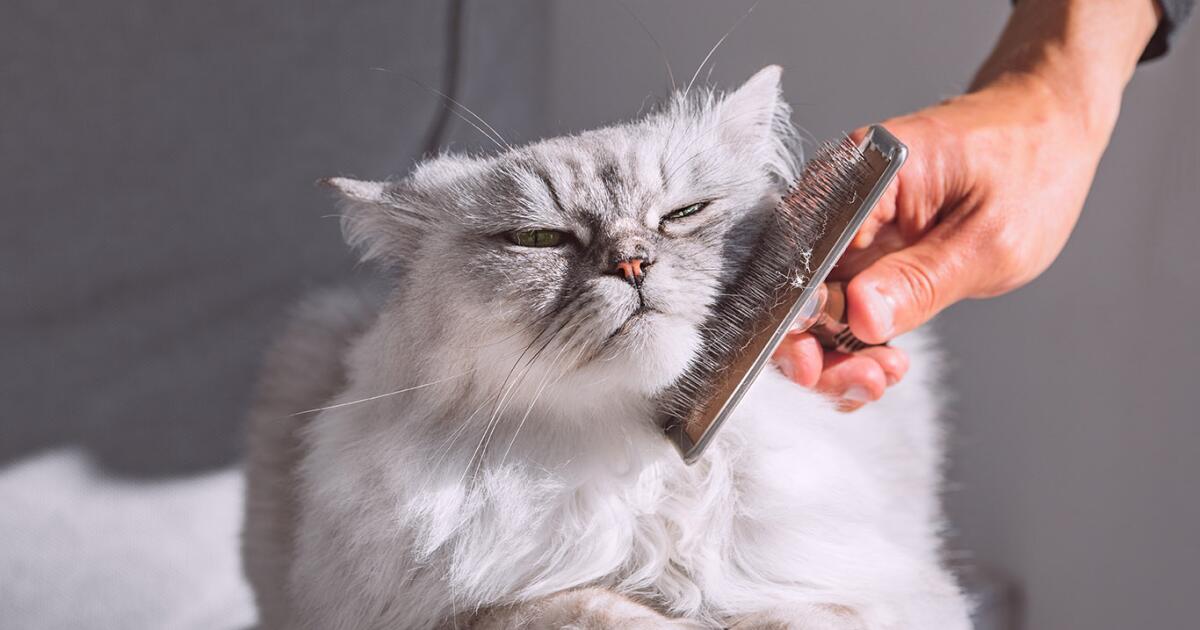
Learning basic grooming techniques is key to becoming a cat groomer. You need to know how to brush, bathe, and trim safely.
Using the right tools and methods makes grooming easier. It helps keep cats comfortable and clean.
- Use brushes suited for different fur types
- Trim nails carefully to avoid injury
- Give baths with warm water and mild shampoo
Credit: www.latimes.com
Training And Certification
Becoming a cat groomer requires proper training and certification. These help you learn the skills to care for cats safely.
Training teaches grooming techniques, while certification shows your professionalism. Both are important for success.
Finding Grooming Courses
You can find cat grooming courses online or in person. Look for courses that focus on cat care and grooming.
Good courses cover topics like handling cats, using grooming tools, and safety procedures.
- Check local pet grooming schools
- Search for online cat grooming classes
- Look for courses with experienced instructors
- Read reviews before choosing a course
Certification Options
Certification proves you have the skills to groom cats well. Many organizations offer certification exams.
Some certificates require you to pass a test and show your grooming work. This helps build trust with clients.
- National Cat Groomers Institute of America (NCGIA)
- International Professional Groomers, Inc. (IPG)
- American Professional Pet Groomers Association (APPGA)
- Look for certifications recognized in your area
Hands-on Experience
Practice is key to becoming a good cat groomer. Hands-on experience helps you learn how to handle cats calmly.
Try working with experienced groomers or volunteer at animal shelters to gain real skills.
- Apprentice with a professional groomer
- Volunteer to groom cats at shelters
- Practice grooming your own or friends’ cats
- Learn to use grooming tools safely
Essential Grooming Tools
Becoming a cat groomer requires the right tools to keep cats clean and comfortable.
Using proper grooming tools helps you work safely and efficiently on different cat breeds.
Brushes And Combs
Brushes and combs remove loose hair and prevent mats in a cat’s coat.
- Slicker brushes are great for removing tangles and loose fur.
- Wide-toothed combs help detangle thick or long hair.
- Fine-toothed combs catch fleas and dirt near the skin.
- Bristle brushes smooth short-haired cats’ coats.
Clippers And Scissors
Clippers and scissors trim hair, especially around sensitive areas like paws and ears.
| Tool | Purpose | Tip |
| Electric Clippers | Cut thick or matted hair quickly | Use quiet clippers to reduce cat stress |
| Straight Scissors | Trim long hair evenly | Keep blades sharp for clean cuts |
| Thinning Scissors | Blend and thin thick fur | Use gently to avoid uneven patches |
Cleaning Supplies
Cleaning supplies keep your tools and work area safe and hygienic.
- Disinfectant sprays kill germs on brushes and scissors.
- Lint-free towels dry cats without pulling fur.
- Pet-safe wipes clean paws and faces after grooming.
- Gloves protect your hands during baths or nail trimming.

Credit: www.latimes.com
Building A Grooming Business
Starting a cat grooming business takes more than skill. You need a clear plan to attract clients and keep them happy. This guide covers key parts of building your grooming business.
Focus on your workspace, marketing, and customer service. Each part helps your business grow and succeed.
Setting Up Your Workspace
Create a safe and clean area for grooming cats. The space should be quiet to keep cats calm. Have all tools ready and organized for easy use.
- Choose a room with good lighting and ventilation
- Use non-slip mats on grooming tables
- Keep grooming tools sanitized and in one place
- Have a separate area for washing and drying cats
- Store cleaning supplies safely away from pets
Marketing Strategies
Let people know about your grooming service. Use simple ways to reach local cat owners. Show what makes your service special.
| Marketing Method | How to Use |
| Social Media | Post photos and tips about cat care |
| Flyers | Distribute at pet stores and vet offices |
| Local Events | Join fairs or pet shows to meet owners |
| Referral Discounts | Offer discounts for client referrals |
| Website | Create a simple site with contact info |
Customer Service Tips
Good customer service keeps clients coming back. Be friendly, listen to needs, and handle concerns well. Clear communication builds trust.
- Greet clients warmly and be polite
- Explain the grooming process before starting
- Answer questions clearly and patiently
- Follow up after grooming to ensure satisfaction
- Keep records of pets’ preferences and health
Dealing With Difficult Cats
Working with cats can be tricky, especially when they feel scared or upset. Some cats do not like grooming and may act out.
Understanding how to handle difficult cats helps keep both you and the cat safe during grooming sessions.
Calming Techniques
Calm cats are easier to groom. Use gentle voices and slow movements to help cats relax. Let the cat sniff your hand before touching.
Give breaks if the cat seems stressed. Use soft blankets or towels to wrap the cat gently and make them feel secure.
- Speak softly and calmly
- Move slowly and smoothly
- Allow the cat to sniff your hand
- Use a soft towel to wrap the cat if needed
- Give short breaks during grooming
Safety Precautions
Always protect yourself and the cat. Wear gloves and long sleeves to avoid scratches. Use proper tools designed for cats.
Keep the grooming area clean and quiet. Make sure the cat cannot escape or get hurt. Stay calm to keep the cat calm.
- Wear protective gloves and clothing
- Use cat-friendly grooming tools
- Keep the area quiet and safe
- Secure the cat to prevent escapes
- Stay calm and confident
When To Seek Help
Sometimes a cat is too scared or aggressive to groom safely. Ask a vet or a professional groomer for help in these cases.
Do not try to force grooming. It can hurt the cat or you. Knowing when to get help keeps everyone safe.
- If the cat bites or scratches a lot
- If the cat is very stressed or scared
- If you cannot finish grooming safely
- When special tools or sedation might be needed
- If you are unsure about the cat’s behavior

Credit: www.youtube.com
Staying Updated With Industry Trends
Being a cat groomer means learning new things often. The grooming world changes with new tools and techniques. Staying updated helps you give the best care to cats.
Knowing the latest trends keeps your skills sharp. It also helps you understand what cat owners want today.
Joining Professional Associations
Professional groups connect groomers with others in the field. They share news, tips, and advice. Joining these groups keeps you in the loop.
Associations often offer resources like newsletters and events. These help you learn about new products and care techniques.
- Access to expert advice
- Updates on grooming tools
- Networking with other groomers
- Discounts on training and supplies
Attending Workshops
Workshops teach you hands-on skills in cat grooming. They show new ways to handle cats gently and safely. Attending workshops keeps your skills fresh.
Workshops also let you ask questions and get feedback. This helps you improve faster and work better with cats.
- Learn new grooming techniques
- Practice with guidance
- Meet other groomers
- Stay updated on safety practices
Continuing Education
Continuing education means taking courses after you start working. These courses cover new grooming methods and cat care. They help you grow as a professional.
Many courses are online or in person. They let you learn at your own pace and improve your knowledge.
- Online classes on grooming styles
- Certifications for advanced skills
- Training on cat health and behavior
- Updates on industry regulations
Frequently Asked Questions
What Skills Are Needed To Become A Cat Groomer?
A cat groomer needs patience, attention to detail, and gentle handling skills. Knowledge of cat behavior and grooming techniques is essential. Good communication skills help with client interactions. Physical stamina and safety awareness are also important for successful grooming sessions.
How Do I Get Certified As A Cat Groomer?
Certification involves completing a grooming course focused on cats. Many programs offer hands-on training and exams. Some professional organizations provide recognized certificates. Certification improves credibility and job prospects. Always choose accredited courses to ensure quality education.
What Tools Are Essential For Cat Grooming?
Essential tools include clippers, grooming scissors, combs, and brushes. Nail clippers and ear cleaning supplies are also needed. High-quality, cat-specific tools ensure safety and comfort. Clean and maintain tools regularly to prevent infections and improve grooming results.
How Much Can A Cat Groomer Earn Annually?
Earnings vary by location, experience, and clientele. Entry-level groomers earn around $20,000 to $30,000 yearly. Experienced groomers or those owning salons can make $40,000 or more. Income depends on services offered and customer base size.
Conclusion
Embarking on a cat grooming career is rewarding. Start with learning the basics. Practice regularly to improve your skills. Build trust with both cats and their owners. Explore different grooming techniques and tools. Consider certifications to boost credibility. Network with fellow groomers for insights and support.
Keep up with industry trends and safety standards. Patience and care are essential in this field. A passion for animals will drive your success. Remember, every cat is unique. Tailor your approach to meet their needs. Your journey as a cat groomer promises fulfillment and joy.