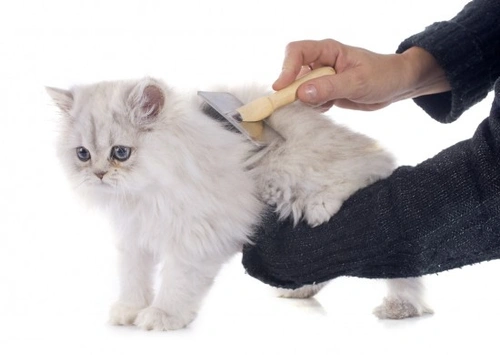
If you have a long-haired cat, you know how important regular grooming is to keep their coat shiny and healthy. But grooming a fluffy feline can feel tricky and time-consuming.
What if you could make the process easier and more enjoyable for both you and your cat? In this guide, you’ll discover simple, practical steps to tame tangles, prevent mats, and keep your cat comfortable during grooming. By the end, you’ll feel confident handling your cat’s long hair like a pro—making those grooming sessions stress-free and even fun.
Ready to transform your cat’s grooming routine? Let’s dive in!
Choosing The Right Tools
Grooming a long-haired cat needs special tools. The right tools make grooming easier and comfortable for your cat.
Using brushes, combs, and nail clippers designed for long hair helps keep your cat clean and healthy.
Brush Types For Long Hair
Choose brushes that can reach deep into the fur. Slicker brushes are good for removing loose hair and mats. Pin brushes work well for daily grooming. Avoid brushes that hurt your cat’s skin.
- Slicker Brush:Removes mats and tangles gently.
- Pin Brush:Smooths fur and removes loose hair.
- Bristle Brush:Adds shine and cleans surface fur.
Using Combs And Detanglers
Combs help find and remove knots that brushes miss. Use wide-tooth combs first, then fine-tooth combs for smoother fur. Detangling sprays make combing easier and less painful for your cat.
| Tool | Use |
|---|---|
| Wide-Tooth Comb | Loosen large knots without pulling |
| Fine-Tooth Comb | Smooth fur and remove small tangles |
| Detangling Spray | Softens hair for easier combing |
Selecting Nail Clippers
Choose nail clippers made for cats or small pets. Scissor-style clippers give control and safety. Guillotine clippers are quick but need careful use. Sharp blades cut cleanly and reduce stress for your cat.
- Look for comfortable grips to hold well.
- Pick clippers with a safety guard to avoid cutting too short.
- Keep clippers sharp for smooth cuts.
- Check for easy cleaning features.
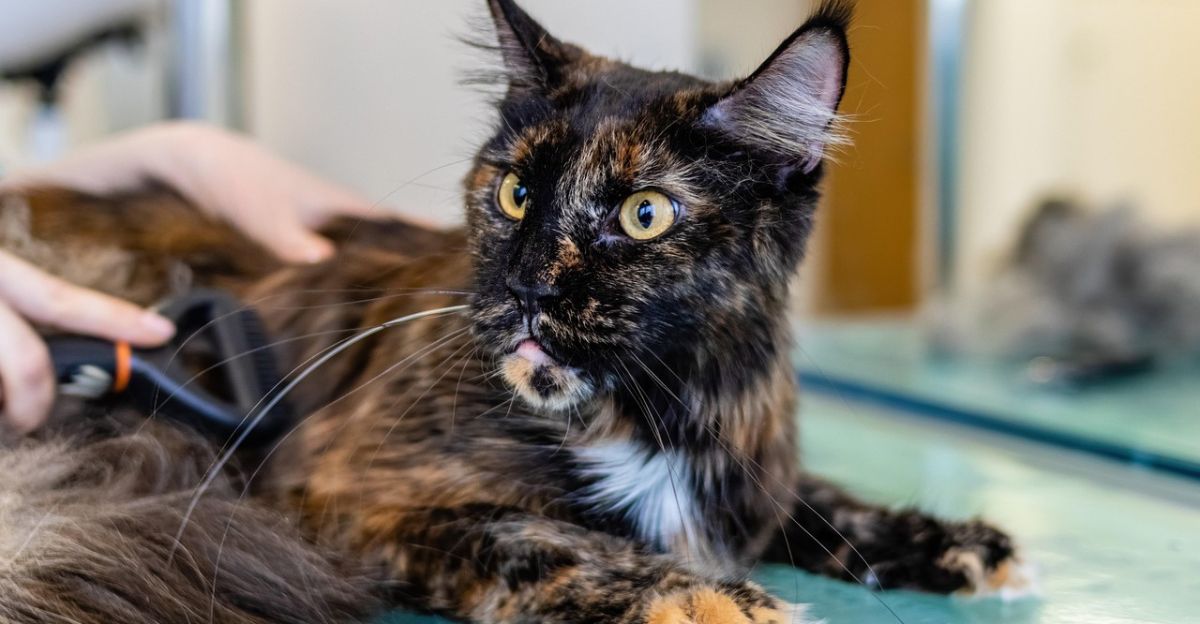
Credit: tryfurgo.com
Preparing Your Cat
Grooming a long-haired cat takes patience and care. Preparing your cat helps make the process easier.
Getting your cat ready means setting the right mood and time. This helps your cat stay calm and relaxed.
Creating A Calm Environment
Choose a quiet, comfortable spot for grooming. Avoid loud noises and sudden movements.
- Pick a warm room with soft lighting
- Close windows to block outside noise
- Keep other pets away during grooming
- Have all grooming tools ready and nearby
Getting Your Cat Comfortable
Help your cat feel safe before grooming. Use gentle touch and calm words to soothe your cat.
| Comfort Tip | Description |
| Petting | Stroke your cat softly to relax muscles |
| Soft Voice | Speak quietly to reduce anxiety |
| Treats | Offer small snacks as positive reinforcement |
| Slow Movements | Move hands slowly to avoid startling |
Timing Your Grooming Sessions
Choose a time when your cat is calm and relaxed. Avoid times when your cat is very active or hungry.
- Pick a quiet time after a nap
- Keep sessions short at first
- Gradually increase grooming time
- End grooming before your cat feels stressed
Brushing Techniques
Grooming a cat with long hair needs gentle brushing. It keeps their fur clean and tangle-free.
Using the right brushing techniques helps your cat stay comfortable and healthy.
Detangling Knots Safely
Long-haired cats can get knots in their fur easily. You must remove knots carefully to avoid pain.
Start by holding the knot gently to avoid pulling your cat’s skin. Use your fingers or a wide-tooth comb to loosen the tangle slowly.
- Hold the knot close to the skin
- Use fingers or a wide-tooth comb
- Work slowly to loosen the tangle
- Do not pull hard or rush
Brushing Direction And Pressure
Brush your cat in the direction of hair growth. This feels natural and reduces pulling.
Use light pressure with a soft brush. Hard brushing can hurt your cat and damage the fur.
- Brush with the hair, not against it
- Apply gentle strokes
- Use a soft-bristled brush
- Check for comfort while brushing
Handling Sensitive Areas
Some spots on your cat are more sensitive, like the belly, tail, and behind the ears. Brush these places carefully.
Use slow, gentle strokes and watch your cat’s reaction. Stop if your cat feels uncomfortable or tries to move away.
- Brush sensitive areas last
- Use very light pressure
- Watch for signs of discomfort
- Take breaks if needed
Bathing Your Long-haired Cat
Bathing a long-haired cat can help keep its fur clean and healthy. Many cats do not like water, so it is important to be gentle and patient.
Regular baths can reduce mats and remove dirt from thick fur. Use the right tools and products to make the bath easier for you and your cat.
Choosing Cat-friendly Shampoo
Select a shampoo made especially for cats. These shampoos have gentle ingredients that do not harm their skin or fur.
Avoid shampoos made for humans or dogs. They can irritate your cat’s skin and cause dryness or itching.
- Look for shampoos labeled “cat-safe” or “for cats”
- Choose products that are fragrance-free or lightly scented
- Use shampoo with moisturizing ingredients to protect fur
- Avoid harsh chemicals like parabens and sulfates
Step-by-step Bathing Process
Prepare everything before you start the bath. This helps keep your cat calm and safe.
- Brush your cat to remove loose fur and mats
- Fill a sink or tub with warm water, about 4-6 inches deep
- Gently place your cat in the water and wet its fur slowly
- Apply a small amount of shampoo and lather carefully
- Rinse all shampoo out with warm water
- Use a cup or gentle spray to rinse, avoiding the face
- Keep talking softly to comfort your cat during the bath
Drying Tips To Avoid Mats
Drying your cat properly helps stop mats from forming in its fur. Wet fur can tangle easily if not dried well.
Use a soft towel to pat your cat dry. Avoid rubbing too hard to prevent tangles or skin irritation.
- Wrap your cat in a towel to absorb water gently
- Use a wide-tooth comb or brush to detangle fur while drying
- If your cat allows, use a hairdryer on low heat and low speed
- Keep the dryer moving to avoid hot spots on the skin
- Dry your cat in a warm, draft-free room until fur feels dry
Trimming And Nail Care
Long-haired cats need regular grooming to stay healthy. Trimming their fur and caring for their nails helps prevent problems.
Proper trimming and nail care keep your cat comfortable and clean. This guide covers safe ways to trim fur and nails.
When And How To Trim Fur
Trim your cat’s fur if it gets matted or too long around sensitive areas. Focus on the belly, paws, and rear end.
- Use sharp, clean scissors or clippers made for pets.
- Cut small sections at a time to avoid mistakes.
- Hold the fur gently and keep your cat calm.
- Avoid cutting too close to the skin.
- Regular trims every few months help prevent mats.
Safe Nail Clipping Methods
Clip your cat’s nails carefully to avoid pain and bleeding. Use a nail clipper designed for cats or small animals.
- Hold your cat’s paw firmly but gently.
- Press the pad to extend the nail.
- Cut only the sharp tip, avoiding the pink quick inside.
- Stop if you see blood or your cat pulls away.
- Use styptic powder to stop bleeding if needed.
Preventing Overgrowth
| Care Tip | Why It Helps |
|---|---|
| Trim nails every 2 to 3 weeks | Prevents nails from getting too long or sharp |
| Check fur weekly for mats | Stops painful tangles and skin infections |
| Provide scratching posts | Keeps nails naturally worn down |
| Groom your cat gently and often | Reduces fur tangles and stress during trims |

Credit: www.reddit.com
Managing Hairballs
Long-haired cats often swallow hair when they groom themselves. This hair can form hairballs in their stomach.
Hairballs can cause discomfort and sometimes lead to health problems. Managing hairballs is important for your cat’s well-being.
Dietary Adjustments
Feeding your cat a special diet helps reduce hairballs. Some foods have more fiber to move hair through the digestive system.
Wet food can also help keep your cat hydrated. Proper hydration helps prevent hairballs from forming.
- Choose foods with added fiber
- Include wet food in your cat’s diet
- Ask your vet for hairball control formulas
Regular Grooming Benefits
Brushing your long-haired cat often removes loose fur. This stops your cat from swallowing too much hair.
Regular grooming also reduces matting and helps keep your cat’s coat healthy. It lowers the chance of hairballs forming.
- Brush daily or every other day
- Use a comb designed for long hair
- Check for mats and gently remove them
Products To Reduce Hairballs
Some products help reduce hairballs by easing hair passage through the gut. Hairball gels and treats are common examples.
These products are safe to use but should be given as directed. Consult your vet before starting any new product.
- Hairball control gels
- Special hairball treats
- Supplements with omega fatty acids
Signs Of Grooming Issues
Grooming a long-haired cat is important for its health. Sometimes, signs show that your cat needs extra care.
Watch your cat closely to spot any grooming problems early. This helps keep your cat happy and clean.
Detecting Skin Problems
Skin problems can appear as redness, bumps, or dry patches. These signs mean your cat’s skin needs attention.
Check for hair loss or scabs while brushing. These may show infections or allergies under the fur.
- Red or inflamed skin
- Scabs or sores
- Hair falling out in patches
- Dry or flaky skin
- Unusual bumps or lumps
Recognizing Stress In Cats
Stress can make grooming hard for long-haired cats. They may hide or refuse to sit still.
Look for signs like excessive licking or biting at fur. These behaviors might mean your cat is upset.
- Hiding or avoiding people
- Restlessness or pacing
- Excessive licking or biting
- Aggressive behavior
- Lack of appetite
When To Consult A Vet
If grooming problems do not improve, see a vet. Some issues need medical treatment.
Contact your vet if your cat shows wounds, constant scratching, or hair loss. Early help prevents worse problems.
- Open wounds or infections
- Severe hair loss
- Constant scratching or biting
- Swelling or lumps
- Signs of pain or discomfort

Credit: www.youtube.com
Maintaining A Grooming Routine
Grooming a long-haired cat takes time and care. Keeping a regular routine helps your cat stay clean and comfortable.
Consistency in grooming reduces mats and tangles. It also builds trust between you and your cat.
Setting A Schedule
Choose specific days and times for grooming. This helps your cat get used to the routine.
- Brush your cat at least three times a week.
- Check for mats or knots every time you groom.
- Trim nails monthly to keep paws healthy.
- Clean ears and eyes as needed to avoid infections.
Rewarding Your Cat
Giving rewards after grooming makes your cat feel happy. It helps your cat enjoy the process more.
- Offer small treats your cat likes.
- Use gentle petting and praise.
- Let your cat rest or play after grooming.
Adapting Techniques Over Time
Your cat’s needs may change as it grows older. Adjust your grooming style to fit those changes.
| Age | Grooming Focus | Notes |
|---|---|---|
| Kitten | Gentle brushing | Short sessions to build tolerance |
| Adult | Regular brushing and nail trims | Check for mats and skin health |
| Senior | Soft brushes and careful handling | Watch for arthritis or sensitive spots |
Frequently Asked Questions
How Often Should I Groom A Long-haired Cat?
Long-haired cats need grooming at least 3-4 times a week. Regular brushing prevents matting and reduces hairballs. It also keeps their coat shiny and healthy. Frequent grooming helps detect skin issues early, ensuring your cat stays comfortable and clean.
What Tools Are Best For Grooming Long-haired Cats?
Use a wide-toothed comb to detangle, followed by a slicker brush to remove loose hair. A grooming glove can help with shedding. For mats, use a dematting comb carefully. These tools make grooming easier and keep your cat’s fur smooth and healthy.
How To Prevent Mats In Long-haired Cat Fur?
Brush your cat daily, especially in areas prone to mats like behind ears and under legs. Regular grooming removes loose hair and dirt. Keeping your cat’s coat clean and moisturized also helps prevent mats. Early mat removal stops discomfort and skin infections.
Can Grooming Reduce Hairballs In Long-haired Cats?
Yes, regular grooming removes loose hair your cat would otherwise ingest. This reduces hairballs and digestive discomfort. Brushing also stimulates skin oils, promoting a healthy coat. Consistent grooming is essential for long-haired cats to minimize hairball problems.
Conclusion
Regular grooming keeps long-haired cats healthy and happy. Brush your cat often to prevent tangles and matting. Use gentle tools to avoid hurting your pet’s skin. Pay attention to sensitive areas like the belly and tail. Bathing is sometimes necessary, but not too often.
Trim nails carefully to avoid scratches. Regular check-ups with the vet are important too. With patience and love, grooming becomes a bonding time. Your cat feels relaxed and looks beautiful. Enjoy the time spent together. It strengthens your connection with your furry friend.
Happy grooming!