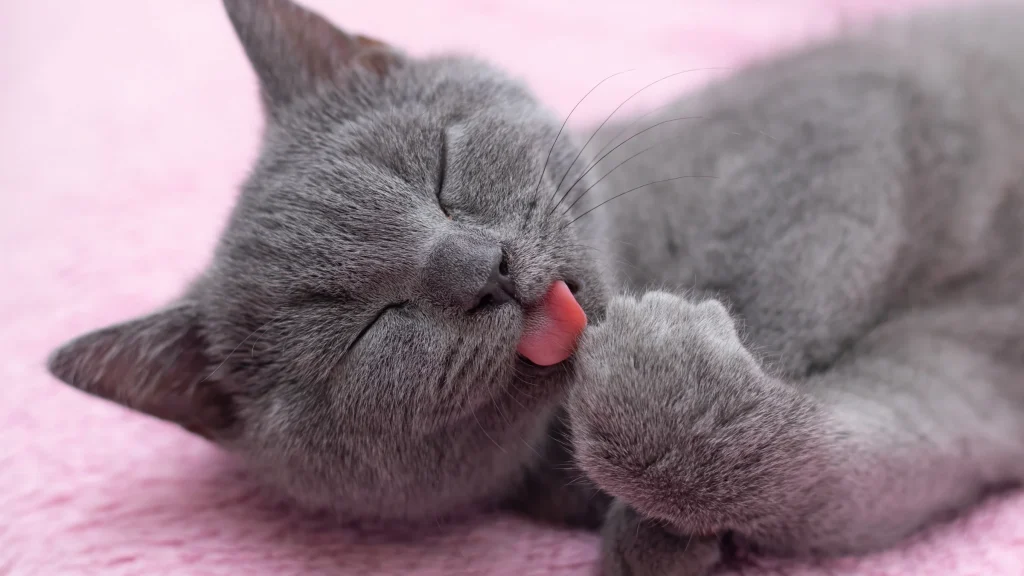
Have you ever caught your cat in the middle of one of their frequent grooming sessions and wondered why they spend so much time on it? If you’ve ever been curious about this behavior, you’re not alone.
Cats seem to be obsessed with grooming, but there’s more to it than just staying clean. Understanding why cats constantly groom themselves can deepen your appreciation for your feline friend and even help you better care for them. We’ll dive into the fascinating reasons behind this instinctive behavior, revealing insights that might surprise you.
Whether you’re a cat owner or just a feline enthusiast, discovering the secrets of your cat’s grooming habits will keep you intrigued. So, get ready to uncover the mysteries of why cats are so meticulous about keeping themselves tidy.
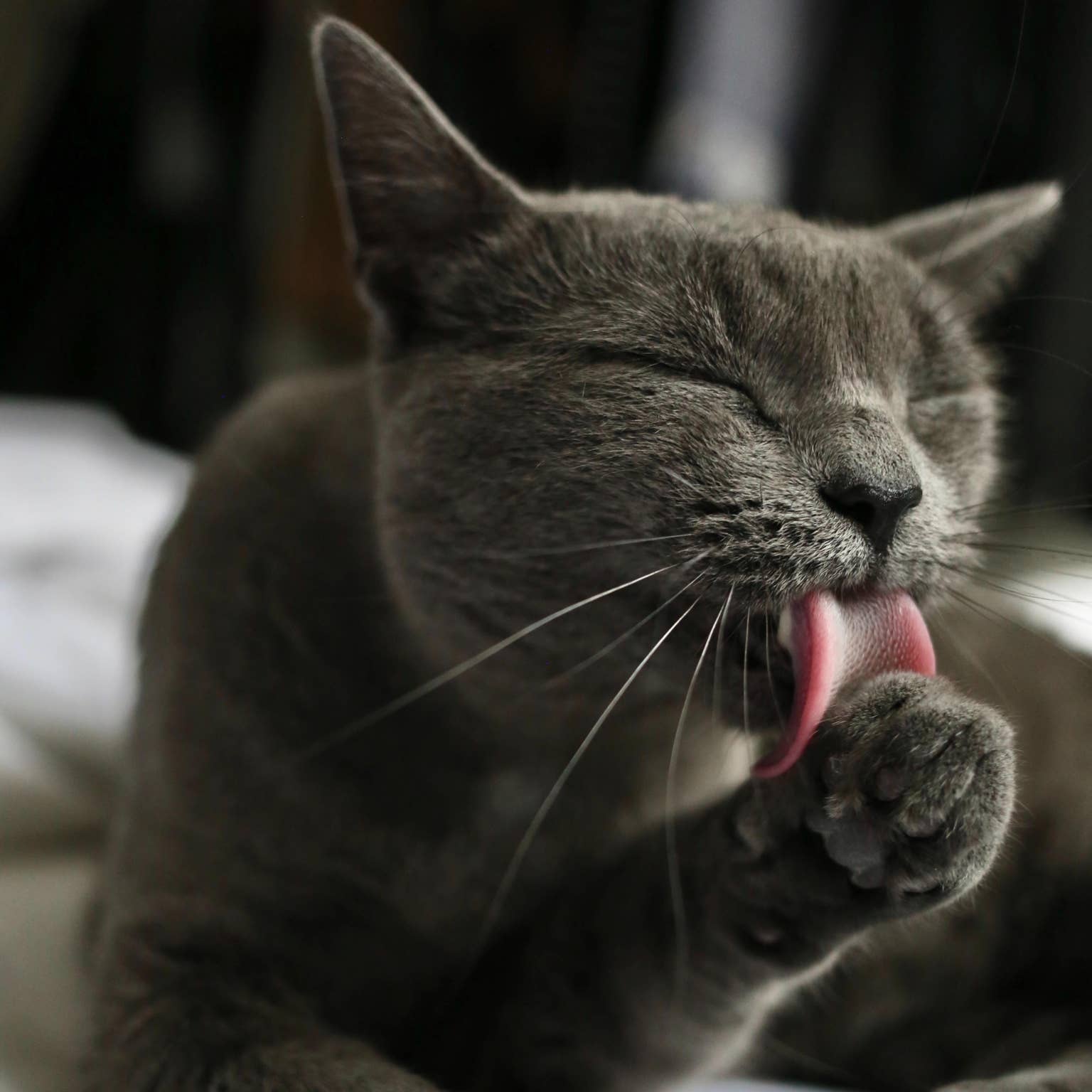
Credit: pethelpful.com
Cats’ Grooming Habits
Cats spend a lot of time cleaning themselves. Grooming is a natural behavior for them.
It helps keep their fur clean and healthy. Grooming also cools them down and reduces stress.
Frequency And Duration
Cats groom themselves many times each day. Some cats spend up to half of their waking hours grooming.
- Short grooming sessions last a few minutes.
- Longer grooming can take 20 to 30 minutes.
- Cats may groom more after eating or playing.
- Older cats might groom less often due to arthritis.
Common Grooming Actions
Grooming includes many actions that cats use to clean and care for their fur.
| Action | Purpose |
| Licking | Remove dirt and spread natural oils |
| Biting | Remove loose fur and untangle knots |
| Scratching | Clean claws and stretch muscles |
| Face Washing | Clean areas paws cannot reach |
Health Benefits Of Grooming
Cats groom themselves often to stay clean and healthy. Grooming helps keep their skin and fur in good shape. It also helps protect them from pests.
Understanding why cats groom can help owners care for their pets better. Grooming is not just about cleanliness but also about health.
Skin And Coat Care
Grooming removes dirt and loose fur from a cat’s coat. It spreads natural oils that keep the fur shiny and soft. This process helps prevent skin problems.
- Removes dirt and debris
- Distributes natural oils
- Prevents hair mats and tangles
- Keeps skin healthy and moisturized
Parasite Control
Grooming helps cats control fleas and ticks. They lick areas where parasites may hide. This reduces parasite numbers and lowers infection risks.
| Parasite Type | Grooming Effect |
| Fleas | Removed by licking and biting |
| Ticks | Detected and removed early |
| Mites | Less likely to spread on clean skin |
Thermoregulation And Comfort
Cats groom themselves to stay comfortable in different temperatures. Their licking helps control body heat and feel relaxed.
This natural behavior supports their body’s need to cool down or keep warm.
Cooling Effects
When cats lick their fur, saliva spreads over their body. This saliva cools them down as it evaporates.
- Evaporation lowers skin temperature
- Helps cats avoid overheating
- Keeps fur clean from dirt and sweat
- Supports breathing comfort in hot weather
Maintaining Warmth
Grooming also helps cats stay warm. It fluffs their fur, creating air pockets that trap heat.
| Grooming Action | Effect on Body |
| Licking and smoothing fur | Removes dirt and spreads oils |
| Fluffing fur | Traps warm air close to skin |
| Cleaning paws | Prepares for better heat retention |
Stress And Emotional Signals
Cats groom themselves often for reasons beyond cleanliness. Their grooming can show how they feel inside.
Stress and emotions play a big role in why cats lick and clean their fur. Watching their grooming helps understand their mood.
Self-soothing Behavior
Cats use grooming to calm down. This helps them feel safe when they are nervous or scared.
The act of licking releases calming chemicals in their brain. This lowers stress and helps cats relax.
- Grooming slows heart rate
- It distracts from bad feelings
- Helps cats feel in control
Grooming As Anxiety Indicator
When cats groom too much, it may show anxiety. Over-grooming can cause bald spots or skin sores.
Careful observation can tell if grooming is normal or a sign of stress. Changes in grooming patterns are warning signs.
- Sudden increase in grooming
- Focus on one area of the body
- Grooming that leads to injury
Social And Communication Roles
Cats groom themselves for many reasons beyond keeping clean. Grooming plays an important role in how cats communicate with each other.
Through grooming, cats send signals to other cats and strengthen social bonds. This behavior helps them live together peacefully.
Scent Marking
Cats have scent glands on their skin that release smells when they groom. This helps mark their territory and show who they are.
By grooming, cats spread their unique scent on their fur. Other cats can smell this and understand who is nearby.
- Marks personal space
- Communicates identity to other cats
- Helps avoid conflicts with strangers
Bonding Through Grooming
Cats groom each other to build friendships and trust. This is called allogrooming and happens mostly between cats that live together.
This shared grooming lowers stress and creates a strong social bond. It shows care and acceptance within the group.
- Strengthens group ties
- Reduces tension and fights
- Shows affection and trust

Credit: www.reddit.com
Excessive Grooming Causes
Cats groom themselves to stay clean and healthy. Sometimes, they groom too much. Excessive grooming can cause skin problems and hair loss.
Understanding why cats groom too much helps owners keep cats safe. There are many reasons for this behavior.
Medical Issues
Health problems often cause cats to groom more than usual. Pain or irritation can make cats lick a spot nonstop. Skin allergies and infections are common reasons.
Parasites like fleas make cats scratch and lick a lot. Sometimes, injuries or wounds cause extra grooming. Hormone problems can also change grooming habits.
- Fleas and mites cause itching
- Allergies lead to irritated skin
- Infections create discomfort
- Injuries or pain trigger licking
- Hormone imbalances affect behavior
Behavioral Concerns
Cats may groom too much due to stress or anxiety. Changes in the home or routine can upset a cat. Grooming becomes a way to feel safe.
Some cats develop habits called compulsive grooming. This means they lick themselves even without a clear reason. Boredom and lack of play can also cause this.
- Stress from new environments
- Changes in family or routine
- Compulsive grooming habits
- Boredom or lack of stimulation
- Separation anxiety
)
Credit: www.northroadvet.com.au
Frequently Asked Questions
Why Do Cats Groom Themselves So Often?
Cats groom to clean their fur, remove dirt, and control parasites. Grooming also helps regulate body temperature and reduce stress.
Does Grooming Help Cats Stay Healthy?
Yes, grooming removes loose fur and prevents skin infections. It also stimulates blood flow and helps cats spot injuries early.
Can Excessive Grooming Indicate Health Problems?
Excessive grooming may signal allergies, parasites, or skin irritation. If grooming seems obsessive, consult a vet for proper diagnosis.
How Does Grooming Affect A Cat’s Social Behavior?
Grooming strengthens social bonds when cats groom each other. It also helps cats feel calm and secure in their environment.
Conclusion
Cats groom themselves to stay clean and healthy. Grooming helps remove dirt and loose fur. It also cools them down on warm days. This habit keeps their skin free from parasites. Grooming feels good and reduces stress for cats. It shows they are comfortable and safe.
Understanding this behavior helps us care for them better. Watching a cat groom can be quite calming. Their grooming is natural, important, and part of who they are.