Grooming your cat might seem like a simple task, but it’s more important than you think. When you take the time to groom your furry friend, you’re not just keeping them clean—you’re boosting their health and happiness.
If you’ve ever wondered, “How do I groom my cat the right way? ” you’re in the right place. This guide will show you easy steps to make grooming a stress-free and even enjoyable experience for both of you. Ready to discover the secrets to a well-groomed, happy cat?
Keep reading!
Choosing The Right Grooming Tools
Grooming your cat keeps its coat healthy and reduces shedding. Picking the right tools makes the process easier for you and your pet.
Different cats need different brushes and supplies. Use the right items to keep your cat comfortable during grooming.
Brush Types For Different Coats
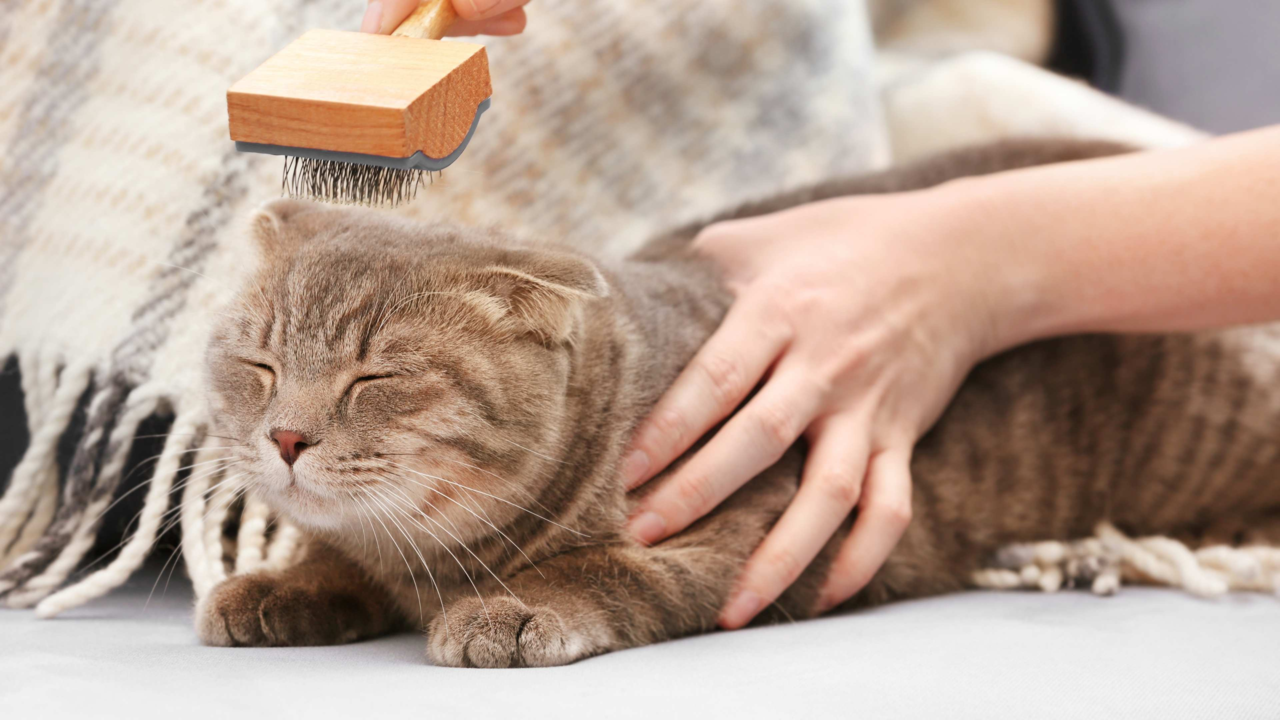
Choose a brush based on your cat’s fur type. Short, long, or curly coats need special care.
- Slicker Brush:Best for removing mats and loose fur on long or curly coats.
- Bristle Brush:Good for short-haired cats to remove dirt and distribute oils.
- Pin Brush:Suited for medium to long fur to detangle without pulling.
- Rubber Groomer:Helps remove loose hair and stimulate skin, ideal for short-haired cats.
Selecting Safe Nail Clippers
Use nail clippers made for cats to avoid hurting their paws. Human or dog clippers can cause splits or pain.
| Clipper Type | Description | Best For |
| Guillotine Clippers | Blade moves down to cut nail | Small to medium cats |
| Scissor Clippers | Scissor-like blades cut nails | All sizes, precise cutting |
| Electric Nail Grinders | Grinds nails smoothly | Cats that dislike clipping |
Additional Grooming Supplies
Besides brushes and clippers, other supplies help keep your cat clean and happy.
- Cat-friendly shampoo for baths
- Soft towels for drying
- Grooming wipes for quick cleanups
- Styptic powder to stop nail bleeding
- Comb for sensitive areas like face and tail
Credit: petdirect.co.nz
Brushing Techniques For Cats
Brushing your cat helps keep its fur clean and healthy. It also reduces hairballs and shedding.
Using the right brushing techniques makes grooming easier for both you and your cat.
Frequency Of Brushing
How often you brush depends on your cat’s fur type. Long-haired cats need brushing every day.
Short-haired cats usually do well with brushing once or twice a week.
- Daily brushing for long-haired cats
- Once or twice weekly for short-haired cats
- More often during shedding seasons
Handling Matted Fur
Matted fur can hurt your cat and cause skin problems. Use a special comb to gently remove mats.
If the mat is too tight, use your fingers to loosen it before brushing. Be patient and calm.
- Use a wide-toothed comb for mats
- Loosen tight mats with fingers first
- Cut mats carefully only if needed
Making Brushing Enjoyable
Make brushing a fun and calm time for your cat. Use soft brushes and gentle strokes.
Give your cat treats or praise to create positive feelings during brushing.
- Brush in a quiet place
- Use soft, slow movements
- Give treats and praise
- Stop if your cat shows stress
Bathing Your Cat Safely
Bathing a cat can be tricky but sometimes it is needed. Knowing how to bathe your cat safely helps reduce stress.
This guide shows when to bathe your cat and how to do it step-by-step.
When Baths Are Necessary
Most cats clean themselves well and do not need baths often. Baths are needed if your cat is very dirty or sticky.
Baths help if your cat has fleas, skin problems, or gets into harmful substances.
Step-by-step Bathing Process
Prepare the bath area with warm water and cat shampoo. Use a sink or small tub to keep your cat safe.
- Brush your cat gently to remove loose hair.
- Fill the tub with a few inches of warm water.
- Place your cat in the water calmly and speak softly.
- Wet your cat slowly, avoiding the face and ears.
- Apply cat-safe shampoo and lather gently.
- Rinse well with warm water until all soap is gone.
- Keep your cat warm during and after the bath.
Drying Tips
Use a soft towel to dry your cat quickly and gently. Rub softly to absorb water but do not rub hard.
If your cat allows, use a low heat hairdryer on the lowest setting. Keep the dryer moving to avoid hot spots.
- Wrap your cat in a warm towel after drying.
- Keep your cat indoors until fully dry.
- Offer treats to calm your cat after the bath.
Nail Care Basics
Keeping your cat’s nails trimmed is important for their health. It helps prevent damage to furniture and your skin. Regular nail care also keeps your cat comfortable and active.
Learn how often to trim your cat’s nails and the best ways to do it. Also, find out how to handle nail problems safely and gently.
Trimming Frequency
Most cats need their nails trimmed every two to four weeks. Some cats may need it more often if their nails grow quickly. Watch your cat’s nails closely to know when to trim.
- Check nails weekly for length and sharpness
- Trim nails if you hear clicking sounds on hard floors
- Trim more often for indoor cats who don’t wear nails down naturally
- Older or less active cats may need more frequent trims
Proper Nail Clipping Methods
Use a sharp, small pet nail clipper. Hold your cat gently but firmly. Avoid cutting the quick, the pink part inside the nail. Cutting the quick causes pain and bleeding.
- Hold the paw and press the toe pad to extend the nail
- Cut only the sharp tip of the nail, avoiding the quick
- If unsure, trim a tiny bit at a time
- Use a styptic powder to stop bleeding if you cut too deep
- Reward your cat with a treat after trimming
Dealing With Nail-related Issues
Sometimes nails can cause problems like splitting, infection, or ingrown nails. Watch for signs like swelling, redness, or limping. Contact your vet if you see these signs.
| Issue | Signs | Action |
| Splitting Nails | Cracks or breaks in the nail | Trim carefully and keep nails short |
| Infection | Redness, swelling, discharge | See a vet for treatment |
| Ingrown Nails | Nail grows into paw pad | Trim nail and consult vet if needed |
| Overgrown Nails | Long nails curling under paw | Trim nails regularly |
Ear And Eye Maintenance
Keeping your cat’s ears and eyes clean is important for their health. Regular care helps avoid infections and discomfort.
Gentle cleaning and checking for problems lets you catch issues early. This makes grooming easier and safer for your cat.
Cleaning Techniques
Use a soft cloth or cotton ball to clean your cat’s ears and eyes. Do this gently to avoid hurting your pet.
For ears, wipe the outer part carefully. Do not insert anything into the ear canal. For eyes, remove any dirt or tear stains with a damp cloth.
- Use a clean, damp cotton ball for each ear and eye
- Wipe only the visible parts
- Do not use cotton swabs inside ears
- Use warm water or vet-approved wipes
Signs Of Infection
Look for redness, swelling, or bad smells around ears and eyes. These signs may show an infection.
If your cat scratches a lot or shakes its head, check for problems. Watery or cloudy eyes also need attention.
- Red or swollen ears or eyelids
- Yellow or green discharge
- Strong odor from ears
- Excessive scratching or rubbing
- Cloudy or watery eyes
Preventive Care
Keep your cat’s ears and eyes clean weekly. Regular checks help catch issues early before they get worse.
Trim hair around the eyes to stop irritation. Avoid exposing your cat to dusty or smoky places that can cause problems.
- Clean ears and eyes once a week
- Trim hair near eyes carefully
- Keep your cat’s resting area clean
- Watch for signs of irritation daily
- Visit the vet for regular checkups
Creating A Grooming Routine
Grooming your cat helps keep them clean and healthy. A regular routine makes grooming easier for both you and your cat.
Start by learning what your cat likes and needs. This will help you create a plan that works well for your pet.
Scheduling Grooming Sessions
Pick a regular time to groom your cat. This helps your cat get used to the routine and feel calm.
Try to groom your cat at the same time each week. Short sessions work better than long ones.
- Choose a quiet time when your cat is relaxed
- Keep sessions short, about 5 to 10 minutes
- Use a calendar or reminder to stay consistent
Adapting To Your Cat’s Preferences
Watch how your cat reacts during grooming. Some cats like gentle brushing, others prefer soft petting.
Change your grooming style to match your cat’s comfort. This makes grooming a positive experience for them.
- Use brushes or combs your cat likes
- Speak softly to keep your cat calm
- Stop if your cat shows signs of stress
Involving Family Members
Ask family members to help with grooming. This can make the process faster and more fun for your cat.
Teach them how to groom gently and safely. Everyone should follow the same routine for consistency.
- Show family members how to brush and check your cat
- Assign grooming tasks to each person
- Keep a schedule that all can follow
Addressing Common Grooming Challenges
Grooming your cat can be tricky. Some cats get nervous or act out. Knowing how to handle these problems helps make grooming easier.
This guide covers calming anxious cats, managing aggression, and knowing when to get help from a pro.
Calming Anxious Cats
Many cats feel scared during grooming. You can calm them with gentle care and patience. Start slow and offer breaks.
- Speak softly and use a calm voice.
- Use a soft brush or comb.
- Groom in a quiet, familiar room.
- Give treats to reward good behavior.
- Let your cat sniff and explore grooming tools first.
Managing Aggression
Some cats may scratch or bite during grooming. Watch their body language to avoid attacks. Stop if your cat gets too upset.
| Signs of Aggression | How to Respond |
| Hissing or growling | Pause grooming and give space |
| Swatting or biting | Use a towel to gently hold the cat |
| Tail flicking or ears back | Speak softly and slow down grooming |
When To Seek Professional Help
Sometimes grooming is too hard to do alone. You may need a vet or groomer if your cat:
- Is very aggressive or fearful
- Has matted fur that you cannot remove
- Shows skin problems or wounds
- Becomes very stressed during grooming
- Needs special care for health reasons

Credit: www.youtube.com
Diet And Grooming Connection
Your cat’s diet affects its fur and skin health. Good nutrition supports shiny fur and less shedding.
Grooming is easier when your cat has a healthy coat. Feeding the right foods helps keep fur soft and strong.
Nutrition For Healthy Fur
Cats need protein and fatty acids for healthy fur. These nutrients help keep their coat thick and shiny.
Look for foods rich in omega-3 and omega-6 fats. These help reduce dryness and itching of the skin.
- High-quality animal protein supports fur growth
- Omega-3 fatty acids reduce inflammation
- Omega-6 fatty acids maintain skin moisture
- Vitamins A and E promote skin repair
Supplements That Support Grooming
Sometimes cats need extra help from supplements. These can fill nutrition gaps and improve fur condition.
Popular supplements include fish oil and biotin. They support skin health and reduce shedding.
- Fish oil adds omega-3 fatty acids
- Biotin strengthens fur and claws
- Zinc supports skin healing
- Vitamin E acts as an antioxidant
Hydration’s Role
Water keeps your cat’s skin hydrated from inside. Dry skin can cause fur to look dull and flaky.
Wet food helps increase water intake. Always provide fresh water to promote healthy skin and fur.
- Fresh water supports skin elasticity
- Wet food increases daily water intake
- Hydrated skin reduces itching and flakes

Credit: www.purina.com
Frequently Asked Questions
How Often Should I Groom My Cat?
Groom your cat at least once a week. Long-haired cats need daily grooming. Regular grooming prevents matting and reduces shedding. It also helps monitor skin health and detect parasites early.
What Tools Are Best For Cat Grooming?
Use a soft-bristle brush for short hair cats. Long-haired cats require a wide-toothed comb. Nail clippers and grooming wipes are also essential. Choose tools designed specifically for cats to ensure safety and comfort.
How Do I Brush My Cat Without Stressing It?
Brush your cat gently in a calm environment. Use slow, soothing strokes following the fur’s direction. Stop if your cat shows signs of discomfort. Reward your cat with treats to create a positive experience.
Can Grooming Improve My Cat’s Health?
Yes, grooming boosts your cat’s health by removing dirt and loose fur. It stimulates blood circulation and reduces hairballs. Regular grooming helps detect skin issues early, improving overall well-being.
Conclusion
Grooming your cat keeps it healthy and happy. Regular brushing removes loose fur. It also prevents matting. Cats enjoy the bonding time. Bathing isn’t often needed, but sometimes it’s helpful. Check ears and trim nails gently. Use tools made for cats.
Always be patient and gentle. Reward your cat with treats after grooming. This builds trust and makes the process easier. With these steps, grooming becomes a simple routine. Your cat will look great and feel loved. Happy grooming!