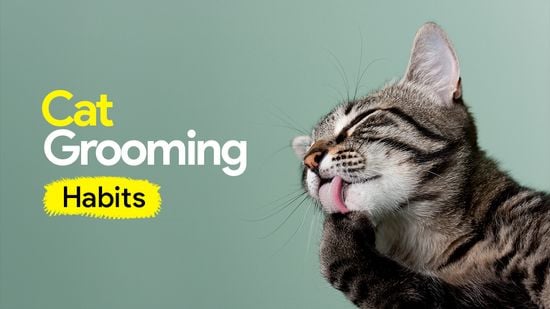
Are you wondering if you’re grooming your cat too much? It’s easy to get caught up in keeping your furry friend looking perfect, but did you know that too much grooming can actually harm your cat?
Finding the right balance is key to your cat’s health and happiness. You’ll discover how much grooming is just right and learn simple tips to keep your cat comfortable and content. Keep reading to make sure your grooming routine is helping—not hurting—your beloved pet.
Cat Grooming Basics
Grooming keeps your cat clean and healthy. It helps remove dirt and loose fur. Grooming can also prevent hairballs and skin problems.
Knowing the right tools and how often to groom is important. This guide covers the basics to keep your cat comfortable.
Essential Grooming Tools
Using the right tools makes grooming easier and safer for your cat. Each tool has a special use depending on your cat’s coat type.
- Soft-bristled brush for short-haired cats
- Wide-toothed comb to detangle fur
- Fine-toothed comb for fleas and debris
- Shedding blade to remove loose undercoat
- Nail clippers designed for cats
- Pet-safe wipes for cleaning paws and face
Grooming Frequency Guidelines
How often you groom your cat depends on its breed and coat length. Regular grooming supports healthy skin and reduces shedding.
| Cat Type | Grooming Frequency | Notes |
| Short-haired | Once a week | Helps remove loose hair and dirt |
| Long-haired | 3 to 4 times a week | Prevents mats and tangles |
| Hairless | Weekly wipe down | Removes oils and dirt from skin |
| Senior cats | More often as needed | May need extra help grooming |
Credit: www.preventivevet.com
Signs Of Over-grooming
Cats usually groom themselves to stay clean and healthy. Grooming helps remove dirt and loose fur. But too much grooming can harm your cat.
Over-grooming may cause skin problems or stress. It is important to notice signs of over-grooming early to help your cat.
Physical Indicators
Look for changes on your cat’s skin and fur. Over-grooming causes bald spots or red skin. Your cat’s fur may look thin or patchy.
- Bald patches on the body
- Red, irritated, or raw skin
- Scabs or sores from licking
- Dry or flaky skin
- Uneven fur or clumps missing
If you see wounds or scabs, your cat may lick too much and hurt itself.
Behavioral Changes
Your cat’s behavior can also show signs of over-grooming. Cats may groom to reduce stress or anxiety. Watch for changes in habits.
- Grooming longer than usual
- Repeated licking of the same spots
- Restlessness or pacing
- Hiding or avoiding people
- Increased irritability or aggression
If your cat seems nervous or uncomfortable, it might be over-grooming to cope with stress.
Breed-specific Grooming Needs
Cats have different grooming needs based on their breed and coat type. Understanding these needs helps keep your cat healthy and comfortable.
Some cats need less grooming, while others require more time and care. Let’s look at the grooming needs of short-haired and long-haired cats.
Short-haired Cats
Short-haired cats usually need less grooming than long-haired cats. Their fur is easier to maintain and less likely to tangle.
- Brush once a week to remove loose hair
- Check skin for dryness or irritation
- Trim nails regularly
- Clean ears to prevent infections
- Bathing is rarely needed unless very dirty
Long-haired Cats
Long-haired cats need more grooming to avoid mats and tangles. Their coats can trap dirt and cause skin problems.
| Grooming Task | Frequency | Purpose |
| Brushing | Daily | Prevent mats and tangles |
| Bathing | Monthly or as needed | Remove dirt and oils |
| Trimming fur | Every few months | Reduce length and prevent knots |
| Check skin | Weekly | Spot infections or irritations |
| Nail trimming | Every 2-3 weeks | Keep nails at safe length |

Credit: brooklynpetspa.com
Health Risks Of Excessive Grooming
Cats groom themselves to stay clean and healthy. Grooming helps remove dirt and loose fur.
Too much grooming can cause health problems. It is important to watch your cat’s grooming habits.
Skin Irritation And Damage
Excessive grooming can hurt your cat’s skin. It may cause redness, sores, or hair loss.
Repeated licking or biting can make the skin raw and painful. This can lead to infections.
- Red or inflamed spots on the skin
- Scabs or open wounds
- Patchy fur loss
- Dry or flaky skin
Stress And Anxiety Effects
Too much grooming can be a sign of stress or anxiety in cats. It might be their way to cope.
Stress grooming can become a habit that harms their health. It may affect their mood and behavior.
- Restlessness or pacing
- Hiding or avoiding people
- Changes in eating habits
- Increased vocalizing
Balancing Grooming And Cat Comfort
Grooming is important for a cat’s health and happiness. It helps keep their fur clean and reduces hairballs.
Too much grooming can stress your cat and cause discomfort. Finding the right balance is key.
Reading Your Cat’s Signals
Cats show how they feel through their body language and sounds. Watch for signs during grooming.
If your cat tries to escape, growls, or hisses, they may want to stop. Relaxed cats enjoy gentle brushing.
- Slow blinking means your cat is calm
- Flattened ears show discomfort
- Tail flicking can mean irritation
- Soft purring usually means contentment
Adjusting Grooming Routines
Change your grooming habits based on your cat’s needs and mood. Short sessions may work better.
Use a soft brush and be gentle. Focus on areas your cat likes and avoid sensitive spots.
- Groom weekly for short-haired cats
- Brush long-haired cats more often
- Stop if your cat seems stressed
- Give treats to create positive feelings
Expert Grooming Tips
Grooming your cat keeps its coat clean and healthy. It also helps you spot skin problems early. But grooming too much can irritate your cat’s skin.
Learn safe brushing methods and when to ask a professional for help. This will keep your cat comfortable and looking great.
Safe Brushing Techniques
Use a gentle brush made for cats. Brush slowly and avoid pulling on knots. Pay attention to how your cat reacts and stop if it shows stress.
- Brush your cat once or twice a week.
- Start brushing in the direction of hair growth.
- Use short, gentle strokes to avoid hurting the skin.
- Focus on areas where mats form, like behind ears.
- Check the brush for dirt and hair after each session.
- Give treats to make grooming a positive experience.
When To Seek Professional Help
Some grooming needs require a vet or groomer. If your cat has severe mats, wounds, or skin infections, leave grooming to experts.
| Signs You Need a Professional | Why |
| Severe matting | Can hurt your cat if removed incorrectly |
| Skin wounds or infections | Need medical treatment |
| Excessive shedding | May indicate health issues |
| Behavioral distress during grooming | Experts know how to calm cats safely |

Credit: www.reddit.com
Frequently Asked Questions
How Often Should I Groom My Cat Weekly?
Groom your cat 2 to 3 times weekly for most breeds. Long-haired cats may need daily brushing. Regular grooming prevents mats and reduces shedding. Adjust frequency based on your cat’s coat and skin condition to keep them healthy and comfortable.
What Are Signs Of Over-grooming In Cats?
Signs include bald patches, red skin, and sores. Excessive licking or biting indicates stress or skin issues. Over-grooming can cause discomfort and infections. If you notice these signs, consult a vet to address underlying problems and adjust grooming habits.
Can Too Much Grooming Harm My Cat’s Skin?
Yes, excessive grooming can irritate or damage skin. Over-brushing removes natural oils, causing dryness and flakiness. Avoid harsh brushes and be gentle. Monitor your cat’s skin regularly to ensure grooming supports their health without harm.
How Do I Know If My Cat Dislikes Grooming?
Cats may resist, hide, or try to escape during grooming. Tail flicking, growling, or biting are clear signs. Respect your cat’s limits and use calm, gentle techniques. Gradually build trust to make grooming a positive experience.
Conclusion
Caring for your cat’s grooming needs is essential. Too much grooming can stress your feline friend. Watch for signs of over-grooming like bald spots or skin irritation. Balance is key. Regular brushing helps maintain a healthy coat. Pay attention to your cat’s behavior and adjust grooming habits.
Consult a vet if you notice unusual grooming patterns. Every cat is unique. Tailor your approach based on your cat’s needs. A happy cat equals a happy home. Keep grooming sessions short and gentle. Your cat will thank you with purrs and cuddles.