
Are you wondering how you can keep your cat looking and feeling their best? Grooming your cat isn’t just about keeping them clean—it’s a way to strengthen your bond and spot any health issues early.
If you want to learn simple, effective grooming tips that make your cat happy and healthy, you’re in the right place. Keep reading to discover easy steps you can start doing today to give your furry friend the care they deserve.
Choosing The Right Grooming Tools
Grooming your cat keeps their coat clean and healthy. Using the right tools makes grooming easier and safer.
Different cats need different grooming tools. Choose tools based on your cat’s fur type and needs.
Brushes For Different Fur Types
Brushes help remove loose hair and prevent mats. Use brushes that match your cat’s fur type for best results.
Short-haired cats need soft bristle brushes. Long-haired cats benefit from wide-toothed combs and slicker brushes.
- Short fur:Soft bristle brush to remove loose hair gently.
- Medium fur:Combination brush with bristles and pins.
- Long fur:Slicker brush to remove tangles and mats.
- Curly or woolly fur:Wide-toothed comb to avoid breakage.
Nail Clippers And Trimmers
Trimming your cat’s nails prevents scratches and damage. Use clippers made for small nails.
Choose sharp nail clippers or scissors to make clean cuts. Avoid dull tools that can crush nails.
- Guillotine clippers:Easy to use for most cats.
- Scissor-style clippers:Good for thick nails.
- Nail grinders:Smooth rough edges after clipping.
Shampoos And Conditioners
Bathing your cat can help with dirt and skin issues. Use shampoos made for cats only.
Conditioners keep fur soft and reduce tangles. Pick gentle, fragrance-free products for sensitive skin.
- Cat-specific shampoo:Safe and mild for their skin.
- Hypoallergenic shampoo:For cats with allergies.
- Conditioner:Helps detangle and soften fur.
Brushing Techniques For Smooth Fur
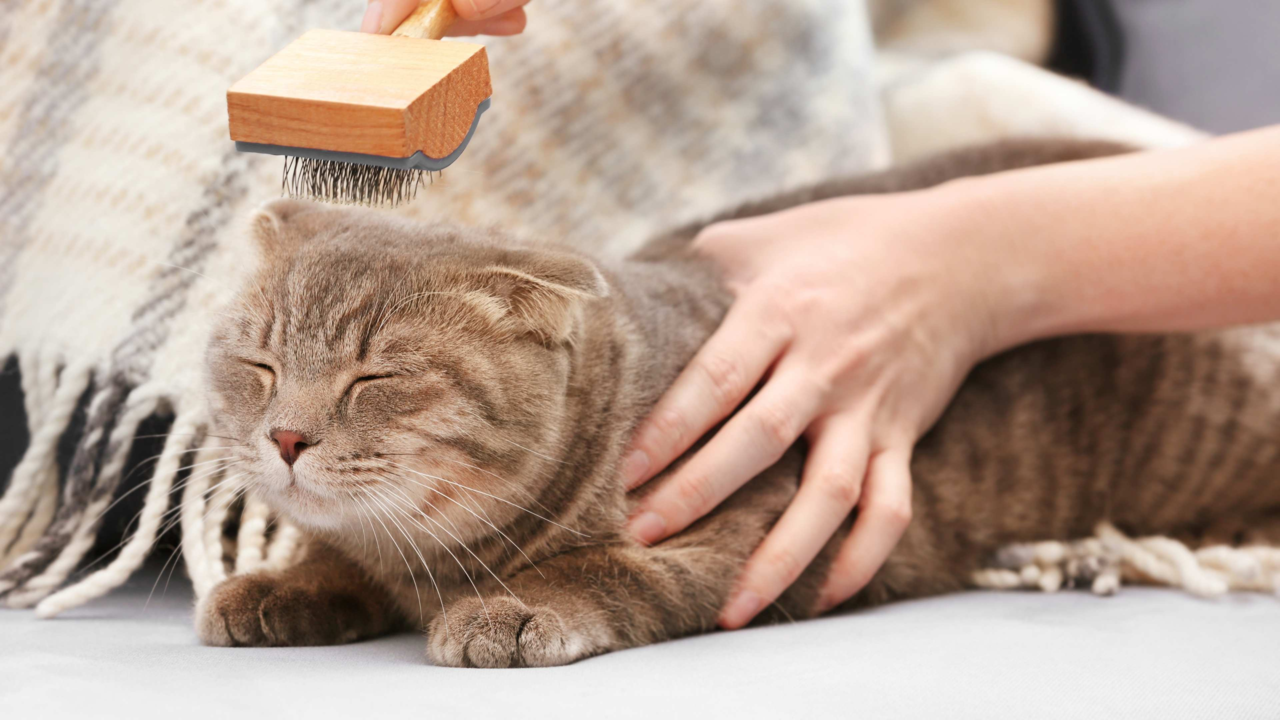
Grooming your cat regularly helps keep its fur smooth and healthy. Brushing removes loose hair and prevents mats.
Using the right brushing techniques makes grooming easier and more comfortable for your cat.
Frequency Of Brushing
Brush your cat often to keep its coat clean and smooth. The frequency depends on fur type and shedding.
Short-haired cats need brushing once or twice a week. Long-haired cats need it more, sometimes daily.
- Short-haired cats: 1-2 times weekly
- Long-haired cats: every day or every other day
- During shedding season: increase brushing
Handling Matted Fur
Matted fur forms when hair tangles and clumps. It can be uncomfortable for your cat.
Gently work through mats using a wide-toothed comb or your fingers. Avoid pulling hard to prevent pain.
- Hold the fur near the skin to avoid pulling
- Use a detangling spray if needed
- Cut mats carefully if they are too tight
- Visit a groomer for large or stubborn mats
Brushing Long-haired Cats
Long-haired cats need gentle and thorough brushing to stop tangles and mats. Use the right tools.
Start with a wide-toothed comb to remove knots. Follow with a soft bristle brush to smooth the fur.
- Brush in the direction of hair growth
- Be gentle around sensitive areas like belly and tail
- Check for mats behind ears and under legs
- Brush daily to keep coat healthy
Bathing Your Cat Safely
Bathing a cat can be tricky. Most cats clean themselves well. But sometimes a bath is needed to keep them healthy and clean.
It is important to know how and when to bathe your cat. This helps make the bath safe and less stressful for your pet.
When To Bathe Your Cat
Not all cats need regular baths. You should bathe your cat if it gets very dirty or sticky. Also, if your cat has fleas or skin problems, a bath may help.
- Your cat has gotten into something oily or sticky.
- Your cat has a flea infestation that needs treatment.
- Your cat has skin allergies or infections your vet wants to treat with baths.
- Your cat is elderly or ill and cannot clean itself well.
- Your cat has a medical condition requiring regular bathing.
Step-by-step Bathing Guide
- Gather all supplies: cat shampoo, towel, cup for rinsing, and a non-slip mat.
- Brush your cat to remove loose fur and tangles before the bath.
- Fill the sink or tub with a few inches of lukewarm water.
- Gently place your cat in the water and wet its fur using your hand or a cup.
- Apply a small amount of cat-safe shampoo and lather carefully, avoiding eyes and ears.
- Rinse thoroughly with clean lukewarm water to remove all shampoo.
- Lift your cat out carefully and wrap it in a dry towel.
Stay calm and speak softly to help your cat feel safe. Never use human shampoo or very hot water.
Drying Tips
Drying your cat is just as important as bathing. Use these tips to dry your cat safely:
- Wrap your cat in a soft, absorbent towel to soak up water.
- Gently rub the fur but do not rub too hard to avoid skin irritation.
- Use a hairdryer only if your cat tolerates the noise and heat. Keep it on low heat and distance it from the fur.
- Keep your cat in a warm room until fully dry to prevent chills.
- Brush the fur after drying to prevent mats and help fluff the coat.

Credit: www.reddit.com
Nail Care Essentials
Taking care of your cat’s nails is important for their health. Proper nail care prevents pain and damage.
Regular grooming keeps your cat comfortable and safe. Learn how to handle nails with ease.
Trimming Nails Without Stress
Trim your cat’s nails in a calm place. Use sharp nail clippers made for cats. Talk softly to your cat.
Hold the paw gently but firmly. Cut only the sharp tip. Avoid the pink area called the quick.
- Choose a quiet time when your cat is relaxed
- Use proper cat nail clippers
- Hold the paw steady and trim little by little
- Stop if your cat gets upset
Dealing With Overgrown Nails
Overgrown nails can cause pain or infection. If nails are too long, trim a small part each time.
Do not cut too close to the quick. If nails are very long, ask your vet for help. Check nails often.
- Trim a little nail every few days
- Use a nail file to smooth sharp edges
- Watch for signs of discomfort or bleeding
- Get professional help for very long nails
Using Nail Caps
Nail caps are soft covers for cat nails. They protect furniture and skin from scratches.
Apply nail caps after trimming nails. They stay on for weeks and fall off naturally. Check them regularly.
- Trim nails before applying caps
- Use pet-safe glue to attach caps
- Replace caps every 4 to 6 weeks
- Monitor your cat’s reaction to caps
Ear And Eye Cleaning
Cleaning your cat’s ears and eyes helps keep them healthy. Dirt and wax can build up and cause problems.
Regular care prevents infections and keeps your cat comfortable. Use gentle methods and safe products.
Signs Of Infection
Watch for redness, swelling, or bad smells. These can mean your cat has an ear or eye infection.
Other signs include your cat scratching the area or shaking its head a lot. Discharge or crusty buildup is also a warning.
- Red or swollen ears or eyes
- Yellow or green discharge
- Strong odor from ears
- Excessive scratching or rubbing
- Squinting or eye redness
Gentle Cleaning Methods
Use a soft cloth or cotton ball to clean your cat’s eyes and ears. Avoid using cotton swabs inside the ear canal.
Moisten the cloth with warm water or a vet-approved solution. Wipe gently to remove dirt and discharge without hurting your cat.
- Hold your cat calmly and gently
- Use a damp cloth or cotton ball
- Wipe away dirt from ear flap and eye corners
- Never insert objects deep into the ear
- Stop if your cat shows pain or discomfort
Products To Use And Avoid
Choose products made for cats and recommended by vets. Avoid using human cleaning products or anything with alcohol.
Some safe items include saline solution or special ear cleaners for cats. Never use hydrogen peroxide or alcohol as they can hurt your cat.
- Use cat-safe saline or ear cleaning solutions
- Avoid hydrogen peroxide and alcohol
- Do not use human eye drops or ear cleaners
- Ask your vet before trying new products
Dental Care For Cats
Taking care of your cat’s teeth is important for their health. Good dental care prevents pain and illness.
Regular dental care keeps your cat happy and helps avoid costly vet visits.
Brushing Techniques
Start brushing your cat’s teeth slowly to get them used to it. Use a soft brush made for cats.
Brush in small circles and focus on the outer teeth surfaces. Be gentle and patient during brushing.
- Use cat-friendly toothpaste, never human toothpaste
- Brush two to three times a week for best results
- Reward your cat after brushing to create a positive habit
Dental Treats And Toys
Dental treats help reduce plaque and tartar on your cat’s teeth. Choose treats that are safe and healthy.
Chew toys also clean teeth by scraping away food and bacteria. They keep your cat’s mouth active and clean.
- Look for treats with the Veterinary Oral Health Council (VOHC) seal
- Choose toys designed for dental health and safe chewing
- Use treats and toys as a supplement, not a replacement for brushing
Recognizing Dental Problems
Watch for bad breath, red gums, or difficulty eating. These signs may mean dental issues.
If your cat drools, paw at the mouth, or loses weight, see a vet quickly. Early care helps avoid pain.
- Swollen or bleeding gums
- Loose or broken teeth
- Loss of appetite or chewing on one side
- Visible tartar buildup on teeth
Creating A Grooming Routine
Grooming your cat regularly keeps their coat clean and healthy. A good routine helps your cat feel comfortable and relaxed.
Starting a grooming habit early makes it easier for both you and your cat. Use simple steps to build a routine that fits your schedule.
Setting A Schedule
Choose specific days and times for grooming your cat. Consistency helps your cat know what to expect.
Short sessions work best, especially if your cat is new to grooming. Try to groom your cat at least once a week.
- Pick quiet times when your cat is calm
- Use a calendar or phone reminder
- Adjust the schedule based on your cat’s needs
Making Grooming Stress-free
Keep grooming sessions calm and gentle to avoid stressing your cat. Use soft brushes and speak softly during grooming.
If your cat resists, stop and try again later. Gradually increase grooming time as your cat gets used to it.
- Choose a quiet, comfortable spot
- Handle your cat gently but firmly
- Watch for signs of discomfort or stress
- Take breaks if your cat seems upset
Rewarding Your Cat
Give your cat treats or extra petting after grooming. Rewards help your cat connect grooming with positive feelings.
Use favorite toys or playtime as a reward too. This encourages your cat to enjoy grooming sessions.
- Offer small treats right after grooming
- Use a calm, happy voice
- Play with your cat after grooming
- Be patient and praise your cat often
Credit: petdirect.co.nz

Credit: www.purina.com
Frequently Asked Questions
How Often Should I Groom My Cat?
Groom your cat at least once a week to maintain a healthy coat. Long-haired cats may require more frequent grooming. Regular brushing helps reduce shedding and prevents hairballs. It also keeps your cat comfortable and clean.
What Tools Are Best For Cat Grooming?
Use a soft-bristle brush or a grooming comb designed for cats. Slicker brushes work well for removing loose fur. Avoid using human hairbrushes as they can hurt your cat’s skin. Choose tools based on your cat’s coat type.
How Do I Safely Trim My Cat’s Nails?
Trim your cat’s nails every two to three weeks. Use special cat nail clippers and avoid cutting into the quick. Hold the paw gently, and trim only the sharp tips. Reward your cat with treats to make the process easier.
Can Grooming Reduce Cat Hairballs?
Yes, regular grooming significantly reduces hairballs by removing loose fur. Brushing prevents your cat from ingesting excess hair while grooming itself. This helps maintain a healthier digestive system and reduces vomiting caused by hairballs.
Conclusion
Grooming your cat boosts health and happiness. Regular brushing reduces shedding. It also prevents matting. Use the right tools for best results. Bathing helps with cleanliness. Remember, some cats dislike water. Trim nails carefully to avoid harm. Cleaning their ears and teeth is crucial.
Keeps infections at bay. Establish a routine for your cat’s comfort. Patience and consistency are key. Your cat will appreciate the care. A well-groomed cat is a content cat. Enjoy your special grooming moments together. They strengthen your bond. Keep your feline friend purring with delight.