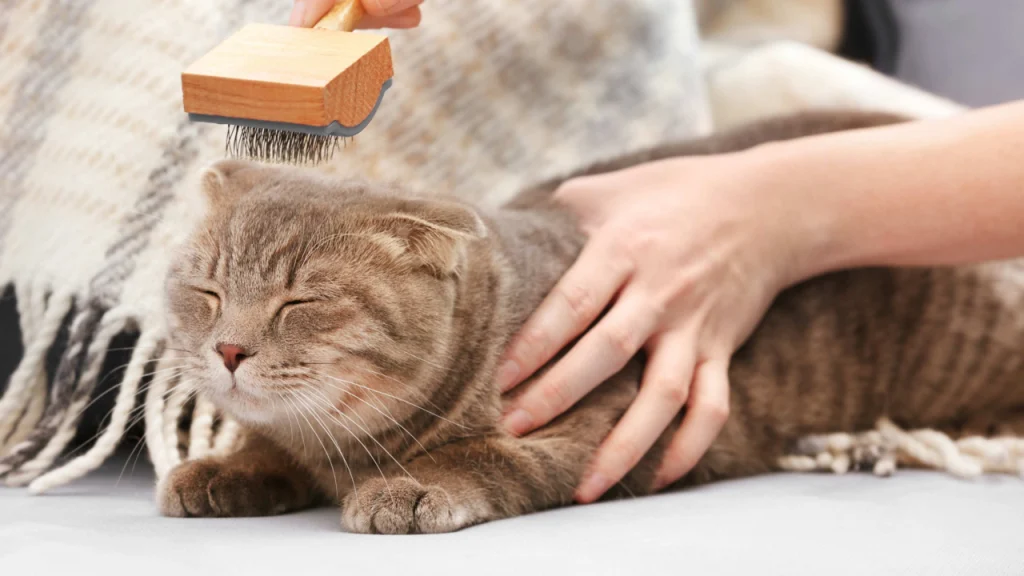
Grooming your cat at home might seem tricky, but it’s easier than you think. When you take care of your cat’s coat, nails, and teeth regularly, you help keep them healthy and happy.
Plus, grooming time can strengthen the bond between you and your furry friend. You’ll discover simple, effective tips that anyone can follow. Ready to make grooming stress-free and enjoyable for both you and your cat? Let’s get started!

Credit: justcatsclinic.com
Choosing The Right Grooming Tools
Grooming your cat at home keeps them clean and healthy. Using the right tools makes grooming safe and easy.
Different tools help with different parts of grooming. Choose tools that fit your cat’s coat and needs.
Types Of Brushes And Combs
Brushes and combs help remove loose hair and dirt. They also prevent mats and tangles in your cat’s fur.
Use soft brushes for short-haired cats. Long-haired cats need brushes that reach deep into the fur.
- Slicker Brush:Good for removing loose fur and mats in long-haired cats.
- Bristle Brush:Soft bristles work well for short-haired cats.
- Comb:Helps find and remove small tangles and debris.
- Pin Brush:Works for thick or curly fur to detangle.
Selecting Nail Clippers
Trimming your cat’s nails keeps them from scratching furniture and skin. Choose clippers made for cats or small pets.
Scissor-style clippers give good control. Guillotine clippers cut nails quickly but need careful use.
- Scissor Clippers:Look like small scissors, easy to handle for precise cuts.
- Guillotine Clippers:Have a hole where the nail goes, cut with one squeeze.
- Electric Nail Grinders:Smooth rough edges after clipping.
Additional Grooming Supplies
Besides brushes and clippers, other supplies help with grooming tasks. Keep these items ready for better care.
- Grooming Wipes:Clean dirt and wipe paws between baths.
- Pet Shampoo:Use cat-safe shampoo for occasional baths.
- Ear Cleaner:Keeps ears free from dirt and wax.
- Towels:Dry your cat after baths gently.
- Styptic Powder:Stops bleeding if you cut nails too short.
Preparing Your Cat For Grooming
Grooming your cat at home can help keep their coat clean and healthy. It also builds trust between you and your cat.
Before you start grooming, it is important to prepare your cat carefully. This makes the experience calm and safe for both of you.
Creating A Calm Environment
Choose a quiet room with few distractions. Turn off loud noises like TVs or radios.
Use soft lighting and keep the area warm. This helps your cat feel more relaxed and safe.
- Pick a familiar room your cat likes
- Remove toys or items that cause excitement
- Keep the room warm and cozy
- Speak softly to your cat
Getting Your Cat Comfortable
Let your cat explore the grooming area before you start. Offer gentle petting and calm words.
Use treats to reward calm behavior. This helps your cat associate grooming with positive feelings.
- Allow your cat to sniff grooming tools first
- Pet your cat gently to reduce stress
- Give small treats during breaks
- Watch your cat’s body language closely
Timing Your Grooming Sessions
Choose a time when your cat is calm or sleepy. Avoid grooming right after meals or playtime.
Keep sessions short at first. Gradually increase grooming time as your cat gets used to it.
- Groom your cat during quiet parts of the day
- Limit sessions to 5-10 minutes at start
- Stop if your cat shows stress or tries to escape
- Repeat grooming often to build routine
Brushing Techniques For Different Coats
Grooming your cat at home helps keep their fur clean and healthy. Different coat types need different brushing methods. Use the right tools and be gentle to make grooming a pleasant time for your cat.
Understanding your cat’s coat type makes brushing easier. Short-haired and long-haired cats require unique care. Dealing with mats and tangles also needs special attention.
Short-haired Cats
Short-haired cats have smooth coats that are easier to maintain. Brush them once or twice a week to remove loose hairs and dirt. Use a soft-bristle brush or grooming glove for best results.
- Brush in the direction of hair growth
- Use gentle strokes to avoid skin irritation
- Focus on areas like the neck and base of the tail
- Give extra attention during shedding season
Long-haired Cats
Long-haired cats need daily brushing to prevent tangles and mats. Use a wide-toothed comb and a slicker brush. Start brushing from the head and work your way down to the tail.
| Tool | Purpose |
| Wide-toothed comb | Detangle long fur gently |
| Slicker brush | Remove loose hair and dirt |
| Fine-toothed comb | Check for small mats and fleas |
Dealing With Mats And Tangles
Mats and tangles can cause discomfort and skin problems. Use patience and the right tools to remove them safely. Avoid pulling hard on the fur to keep your cat calm.
- Hold the fur near the mat to avoid pulling skin
- Use a dematting comb or scissors carefully
- Work on small sections at a time
- Brush regularly to prevent new mats
- Ask a vet or groomer for help if mats are severe

Credit: www.youtube.com
Bathing Your Cat Safely
Bathing a cat can be tricky. Cats usually clean themselves well. But sometimes, a bath is needed to keep them healthy and clean.
It is important to bathe your cat safely. This guide helps you know when and how to bathe your cat, and how to dry them comfortably.
When To Bathe Your Cat
Most cats do not need baths often. Bathe your cat only in certain cases to avoid stress or skin problems.
- If your cat gets into something sticky or harmful
- If your cat has fleas or skin issues and your vet suggests a medicated bath
- If your cat has a dirty or oily coat that brushing cannot fix
- If your cat has allergies that require bathing
- If your cat is very old or sick and cannot groom itself
Step-by-step Bathing Guide
Follow these steps to give your cat a safe and calm bath. Prepare everything before you start.
- Brush your cat to remove loose hair and mats.
- Fill a sink or tub with warm water, about 3–4 inches deep.
- Place a towel or rubber mat to prevent slipping.
- Gently put your cat in the water, keeping calm and speaking softly.
- Use a cat-safe shampoo and apply it carefully on the fur.
- Rinse thoroughly with warm water, avoiding the eyes and ears.
- Wrap your cat in a dry towel and lift them out of the water.
Drying Tips To Keep Your Cat Comfortable
Dry your cat well after the bath to avoid chills. Use gentle methods to keep your cat calm.
| Drying Method | How to Do It | Notes |
| Towel Drying | Wrap your cat in a thick towel and pat gently to remove water. | Use several towels if needed to keep dry. |
| Air Drying | Keep your cat in a warm, draft-free room until fully dry. | Watch your cat to ensure it stays warm. |
| Hair Dryer | Use on low heat and low speed from a safe distance. | Only if your cat tolerates the noise and air. |
Trimming Nails Without Stress
Trimming your cat’s nails can be a calm and safe task. It helps keep your cat comfortable and protects your furniture.
Understanding how to trim nails without causing stress is important. This guide shows easy ways to do it at home.
Recognizing The Quick
The quick is the pink part inside your cat’s nail. It has nerves and blood vessels. Cutting the quick can hurt your cat.
Look closely at your cat’s nails in good light. For clear or light nails, the quick is easy to see. For dark nails, trim small bits at a time.
- The quick looks pink or red inside the nail
- Avoid cutting near the pink area
- If unsure, trim little by little
Safe Nail Clipping Methods
Use sharp, clean nail clippers made for cats. Hold your cat’s paw gently but firmly. Cut the tip of the nail straight across.
Trim only the sharp point. Stop if you see a dark spot or a pink quick. Use a nail file to smooth rough edges after clipping.
- Choose cat-specific nail clippers
- Hold the paw gently but steady
- Cut only the sharp tip, not the quick
- Use a file to smooth nails after clipping
Handling Nervous Cats
Nervous cats need extra care during nail trimming. Start slowly and offer treats or praise. Keep sessions short to avoid stress.
If your cat resists, try wrapping them in a towel. Hold the paw gently and speak softly. Take breaks if needed and try again later.
- Start with short, calm sessions
- Give treats and gentle praise
- Wrap your cat in a towel if needed
- Speak softly and stay calm
- Take breaks and try again later
Cleaning Ears And Eyes
Grooming your cat at home helps keep it healthy and happy. Cleaning the ears and eyes is important to prevent infections and discomfort. This guide will show you how to do this gently and safely.
Regular care keeps your cat comfortable. It also lets you spot problems early. Use soft tools and the right products for best results.
Ear Cleaning Basics
Clean your cat’s ears once a month or as needed. Use a vet-approved ear cleaner and cotton balls. Avoid using cotton swabs inside the ear canal.
- Hold your cat gently but firmly.
- Put a few drops of ear cleaner in the ear.
- Massage the base of the ear for 20 seconds.
- Let your cat shake its head to remove dirt.
- Wipe the outer ear with a cotton ball.
Eye Care Tips
Check your cat’s eyes daily. Use a damp, soft cloth to wipe away dirt or discharge. Always wipe from the inner corner outward.
- Use warm water or a vet-approved eye cleaner.
- Use a clean cloth for each eye to avoid spreading germs.
- Do not touch the eyeball itself.
- Remove hair around the eyes if it irritates your cat.
Signs Of Infection To Watch For
| Symptom | What to Do |
|---|---|
| Redness or swelling | Contact your vet promptly |
| Yellow or green discharge | Do not clean yourself; seek vet care |
| Foul smell from ears or eyes | Schedule a vet visit quickly |
| Excessive scratching or rubbing | Monitor and call your vet if it continues |
Maintaining Dental Health At Home
Keeping your cat’s teeth clean helps prevent pain and illness. Dental care at home is easy with the right tools and habits.
Regular attention to your cat’s mouth keeps them happy and healthy. Start early to build good habits.
Brushing Your Cat’s Teeth
Brushing removes plaque and prevents tartar build-up. Use a soft toothbrush made for cats and special pet toothpaste.
- Choose a quiet time when your cat is calm.
- Let your cat taste the toothpaste first.
- Gently lift the lips and brush in small circles.
- Focus on the outside teeth where plaque collects.
- Keep sessions short and reward your cat afterward.
Choosing Dental Treats And Toys
Dental treats and toys help clean teeth and massage gums. They support brushing and keep your cat entertained.
| Type | Benefit | Example |
|---|---|---|
| Treats | Reduce plaque | Dental chews with enzymes |
| Toys | Massage gums | Rubber chew toys |
| Brush Toys | Brush teeth while playing | Catnip-infused brush toys |
Recognizing Dental Problems
Spotting dental issues early prevents pain and infection. Watch for signs that your cat needs help.
- Bad breath that won’t go away
- Red or swollen gums
- Difficulty eating or dropping food
- Excessive drooling
- Loose or missing teeth

Credit: www.youtube.com
Building A Grooming Routine
Grooming your cat at home keeps them clean and healthy. A regular routine helps your cat feel comfortable.
Creating a plan for grooming makes the process easier for both you and your cat. Consistency is key.
Frequency Of Grooming Tasks
Different grooming tasks need different frequencies. Some tasks are daily, others are weekly or monthly.
Brushing your cat depends on their fur type. Long-haired cats need brushing more often.
- Brush long-haired cats daily or every other day
- Brush short-haired cats once or twice a week
- Trim nails every 2-4 weeks
- Clean ears monthly or when needed
- Check teeth and brush weekly if possible
Tracking Progress And Adjustments
Keep track of your grooming sessions to see what works best. Note your cat’s behavior and comfort.
Adjust your routine based on how your cat reacts. Some cats may need shorter or more frequent sessions.
- Use a calendar or app to log grooming dates
- Write down any changes in your cat’s coat or skin
- Note any signs of stress or discomfort
- Change tools or frequency if needed
Making Grooming A Positive Experience
Help your cat enjoy grooming by making it calm and gentle. Use treats to reward good behavior.
Start slowly and build trust. Let your cat get used to the tools and touch over time.
- Choose a quiet and comfortable place
- Speak softly and pet your cat before grooming
- Give treats during and after grooming sessions
- Stop if your cat becomes upset and try again later
- Use soft brushes and gentle strokes
Frequently Asked Questions
How Often Should I Groom My Cat At Home?
Groom your cat once or twice a week to prevent mats and reduce shedding. Long-haired cats may need daily grooming. Regular brushing keeps their coat healthy and minimizes hairballs. Adjust frequency based on your cat’s breed and coat type for the best results.
What Tools Are Best For Grooming Cats At Home?
Use a soft-bristle brush for short-haired cats and a wide-toothed comb for long-haired breeds. Nail clippers designed for cats help trim claws safely. A grooming glove can remove loose fur gently. Choose tools that suit your cat’s comfort and coat type.
How Can I Make Grooming Stress-free For My Cat?
Create a calm environment with gentle voices and slow movements. Start grooming sessions short and gradually increase time. Use treats to reward your cat for good behavior. Be patient and stop if your cat shows signs of distress to build positive experiences.
Can I Bathe My Cat During Home Grooming?
Bathing is rarely needed unless your cat is very dirty or has skin conditions. Use cat-specific shampoo and lukewarm water. Avoid getting water in their ears and eyes. Always dry your cat thoroughly to prevent chills after a bath.
Conclusion
Grooming your cat at home can be simple and rewarding. Regular grooming keeps your cat healthy and happy. Start with gentle brushing. Trim nails carefully. Clean ears with care. Don’t forget to check for fleas. Use treats to make grooming fun.
Your cat will feel loved and cared for. Consistent grooming builds trust. It also strengthens your bond. Keep sessions short and calm. Always be patient. Your cat will appreciate your efforts. Soon, grooming will be a pleasant routine. Enjoy these moments with your furry friend.
Remember, a well-groomed cat is a happy cat.