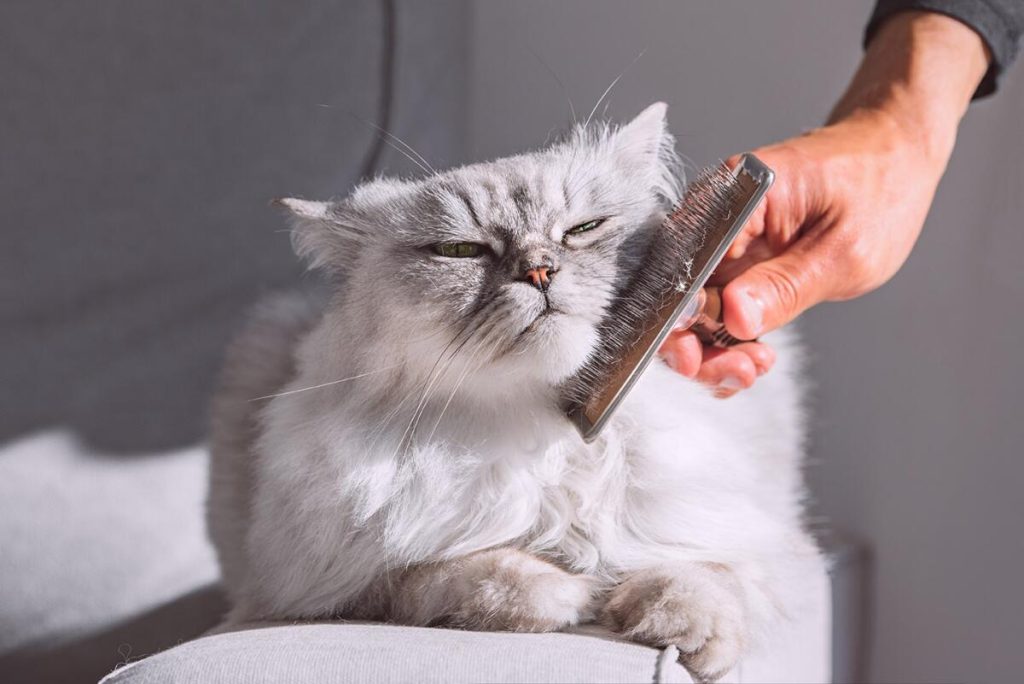
Have you ever wondered if your cat really needs grooming? You might think cats take care of themselves, but there’s more to it than just a quick lick.
Grooming can help keep your furry friend healthy, comfortable, and looking their best. If you want to learn how grooming can benefit your cat and what you should know before you start, keep reading. This guide will clear up common questions and give you simple tips to make grooming easy and stress-free for both you and your pet.
Benefits Of Grooming Cats
Grooming cats is important for their overall well-being. It helps keep their coat clean and healthy.
Regular grooming also creates a chance to check your cat for any health issues early. It makes your cat feel comfortable and loved.
Health Improvements
Grooming removes dirt, dead skin, and loose fur. This keeps the skin healthy and reduces the risk of infections. Brushing also spreads natural oils that make the coat shiny and soft.
- Prevents matting and tangles
- Reduces fleas and ticks
- Helps spot wounds or lumps early
Bonding Opportunities
Grooming time strengthens the bond between you and your cat. It helps build trust and calm your pet. Cats often enjoy gentle brushing and petting.
Tips for bonding during grooming:
- Choose a quiet place
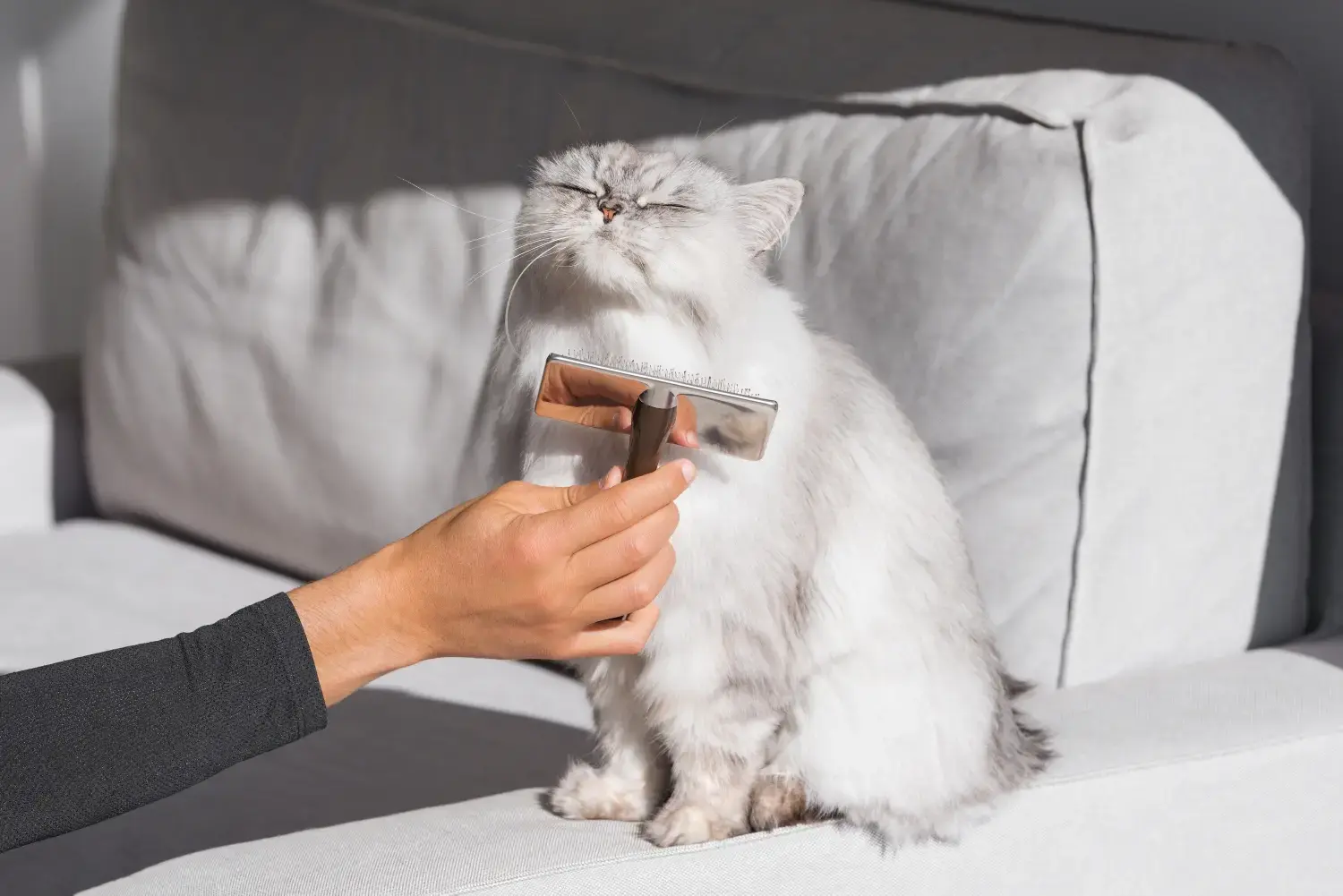
- Use soft brushes or combs
- Talk gently to your cat
- Give treats after grooming
Reducing Hairballs
Grooming lowers the amount of loose hair your cat swallows. This reduces hairballs, which can cause vomiting or discomfort. Regular brushing helps keep your cat’s stomach healthy.
| Grooming Action | Benefit |
| Brushing daily | Less loose fur to swallow |
| Removing mats | Prevents hairball blockages |
| Cleaning fur | Reduces stomach irritation |
Choosing The Right Grooming Tools
Grooming your cat helps keep its coat clean and healthy. Using the right tools makes grooming easier and more comfortable for your pet.
Different cats need different grooming supplies. Picking the correct tools depends on your cat’s fur type and personality.
Types Of Brushes
Brushes come in many shapes and sizes. Choosing the right brush depends on your cat’s fur length and texture.
- Slicker brushes remove loose hair and mats from medium to long fur.
- Bristle brushes are gentle and suit short-haired cats.
- Comb brushes help untangle knots and reach deep under the fur.
- Rubber brushes massage the skin and remove dirt from short coats.
Nail Clippers And Trimmers
Keeping your cat’s nails trimmed prevents scratches and damage. Use clippers made for cats to avoid hurting them.
| Type | Description | Best For |
| Guillotine Clippers | Blade moves sideways to cut nails cleanly | Most cats, easy to use |
| Scissor Clippers | Scissor-like blades for strong nails | Cats with thick nails |
| Nail Grinders | Files nails gradually instead of clipping | Cats sensitive to clippers |
Cleaning Supplies
Cleaning tools keep your cat’s grooming area sanitary. They also help clean your cat’s eyes, ears, and teeth.
- Pet-safe wipes clean dirt from fur and paws.
- Ear cleaners remove wax and debris safely.
- Soft cloths or cotton balls gently wipe eyes and face.
- Pet toothbrushes and toothpaste keep teeth healthy.
Brushing Techniques For Different Coats
Grooming cats helps keep their coats healthy and clean. Different coat types need different brushing methods. Using the right tools and techniques can make grooming easier for you and your cat.
Understanding your cat’s fur type is key. This guide covers brushing tips for short-haired and long-haired cats. It also explains how to handle mats and tangles safely.
Short-haired Cats
Short-haired cats have fine fur that lies close to the skin. They usually need less grooming but still benefit from regular brushing. Brushing removes loose hair and reduces shedding.
- Use a soft-bristle brush or rubber grooming mitt.
- Brush gently in the direction of hair growth.
- Spend 5 to 10 minutes brushing once or twice a week.
- Check for skin issues or fleas while brushing.
- Focus on areas like the neck, back, and tail base.
Long-haired Cats
Long-haired cats need more frequent grooming to avoid tangles. Their thick fur can trap dirt and debris. Regular brushing keeps their coat shiny and healthy.
| Tool | Purpose |
| Wide-toothed comb | Detangles knots gently |
| Slicker brush | Removes loose hair and dirt |
| Pin brush | Smooths and adds shine |
Brush long-haired cats daily. Start with the wide-toothed comb to loosen knots. Follow with the slicker brush to clean the coat. Use the pin brush last for a polished look.
Dealing With Mats And Tangles
Mats and tangles cause discomfort. They can trap moisture and dirt. Removing them carefully is important to avoid hurting your cat.
- Hold the mat at the base to protect the skin.
- Use a mat splitter or your fingers to gently loosen it.
- Cut mats with scissors only if needed and safe to do so.
- Brush the area after mat removal to prevent new tangles.
- Seek professional help for large or tight mats.
Bathing Cats Safely
Bathing cats can be tricky because most cats do not like water. It is important to bathe them safely to avoid stress or injury. Proper bathing helps keep your cat clean and healthy.
Use gentle products made for cats and prepare everything before starting. Knowing when and how to bathe your cat will make the process easier for both of you.
When To Bathe Your Cat
Not all cats need regular baths. Most cats groom themselves well. Bathing is needed only in special cases.
- If your cat gets very dirty or sticky
- When your cat has fleas or skin problems
- If your cat cannot clean itself due to age or illness
- After exposure to harmful substances, like oil or chemicals
Step-by-step Bathing Guide
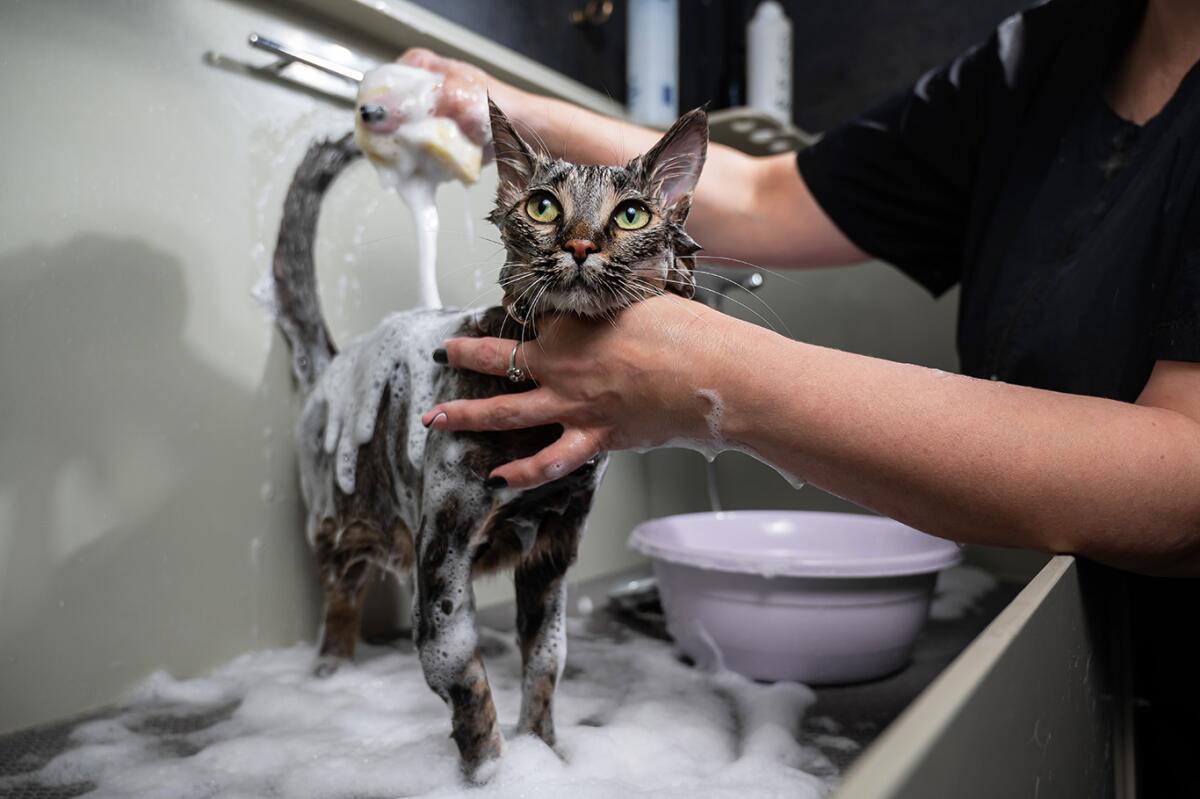
Prepare your supplies before you start. Use warm water and a shampoo made for cats. Speak softly to keep your cat calm.
- Brush your cat to remove loose hair and mats
- Fill the sink or tub with 3-4 inches of warm water
- Gently place your cat in the water, holding it securely
- Wet the cat’s fur slowly, avoiding the face
- Apply cat shampoo and lather carefully
- Rinse all shampoo out completely to avoid skin irritation
- Use a cup or sprayer to rinse gently
Drying Tips
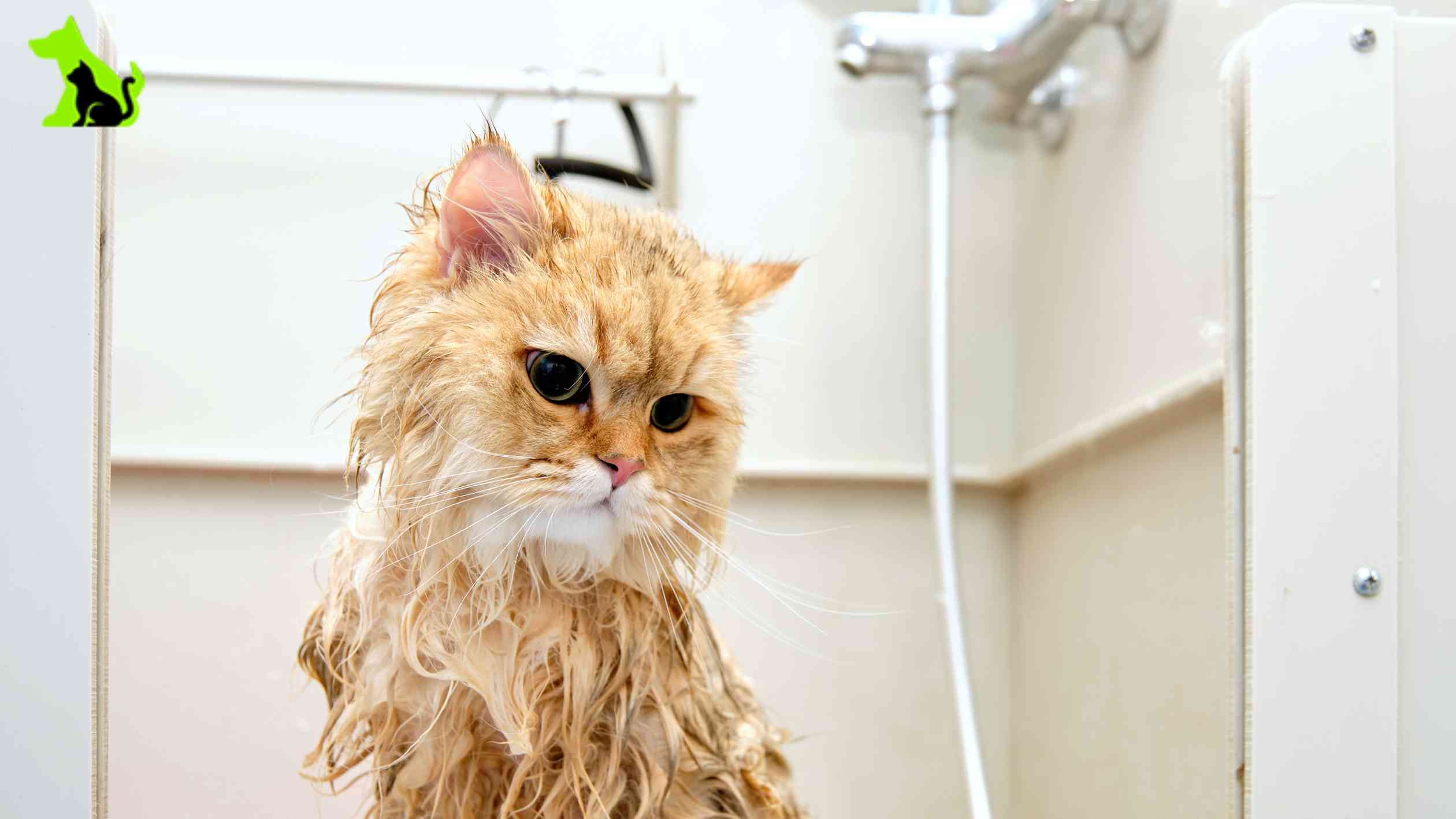
Dry your cat quickly but gently. Use a soft towel to remove water. Avoid using a hairdryer unless your cat likes the noise.
- Wrap your cat in a warm towel to absorb water
- Gently rub to dry the fur without pulling
- Use a second dry towel if needed
- If using a hairdryer, keep it on low heat and noise
- Keep your cat in a warm room until fully dry
Trimming Nails Without Stress
Trimming your cat’s nails can be hard. Many cats get scared or upset. You can make it calm and safe for both of you.
Knowing how to prepare, cut nails right, and handle problems helps. It keeps your cat happy and healthy.
Preparing Your Cat
Start by choosing a quiet time when your cat feels calm. Let your cat sniff the nail clippers first.
Gently hold your cat’s paw and press the toe to show the nail. Give soft praise or treats to relax your cat.
- Pick a quiet, comfortable place
- Show the clippers to your cat
- Hold the paw gently but firmly
- Use treats to reward calm behavior
Proper Nail Cutting
Cut only the sharp tip of the nail. Avoid the pink part called the quick. Cutting the quick causes pain and bleeding.
Use a sharp, small clipper made for cats. Cut nails straight across to prevent splitting or injury.
- Cut small amounts at a time
- Avoid the quick (pink area)
- Use cat-specific nail clippers
- Cut nails straight across
Handling Accidents
If you cut the quick, do not panic. Use styptic powder or cornstarch to stop bleeding quickly.
Keep calm and comfort your cat. Give gentle pets and speak softly to reduce stress.
- Apply styptic powder or cornstarch to stop bleeding
- Hold the paw gently for a few minutes
- Speak softly and comfort your cat
- Try nail trimming again later
Credit: www.latimes.com
Cleaning Ears And Eyes
Keeping your cat’s ears and eyes clean helps prevent infections. Regular care improves their comfort and health.
Learn how to clean these delicate areas safely and spot signs that need a vet’s attention.
Ear Care Basics
Check your cat’s ears weekly for dirt or wax buildup. Use a soft cloth or cotton ball with a vet-approved cleaner.
- Hold the ear flap gently to expose the ear canal.
- Wipe away any dirt on the outer ear.
- Avoid inserting anything deep into the ear canal.
- Stop if your cat shows pain or discomfort.
Eye Cleaning Tips
Wipe your cat’s eyes daily to remove crust or discharge. Use a clean, damp cloth or cotton ball for each eye.
| Eye Cleaning Supplies | Purpose |
|---|---|
| Warm water | Softens and removes debris |
| Cotton balls | Gentle wiping without scratching |
| Vet-approved eye wipes | Safe cleaning for sensitive eyes |
Signs Of Infection
Look for redness, swelling, or foul odor in ears or eyes. Excessive scratching or rubbing may also mean infection.
- Red or inflamed skin
- Thick yellow or green discharge
- Bad smell coming from ears or eyes
- Frequent pawing at ears or eyes
- Loss of balance or head shaking
Dealing With Grooming Challenges
Grooming cats can be tough. Many cats do not enjoy the process. They may show fear or act out.
Understanding your cat’s behavior helps make grooming easier. This guide covers common challenges and solutions.
Fear And Anxiety
Cats often feel scared during grooming. Loud noises and strange tools can cause stress. This makes grooming a challenge.
- Use a calm voice to soothe your cat.
- Start grooming in a quiet room.
- Use soft brushes and gentle strokes.
- Give treats to create a positive experience.
Aggressive Behavior
Some cats may hiss or scratch during grooming. Aggression is a sign of fear or pain. Watch your cat’s body language closely.
| Behavior | Possible Cause | What to Do |
| Hissing | Fear | Stop grooming and try later |
| Scratching | Discomfort | Use gloves and stay calm |
| Biting | Pain or stress | Check for injury, be gentle |
Seeking Professional Help
If grooming is too hard, a professional groomer can help. They have the right tools and experience. This keeps your cat safe and clean.
Here are tips for choosing a groomer:
- Ask for recommendations from your vet.
- Check reviews online.
- Visit the grooming salon first.
- Make sure they handle cats gently.
Credit: blog.homesalive.ca
Maintaining Grooming Routine
Keeping a regular grooming routine helps your cat stay healthy and comfortable. Grooming removes dirt, loose hair, and prevents mats. It also strengthens the bond between you and your cat.
Consistency is key. Cats feel calmer when they know what to expect during grooming. Creating a routine can make grooming easier for both of you.
Scheduling Grooming Sessions
Set specific times for grooming your cat. Choose quiet moments when your cat is relaxed. Short sessions work best to keep your cat comfortable.
- Pick a regular day of the week for grooming
- Use calm, gentle movements
- Keep sessions brief at first, then increase time
- Watch for signs your cat needs a break
Adapting To Your Cat’s Needs
Each cat has different grooming needs. Pay attention to your cat’s coat type and behavior. Adjust your routine to fit these needs.
| Cat Type | Grooming Frequency | Special Tips |
|---|---|---|
| Short-haired | Once a week | Use soft brush |
| Long-haired | 2-3 times a week | Check for mats daily |
| Senior cats | Gentle grooming daily | Use gentle comb, avoid sensitive areas |
Rewarding Your Cat
Giving rewards helps your cat enjoy grooming. Use treats or praise to encourage good behavior during sessions.
Try these rewards after grooming:
- Small healthy treats
- Petting and soft voice
- Playtime with favorite toys
Credit: hellopetsinc.com
Frequently Asked Questions
Can Cats Get Groomed Professionally?
Yes, cats can be groomed professionally. Groomers trim nails, clean ears, and remove mats safely. Professional grooming helps maintain your cat’s hygiene and comfort.
How Often Should Cats Be Groomed?
Cats should be groomed every 4 to 6 weeks. Regular grooming prevents matting, reduces shedding, and keeps their coat healthy and clean.
Is Grooming Stressful For Cats?
Grooming can be stressful initially, but most cats adapt. Gentle handling and short sessions help reduce stress during grooming.
Can Grooming Improve A Cat’s Health?
Yes, grooming improves health by removing dirt, preventing mats, and checking skin conditions. It also promotes better circulation and reduces hairballs.
Conclusion
Cats can definitely benefit from grooming. It keeps them healthy and comfortable. Regular grooming helps reduce shedding and prevent hairballs. Clean fur means fewer mats and tangles. Cats enjoy the bonding time with their owners too. Grooming is not just about looks.
It’s about health and well-being. Start a grooming routine today. Your cat will thank you. Even a few minutes each week can help. Remember to use the right tools. Always be gentle and patient. Grooming makes a big difference in your cat’s life.
Happy cat, happy home!