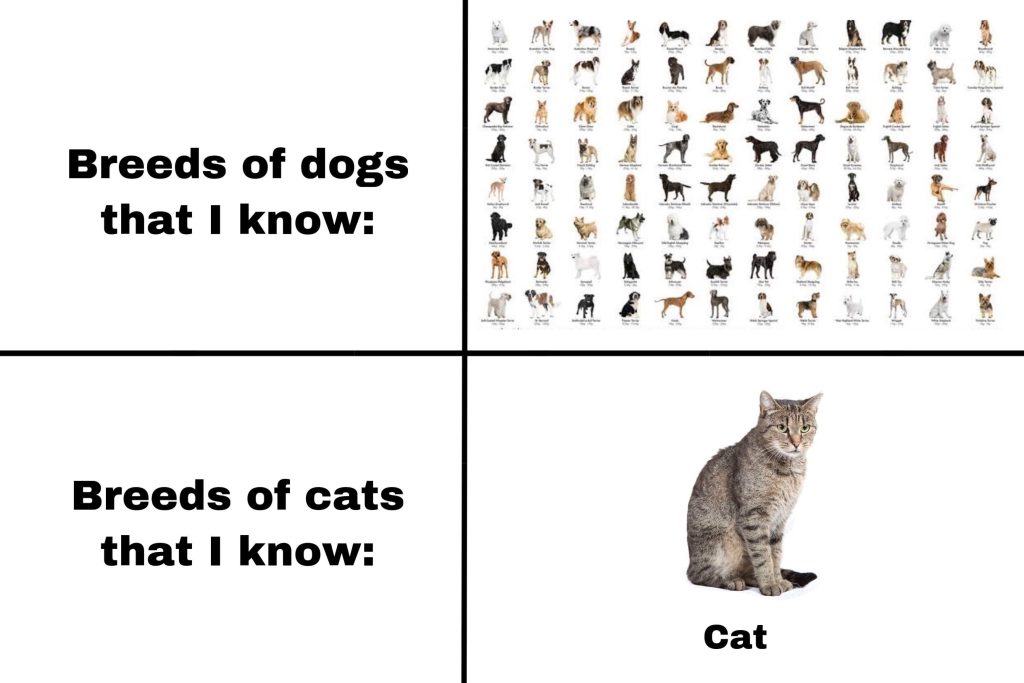
Have you ever looked at your cat and wondered, “What breed is my furry friend?” Knowing your cat’s breed can help you understand their behavior, health needs, and personality better. But with so many types of cats out there, figuring it out can feel confusing.
Don’t worry—this guide will walk you through simple and effective steps to determine your cat’s breed. By the end, you’ll have a clearer picture of your cat’s unique background and what makes them special. Keep reading to discover the clues hiding in your cat’s looks and traits!

Credit: www.reddit.com
Physical Traits To Observe
Knowing a cat’s breed can help you understand its behavior and needs. You can tell the breed by looking at its physical traits. These traits include coat, body, eyes, and ears.
Observing these features closely will guide you in identifying the breed. Each breed has unique characteristics that make it special.
Coat Patterns And Colors
Cat breeds have different coat patterns and colors. Some have stripes, spots, or solid colors. The coat can be short or long.
- Tabby: Stripes or swirls on the coat
- Calico: White with orange and black patches
- Solid: One color all over
- Pointed: Darker colors on ears, face, paws, and tail
- Spotted: Small or large spots on the fur
Body Shape And Size
Body shape and size differ by breed. Some cats are slim and long. Others are round and stocky. Size can range from small to large.
- Slender and sleek: Often seen in Siamese cats
- Muscular and medium-sized: Common in Bengal cats
- Large and sturdy: Maine Coons are an example
- Compact and round: British Shorthairs have this build
Eye Shape And Color
Eye shape and color can help identify a cat breed. Eyes may be round, almond-shaped, or oval. Colors range widely.
- Round eyes: Seen in Persian cats
- Almond eyes: Common in Siamese cats
- Blue eyes: Often found in Siamese and Ragdolls
- Green eyes: Typical for Russian Blue cats
- Gold or copper eyes: Seen in many British Shorthairs
Ear Shape And Position
Look at the ears to help find the breed. Some cats have large ears, others small. The ear shape and how they sit on the head also vary.
- Large, pointed ears: Common in Oriental breeds
- Small, rounded ears: Seen in Scottish Folds
- Wide-set ears: Often found in Maine Coons
- Ears tilted forward: Found in Burmese cats
Credit: www.rover.com
Behavioral Clues
Not all cats behave the same way. Their actions can hint at their breed.
Behavior helps in identifying a cat’s breed along with looks. Watch how they act.
Activity Levels
Different breeds have different energy amounts. Some cats like to run and jump a lot.
- Siberians and Bengals are very active and love to play.
- Ragdolls and Persians tend to be calm and relaxed.
- Siamese cats often show bursts of energy during playtime.
Social Tendencies
Cats differ in how much they want to be around people or other pets.
| Breed | Social Behavior |
| Scottish Fold | Enjoys company, friendly with kids |
| Russian Blue | Shy but loyal to owners |
| Abyssinian | Very curious and enjoys playmates |
| British Shorthair | Independent but calm around others |
Vocalization Styles
Listen to how your cat talks. Some breeds meow a lot, others are quiet.
Common vocal traits by breed:
- Siamese:Loud and talkative, often “chat” with owners.
- Maine Coon:Soft chirps and trills, less meowing.
- Persian:Quiet and gentle voice.
- Bengal:Medium volume with varied sounds.
Genetic Testing Options
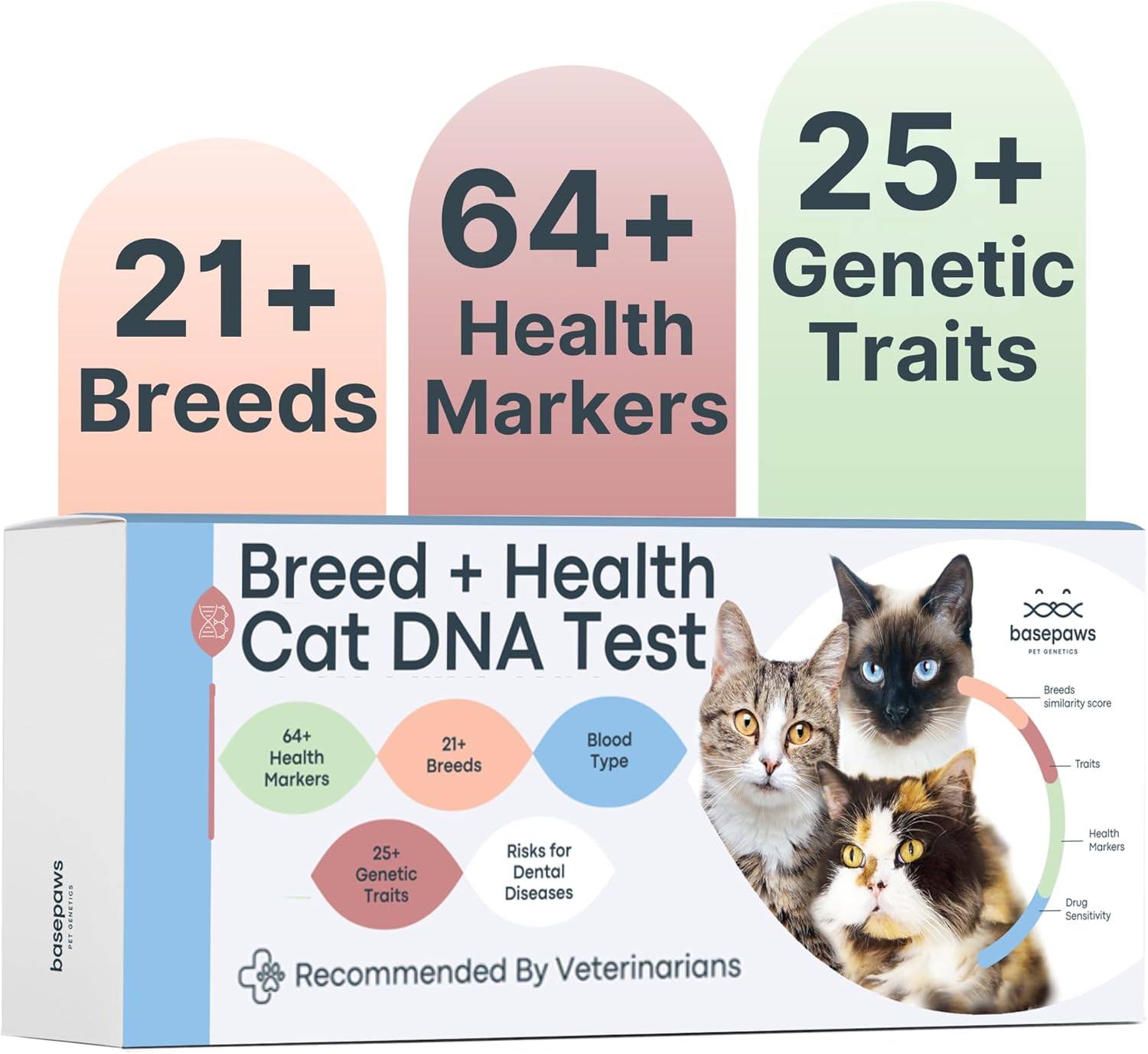
Genetic testing helps identify a cat’s breed by examining its DNA. It gives clear information about the cat’s ancestry and traits.
These tests use small samples like saliva or a cheek swab. They analyze the genes to find breed markers and health risks.
Popular Dna Tests For Cats
Some DNA tests for cats focus on breed identification. Others check for health conditions and traits. Popular tests include:
- Basepaws Cat DNA Test
- Wisdom Panel Cat DNA Test
- Orivet Cat DNA Test
- Optimal Selection Cat DNA Test
These tests vary in price and the number of breeds they cover. Many provide detailed reports about your cat’s breed mix.
Interpreting Genetic Results
Genetic results show the percentage of each breed in your cat’s DNA. They may also list traits like coat color or eye shape.
Reports often include health risks tied to certain breeds. This helps owners care for their cats better.
- Breed breakdown percentages
- Physical traits linked to genes
- Possible hereditary health issues
Accuracy And Limitations
Genetic tests are mostly accurate but not perfect. Results depend on the test’s breed database and sample quality.
Tests may miss rare breeds or mixed genes. They do not replace vet advice for health concerns.
- Accuracy varies by test brand
- Not all breeds are in every database
- Health results need vet confirmation
Consulting Experts
Determining your cat’s breed can be tricky. Experts can help you identify the breed more accurately.
They use experience and knowledge about cat features and behavior to guide you.
Veterinarians And Breeders
Veterinarians see many cat breeds and can spot breed traits. They often help with health and breed questions.
Breeders specialize in specific cat breeds. They know breed standards and can identify your cat’s breed or mix.
- Veterinarians check physical traits and health history
- Breeders recognize breed traits and colors
- Both can advise on breed-specific care
Cat Fanciers Associations
Cat Fanciers Associations keep records of many cat breeds. They set breed standards and offer breed information.
These groups can help you compare your cat’s features with official breed descriptions.
- Provide breed profiles and photos
- Offer guides on breed traits and history
- Host cat shows to showcase breeds
Online Identification Communities
Online forums and groups let you share photos and info about your cat. Members often include breed experts.
These communities can give quick feedback and help you learn about different breeds.
- Post pictures for breed opinions
- Ask questions about cat traits
- Connect with people who own similar cats
Common Misidentifications
Determining a cat’s breed can be tricky. Many cats look similar, and mixed breeds add to the confusion.
It is important to avoid quick guesses. Knowing common misidentifications helps to identify breeds better.
Mixed Breed Confusions
Many cats are mixed breeds. Their traits come from different breeds, making identification hard.
- Mixed breeds may show colors from several breeds.
- Body shape and size can vary widely in mixed cats.
- Mixed breed cats often have unique patterns not tied to one breed.
Similar Looking Breeds
Some breeds look very much alike. Small differences can help tell them apart.
| Breed | Key Features | Common Mix-ups |
|---|---|---|
| British Shorthair | Round face, dense coat | Chartreux, Scottish Fold |
| Russian Blue | Silver-blue coat, green eyes | Chartreux, Korat |
| Siamese | Pointed colors, slender body | Balinese, Oriental Shorthair |
Avoiding Assumptions
Do not assume a cat’s breed from one feature. Many traits overlap in different breeds.
Tips to avoid wrong guesses:
- Look at multiple traits like fur, eyes, and body shape.
- Ask a vet or expert for help.
- Use DNA tests for clear results.

Credit: apps.apple.com
Maintaining Breed Records
Keeping accurate breed records helps track a cat’s breed history. This information supports breed identification and care.
Organizing records properly makes it easy to compare traits and share information with others.
Documenting Physical And Behavioral Traits
Record the cat’s size, fur type, color patterns, and eye shape. Note unique behaviors such as activity level and social habits.
- Fur length and texture
- Distinctive markings or colors
- Eye color and shape
- Weight and size
- Temperament and activity
Photographic Records
Take clear photos from multiple angles to capture physical traits. Use good lighting and focus on key breed features.
| Photo Angle | Details to Capture |
| Front view | Face, eyes, nose shape |
| Side view | Body shape, ear set |
| Top view | Fur pattern, head shape |
| Close-up | Eye color, whiskers, paws |
Using Apps And Tools
Many apps help organize breed records. They store photos, notes, and breed info in one place.
Popular features in breed record apps:
- Photo galleries with tagging
- Searchable trait databases
- Notes for behavior and health
- Sharing options for breeders and vets
Frequently Asked Questions
How Can I Identify My Cat’s Breed At Home?
Observe your cat’s physical traits like fur color, pattern, and body shape. Compare these with breed profiles online. Use a cat breed identification app for quick help. Remember, some cats are mixed breeds, making exact identification tricky without genetic testing.
What Traits Distinguish Common Cat Breeds?
Common traits include coat length, color patterns, eye shape, and ear type. For example, Siamese cats have short fur and blue almond-shaped eyes. Maine Coons are large with tufted ears and long fur. Recognizing these features helps narrow down your cat’s breed.
Can Dna Tests Determine My Cat’s Breed Accurately?
Yes, DNA tests offer precise breed identification. They analyze your cat’s genetic markers and match them with known breeds. Tests also reveal health risks and ancestry. However, these tests can be costly and take a few weeks for results.
Are Physical Traits Enough To Identify A Cat Breed?
Physical traits provide clues but aren’t always conclusive. Mixed breeds often show characteristics of multiple breeds. Behavioral traits and genetic tests add accuracy. Combining these methods offers the best chance to identify your cat’s breed correctly.
Conclusion
Understanding your cat’s breed can be a fun journey. It helps you know their needs better. Identifying breed traits can improve your pet’s care. Use physical features and behavior as clues. Consult experts or use online tools for guidance. Always remember, each cat is unique and special.
Their breed adds to their charm. Enjoy the process of discovering more about your feline friend. It strengthens your bond. Happy exploring!