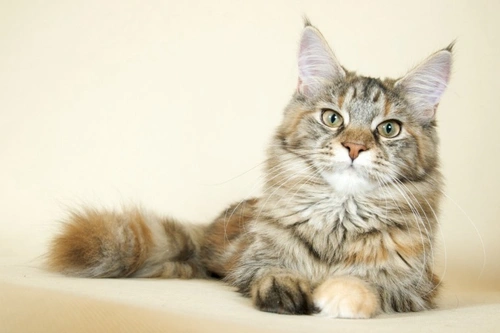
Are you fascinated by the majestic Maine Coon cat and curious about how they achieve their stunning looks and gentle temperament? You’re not alone.
Many cat enthusiasts and breeders are captivated by this breed’s unique traits. But did you know that these traits are often the result of careful selective breeding? We’ll explore how humans use selective breeding to enhance the Maine Coon’s distinct characteristics, such as their luxurious fur, striking size, and friendly nature.
By understanding these breeding practices, you can gain deeper insights into how Maine Coons maintain their allure and charm. Get ready to uncover the secrets behind the creation of these magnificent felines and discover how you can appreciate or even participate in this fascinating process.
Maine Coon Origins
Maine Coon cats are one of the oldest natural breeds in North America. They are known for their large size and thick fur. Humans have used them for selective breeding to keep their best traits.
This breed’s history and traits help explain why they are popular in breeding programs today. Their unique features come from many years of adaptation and careful selection.
Breed History
Maine Coons first appeared in the state of Maine, USA, where they got their name. They were valued for their hunting skills and thick coats that kept them warm in cold weather.
- Originated in the 19th century in New England
- Used as working cats on farms and ships
- Recognized officially in cat shows by the early 1900s
- Breeders preserved traits like size and coat quality
Distinctive Traits
Maine Coons have special features that make them easy to identify. Breeders focus on these traits to keep the breed consistent and strong.
| Trait | Description | Selective Breeding Focus |
|---|---|---|
| Size | Large and muscular body | Maintain large frame for strength |
| Coat | Long, thick, water-resistant fur | Enhance warmth and protection |
| Tail | Long and bushy | Promote balance and appearance |
| Personality | Friendly and intelligent | Keep gentle and social nature |

Credit: www.reddit.com
Selective Breeding Basics
Selective breeding is a way humans guide the traits of Maine Coon cats. This helps keep or improve special features in the breed.
By choosing cats with certain traits, breeders shape future generations. This practice supports health, appearance, and behavior goals.
Purpose And Goals
Humans breed Maine Coons for specific reasons. They want cats that look strong and have good health.
- Enhance the breed’s size and fur quality
- Keep friendly and gentle personality traits
- Reduce genetic diseases
- Maintain breed standards set by cat associations
Genetic Principles
Selective breeding uses basic genetics rules. Breeders understand how traits pass from parents to kittens.
| Genetic Term | Meaning |
| Dominant Trait | Appears when one parent passes the gene |
| Recessive Trait | Appears only if both parents pass the gene |
| Carrier | Has a recessive gene but does not show the trait |
| Genotype | The genetic makeup of a cat |
| Phenotype | The visible traits of a cat |
Traits Targeted In Maine Coons
Maine Coon cats are popular for their unique traits. Breeders select specific traits to keep or improve.
Selective breeding helps maintain the breed’s special features. It also supports their health and behavior.
Physical Characteristics
Maine Coons are known for their large size and strong build. Breeders focus on these traits to keep their impressive look.
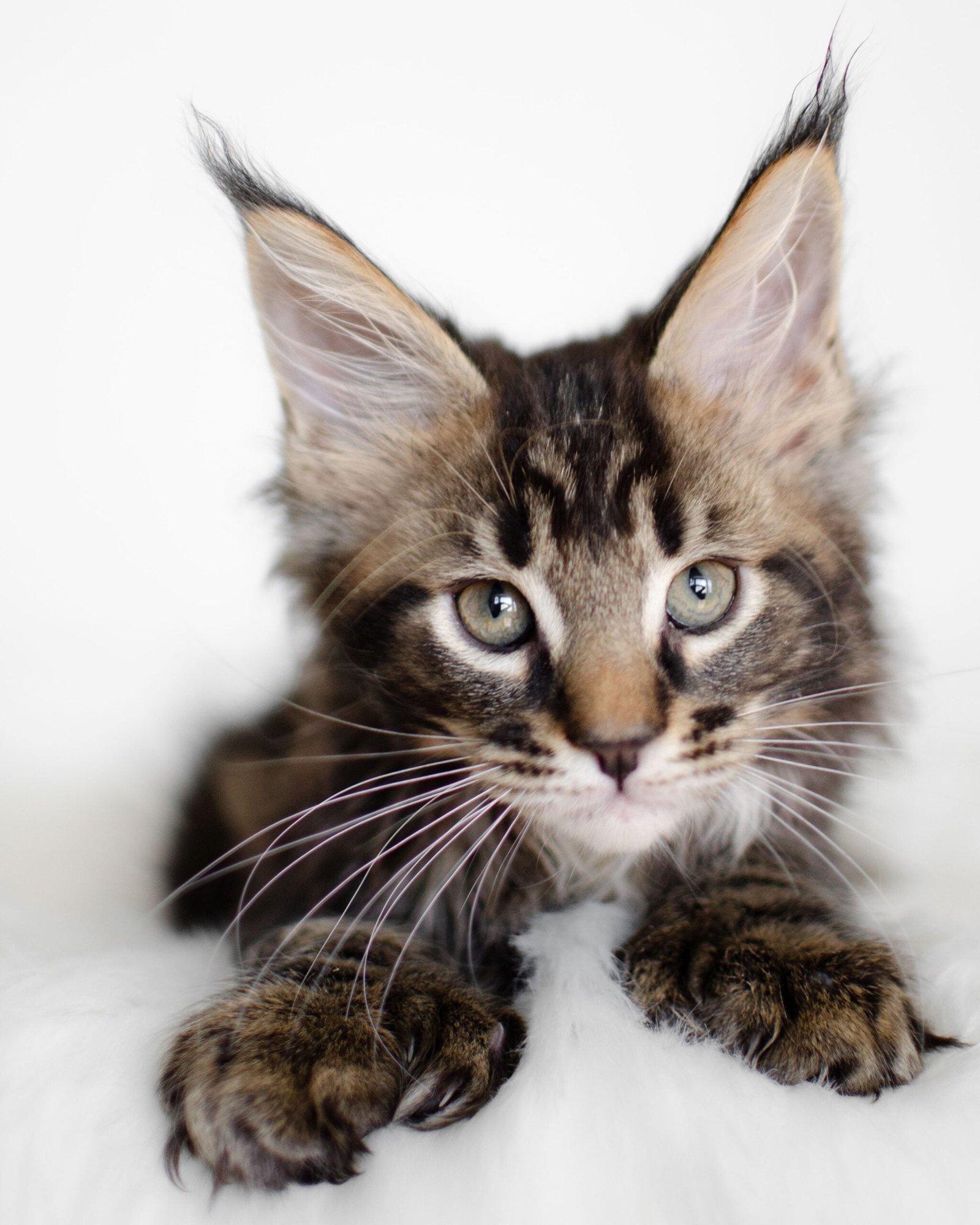
Other physical traits include thick fur, tufted ears, and bushy tails. These help Maine Coons adapt to cold weather.
- Large body size with muscular build
- Long, thick fur with water resistance
- Ear tufts and lynx tips
- Big, bushy tail
- Square muzzle and high cheekbones
Temperament And Behavior
Maine Coons have friendly and gentle personalities. Breeders select cats that show calm and social behavior.
These cats are known for being playful and intelligent. They often get along well with children and other pets.
- Friendly and social with people
- Gentle and patient nature
- Playful and curious
- Good with children and other animals
- Intelligent and easy to train
Health Considerations
Breeders focus on healthy Maine Coons with fewer genetic issues. They avoid breeding cats with known health problems.
Common health concerns include hip dysplasia and heart disease. Careful selection helps reduce these risks.
- Screening for hip dysplasia
- Testing for hypertrophic cardiomyopathy (HCM)
- Choosing cats with strong immune systems
- Monitoring coat and skin health
Breeding Techniques
Selective breeding helps humans improve Maine Coon cats. Breeders use specific techniques to choose traits. These traits include size, fur, and personality.
These techniques help maintain the breed’s unique look and health. Breeders follow careful plans for better results.
Mate Selection
Mate selection is the first step in breeding Maine Coons. Breeders choose cats with good traits to mate. They look for strong health, good temperament, and breed standards.
Choosing the right mates helps keep the breed strong and healthy. Breeders avoid cats with genetic problems.
Linebreeding And Outcrossing
Linebreeding uses relatives to keep strong traits in Maine Coons. It helps keep the breed consistent. But breeders watch for health issues from close breeding.
Outcrossing means breeding cats from different lines. This adds new genes and improves health. Breeders balance linebreeding and outcrossing for best results.
- Linebreeding keeps breed traits stable
- Outcrossing adds genetic diversity
- Balance prevents health problems
Pedigree Analysis
Pedigree analysis helps breeders track Maine Coon family history. It shows which cats passed on traits. This helps avoid inbreeding and genetic problems.
Breeders use pedigree charts to plan matings. Good records improve the breed and keep cats healthy.
Challenges In Breeding
Breeding Maine Coon cats requires careful planning and knowledge. Breeders face many challenges to keep the cats healthy. Two key challenges are genetic disorders and maintaining diversity.
Understanding these challenges helps breeders make better choices. This keeps the Maine Coons strong and improves their breed over time.
Genetic Disorders
Maine Coons can have genetic problems passed down from parents. Some common disorders include hip dysplasia and heart disease. Breeders must test cats before breeding.
- Hip Dysplasia: affects the joints and causes pain.
- Hypertrophic Cardiomyopathy: a heart condition common in Maine Coons.
- Spinal Muscular Atrophy: causes muscle weakness and loss.
- Polycystic Kidney Disease: leads to kidney failure over time.
Testing and careful mate selection reduce the risk of passing these disorders. Breeders should avoid breeding cats that carry harmful genes.
Maintaining Diversity
Maintaining genetic diversity is important for healthy Maine Coons. Breeding too closely related cats can cause problems. It lowers the immune system and increases disease risk.
| Method | Purpose |
| Outcrossing | Breeding with unrelated cats to add new genes. |
| Pedigree Analysis | Tracking ancestry to avoid close relatives mating. |
| Population Management | Keeping track of breeding cats to balance gene pool. |
Good breeders use these methods to keep Maine Coons strong and healthy. They help keep the breed’s unique traits without health risks.
Credit: greekgardenmainecoons.com
Expert Roles And Responsibilities
Selective breeding of Maine Coon cats needs experts to guide and monitor the process. Each expert has a clear role to protect the health and quality of the cats.
These roles include checking cat health, following ethical rules, and teaching breeders proper techniques. Experts work together to maintain strong, healthy Maine Coons.
Veterinary Oversight
Veterinarians check the health of Maine Coons before breeding. They test for genetic diseases and overall wellness. This helps prevent passing health problems to kittens.
- Perform genetic screenings
- Monitor physical health
- Advise on breeding timing
- Treat any health issues quickly
Ethical Standards
Breeders and experts follow strict rules to protect cats’ welfare. They avoid breeding cats with health problems or poor temperaments. Respect for the animals is a top priority.
| Standard | Description |
| Health Screening | Only breed cats free of genetic diseases |
| Living Conditions | Provide clean, safe, and comfortable homes |
| Temperament | Breed cats with good behavior and social skills |
| Breeding Limits | Control number of litters per cat for health |
Breeder Education
Experts teach breeders about genetics and care. Education helps breeders make better choices and improve cat quality. This also ensures cats live healthy, happy lives.
Key Topics in Breeder Education
- Understanding Maine Coon genetics
- Recognizing signs of health problems
- Proper nutrition and housing
- Ethical breeding practices
- Record keeping and tracking lineage
Impact On Maine Coon Population
Maine Coon cats are popular for their size and friendly nature. Humans use selective breeding to shape their traits. This process affects the overall Maine Coon population.
Selecting specific traits helps improve the breed but also changes its genetic diversity. Let’s look at how this happens in three key areas.
Breed Improvement
Selective breeding focuses on enhancing Maine Coons’ physical and health traits. Breeders choose cats with strong bones, thick coats, and good temperaments. This helps keep the breed consistent and healthy.
- Better health and fewer genetic diseases
- Clear breed standards for appearance
- Improved behavior and social skills
- Longer lifespan through careful selection
Market Demand
The demand for Maine Coons shapes breeding choices. Buyers want specific colors and sizes. Breeders respond by selecting cats that match these preferences. This can narrow the gene pool.
| Trait | Market Popularity |
| Large size | High |
| Long fur | Medium |
| Rare colors | High |
| Friendly personality | Very high |
Conservation Efforts
Conservation groups work to keep Maine Coons healthy and diverse. They track bloodlines to avoid inbreeding. This protects the breed from genetic problems.
Key conservation steps include:
- Maintaining breed registries
- Promoting genetic testing
- Encouraging breeding outside close relatives
- Raising awareness about breed health

Credit: felinefancy.co.uk
Frequently Asked Questions
What Traits Are Targeted In Maine Coon Selective Breeding?
Breeders focus on size, coat pattern, and temperament. They aim for healthy, sociable cats with classic Maine Coon features. This ensures breed standards and pet appeal.
How Does Selective Breeding Improve Maine Coon Health?
Selective breeding reduces genetic disorders by choosing healthy cats. Breeders avoid mating cats with hereditary diseases to promote longevity. This enhances overall breed vitality.
Why Is Temperament Important In Maine Coon Breeding?
Temperament affects how well cats adapt to homes. Breeders select friendly, playful Maine Coons for better companionship. This creates pets suited for families.
How Do Breeders Maintain Maine Coon Breed Standards?
They follow strict guidelines on physical and behavioral traits. Breeders document lineage and perform health checks regularly. This preserves the breed’s unique identity.
Conclusion
Selective breeding of Maine Coon cats shapes their unique traits. Breeders choose cats with the best features to mate. This helps keep the breed healthy and strong. People value their size, fur, and friendly nature. Careful choices lead to kittens that look and act like Maine Coons should.
This process takes time and patience. It shows how humans guide nature gently. Maine Coons remain popular because of this thoughtful breeding. The bond between humans and cats grows through these efforts. Breeding helps preserve this special breed for future lovers.