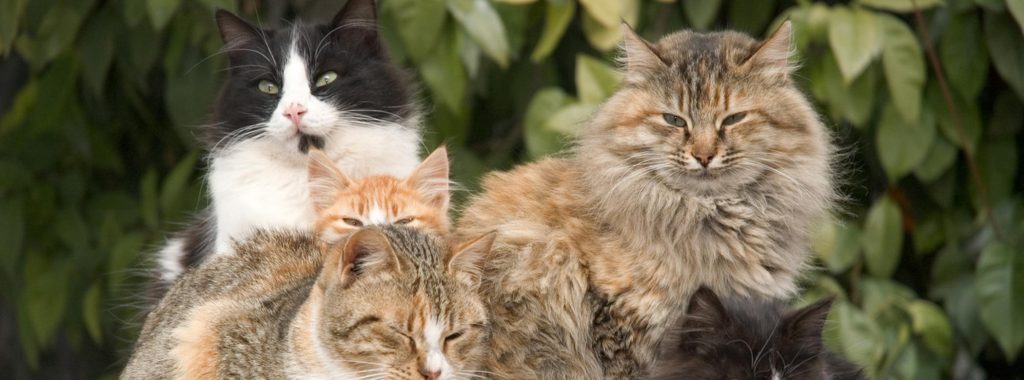
Have you ever wondered which domestic cat holds the title for being the biggest? If you’re curious about feline giants and want to know which breed might surprise you with its size, you’re in the right place.
Understanding the biggest breed of domestic cat isn’t just fun—it can also help you decide if a larger cat fits your lifestyle. Keep reading, and you’ll discover fascinating facts that could change the way you see your furry friend forever.
Largest Cat Breeds
Some domestic cat breeds grow much bigger than others. These large cats can weigh more and have longer bodies.
Knowing about the biggest cat breeds helps cat lovers choose the right pet for them.
Maine Coon
The Maine Coon is one of the largest domestic cats. It has a thick, long fur coat that keeps it warm.
Males can weigh between 13 and 18 pounds. Some even grow bigger. They have a friendly and playful nature.
Savannah
The Savannah cat is a mix between a domestic cat and a wild serval. It is tall and lean with long legs.
These cats can weigh up to 20 pounds. Their size and spotted coat make them look wild but they are social.
Norwegian Forest Cat
Norwegian Forest Cats have thick fur and strong bodies. They are built to live in cold climates.
They usually weigh 12 to 16 pounds. Their bushy tails and large paws help them move in snow.
Ragdoll
Ragdolls are large cats with soft, silky fur. They are named for their relaxed and floppy nature.
Adult males can weigh 15 to 20 pounds. They are calm and love to be held like a doll.
Physical Traits Of Big Cats
Big domestic cats are known for their impressive size and strength. Their physical traits make them stand out among other cat breeds.
Understanding these traits helps to appreciate how these cats differ in appearance and build.
Weight And Length
Big cat breeds can weigh much more than average cats. They also grow longer from head to tail.
| Breed | Average Weight (lbs) | Average Length (inches) |
| Maine Coon | 13-18 | 40 |
| Savannah | 12-25 | 30-40 |
| Norwegian Forest | 12-16 | 35-40 |
| Chausie | 15-25 | 35-45 |
Body Structure
These big cats have strong muscles and broad chests. Their legs are usually long and sturdy.
- Muscular build for strength
- Long legs for agility
- Large paws to support weight
- Broad chests for lung capacity
Fur And Coat
The fur of big cats is thick and dense. It helps protect them in colder climates.
- Long hair around neck and chest
- Water-resistant coat
- Varied colors and patterns
Factors Influencing Size
The size of domestic cats varies widely among breeds. Some cats grow much larger than others. Many factors influence how big a cat becomes.
Understanding these factors helps explain why some breeds are bigger. Genetics, diet, and environment all play a role.
Genetics
Genes determine the natural size potential of a cat. Large breeds like the Maine Coon have genes for bigger bones and muscles. Small breeds have different genes.
Breeders select cats with traits for size to keep or grow the breed. This is why some breeds stay large over time.
- Genes control growth rate and final size
- Large breeds have inherited big bone structure
- Selective breeding maintains size traits
Diet And Nutrition
Good food helps cats reach their full size potential. Cats need protein, fats, vitamins, and minerals to grow strong. Poor diet can stunt growth.
Overfeeding can cause weight gain but not healthy size. Balanced meals support muscle and bone development.
- High protein helps muscle growth
- Essential vitamins support bone health
- Balanced diet prevents unhealthy weight gain
Environment
A cat’s surroundings affect its growth. Stress, space, and activity levels impact size. Cats that exercise grow stronger muscles.
Safe and calm homes help cats grow well. Outdoor cats may develop differently than indoor cats due to activity differences.
- Exercise builds muscle and strength
- Stress can slow growth
- Space allows for healthy movement
Credit: www.pets4homes.co.uk
Comparing Domestic And Wild Cats
Domestic cats and wild cats belong to the same family but differ greatly in many ways. The biggest breed of domestic cat can surprise many people.
This article explores how size, behavior, and adaptations set domestic cats apart from their wild cousins.
Size Differences
Wild cats usually grow larger than domestic breeds. The biggest domestic cats, like the Maine Coon, are still smaller than most wild cats.
| Cat Type | Average Weight | Average Length |
|---|---|---|
| Maine Coon (Domestic) | 13-18 lbs (6-8 kg) | 30-40 inches (76-101 cm) |
| Lion (Wild) | 330-550 lbs (150-250 kg) | 70-100 inches (178-254 cm) |
| Tiger (Wild) | 220-660 lbs (100-300 kg) | 90-130 inches (229-330 cm) |
Behavioral Traits
Domestic cats show friendly and playful behavior toward humans. Wild cats act more cautious and hunt for survival.
- Domestic cats enjoy socializing with people.
- Wild cats are mostly solitary animals.
- Domestic cats often purr and knead.
- Wild cats use growls and roars to communicate.
Adaptations
Wild cats have strong adaptations for hunting and living outdoors. Domestic cats have traits suited for home life.
- Wild Cats:Sharp claws, powerful muscles, night vision, camouflage fur
- Domestic Cats:Smaller size, softer fur, more docile nature, ability to live indoors
Caring For Large Cat Breeds
Large cat breeds like the Maine Coon or Savannah need special care. Their size affects their diet, exercise, and health.
Understanding how to care for these big cats helps them stay happy and healthy.
Dietary Needs
Large cats need more food than small cats. They require a diet rich in protein to support their muscle growth.
Choose high-quality cat food that fits their size and energy level. Avoid overfeeding to prevent obesity.
- Feed large breed cat food or special formulas
- Provide fresh water at all times
- Feed multiple small meals per day
- Include wet and dry food for variety
Exercise And Space
Big cats need room to move and play. They enjoy climbing, running, and jumping.
Give them plenty of toys and vertical space like cat trees. Regular playtime keeps them fit and happy.
- Provide large, sturdy cat trees or shelves
- Use interactive toys for exercise
- Create safe indoor and outdoor play areas
- Spend time daily playing with your cat
Health Concerns
Large cats face some health risks due to their size. Joint problems and heart disease are common in big breeds.
Regular vet visits help catch problems early. Watch for changes in movement or appetite.
- Schedule annual vet checkups
- Monitor weight and body condition
- Check for signs of arthritis or pain
- Keep vaccinations and parasite control up to date

Credit: worldanimalfoundation.org
Famous Large Cats
The biggest breed of domestic cat is known for its impressive size. These large cats often surprise people with their strength and friendly nature.
This article looks at some famous large cats. These cats have made headlines for their size and charm.
Record Holders
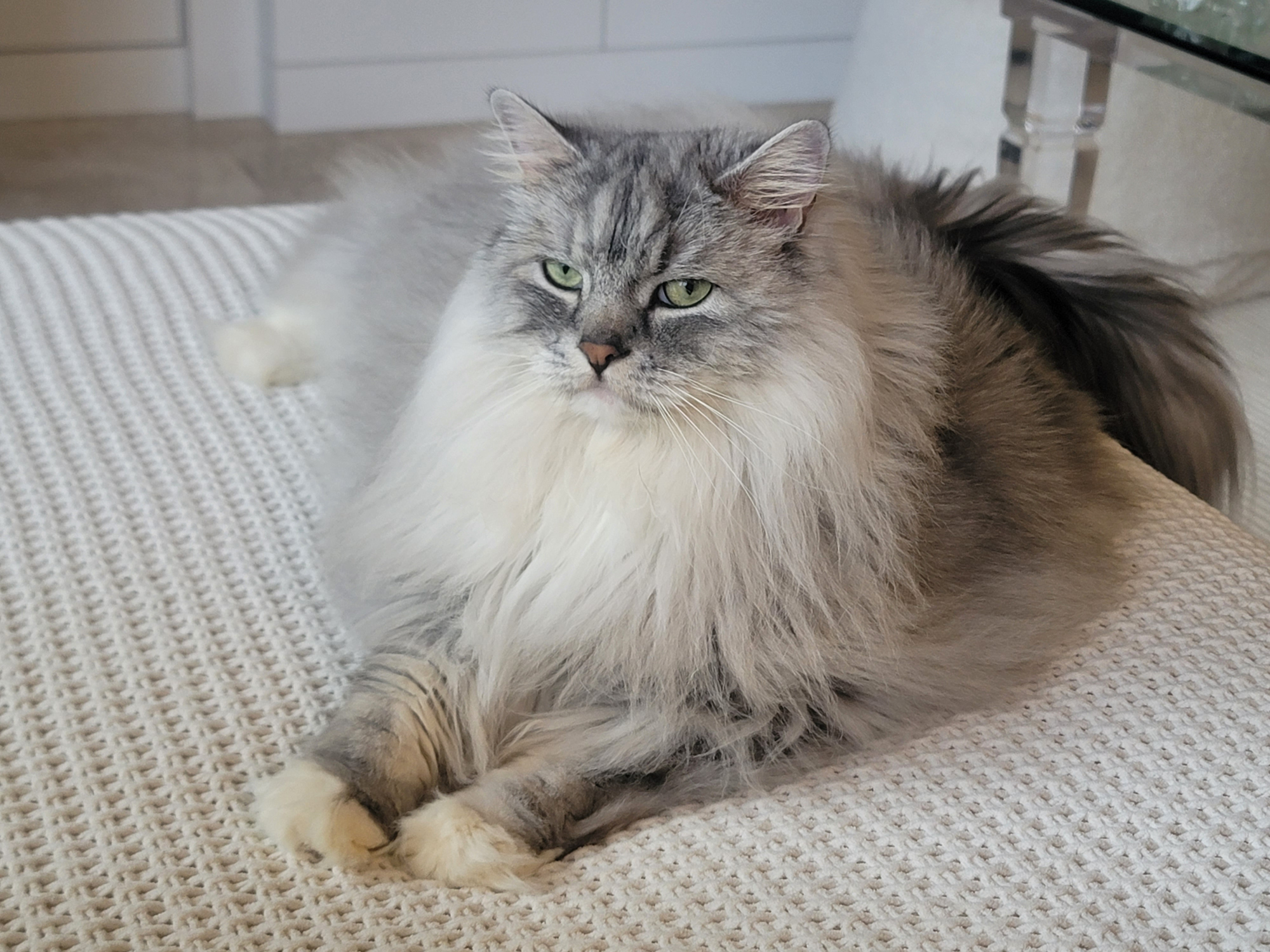
The Maine Coon is the largest domestic cat breed. Some males weigh over 20 pounds and can be more than 40 inches long.
One record holder was a Maine Coon named Stewie. Stewie held the Guinness World Record for the longest domestic cat.
- Stewie measured 48.5 inches from nose to tail tip.
- He weighed about 26 pounds at his largest.
- Stewie lived in Nevada, USA.
Celebrities And Pets
Many celebrities own large cats from the Maine Coon breed. These cats are popular because they are gentle and playful.
Famous people like Taylor Swift and Chris Evans have shared pictures of their big cats. Their pets often get attention on social media.
- Taylor Swift’s Maine Coon named Meredith is well known.
- Chris Evans often shows his big cat on Instagram.
- Large cats are loved for their unique looks and size.
Credit: manypets.com
Frequently Asked Questions
What Is The Biggest Breed Of Domestic Cat?
The Maine Coon is the biggest domestic cat breed. Males can weigh up to 18 pounds or more. They are known for their large size, tufted ears, and bushy tails.
How Big Can Maine Coon Cats Grow?
Maine Coons can grow up to 40 inches long, including the tail. They typically weigh between 10 to 25 pounds. Their size makes them one of the largest domestic cat breeds.
Are There Other Large Domestic Cat Breeds?
Yes, other large breeds include the Norwegian Forest Cat and Savannah Cat. Both have impressive sizes but are generally smaller than the Maine Coon. Each breed has unique features and temperaments.
Do Big Domestic Cats Require Special Care?
Large cats like Maine Coons need balanced diets to maintain their size. Regular grooming helps manage their thick fur. Their size also means they require more space and exercise.
Conclusion
Biggest cat breeds fascinate many pet lovers. Maine Coons top the list. They are gentle giants with friendly nature. These cats have distinctive, long fur. Their size impresses everyone who meets them. Ragdolls and Savannah cats also stand out. Both have unique traits and large sizes.
Each breed offers something special. Consider your lifestyle before choosing a big cat. Space and care are essential for these breeds. Research helps in making informed decisions. Owning a large cat can be rewarding. They bring joy and companionship. Perfect for those seeking a unique pet experience.