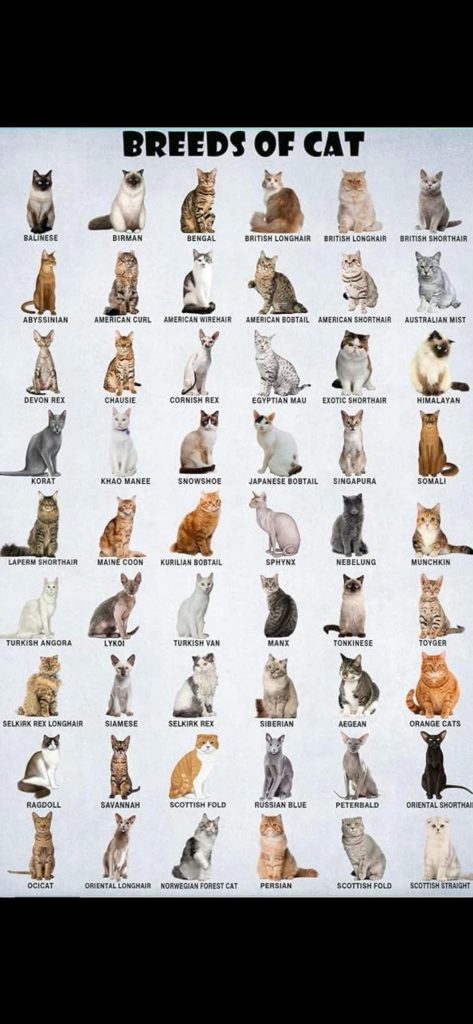
Have you ever looked at your cat and wondered, “What is my cat’s breed?” Knowing your cat’s breed can tell you a lot about their personality, health, and care needs.
Whether your furry friend is a curious mix or a purebred beauty, discovering their breed can deepen your connection and help you give them the best life possible. Keep reading, and you’ll learn simple ways to identify your cat’s breed and why it matters to you and your pet.
Credit: www.pets4homes.co.uk
Common Cat Breeds
Many people wonder about their cat’s breed. Cats come in many types, each with unique traits. Knowing common breeds helps you understand your cat better.
This guide covers popular domestic breeds, their distinctive features, and breed origins. It helps you identify your cat’s breed with ease.
Popular Domestic Breeds
Some cat breeds are well-known and loved worldwide. Here are a few popular domestic breeds you might meet.
- Siamese
- Maine Coon
- Persian
- Ragdoll
- British Shorthair
Distinctive Features
| Breed | Coat | Eye Color | Size |
|---|---|---|---|
| Siamese | Short, cream with dark points | Blue | Medium |
| Maine Coon | Long, thick | Green, gold, or copper | Large |
| Persian | Long, fluffy | Various colors | Medium |
| Ragdoll | Medium, silky | Blue | Large |
| British Shorthair | Short, dense | Copper or gold | Medium |
Breed Origins
Each breed has a unique history. Their origins explain some traits and behaviors.
- Siamese:From Thailand, known for vocal and social nature.
- Maine Coon:From the United States, famous for large size and friendly personality.
- Persian:Originated in Persia (now Iran), valued for calm and gentle temperament.
- Ragdoll:Developed in the USA, named for its relaxed and floppy nature.
- British Shorthair:Ancient breed from the UK, known for sturdy build and calmness.
Credit: www.pawaii.com
Identifying Cat Traits
Finding out your cat’s breed can be fun and useful. You can start by looking at their traits. Traits include how they look and act.
Traits help you guess your cat’s breed. Look closely at their coat, body, and personality.
Coat Patterns And Colors
Coat patterns and colors are key to identifying cat breeds. Different breeds have unique patterns and shades.
Common coat patterns include solid, striped, spotted, and patched. Colors range from black and white to orange and gray.
- Solid:One color all over the body
- Tabby:Stripes or swirls, often with an “M” on the forehead
- Calico:White with patches of orange and black
- Spotted:Small spots scattered on the coat
- Colorpoint:Darker colors on ears, face, paws, and tail
Body Shape And Size
Body shape and size can tell you a lot about your cat’s breed. Some breeds are slim, others are stocky or muscular.
Look at the length of legs, tail, and overall body. Size ranges from small to large cats.
- Slender:Long legs and body, like Siamese cats
- Stocky:Short legs and thick body, like British Shorthairs
- Muscular:Strong build, like Bengals
- Fluffy:Thick fur and round body, like Persians
Personality Clues
Personality traits help identify a cat’s breed too. Some cats are calm, others are very playful or shy.
How your cat behaves can match known breed traits. Notice how they interact with people and other pets.
- Social:Friendly and loves attention, like Ragdolls
- Active:Energetic and playful, like Abyssinians
- Quiet:Calm and gentle, like Scottish Folds
- Independent:Likes to be alone, like Russian Blues
Using Cat Dna Tests
Many cat owners want to know their cat’s breed. Cat DNA tests help find out which breeds are in your cat’s background. These tests give details about your cat’s ancestry and traits.
Using a DNA test is easy and safe. You collect a small sample from your cat and send it to a lab. The results come back with information about your cat’s breed mix.
How Dna Testing Works
DNA testing looks at your cat’s genetic material. This material holds clues about the cat’s breed history. The lab compares your cat’s DNA to a database of known breeds.
The test finds markers that match specific breeds. These markers show which breeds your cat is related to. The lab then creates a report based on these matches.
Top Dna Test Options
There are several popular DNA tests for cats. Each test offers breed identification and health insights. Some also provide traits and ancestry details.
- Test A: Covers over 40 cat breeds with health screening
- Test B: Focuses on breed mix and trait analysis
- Test C: Offers detailed ancestry and genetic health risks
Interpreting Results
Results show the percentage of each breed in your cat. You may see primary and minor breed types listed. This helps you understand your cat’s background better.
The report may also include health risks linked to certain breeds. Use this information to provide better care. Talk to your vet if you have questions about the results.
Cat Breed Mixes
Cat breed mixes occur when two different breeds mate. These cats have traits from both parents.
Mixed breed cats can have unique looks and personalities. They are common in many homes.
Common Mixed Breeds
Some mixed breeds are popular because of their looks or traits. Here are a few common mixes:
- Bengal Mix – wild spots with a friendly nature
- Persian Mix – fluffy coat with calm behavior
- Siamese Mix – blue eyes and vocal personality
- Maine Coon Mix – large size with gentle traits
- Domestic Shorthair Mix – varied looks and adaptable
Traits Of Mixed Cats
Mixed cats often show a blend of traits. Their coat, size, and behavior can vary widely.
| Trait | Possible Mixed Cat Outcome |
| Coat Pattern | Spotted, striped, or solid |
| Size | Small to large |
| Personality | Playful, shy, or social |
| Energy Level | High to low |
Adapting Care For Mixes
Care for mixed cats should match their unique needs. Watch their health and behavior closely.
Tips for caring for mixed breed cats:
- Feed a balanced diet suitable for their size
- Provide regular grooming based on coat type
- Schedule vet visits to monitor health
- Offer playtime to match their energy
- Watch for any signs of stress or illness
When To Consult A Vet Or Expert
Knowing your cat’s breed can be tricky. Sometimes, it is hard to tell just by looking.
It is a good idea to ask a vet or expert for help. They can give you the right answers.
Professional Breed Identification
A vet or cat expert can identify your cat’s breed. They use special tools and experience.
They look at your cat’s size, fur, eyes, and other features. This helps find the breed.
- Experts can spot mixed breeds better than amateurs
- They may use DNA tests for clear answers
- Professional ID helps with cat shows or breeding
Health Considerations By Breed
Different breeds may have different health risks. Knowing the breed helps keep cats safe.
Vets can check if your cat needs special care. Some breeds need specific diets or medicine.
- Persian cats may have breathing problems
- Maine Coons often face joint issues
- Siamese cats can be prone to dental disease

Credit: www.reddit.com
Frequently Asked Questions
How Can I Identify My Cat’s Breed?
To identify your cat’s breed, observe its physical traits and behaviors. Look for specific coat patterns, eye colors, and body shapes. You can also consult a vet or use online breed identification tools. DNA testing is another option for precise results.
What Are Common Cat Breed Characteristics?
Common cat breed characteristics include coat length, color patterns, and body size. Some breeds have unique traits like folded ears or short tails. Each breed also has distinct personality traits. Understanding these characteristics can help in identifying your cat’s breed.
Can A Mixed-breed Cat Have Distinct Breed Traits?
Yes, mixed-breed cats can exhibit traits from various breeds. These traits might be physical or behavioral. For example, a mixed-breed cat can have the coat of one breed and the personality of another. Observing these traits can give clues about your cat’s ancestry.
Is Dna Testing Reliable For Cat Breed Identification?
DNA testing is a reliable method for identifying a cat’s breed. It provides detailed insights into your cat’s genetic makeup. These tests can identify specific breeds and even trace lineage. However, results might vary based on the database used by the testing service.
Conclusion
Knowing your cat’s breed helps you understand its behavior and needs. Each breed has unique traits and care tips. This knowledge can make your bond stronger. It also helps in choosing the right food and toys. Watching your cat closely reveals clues about its breed.
Enjoy learning about your furry friend’s special background. Every cat is unique and deserves proper care. Keep exploring and loving your cat every day.