Have you ever wondered which domestic cat breed takes the crown for being the largest? If you’re curious about big, gentle feline companions that can comfortably live with you at home, this article is for you.
Discover the surprising size, personality, and care needs of the largest domestic cats. By the end, you’ll know exactly which breed might be the perfect giant friend to share your space with—and why size truly matters when it comes to your new furry family member.
Keep reading to find out more!
Largest Domestic Cat Breeds
Many cat breeds vary in size, but some stand out as the largest. These big cats are gentle and make great pets. They combine size with friendly personalities.
This article explores the largest domestic cat breeds. Learn about their looks, traits, and why they are loved by many.
Maine Coon: The Gentle Giant
The Maine Coon is one of the biggest domestic cats. It has a long, thick coat that keeps it warm. This breed can weigh up to 18 pounds or more.
Despite its size, the Maine Coon is very gentle. It loves to be around people and is good with children and other pets.
Savannah Cat: Wild Looks At Home
The Savannah Cat is a large breed with a wild appearance. It is a mix of domestic cats and the African Serval. This breed can weigh between 12 and 25 pounds.
Savannah Cats are active and smart. They enjoy playing and need lots of attention from their owners.
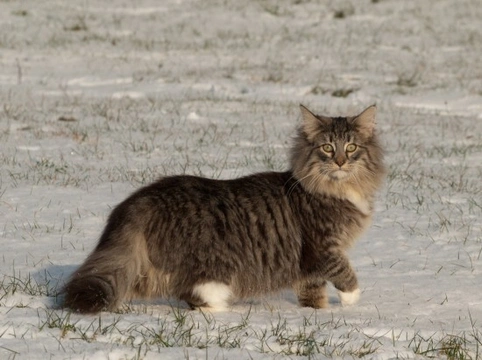
Norwegian Forest Cat: Nordic Strength
The Norwegian Forest Cat is a strong, large breed from cold climates. It has a thick, water-resistant coat and can weigh up to 16 pounds. This cat is built to survive harsh weather.
This breed is calm and friendly. It likes climbing and exploring but also enjoys quiet time with family.
Ragdoll: Big And Affectionate
The Ragdoll is a large and loving breed. It often weighs between 15 and 20 pounds. Ragdolls have striking blue eyes and soft fur.
They are known for their relaxed nature. Ragdolls enjoy being held and often go limp in your arms, which is why they got their name.

Credit: headsupfortails.com
Physical Traits Of Giant Cats
Giant domestic cats are known for their impressive size and strong build. They look much bigger than regular cats.
These cats have unique physical traits that make them stand out in any home or neighborhood.
Size And Weight Range
Giant domestic cats can weigh much more than normal cats. Their size shows how big and powerful they are.
Some giant cats can weigh between 15 to 25 pounds or even more. Their length can reach up to 40 inches from head to tail.
- Weight range: 15 to 25+ pounds
- Length: up to 40 inches including tail
- Height: about 10 to 16 inches at the shoulder
Coat Types And Colors
Giant cats have different coat types. Some have short hair, while others have long, fluffy fur.
Their colors vary widely. You can find solid colors, patterns, and mixed shades on these large cats.
- Short, medium, or long hair coats
- Common colors: brown, black, white, grey
- Patterns: tabby, spotted, solid, or patched
Body Structure And Build
These cats have a strong and muscular body. Their bones are thick and their legs are sturdy.
Their heads are broad with large paws. This build helps them move gracefully despite their large size.
- Muscular chest and shoulders
- Thick bones and strong legs
- Broad head with big paws
Personality Of Large Breeds
Large domestic cat breeds have unique personalities that make them special pets. Their size does not mean they lack affection or fun.
Understanding their temperament helps owners enjoy a great bond with these gentle giants.
Temperament And Behavior
Large cat breeds are usually calm and friendly. They like to stay close to their owners and show affection.
- Gentle with children and other pets
- Often curious and intelligent
- Enjoy quiet time and gentle play
- Can be shy but warm up quickly
Interaction With Families
These cats fit well in families of all sizes. They love being part of daily activities and social events.
| Family Type | Cat’s Reaction |
| With young children | Patient and tolerant |
| Couples | Affectionate companions |
| Single owners | Loyal and interactive |
| Other pets | Generally friendly and social |
Activity Levels And Playfulness
Large breeds show moderate energy. They enjoy play but also love relaxing.
Typical activities include:
- Chasing toys
- Climbing cat trees
- Interactive games with owners
- Quiet resting periods
Care Tips For Big Cats
The largest domestic cat breed needs special care. These cats are bigger and stronger than typical cats.
Providing the right diet, exercise, and health care keeps them happy and healthy.
Diet And Nutrition Needs
Big cats need more food than small cats. Their diet must have high protein to support their muscles.
Feed them balanced meals with meat, vitamins, and minerals. Avoid overfeeding to prevent obesity.
- Provide fresh water daily
- Use quality cat food made for large breeds
- Include occasional treats for variety
- Consult a vet for special diet needs
Exercise And Enrichment
Big cats need plenty of exercise to stay fit. They enjoy climbing, jumping, and playing.
Provide toys and spaces to explore. This helps reduce stress and boredom.
- Use climbing trees and scratching posts
- Offer interactive toys for mental stimulation
- Play with your cat daily to boost activity
- Create safe outdoor access if possible
Health Considerations
Large cats can face health problems like joint pain and heart issues. Regular vet visits are important.
Watch for signs of illness such as limping or loss of appetite. Early care helps them live longer.
- Schedule yearly health checkups
- Keep vaccinations up to date
- Maintain dental hygiene
- Monitor weight and behavior changes
Choosing The Right Giant Cat
Giant cat breeds are much larger than typical house cats. They need special care and space. It is important to pick the right breed for your home and lifestyle.
Understanding the needs of large cats helps keep them healthy and happy. This guide explains key points to consider when choosing a giant cat.
Matching Lifestyle And Breed
Each giant cat breed has unique traits. Some are active and playful, others are calm and relaxed. Choose a breed that fits your daily routine.
Think about how much time you can spend with your cat. Some large breeds need more attention and playtime than others.
- Maine Coon cats are friendly and social.
- Savannah cats are energetic and need space to run.
- Norwegian Forest cats enjoy quiet and calm homes.
Space And Environment
Large cats need more room to move and explore. A small apartment might not be enough. Make sure your home can handle a big cat.
Provide climbing spaces and scratching posts. These help keep your cat active and healthy indoors.
- Have enough space for a large litter box.
- Use sturdy furniture that can hold a big cat.
- Create safe outdoor access if possible.
Long-term Commitment
Giant cat breeds often live 12 to 15 years or more. Be ready for long-term care and costs. Regular vet visits and good food are essential.
Large cats may have special health needs. Know the breed’s common health issues to prepare for future care.
- Budget for food and medical care.
- Plan for regular grooming and exercise.
- Understand the time needed to bond and train.
:format(jpeg):quality(75))
Credit: manypets.com
Credit: manypets.com
Frequently Asked Questions
What Is The Largest Domestic Cat Breed?
The Maine Coon is the largest domestic cat breed. They can weigh up to 18 pounds. Maine Coons are known for their friendly nature and tufted ears.
How Big Do Maine Coon Cats Get?
Maine Coon cats can grow up to 40 inches long. They usually weigh between 10 to 18 pounds. Their size makes them gentle giants in the cat world.
Are Large Domestic Cats Good Pets?
Yes, large domestic cats like Maine Coons are excellent pets. They are friendly, playful, and adapt well to families. Their gentle nature makes them great companions.
What Makes Maine Coons So Large?
Maine Coons have a genetic makeup that promotes large size. Their thick fur and strong bones add to their bulk. They also have a slow growth rate, reaching full size around 3-5 years.
Conclusion
Exploring the largest domestic cat breeds can be fascinating. Their impressive size intrigues many pet lovers. These gentle giants often boast friendly personalities. Perfect companions for those seeking larger pets. Maine Coons, Ragdolls, and Savannahs stand out among them. Each breed offers unique traits and charm.
Consider your lifestyle before choosing a big cat. Space and care requirements matter. Providing a nurturing environment ensures happiness. Owning a large cat can be rewarding. A blend of size, beauty, and affection. Enjoy sharing your life with these majestic felines.
They bring joy and companionship to many homes.