Are you thinking about adding a furry friend to your home but unsure which type of cat is the best fit for you? Choosing the right cat isn’t just about looks—it’s about matching your lifestyle, personality, and needs.
Whether you want a playful companion, a calm lap cat, or something in between, finding the perfect match can make all the difference. Keep reading, and you’ll discover what makes each type of cat unique and how to find the one that feels just right for you.
Popular Cat Breeds
Cats make great pets for many homes. Some breeds are more popular than others. Each breed has special traits that many people like.
Here are some popular cat breeds. You can learn about their looks and behavior. This helps you choose the best cat for you.
Siamese Cats
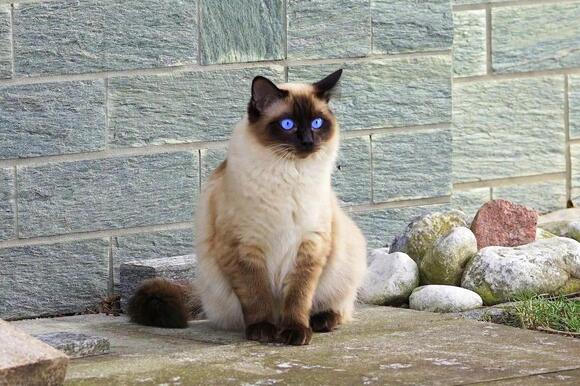
Siamese cats have short hair and bright blue eyes. They are very vocal and love to talk with their owners. These cats are smart and active. They need lots of attention.
Maine Coon Cats
Maine Coon cats are large and fluffy. They have long fur and big paws. These cats are friendly and gentle. They get along well with children and other pets.
- Large size, can weigh up to 18 pounds
- Thick fur helps in cold weather
- Playful and easy to train
- Known as “gentle giants”
Persian Cats
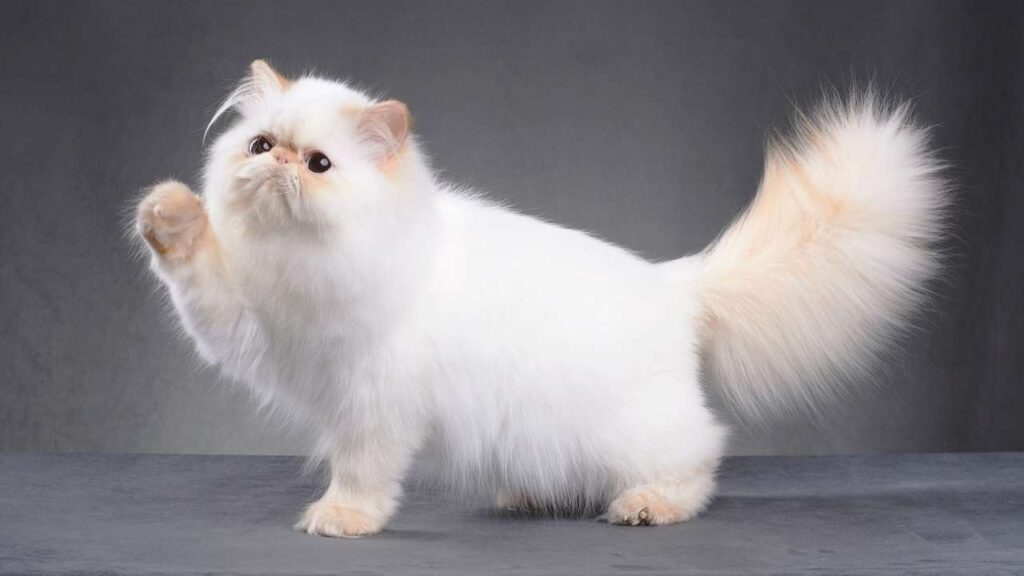
Persian cats have long, thick fur and flat faces. They are calm and like quiet places. Persians need daily grooming to keep their fur clean and soft.
Ragdoll Cats
Ragdoll cats are large and have blue eyes. They often go limp when you hold them, which is why they are called “Ragdolls.” These cats are loving and calm.
| Trait | Ragdoll Cats |
| Size | Large |
| Eye Color | Blue |
| Temperament | Calm and affectionate |
| Coat | Semi-long and soft |
Bengal Cats
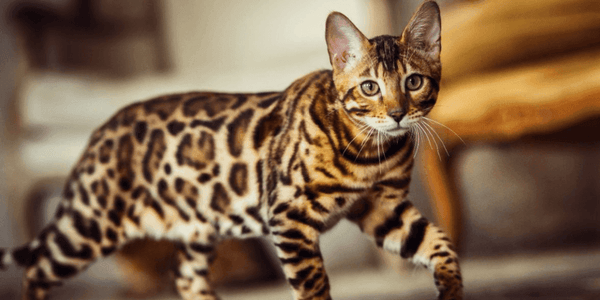
Bengal cats have a wild look with spots like a leopard. They are active and love to play. Bengals need space to run and climb.
Key Bengal Cat Facts:
- Spotted or marbled coat
- High energy and playful
- Very curious and intelligent
- Enjoy water and games
Credit: www.rd.com
Personality Traits
Choosing the best type of cat depends on their personality traits. Cats show many behaviors that fit different owners.
Understanding these traits helps find a cat that matches your lifestyle and home.
Playful And Energetic
Some cats love to play and have lots of energy. They enjoy toys, chasing, and climbing.
- Enjoy interactive playtime
- Need space to run and jump
- Love new toys and challenges
- Good for active families
Calm And Affectionate
Calm cats like quiet environments. They enjoy cuddles and gentle petting.
| Trait | Description |
| Low Activity | Relaxed and slow-moving |
| Affection | Likes sitting on laps |
| Social | Enjoys company but not loud |
Independent And Reserved
Independent cats like spending time alone. They may hide or explore by themselves.
They do not demand much attention but can be loving on their terms.
Vocal And Social
Vocal cats communicate with many sounds. They enjoy being around people and other pets.
Signs of vocal and social cats:
- Meow often to get attention
- Follow owners around the house
- Enjoy interactive play and petting
- Comfortable with strangers
Grooming Needs
Grooming is important for keeping your cat healthy and happy. Different cats have different grooming needs.
Understanding these needs helps you choose the best type of cat for your lifestyle.
Short-haired Cats
Short-haired cats have fur that is easy to care for. Their coats do not tangle or mat easily.
They need brushing once a week to remove loose hair and keep their skin healthy.
Long-haired Cats
Long-haired cats have thick, flowing coats. They require more grooming than short-haired cats.
Daily brushing helps prevent mats and reduces hairballs. Bathing may be needed sometimes.
- Brush daily to avoid tangles
- Check for mats behind ears and under legs
- Use a comb to remove loose hair
- Trim hair if mats appear
Shedding Levels
Shedding varies by cat type and season. Some cats shed more in spring and fall.
Regular grooming helps control shedding and keeps your home cleaner.
- Short-haired cats shed less but still need brushing
- Long-haired cats shed more and require frequent grooming
- Use grooming tools like brushes and lint rollers
- Vacuum often to remove loose hair
Allergy Considerations
Cat allergies come from dander, saliva, and urine, not just fur. Some cats produce fewer allergens.
Regular grooming reduces dander and helps allergy sufferers live with cats more comfortably.
- Short-haired cats may spread fewer allergens
- Long-haired cats trap more dander in fur
- Frequent brushing removes loose fur and dander
- Bathing cats can reduce allergens too
Credit: www.newsbreak.com
Living Environment
Choosing the best type of cat depends a lot on where you live. Cats have different needs based on their surroundings.
Understanding the living environment helps you pick a cat that fits well with your lifestyle and home.
Apartment-friendly Cats
Some cats do better in small spaces like apartments. These cats are calm and do not need much room to play.
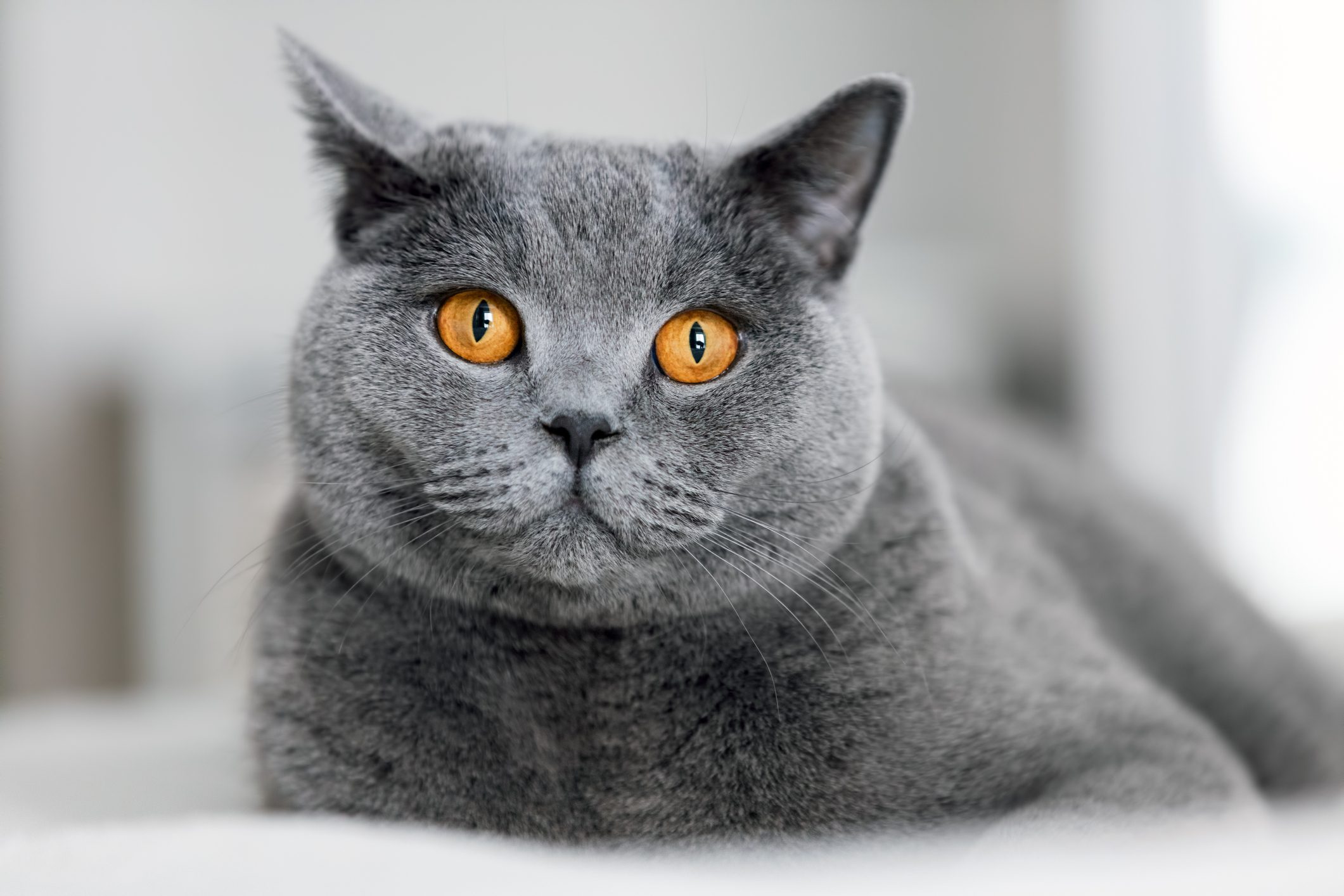
- British Shorthair
- Scottish Fold
- Ragdoll
- Persian
- Russian Blue
Cats For Homes With Kids
Families with kids need cats that are friendly and patient. These cats enjoy company and tolerate handling well.
- Ragdoll
- Birman
- Maine Coon
- American Shorthair
- Scottish Fold
Outdoor Vs Indoor Cats
Decide if your cat will live inside only or have outdoor access. Each choice has pros and cons for safety and health.
| Type | Pros | Cons |
| Indoor | Safer from accidents and diseases | Needs more toys and stimulation |
| Outdoor | More exercise and natural behavior | Risk of injury and parasites |
Space Requirements
Cats need space to stretch, climb, and play. The amount of space depends on the cat’s size and energy.
Here are some tips for good space setup:
- Provide vertical space like shelves or cat trees.
- Keep litter boxes in quiet, accessible spots.
- Offer cozy resting places away from noise.
- Use interactive toys to keep cats active.
Health And Lifespan
Choosing the best type of cat involves understanding their health and lifespan. Different breeds have unique health needs. Knowing these helps keep cats happy and safe.
Good care can increase a cat’s lifespan. This guide covers common health issues, breed lifespans, and tips to prevent illness.
Common Health Issues
Cats may face various health problems depending on their breed. Some issues affect all cats, while others are breed-specific.
- Obesity can lead to diabetes and joint problems.
- Dental disease is common and causes pain and infection.
- Kidney disease often affects older cats.
- Heart problems appear in some breeds like Maine Coons.
- Respiratory infections can happen at any age.
Lifespan Of Popular Breeds
| Breed | Average Lifespan (Years) |
| Siamese | 12 – 20 |
| Maine Coon | 10 – 13 |
| Persian | 12 – 17 |
| Bengal | 12 – 16 |
| Ragdoll | 12 – 15 |
Preventive Care Tips
Regular care helps avoid many health problems. These steps keep cats healthy and extend their life.
- Feed a balanced diet made for your cat’s age and breed.
- Visit the vet for yearly check-ups and vaccines.
- Keep your cat indoors or safe from traffic and predators.
- Brush teeth regularly or use dental treats.
- Provide fresh water and exercise daily.
Credit: www.tippaws.com
Adoption And Care Tips
Choosing the best type of cat means finding one that fits your life. Caring for a cat needs time and effort. Knowing how to adopt and care helps both you and your cat.
Learn about picking the right cat, feeding it well, giving exercise, and regular vet visits. This guide will help you give your cat a happy home.
Choosing The Right Cat
Think about your home and schedule before choosing a cat. Some cats need more attention than others. Age, size, and personality matter.
Visit shelters to meet cats. Talk to staff about each cat’s needs. Choose a cat that fits your lifestyle and family.
- Consider your daily routine and time for care
- Check if you want a playful kitten or calm adult
- Look for cats with good health and friendly behavior
- Think about allergies and other pets at home
Diet And Nutrition
Feed your cat a balanced diet to keep it healthy. Cats need protein, fats, and vitamins. Use food made for cats, not dogs or humans.
Fresh water must always be available. Avoid giving too many treats. Change food slowly to avoid stomach problems.
- Choose high-quality cat food with real meat
- Feed according to your cat’s age and health
- Provide fresh water every day
- Limit treats to prevent weight gain
Exercise And Enrichment
Exercise keeps your cat healthy and happy. Cats need playtime to use their energy. Toys and climbing areas help cats stay active.
Spend time playing with your cat daily. Use toys like balls, feathers, or laser pointers. Create safe spaces for climbing and scratching.
- Play with your cat for 10-15 minutes twice a day
- Provide scratching posts to protect furniture
- Offer toys that move or make noise
- Create climbing shelves or cat trees
Regular Veterinary Visits
Take your cat to the vet for regular check-ups. Vaccines keep your cat safe from diseases. Early care can find health problems fast.
Talk to your vet about flea control, dental care, and diet. Keep your cat’s medical records up to date. Watch for changes in behavior or eating.
- Schedule yearly vet visits for exams and shots
- Ask about flea, tick, and worm prevention
- Check your cat’s teeth and gums regularly
- Report any unusual signs like weight loss or lethargy
Frequently Asked Questions
What Factors Determine The Best Type Of Cat?
The best cat type depends on personality, grooming needs, activity level, and health. Choose based on your lifestyle and preferences.
Which Cat Breeds Are Best For Families?
Ragdolls, Maine Coons, and British Shorthairs are great for families. They are gentle, social, and good with children.
Are Hypoallergenic Cats Really The Best Type For Allergies?
Hypoallergenic cats like Siberians and Balinese produce fewer allergens. They are better for allergy sufferers but may still cause reactions.
How Do Indoor Vs. Outdoor Cats Affect Your Choice?
Indoor cats live longer and are safer. Outdoor cats may need more supervision and can face health risks.
Conclusion
Choosing the best cat depends on personal preferences and lifestyle. Some people love playful cats. Others prefer calm companions. Consider your living space and time for pet care. Allergies? Select a hypoallergenic breed. Research and meet different cats before deciding.
Each cat has unique traits. Match those with your needs. Adoption centers offer many options. Shelters have cats needing homes. Ask questions. Gain insights into each cat’s behavior. The right cat will bring joy and companionship. Your perfect feline friend is out there.
Waiting for you.