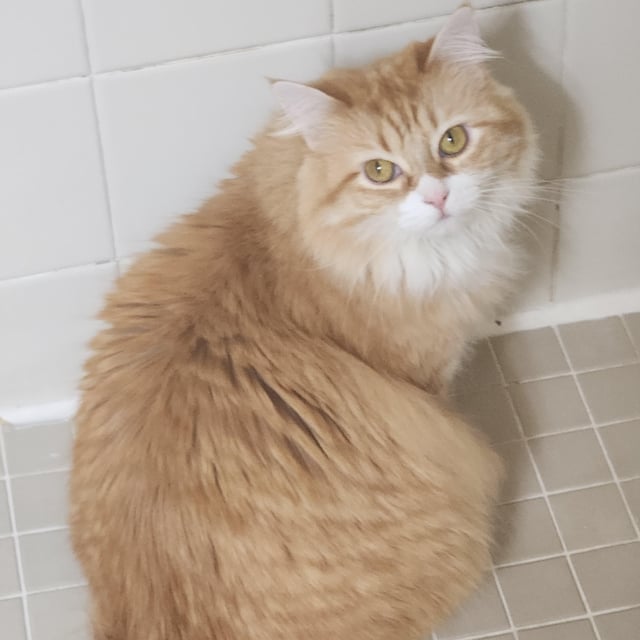
Have you ever looked at a cat and wondered, “What kind of cat is this?” Maybe you’ve met a furry friend that doesn’t quite fit the usual breed descriptions. You’re not alone.
Identifying a cat’s breed can be tricky, but it’s also exciting. Knowing the type of cat you have or see can help you understand its behavior, health needs, and personality better. You’ll discover simple ways to recognize different kinds of cats.
By the end, you’ll feel confident spotting the unique traits that make each cat special. Ready to become a cat expert? Let’s dive in!

Credit: www.reddit.com
Common Cat Breeds
Cats come in many breeds. Each breed has unique looks and traits.
Knowing common breeds helps you understand cat behavior and care.
Siamese Cats
Siamese cats have a slim body and blue almond-shaped eyes. Their fur is short and light with darker points on ears, face, paws, and tail.
They are very social and vocal. Siamese cats love attention and often follow their owners around.
Maine Coon
Maine Coons are large and sturdy cats with long, thick fur. They have tufted ears and bushy tails.
- Size: One of the biggest domestic cats
- Coat: Water-resistant and dense
- Personality: Gentle and friendly
- Origin: United States, especially Maine
Persian Cats
Persian cats have long, thick coats and flat faces. Their eyes are large and round.
| Feature | Description |
| Coat | Long and silky |
| Face | Flat with a short nose |
| Temperament | Calm and quiet |
| Care | Needs regular grooming |
Bengal Cats
Bengal cats have a wild look with spots and rosettes on their coat. Their fur is short and dense.
Bengal cats are active and playful. They enjoy climbing and exploring. Their energy levels are high.
These cats need space and toys to stay happy.
Rare And Exotic Breeds
Some cats stand out because of their unique looks and traits. These rare and exotic breeds are loved by cat fans worldwide.
Each breed has special qualities that make it different. Let’s explore four rare cat breeds and what makes them special.
Sphynx
The Sphynx is famous for its lack of fur. This breed has smooth, warm skin and big ears. People often say it looks like an alien or a hairless dog.
Sphynx cats are friendly and love attention. They like to be close to people and feel warm spots in the house.
Russian Blue
Russian Blue cats have soft, silver-blue fur and bright green eyes. They are shy but very loyal to their owners.
- Coat is short and dense
- Known for gentle and quiet behavior
- Likes a calm and stable home
- Can live up to 20 years
Savannah Cat
The Savannah Cat is a cross between a domestic cat and a wild African serval. It is tall, slim, and has spotted fur like a wild cat.
| Feature | Description |
| Size | Large, up to 25 inches tall |
| Coat Pattern | Spotted like a leopard |
| Personality | Active, curious, and playful |
| Lifespan | 12 to 20 years |
Scottish Fold
Scottish Fold cats have ears that fold forward and down. This gives them a sweet and unique look.
Scottish Folds are gentle and calm. They enjoy quiet time but also like to play. Their folded ears need special care to avoid health problems.
Distinctive Physical Traits
Cats come in many shapes and sizes. Their looks help us tell one kind from another.
We will explore traits like coat, eyes, body, and ears. These traits show a cat’s unique style.
Coat Patterns And Colors
A cat’s coat can have many patterns and colors. These patterns make each cat special.
Common coat patterns include solid, striped, spotted, and patched. Colors range from black to white.
- Solid: One color, like black or gray
- Tabby: Stripes or swirls, often with an “M” on the forehead
- Spotted: Small dots like a leopard
- Calico: Large patches of white, orange, and black
- Tortoiseshell: Mixed orange and black, often mottled
Eye Shapes And Colors
Cat eyes can be round, almond-shaped, or oval. Their shape adds to a cat’s look.
Eye colors vary a lot. Some cats have green, blue, yellow, or even odd-colored eyes.
- Round eyes: Wide and open, giving a curious look
- Almond eyes: Narrower, giving a sleek appearance
- Green eyes: Common and bright
- Blue eyes: Often in Siamese or white cats
- Amber or yellow eyes: Warm and striking
Body Size And Shape
Cats can be small, medium, or large. Their body shape shows how they move and live.
Some cats are slim and graceful. Others are sturdy and muscular.
- Small cats: Light and quick
- Medium cats: Balanced and agile
- Large cats: Strong and powerful
- Slender shape: Long legs and body
- Stocky shape: Short legs and wide body
Ear Types
Cat ears come in many shapes and sizes. Ears help cats hear well and show their mood.
Some cats have pointed ears. Others have rounded or folded ears.
- Pointed ears: Tall and sharp, common in many cats
- Rounded ears: Soft edges, giving a gentle look
- Folded ears: Bent forward, seen in breeds like Scottish Fold
- Large ears: Help hear better in wild or desert cats
- Small ears: Often seen in short-haired cats

Credit: www.reddit.com
Behavioral Traits By Breed
Cats show many behaviors that differ by breed. Understanding these traits helps you know your cat better.
This guide covers four key behaviors: playfulness, vocalization, social tendencies, and activity levels.
Playfulness
Playfulness varies widely among cat breeds. Some breeds stay playful well into adulthood. Others calm down sooner.
- Siamese cats love interactive play and toys.
- Bengal cats enjoy climbing and chasing games.
- Persians often prefer gentle play and lounging.
- Maine Coons are playful but also patient and calm.
Vocalization
Some cat breeds are very talkative. They use meows and other sounds to communicate.
| Breed | Vocal Level | Common Sounds |
| Siamese | High | Loud meows, yowls |
| Burmese | Medium | Soft chirps, meows |
| British Shorthair | Low | Quiet meows |
| Scottish Fold | Medium | Chirps and purrs |
Social Tendencies
Some cats love company. Others prefer solitude. Breed affects how social a cat may be.
Here are social traits by breed:
- Ragdollsare very social and enjoy human interaction.
- Russian Bluescan be shy but bond closely with owners.
- Turkish Vansare independent and less social with strangers.
Activity Levels
Activity levels differ by breed. Some cats need lots of exercise. Others prefer resting.
- Bengals have very high energy and need playtime daily.
- Abyssinians are active and curious explorers.
- Exotic Shorthairs are calmer and enjoy short bursts of activity.
- Norwegian Forest Cats balance play and rest well.
Choosing The Right Cat Breed
Picking the right cat breed is important for both you and your new pet. Different cats have different needs and personalities.
Understanding these differences helps you find a cat that fits your home and lifestyle well.
Lifestyle Compatibility
Some cats are active and playful while others are calm and quiet. Choose a cat that matches your daily routine.
If you work long hours, a low-energy cat may be best. Active breeds need more attention and playtime.
- Active cats need more exercise and play
- Calm cats are happy with less interaction
- Consider how much time you can spend with your cat
Grooming Needs
Some cat breeds need daily brushing, while others require little grooming. Think about the time you have.
Long-haired cats need more care to prevent mats. Short-haired cats usually groom themselves well.
- Long-haired cats need daily brushing
- Short-haired cats need less grooming
- Consider allergies and shedding levels
Health Considerations
Some breeds have specific health risks. Learn about common issues before choosing a breed.
Regular vet visits help keep your cat healthy. Choose a breed with fewer known health problems if possible.
- Research breed-specific health problems
- Check for genetic conditions
- Plan for regular vet care and vaccinations
Living Environment
Your home size and type affect what cat breed fits best. Some cats do well in apartments, others need space.
Indoor cats need toys and climbing spaces. Outdoor cats need safe access to the outside.
- Small homes suit smaller or calm breeds
- Active cats need room to play
- Indoor cats need stimulation and exercise
Identifying Mixed Breed Cats
Mixed breed cats are common in many homes. They can have traits from many cat types.
Knowing how to spot a mixed breed cat helps you understand their needs and behavior.
Physical Clues
Look at the cat’s size, coat color, and body shape. Mixed breed cats often show a mix of features.
- Coat patterns can vary widely, from stripes to spots or solid colors.
- Body shapes may not match purebred standards.
- Ear shapes and tail length can also differ.
- Eye color might be unusual or mixed.
Personality Indicators
Mixed breed cats often have unique behaviors. Their personality can combine traits from many breeds.
| Personality Trait | Description |
| Playfulness | May be high or low depending on mixed genes |
| Affection | Varies; some are very loving, others independent |
| Curiosity | Often strong, leading to adventurous behavior |
| Vocalization | Can range from quiet to very talkative |
Dna Testing Options
DNA tests can show what breeds are in a mixed breed cat. These tests are easy to do at home.
- Collect a small cheek swab from your cat.
- Send the sample to a DNA testing service.
- Receive a report showing breed mix and health traits.
- Use the information to better care for your cat.

Credit: www.reddit.com
Frequently Asked Questions
What Are Common Cat Breeds To Identify?
Common cat breeds include Siamese, Persian, Maine Coon, and Bengal. Each has distinct features like fur pattern, size, and eye color. Identifying a cat involves observing these traits and comparing them with breed standards for accuracy.
How To Tell A Cat’s Breed By Appearance?
Look at fur length, color, pattern, body size, and shape. Eye color and ear shape also help. Combining these traits narrows down possible breeds effectively. Visual guides or breed comparison charts can assist further.
Can Mixed Breed Cats Be Identified Accurately?
Mixed breed cats show combined traits from multiple breeds. Identification is harder but possible with DNA tests. These tests provide precise breed ancestry, helping owners understand their cat’s genetic background.
What Is The Best Way To Identify A Cat Breed?
The best method combines visual observation and DNA testing. Visual clues give initial ideas, while DNA tests confirm breed heritage. Consulting a vet or cat expert also improves accuracy.
Conclusion
Understanding your cat’s breed helps strengthen your bond. Each breed has unique traits. Their behavior and needs differ. Observing these can enhance your care. A happy cat means a happy home. Knowing their breed aids in providing the best environment.
It ensures their well-being. Whether playful, calm, or independent, each cat is special. Explore more about your furry friend. Enjoy the journey of discovery. Cats enrich our lives in many ways. Embrace their quirks. Love them as they are. Your cat will appreciate it.