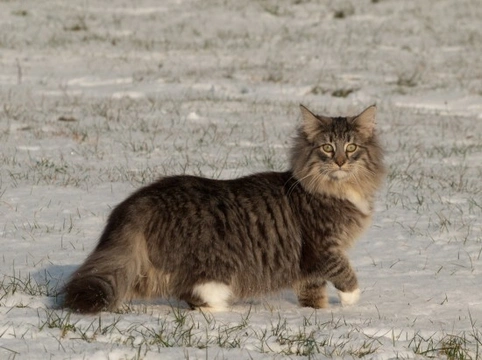
Have you ever wondered which house cat is the biggest of them all? If you’re curious about giant feline friends that can fill up a whole couch, you’re in the right place.
Discovering the largest cat breeds will surprise you and might even change how you see your own furry companion. Keep reading to find out which cats truly stand out in size—and why they make such unique pets for your home.
Largest House Cat Breeds
Some house cats grow much bigger than others. These large breeds are known for their size and friendly nature.
They make great pets for people who like big, fluffy cats. Let’s look at four of the biggest house cat breeds.
Maine Coon
The Maine Coon is one of the largest domestic cat breeds. Males can weigh between 13 and 18 pounds or more.
They have long, thick fur and bushy tails. Maine Coons are gentle and good with families.
- Weight: 13-18 pounds
- Coat: Long and thick
- Personality: Friendly and gentle
Savannah Cat
Savannah cats are a cross between domestic cats and wild servals. They are tall and slim but very large.
These cats can weigh up to 25 pounds. They are active and like to play a lot.
- Weight: Up to 25 pounds
- Body: Tall and slim
- Behavior: Active and playful
Norwegian Forest Cat
The Norwegian Forest Cat is a strong, large cat with a thick coat. It can live in cold climates.
They usually weigh between 12 and 16 pounds. These cats are calm and love to climb.
- Weight: 12-16 pounds
- Coat: Thick and water-resistant
- Traits: Calm and good climbers
Ragdoll
Ragdolls are known for their large size and relaxed nature. They often go limp when held.
Adult males can weigh 15 to 20 pounds. They have soft fur and bright blue eyes.
- Weight: 15-20 pounds
- Fur: Soft and medium-long
- Personality: Calm and affectionate

Credit: worldanimalfoundation.org
Physical Traits Of Giant Cats
Giant house cats are known for their impressive size and unique features. These cats stand out because of their large bodies and striking looks.
Understanding their physical traits helps to appreciate what makes these cats different from regular house cats.
Size And Weight
Giant cat breeds are much larger than typical cats. They can weigh up to 20 pounds or more. Their length can reach over 3 feet from nose to tail tip.
- Adult males usually weigh between 15 and 25 pounds.
- Adult females tend to be slightly smaller, around 12 to 18 pounds.
- The length of their bodies can range from 30 to 40 inches.
Coat And Color Patterns
Giant cats have thick, plush coats that help them stay warm. Their fur comes in many colors and patterns, making each cat unique.
| Coat Type | Common Colors | Patterns |
|---|---|---|
| Long and dense | Brown, black, cream | Tabby, solid, spotted |
| Short and soft | Gray, white, orange | Bi-color, calico, striped |
| Medium length | Silver, gold, red | Marbled, patched |
Body Structure
These cats have strong, muscular bodies. Their bones are thick, and their legs are sturdy to support their size.
- Broad chest
- Large paws
- Long tail for balance
- Wide head with strong jaw
- Rounded ears
Personality And Temperament
The biggest breed of house cat is known for a unique personality. These cats blend size with a gentle nature. Understanding their temperament helps owners enjoy their company more.
They often surprise people with their calm and friendly behavior. Size does not make them aggressive or hard to manage.
Social Behavior
Big house cats are social and enjoy human interaction. They like to be part of the family activities. These cats often seek attention but do not demand it constantly.
- They greet guests politely.
- Often follow their owners around the house.
- Enjoy playing with other pets.
- Prefer calm and quiet environments.
Activity Levels
Although large, these cats show moderate activity. They enjoy short bursts of play but also love resting. Their energy levels fit well with indoor living.
| Activity Type | Typical Behavior |
| Play | Chases toys, climbs furniture |
| Rest | Long naps in cozy spots |
| Exploration | Inspects new items slowly |
Compatibility With Families
These cats fit well into family life. Their calm nature makes them good with children and adults. They adjust to new family members and pets easily.
- Patient with kids
- Friendly to visitors
- Low stress in busy homes
- Easy to train for simple commands

Credit: worldanimalfoundation.org
Care Needs For Large Cats
The biggest breed of house cat, such as the Maine Coon, needs special care. Their large size means they have different needs than smaller cats.
Owners must pay attention to diet, exercise, and grooming. This helps keep these big cats healthy and happy.
Diet And Nutrition
Large cats need a balanced diet with enough calories for their size. Protein is very important to support their muscles.
Feeding high-quality cat food helps them stay strong. Avoid overfeeding to prevent obesity, which can cause health problems.
- Choose food rich in animal protein
- Provide measured portions twice a day
- Include wet food to increase hydration
- Offer fresh water at all times
Exercise Requirements
Large cats need regular exercise to stay fit. Play with toys that encourage movement and jumping.
Exercise helps prevent weight gain and keeps their joints healthy. Give them space to climb and explore safely.
- Use wand toys for active play sessions
- Provide climbing trees or shelves
- Schedule daily playtime for 20-30 minutes
- Rotate toys to keep interest high
Grooming Tips
Large cats often have thick, long fur. Regular grooming prevents mats and reduces shedding.
Brush their coat at least twice a week. Check their ears and trim nails to keep them comfortable.
- Use a wide-toothed comb for thick fur
- Brush gently to avoid skin irritation
- Trim nails every few weeks
- Clean ears with a soft cloth if needed
Choosing The Right Giant Cat
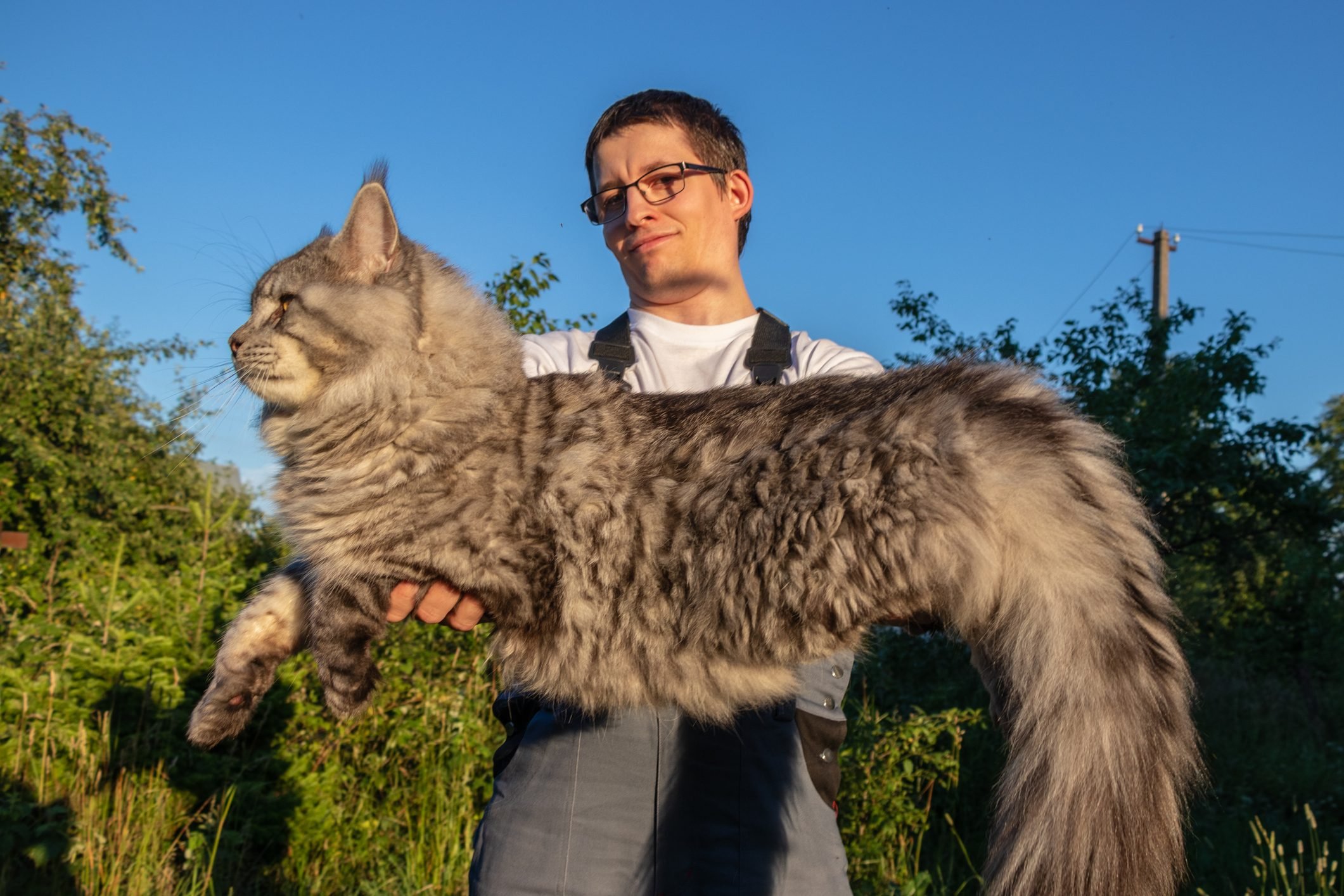
The biggest breed of house cat is often the Maine Coon. These cats are large, friendly, and fluffy. Choosing a giant cat needs care and thought.
Giant cats need space, time, and health care. You should know what to expect before bringing one home.
Living Space Considerations
Large cats need more room to move and play. Small apartments may not be the best place for them.
These cats enjoy climbing and exploring. Having cat trees and wide spaces makes them happy.
- Provide tall cat trees or shelves
- Keep play areas safe and open
- Use large litter boxes for comfort
Time Commitment
Giant cats need daily attention and playtime. They enjoy interaction with their owners.
Grooming takes more time because of their thick fur. Brushing helps prevent mats and hairballs.
- Spend 20-30 minutes daily playing
- Brush fur at least 3 times a week
- Watch for changes in behavior or eating
Health Issues To Watch
Large cat breeds can have specific health problems. Early care helps them live longer and happier.
Common issues include heart disease and joint problems. Regular vet visits are important to catch these early.
| Health Issue | What to Watch For | Care Tips |
|---|---|---|
| Hypertrophic Cardiomyopathy (HCM) | Breathing trouble, lethargy | Regular heart check-ups |
| Hip Dysplasia | Difficulty jumping, limping | Provide soft bedding, limit jumping |
| Obesity | Weight gain, less activity | Control diet, encourage play |
Credit: www.humboldt.ca
Famous Giant Cats In History
Many people wonder about the biggest breed of house cat. Some cats grow larger than most pets. These giant cats have made history for their size and charm.
This article highlights some famous giant cats known for their remarkable size. Their stories show how big house cats can get.
Maine Coon: The Gentle Giant
The Maine Coon is one of the largest domestic cat breeds. They are known for their long fur and friendly nature. Males can weigh up to 18 pounds or more.
This breed has been popular in America since the 1800s. Their size helped them survive cold winters and catch prey.
Savannah Cat: The Wild Beauty
Savannah cats are a mix between domestic cats and servals from Africa. They are tall and slim but strong. Some can grow up to 25 inches tall.
- They have spotted coats like wild cats.
- They are very active and curious.
- Savannahs are one of the tallest cat breeds.
- Their size varies based on their serval ancestry.
Chausie: The Jungle Cat Hybrid
The Chausie is a hybrid between domestic cats and wild jungle cats. They are muscular and large. Adult males can weigh up to 20 pounds.
Chausies have a wild look with short coats and large ears. They are playful and need lots of attention.
Comparison Of Giant Cat Breeds
| Breed | Average Weight | Height | Origin |
| Maine Coon | 10-18 lbs | 10-16 inches | USA |
| Savannah | 12-25 lbs | 14-25 inches | USA/Africa |
| Chausie | 15-20 lbs | 12-16 inches | USA/Jungle |
Frequently Asked Questions
What Is The Biggest Breed Of House Cat?
The Maine Coon is the biggest breed of house cat. They can weigh between 10 to 25 pounds. Their large size and friendly nature make them popular pets worldwide.
How Large Do Maine Coon Cats Typically Get?
Maine Coon cats typically grow up to 40 inches long. Males usually weigh 13 to 18 pounds. Females tend to be smaller, around 8 to 12 pounds.
Are There Other Large Cat Breeds Besides Maine Coons?
Yes, the Savannah and Norwegian Forest cats are also large breeds. Savannah cats can weigh up to 25 pounds. Norwegian Forest cats are muscular and weigh around 12 to 16 pounds.
Do Big House Cats Require Special Care?
Large cats need ample space and exercise to stay healthy. A balanced diet and regular vet visits are essential. Their size means they may need larger litter boxes and scratching posts.
Conclusion
Exploring the biggest house cat breeds is fascinating. These gentle giants captivate many cat lovers. Breeds like the Maine Coon and Ragdoll are popular choices. Their size and friendly nature make them ideal pets. They bring joy and companionship. Owning a large cat requires understanding their needs.
Proper care, space, and affection are essential. Each breed has unique traits and charm. Choosing the right breed depends on lifestyle and preferences. Enjoy the journey of discovering these majestic feline friends. They promise a lifetime of love and adventure.