Have you ever wondered which domestic cat holds the title of the biggest? If you’re curious about the largest feline that can share your home, you’re in the right place.
Knowing about the biggest domestic cat isn’t just fun—it can help you understand their care, personality, and lifestyle needs better. Keep reading, and you’ll discover surprising facts that might change how you see your furry friend forever. Ready to meet the giant of the cat world?
Let’s dive in!
Largest Domestic Cat Breeds
Many people love cats for their size and personality. Some breeds grow much larger than others. These big cats make great pets and stand out in any home.
Here are some of the largest domestic cat breeds you can find. Each has unique features and a friendly nature.
Maine Coon
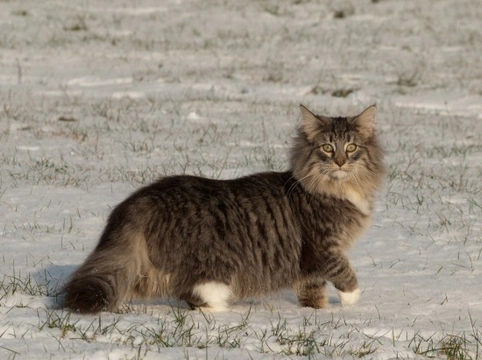
The Maine Coon is one of the biggest domestic cats. They have long, thick fur and big paws. Males can weigh up to 18 pounds or more. These cats are gentle giants and very friendly.
Savannah Cat
Savannah cats are large and slim with long legs. They look wild but are domestic cats. Their size depends on their generation, but some males can reach 20 pounds. They are active and love to play.
Norwegian Forest Cat
Norwegian Forest Cats have thick coats and strong bodies. They live well in cold climates. Adult males can weigh up to 16 pounds. Their fur is water-resistant, and they enjoy climbing.
Ragdoll
Ragdolls are large, soft cats with blue eyes. They weigh between 15 and 20 pounds on average. These cats are calm and love to be held. Their fur is silky and needs regular grooming.
| Breed | Average Male Weight | Coat Type | Personality |
|---|---|---|---|
| Maine Coon | 12-18 lbs | Long and thick | Gentle, friendly |
| Savannah Cat | 12-20 lbs | Short to medium | Active, playful |
| Norwegian Forest Cat | 13-16 lbs | Long, water-resistant | Climber, strong |
| Ragdoll | 15-20 lbs | Long, silky | Calm, affectionate |

Credit: worldanimalfoundation.org
Physical Traits Of Giant Cats
Giant domestic cats are known for their impressive size and unique features. These cats stand out because of their large bodies and strong builds.
Understanding their physical traits helps to appreciate how different they are from regular cats. Their size, coat, and body shape are key points.
Size And Weight
Giant domestic cats can weigh much more than average cats. Some males reach weights between 15 and 25 pounds or more.
Their length can be up to 40 inches from head to tail. This size makes them one of the biggest domestic cat breeds.
- Weight range: 15 to 25+ pounds
- Length: up to 40 inches including tail
- Height: usually around 10 to 16 inches at the shoulder
Coat And Colors
Giant cats have thick and soft coats that help keep them warm. Their fur can be long or medium in length.
These cats come in many colors and patterns. Common colors include brown, black, white, and gray.
- Coat types: long, medium, or dense fur
- Colors: brown, black, white, gray
- Patterns: tabby, solid, spotted
Body Structure
The body of giant cats is muscular and strong. They have broad chests and large paws.
Their heads are often wide with big ears and expressive eyes. This gives them a powerful and majestic look.
- Muscular build with broad chest
- Large paws with thick pads
- Wide head with big ears and eyes
Behavior And Temperament
Big domestic cats have unique behaviors and temperaments. Understanding these traits helps owners care for them better.
Their size does not always mean they are aggressive. Many large cats are gentle and friendly.
Personality Traits
Big domestic cats often show calm and confident personalities. They tend to be curious but not overly shy.
These cats enjoy exploring but also like quiet time. They can be independent yet loyal to their families.
- Calm and confident
- Curious but not shy
- Independent yet loyal
Interaction With Humans
Large domestic cats often bond well with their owners. They enjoy gentle petting and attention.
They may not like loud noises or sudden movements. Patience helps build trust with these cats.
- Bond well with owners
- Enjoy gentle petting
- Prefer calm environments
- Require patience to build trust
Activity Levels
Big domestic cats have moderate activity levels. They like to play but also rest a lot.
Providing toys and climbing spaces helps keep them active and healthy. Regular playtime is important.
- Moderate activity levels
- Enjoy playing and resting
- Need toys and climbing spaces
- Regular play keeps them healthy

Credit: uk.style.yahoo.com
Care Needs For Large Cats
Large domestic cats need special care to stay healthy and happy. Their size affects their diet, exercise, and health.
Understanding these needs helps owners provide the best environment for their big feline friends.
Diet And Nutrition
Big cats require more calories and protein than smaller cats. Their food must support strong muscles and a healthy weight.
- Feed high-quality protein sources like chicken, turkey, or fish.
- Include essential fats for energy and coat health.
- Provide balanced vitamins and minerals.
- Divide meals into smaller portions throughout the day.
- Keep fresh water available at all times.
Exercise Requirements
Large cats need regular exercise to prevent obesity and keep muscles strong. Playtime also reduces stress and boredom.
| Exercise Type | Frequency | Benefits |
| Interactive Play (toys, laser pointers) | Daily | Improves agility and mental focus |
| Climbing Structures | Several times a week | Builds muscle and sharpens claws |
| Short Outdoor Walks (if safe) | Weekly | Stimulates senses and reduces stress |
Health Considerations
Large cats face health issues like joint stress and heart problems. Regular vet visits catch problems early.
- Keep weight in a healthy range.
- Use joint supplements if recommended.
- Monitor for signs of breathing or mobility issues.
- Schedule dental cleanings regularly.
- Vaccinate and deworm as advised by your vet.
Choosing The Right Giant Cat
Giant domestic cats need special care and space. They are larger than typical cats.
Choosing the right giant cat means thinking about your home and lifestyle. This helps keep the cat happy.
Living Space
Big cats need more room to move and play. Small apartments may feel crowded to them.
- Provide wide areas for climbing and stretching
- Use large beds and litter boxes
- Keep toys and scratching posts accessible
- Ensure safe outdoor access if possible
Allergies And Sensitivities
Some people are allergic to cats. Giant cats may shed more fur, which affects allergies.
| Allergy Factor | Impact |
|---|---|
| Shedding | More fur can increase allergic reactions |
| Saliva Proteins | Common allergen in cat saliva |
| Cleaning | Regular grooming reduces allergens |
Compatibility With Other Pets
Big cats often live with other pets. Their size can affect pet relationships.
Consider these tips for pet compatibility:
- Introduce pets slowly and in neutral areas
- Watch for signs of stress or aggression
- Provide separate spaces for feeding and resting
- Train pets to respect each other’s boundaries

Credit: ca.news.yahoo.com
Frequently Asked Questions
What Is The Biggest Domestic Cat Breed?
The Maine Coon is the biggest domestic cat breed. It can weigh up to 18 pounds or more. These cats are known for their large size, friendly nature, and long, thick fur.
How Large Can Domestic Cats Grow?
Domestic cats typically weigh between 8 to 15 pounds. However, some breeds like the Maine Coon can grow larger, reaching up to 25 pounds. Size depends on breed, diet, and genetics.
Are There Giant Domestic Cats Like Wild Cats?
No, domestic cats are smaller than wild cats like lions or tigers. The largest domestic breeds can be quite big but still much smaller than wild cats.
What Makes Maine Coon Cats So Large?
Maine Coons have genetics that promote large bone structure and muscle mass. Their thick fur and bushy tails add to their impressive appearance. They grow slowly and can take up to 4 years to reach full size.
Conclusion
The Maine Coon holds the title for the biggest domestic cat. These gentle giants are known for their playful nature. Their large size and fluffy tails make them unique. Families love them for their friendly and affectionate behavior. Other big cats include the Savannah and the Ragdoll.
Each has its own charm and personality. Choosing the right cat depends on your lifestyle and preferences. Remember, big cats need space and care. Understanding their needs ensures a happy home. Adopting a big cat brings joy and companionship. A rewarding experience for any pet lover.