Have you ever wondered which domestic cat breed is the largest? If you’re curious about big cats you can actually have at home, you’re in the right place.
Discovering the largest domestic cat breed will surprise you—and might change the way you see your furry friend. Keep reading to find out which breed stands out and why it’s so unique. Your next pet fascination could be just a few words away!
:format(jpeg):quality(75))
Credit: manypets.com
Biggest Cat Breeds
Some domestic cats are much larger than others. These big breeds are known for their size and friendly nature.
Let’s explore five of the largest domestic cat breeds and what makes them unique.
Maine Coon
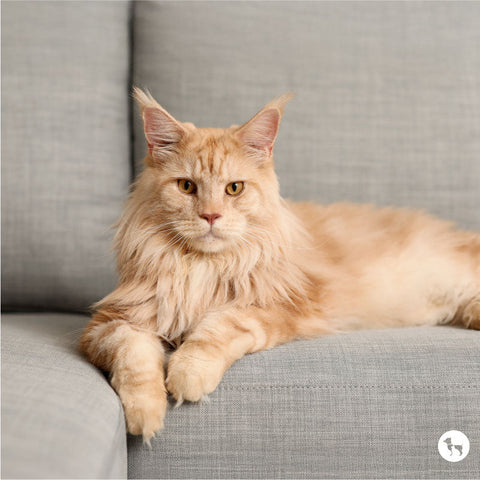
The Maine Coon is one of the biggest domestic cat breeds. They have long fur and bushy tails.
Maine Coons weigh between 10 to 25 pounds. They are friendly and good with families.
Savannah Cat
Savannah cats are large and tall. They are a mix between domestic cats and wild servals.
These cats can weigh up to 25 pounds. They are active and love to play.
Norwegian Forest Cat
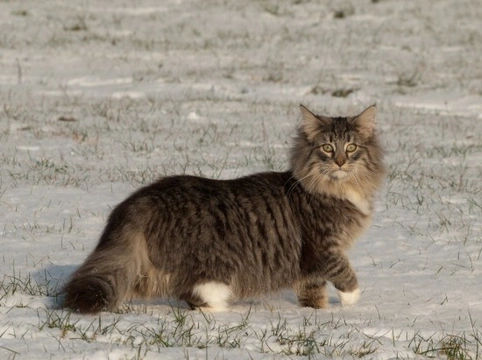
The Norwegian Forest Cat has thick fur and a strong build. They come from cold climates.
They weigh around 12 to 16 pounds. These cats are calm and enjoy climbing.
Ragdoll
Ragdolls are large cats with soft, silky fur. They get their name because they go limp when held.
They usually weigh between 10 to 20 pounds. Ragdolls are gentle and love to cuddle.
Chausie
Chausies are big cats with a wild look. They come from crossing domestic cats with jungle cats.
These cats weigh about 15 to 20 pounds. Chausies are energetic and curious.
Size Comparisons
The largest domestic cat breed is known for its impressive size. These cats are much bigger than the average house cat.
Understanding their size helps us compare them with other breeds and appreciate their unique traits.
Weight Ranges
The largest domestic cat breed can weigh significantly more than other cats. Their weight varies based on gender and age.
- Males typically weigh between 15 and 25 pounds.
- Females usually weigh between 10 and 15 pounds.
- Some cats can grow even heavier, reaching up to 30 pounds.
Length And Height
These cats have a long body and tall stature compared to other breeds. Their length and height make them stand out.
| Measurement | Range |
|---|---|
| Body Length | 35 to 40 inches (including tail) |
| Height at Shoulder | 10 to 16 inches |
Growth Patterns
The largest domestic cats grow slowly and reach full size later than smaller breeds. Growth continues up to 3 to 5 years old.
Their bones and muscles develop steadily, resulting in a strong, large frame by adulthood.
Traits Of Giant Cats
Giant domestic cats are known for their impressive size. They differ from regular cats in many ways.
Understanding their traits helps owners care for them better and appreciate their unique nature.
Physical Features
These cats have large, muscular bodies and long limbs. Their coats can be thick and come in various colors.
- Weight often exceeds 15 pounds (7 kg)
- Length can reach up to 40 inches (100 cm)
- Broad heads with strong jaws
- Large paws and tufted ears
Temperament
Giant cats usually have calm and gentle personalities. They enjoy being around people and other pets.
- Friendly and social
- Playful but not overly energetic
- Often patient with children
- Can be vocal but not loud
Care Needs
Because of their size, giant cats need special care. They require more food and regular grooming.
| Care Aspect | Details |
| Diet | High-quality food, larger portions |
| Exercise | Daily playtime to prevent weight gain |
| Grooming | Weekly brushing to manage thick fur |
| Health Checks | Regular vet visits to monitor joints and heart |
Credit: headsupfortails.com
Choosing A Giant Cat
Many people love large domestic cats for their impressive size and friendly nature. These cats need special care because they grow bigger than usual cats.
Before adopting a giant cat, you should learn about their needs. This guide covers space, diet, and health to help you decide.
Space Requirements
Giant cats need more room to move and play than regular cats. A small apartment might feel crowded for them.
- Provide a large area for exercise and exploration
- Use tall cat trees or shelves to add vertical space
- Keep their litter box in a quiet, spacious spot
- Ensure they have a cozy place to rest away from noise
Diet Considerations
Large cats need more calories and protein to stay healthy. Feeding the right diet helps maintain their muscle and energy.
| Food Type | Recommended Amount | Notes |
| High-protein dry food | 1 to 1.5 cups daily | Supports muscle growth |
| Wet food | ½ to 1 cup daily | Helps hydration |
| Fresh water | Unlimited | Always available |
Health Factors
Giant cats may face some health issues more often than smaller cats. Regular vet visits keep them in good shape.
- Check for joint problems like arthritis
- Monitor heart health closely
- Watch weight to avoid obesity
- Keep vaccinations and parasite control up to date
Famous Giant Cats
Large domestic cats have always fascinated animal lovers. Some breeds grow bigger than others.
This article explores the largest domestic cat breeds and their famous giant cats.
Record Holders
The Maine Coon holds the record as the largest domestic cat breed. Males can weigh up to 18 pounds or more.
The Savannah cat is also very large. Some can reach over 20 pounds and are known for their wild look.
- Maine Coon: largest domestic breed by size and weight.
- Savannah Cat: hybrid with a tall, lean build.
- Norwegian Forest Cat: strong and sturdy with thick fur.
Popular Pets
Many people love big cats as pets. They are gentle and playful despite their size.
The Maine Coon is a top choice because it adapts well to families and homes.
- Maine Coons are friendly and easy to train.
- Savannah cats need more space and activity.
- Norwegian Forest Cats enjoy climbing and exploring.
Notable Characteristics
Giant cats have unique traits that set them apart from smaller cats.
Maine Coons have long, thick fur and tufted ears. They have bushy tails like a raccoon.
- Savannah cats have spotted coats and long legs.
- Norwegian Forest Cats have waterproof fur and strong muscles.
- All these breeds are known for their friendly nature.

Credit: worldanimalfoundation.org
Frequently Asked Questions
What Is The Largest Domestic Cat Breed?
The Maine Coon is the largest domestic cat breed. They can weigh up to 18 pounds or more. Their length and muscular build make them impressive in size. They are friendly, intelligent, and great pets for families.
How Big Can A Maine Coon Cat Get?
Maine Coons can grow up to 40 inches long including the tail. Males typically weigh between 13 to 18 pounds. Females are usually smaller but still large compared to other cats. They are known for their large paws and bushy tails.
Are Maine Coons Good Family Pets?
Yes, Maine Coons are excellent family pets. They are gentle, affectionate, and sociable cats. They get along well with children and other pets. Their playful yet calm nature makes them ideal companions for families.
What Makes Maine Coons So Large?
Maine Coons have a genetic advantage that promotes large size. Their thick fur, strong bones, and muscular bodies contribute to their size. They were bred in cold climates, which favored bigger, hardy cats. Their slow growth also helps them reach larger sizes.
Conclusion
Exploring the largest domestic cat breeds can be exciting. These cats are gentle giants. They offer companionship and love. Maine Coon, Ragdoll, and Savannah are popular choices. Each breed has unique traits. Their size impresses, but their personalities win hearts.
Owning a big cat means understanding its needs. Space, nutrition, and playtime are vital. Remember, every cat is special in its own way. Choose a breed that fits your lifestyle. Enjoy the joy and comfort they bring. Adopting a large cat can enrich your life.
Let their purrs fill your home with warmth and happiness.