Are you curious about which domestic cat takes the crown as the biggest breed? Whether you’re thinking of adding a furry friend to your home or just love learning about amazing animals, knowing about the largest cats can surprise and inspire you.
Imagine having a cat that’s not only a companion but also a gentle giant that turns heads wherever it goes. Keep reading, and you’ll discover the breed that stands out in size, personality, and charm—something every cat lover should know!

Credit: www.aol.com
Largest Domestic Cat Breeds
Some domestic cats grow much bigger than others. These large breeds are known for their impressive size and gentle nature.
Let’s explore the biggest domestic cat breeds and what makes them unique.
Maine Coon
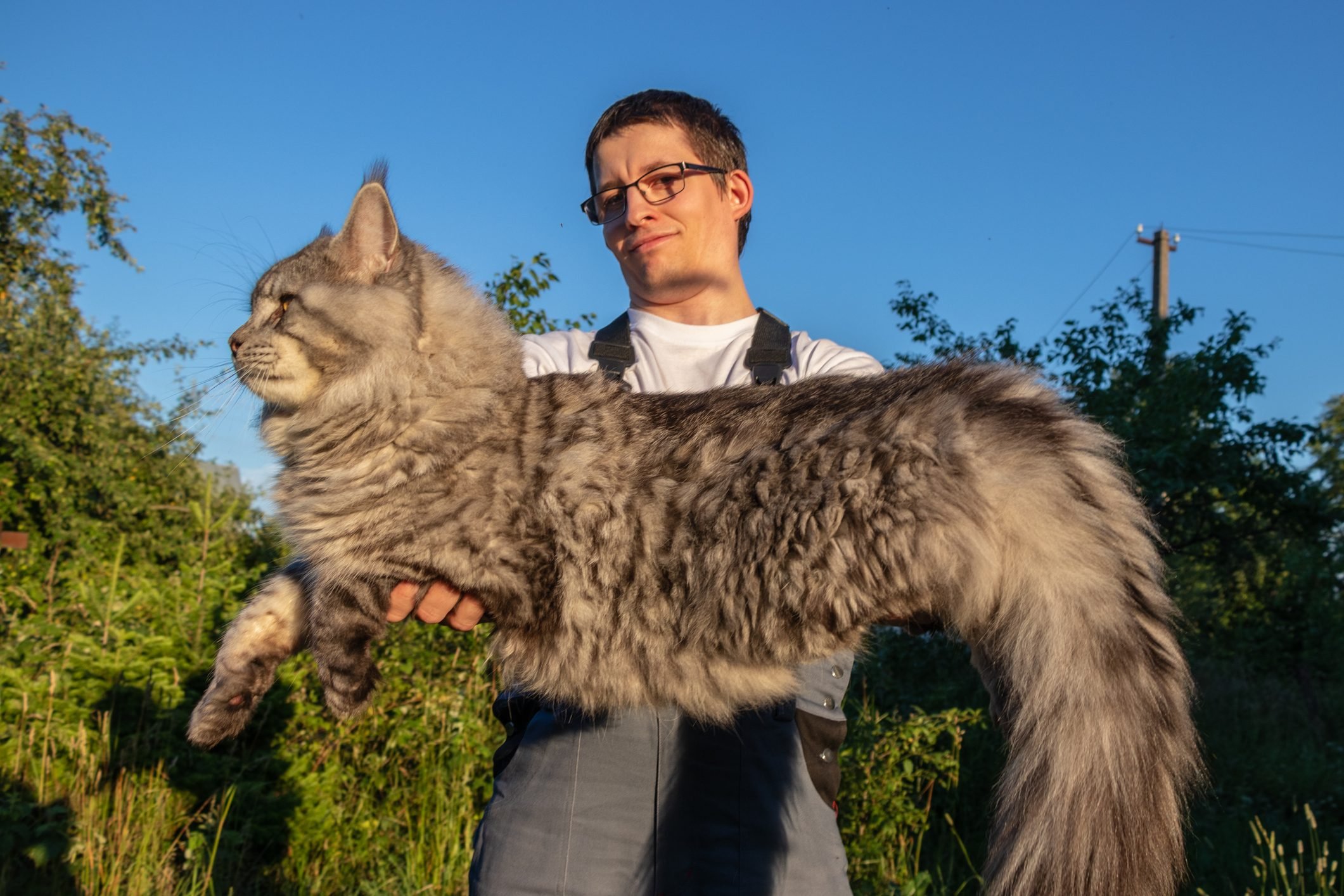
The Maine Coon is one of the largest domestic cat breeds. They have long, thick fur and tufted ears.
Adult males can weigh between 13 and 18 pounds. They are friendly and good with families.
- Weight: 13–18 pounds (males)
- Coat: Long and shaggy
- Personality: Gentle and playful
Savannah Cat
The Savannah Cat is a crossbreed of a domestic cat and a wild serval. They are tall and lean.
Savannah cats can weigh 12 to 25 pounds. Their long legs make them look very large.
- Weight: 12–25 pounds
- Build: Tall and slim
- Temperament: Active and curious
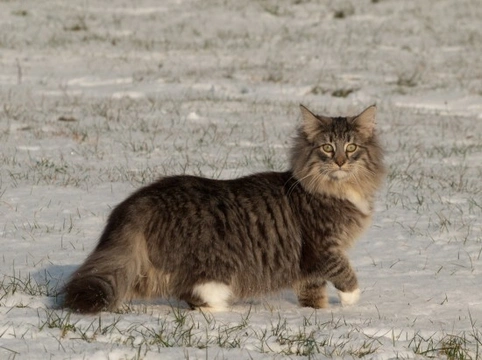
Norwegian Forest Cat
Norwegian Forest Cats have a thick coat and strong bodies. They come from cold climates.
These cats weigh 12 to 16 pounds. They love climbing and exploring high places.
- Weight: 12–16 pounds
- Coat: Thick and water-resistant
- Behavior: Climbing and playful
Ragdoll
Ragdolls are large cats with soft, silky fur. They are known for their calm and loving nature.
Adult males weigh 15 to 20 pounds. They often go limp when picked up, which is why they are called Ragdolls.
- Weight: 15–20 pounds
- Fur: Soft and silky
- Personality: Calm and affectionate
Chausie
Chausies are a mix of domestic cats and wild jungle cats. They have muscular bodies and short fur.
They weigh 15 to 20 pounds. Chausies are active and need lots of exercise.
- Weight: 15–20 pounds
- Fur: Short and dense
- Energy: Very active and playful

Credit: www.reddit.com
Physical Traits Of Giant Cats
The biggest breed of domestic cat is known for its large size and strong build. These giant cats stand out because of their unique physical traits.
Understanding their size, coat, and body structure helps us see why they are so special among domestic cats.
Size And Weight
Giant domestic cats can weigh much more than typical cats. They often weigh between 15 and 25 pounds.
Some males even reach up to 30 pounds or more. Their length from head to tail can be over 40 inches.
- Weight range: 15-30+ pounds
- Length: up to 40 inches or more
- Height at shoulder: 10-16 inches
Coat And Color Patterns
Giant cats usually have thick, long fur. Their coats help keep them warm in cold weather.
Their colors and patterns vary widely. Common patterns include tabby stripes, solid colors, and patches.
- Thick and long fur
- Tabby stripes, solid, or patched colors
- Colors range from brown, black, white, to cream
Body Structure
These cats have a muscular and sturdy body. Their bones are thicker and heavier than normal cats.
Their legs are strong and well-built, supporting their large weight. Their heads are broad with large ears.
- Muscular, sturdy body
- Thick bones
- Strong legs
- Broad head with large ears
Temperament Of Big Cat Breeds
Big domestic cat breeds are known for their size, but their temperament is just as important. These cats often have gentle and friendly personalities.
Understanding the temperament helps owners know what to expect. It also helps in choosing the right cat for your home.
Personality Traits
Large cat breeds tend to be calm and loving. They often enjoy attention and like to be near people. Many are playful but not overly energetic.
These cats can be curious and intelligent. They may learn tricks or enjoy puzzle toys. Most are patient and adapt well to new situations.
- Calm and gentle nature
- Enjoy human company
- Curious and intelligent
- Playful but relaxed
Behavior With Families
Big cat breeds usually get along well with families. They can be good with children and other pets. Their size may make them seem intimidating, but they are often very gentle.
These cats like to be part of the family. They may follow family members around or sit close by. Many enjoy being petted and cuddled.
- Friendly with children
- Good with other pets
- Enjoy family interaction
- Gentle despite large size
Activity Levels
Big domestic cats often have moderate activity levels. They like to play but also enjoy resting. They need some exercise to stay healthy.
These cats may enjoy interactive toys and climbing trees. They often balance playtime with quiet moments. Regular play helps prevent boredom.
- Moderate activity needs
- Enjoy play and rest
- Benefit from interactive toys
- Need exercise to stay healthy
Care Tips For Large Cats
Large domestic cats need special care to stay healthy and happy. Their size affects what they eat and how they exercise.
Providing the right diet, exercise, and health checks helps them live longer and feel better.
Diet And Nutrition
Big cats require more calories but balanced nutrition. Their diet should support their muscle and bone strength.
- Feed high-protein food to support muscle growth.
- Include healthy fats for energy and coat health.
- Provide fresh water at all times.
- Avoid overfeeding to prevent obesity.
- Use large bowls to fit their size comfortably.
Exercise Needs
Large cats need regular exercise to stay fit. Playtime helps keep their weight down and muscles strong.
| Exercise Type | Benefits |
| Chasing toys | Improves agility and speed |
| Climbing structures | Strengthens muscles and claws |
| Interactive play | Stimulates mind and body |
| Walks with harness | Provides fresh air and exercise |
Health Considerations
Large cats can have special health risks. Regular vet visits help catch problems early.
Important health checks include:
- Joint and bone health screenings
- Weight monitoring
- Heart and lung exams
- Dental care
- Parasite prevention
Choosing The Right Giant Cat Breed
Giant cat breeds are beautiful and large pets. They need special care and space.
Picking the right big cat depends on your home and lifestyle. Learn what to consider.
Living Space Requirements
Big cats need more room to move and play. Small apartments may not be enough.
Make sure your home has space for climbing and resting areas for your giant cat.
- Provide tall cat trees or shelves
- Keep plenty of floor space clear
- Offer quiet spots for naps
Compatibility With Other Pets
Large cats can live well with other pets if introduced carefully. Watch their behavior.
Some giant breeds are friendly and social. Others may want to be the only pet.
- Supervise first meetings closely
- Give each pet their own space
- Use treats to create positive experiences
Lifespan And Commitment
Big cats usually live 10 to 15 years. They need daily care and attention.
Think about feeding, grooming, and vet visits before choosing a giant breed.
- Regular grooming to keep fur healthy
- Balanced diet for large body size
- Routine health check-ups
Credit: www.humboldt.ca
Frequently Asked Questions
What Is The Biggest Domestic Cat Breed?
The Maine Coon is the largest domestic cat breed. They can weigh up to 18 pounds or more. Maine Coons are known for their muscular build and long, thick fur.
How Large Can A Maine Coon Cat Grow?
Maine Coons can reach lengths of up to 40 inches, including their tail. Males typically weigh 13-18 pounds, while females are slightly smaller.
Are Maine Coons Friendly Despite Their Size?
Yes, Maine Coons are known for their gentle and friendly nature. They are sociable, playful, and good with families and children.
What Distinguishes Maine Coons From Other Large Cats?
Maine Coons have tufted ears, bushy tails, and a shaggy coat. Their size combined with their unique features makes them easily recognizable.
Conclusion
The biggest domestic cat breeds stand out with their size and charm. They bring joy and warmth to many homes. These cats need space and care to stay happy and healthy. Choosing a large breed means being ready for their unique needs.
Their gentle nature often surprises people. A big cat can be a loving friend for years. Remember, size is just one part of their special appeal. Consider personality and lifestyle before bringing one home. Big cats leave a lasting impression on everyone they meet.