Have you ever looked at a cat and wondered what breed it is? Knowing your cat’s breed can help you understand its personality, health needs, and care better.
But with so many different types of cats, it can be tricky to figure out where yours fits in. Don’t worry—you’re not alone. You’ll discover simple ways to identify your cat’s breed, even if you’re not an expert. By the end, you’ll feel confident recognizing the unique traits that make your feline friend special.
Keep reading to unlock the secrets behind your cat’s breed and deepen your connection with your furry companion.
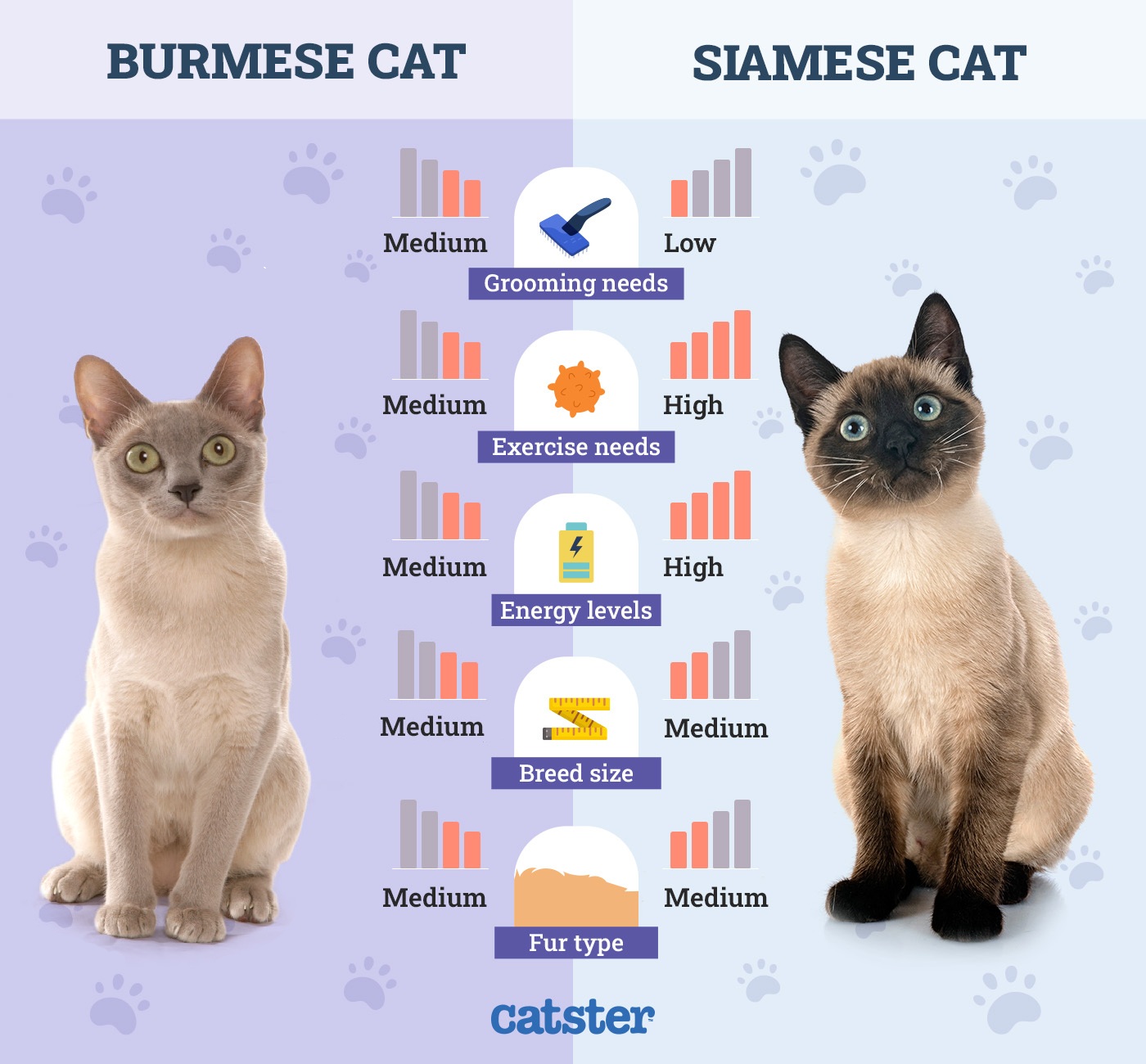
Credit: www.catster.com
Common Cat Breeds
Cats come in many shapes, sizes, and colors. Knowing the breed helps you understand their behavior and care needs.
This guide covers popular domestic cats, distinctive pedigree breeds, and rare exotic varieties.
Popular Domestic Cats
Domestic cats are the most common pets. They vary in coat color and personality but are not tied to specific breed standards.
- Domestic Shorthair:Short coat, diverse colors, friendly and adaptable.
- Domestic Longhair:Long, fluffy coat, calm and loving nature.
- Tabby:Marked by stripes or spots, very common and social.
- Calico:Tri-colored coat, mostly female, playful and smart.
Distinctive Pedigree Breeds
Pedigree cats have known ancestry and meet breed standards. They often have unique looks and traits.
| Breed | Coat Type | Personality |
| Siamese | Short, sleek | Vocal, affectionate |
| Maine Coon | Long, thick | Gentle, large-sized |
| Persian | Long, dense | Calm, quiet |
| Bengal | Short, spotted | Active, playful |
Rare And Exotic Varieties
Rare breeds have unusual looks or come from special places. They can be expensive and need special care.
Examples of Rare Cat Breeds
- Sphynx:Hairless, warm skin, curious and friendly.
- Scottish Fold:Folded ears, calm, and sweet.
- Peterbald:Slim, hairless or short coat, social and active.
Physical Traits To Check
Knowing a cat’s breed helps understand its behavior and care needs. You can often tell a cat’s breed by looking at its physical traits.
Focus on features like coat, body, eyes, and ears. These traits often show clear differences between breeds.
Coat Patterns And Colors
Cat coats come in many patterns and colors. Some breeds have unique markings that make them easy to identify.
- Solid:One color all over, like black or white.
- Tabby:Stripes, spots, or swirls in various shades.
- Calico:White with large patches of orange and black.
- Tortoiseshell:Mixed black and orange fur without white.
- Pointed:Darker color on ears, face, paws, and tail.
Body Shape And Size
Cats vary in size and body shape. Some breeds are slim and long, while others are short and stocky.
| Breed | Body Shape | Size |
| Siamese | Slender and long | Medium |
| Maine Coon | Large and muscular | Large |
| Persian | Compact and rounded | Medium |
| Scottish Fold | Medium and sturdy | Medium |
Eye Shape And Color
Eye shape and color differ across breeds. Some have round eyes, others almond-shaped. Eye color can be green, blue, gold, or copper.
For example, Siamese cats often have bright blue almond eyes. Russian Blues usually have green eyes that stand out.
Ear Shape And Position
Look at the ears for clues. Some cats have tall, pointed ears. Others may have folded or rounded ears.
- Pointed ears:Upright and sharp tips, common in Siamese.
- Folded ears:Ears bend forward, seen in Scottish Fold.
- Rounded ears:Soft edges, found in some British Shorthairs.
- Wide-set ears:Positioned far apart, typical for some wild-looking breeds.
Behavioral Clues
Knowing a cat’s breed can be tricky just by looking. Their behavior can give us clues. Each breed often shows unique habits and traits.
Watching how a cat acts helps identify its breed. This guide looks at three key behavior areas.
Activity Levels
Some cats are very active and playful. Others prefer quiet and rest. These differences can hint at their breed background.
- High-energy cats often chase toys and climb a lot.
- Calm cats like to lounge and observe quietly.
- Moderate activity cats mix play and rest evenly.
Social Tendencies
Cats show different levels of friendliness. Some love people and other pets. Others may be shy or independent.
| Breed Type | Social Behavior |
| Extroverted | Seeks attention, loves company |
| Introverted | Prefers solitude, cautious with strangers |
| Balanced | Enjoys social time but also alone time |
Vocalization Patterns
Some cat breeds talk more than others. Their sounds can be soft, loud, or even unique. Listening helps tell breeds apart.
Here are common vocal traits by breed:
- Siamese:Very vocal with loud, low-pitched meows.
- Persian:Quiet and soft-spoken.
- Bengal:Chirps and chatters often.
- Ragdoll:Gentle and less talkative.
Using Technology
Technology helps cat owners learn about their pet’s breed. It makes identifying breeds easier and faster.
There are apps and websites that use pictures and data to find a cat’s breed. These tools give good results.
Cat Breed Identification Apps
Cat breed identification apps use photos to find your cat’s breed. You take a picture and upload it to the app.
These apps compare your cat’s features with a large database of breeds. They show possible matches quickly.
- Easy to use on smartphones
- Provide breed information and pictures
- Help identify mixed or rare breeds
- Some apps offer care tips for each breed
Online Breed Databases
Online breed databases list many cat breeds with details. You can search by traits like fur color and size.
These websites offer photos and descriptions to help you compare your cat. They are a good learning tool.
- Search by characteristics such as eye color or coat pattern
- Read about breed history and personality
- Use filters to narrow down breed choices
- Access expert advice and care guides
Consulting Experts
Finding out your cat’s breed can be tricky. Experts help you understand your cat’s traits and origins. They offer advice based on experience and knowledge.
Consulting the right expert can give you clear information. Experts include veterinarians, cat breeders, and genetic testing services.
Veterinarians
Veterinarians know a lot about cats’ health and breeds. They can often identify common breeds by looking at physical features. They also check if your cat has traits linked to specific breeds.
Veterinarians can help you with:
- Examining your cat’s size and shape
- Noting coat color and pattern
- Checking eye shape and ear type
- Reviewing behavior and health history
Cat Breeders
Cat breeders work with specific breeds every day. They know about breed standards and traits. Breeders can often identify a cat’s breed by comparing its features to breed guidelines.
Below is a table showing how breeders check breeds:
| Breed Feature | What Breeders Look For |
| Coat Type | Length, texture, and color patterns |
| Body Shape | Size, muscle tone, and proportions |
| Head Shape | Ear size, nose shape, eye set |
| Personality | Temperament and activity levels |
Animal Genetic Testing
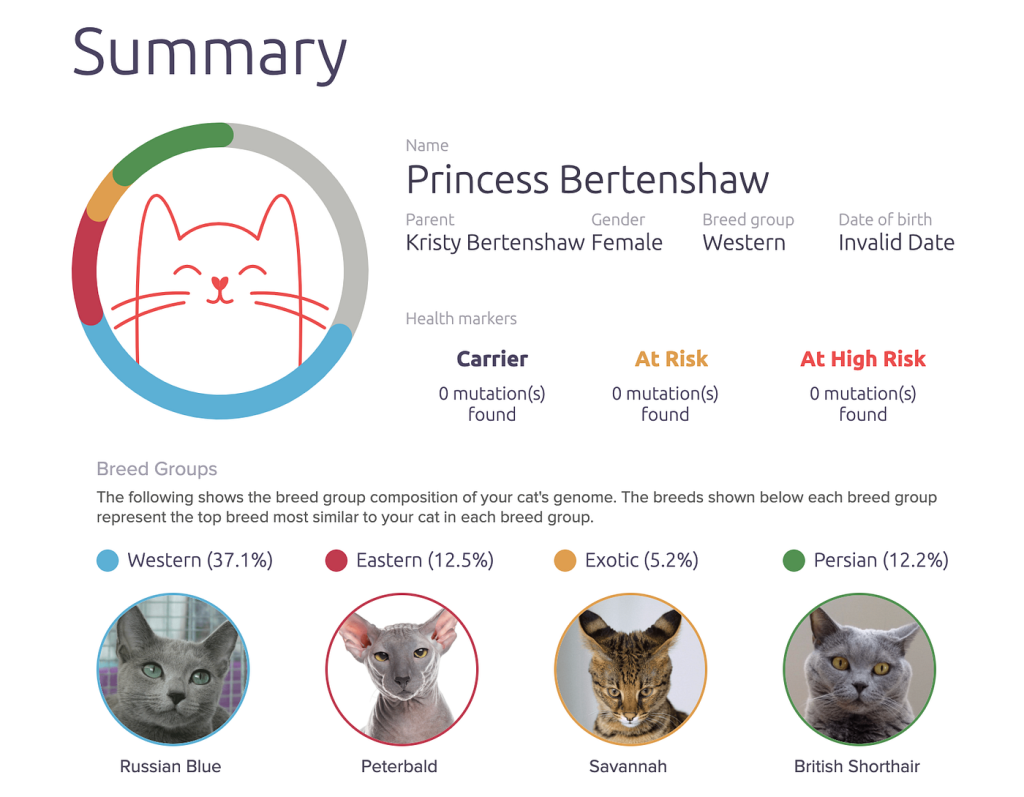
Genetic testing uses DNA to identify cat breeds. It is the most accurate way to know your cat’s breed mix. You can send a sample like a cheek swab or fur to a lab for testing.
- Clear breed identification
- Detect mixed breeds
- Information about inherited traits
- Health risk insights

Credit: apps.apple.com
Mix Breed Challenges
Identifying a cat’s breed can be hard if it is a mix. Mixed breed cats show many traits from different breeds. This makes it tricky to know their exact background.
Understanding these challenges helps owners learn more about their cats. It also guides them on how to care for their pets better.
Recognizing Mixed Traits
Mixed breed cats often have a blend of physical and behavioral traits. These traits come from the different breeds in their ancestry. Spotting these can help guess the breeds involved.
- Coat color and pattern may combine features from several breeds.
- Body shape can be a mix of short, long, or medium proportions.
- Ear shape and size might differ from typical purebred cats.
- Behavior and personality traits vary widely in mixed cats.
- Eye color may not match common colors found in single breeds.
Genetic Testing For Mixed Cats
Genetic tests can reveal the breeds in a mixed cat’s background. These tests analyze the cat’s DNA to find breed markers. They give more accurate results than just looking at traits.
| Test Type | Description | Benefit |
| Breed Identification | Detects breed markers in DNA | Shows likely breed mix |
| Health Screening | Checks for genetic health risks | Helps prevent diseases |
| Trait Analysis | Finds genes linked to coat and behavior | Explains physical features |

Credit: www.rover.com
Frequently Asked Questions
How Can I Identify My Cat’s Breed At Home?
You can identify your cat’s breed by observing physical traits like coat color, pattern, and body shape. Use online breed guides or apps for reference. Note unique features such as ear shape and eye color. If unsure, consult a vet or consider DNA testing for accuracy.
What Are Common Traits To Recognize Cat Breeds?
Common traits include coat length, color patterns, eye shape, ear type, and body size. For example, Siamese cats have short coats and blue eyes. Maine Coons have long fur and tufted ears. Recognizing these helps narrow down your cat’s breed possibilities.
Is Dna Testing Reliable For Knowing Cat Breeds?
Yes, DNA testing is a reliable method to identify cat breeds. It analyzes your cat’s genetic makeup to determine breed ancestry. Tests are accurate and provide detailed breed information. This method is especially useful for mixed-breed or unknown-origin cats.
Can A Cat’s Behavior Indicate Its Breed?
Yes, some breeds have distinct behavioral traits. Siamese cats are vocal and social, while Persians are calm and affectionate. Observing your cat’s temperament can offer clues but should be combined with physical traits for breed identification.
Conclusion
Identifying your cat’s breed can be a fun journey. Observing its features gives valuable clues. Look at the fur, eyes, and body shape. These traits help determine the breed. Remember, some cats are mixed breeds. This can make pinpointing harder.
But don’t worry. Enjoy the process. Take notes and compare with breed standards. Consult a vet for more insights. They can offer expert guidance. Understanding your cat’s breed deepens your bond. It enhances care and attention. So, keep exploring and learning.
Your furry friend deserves the best!