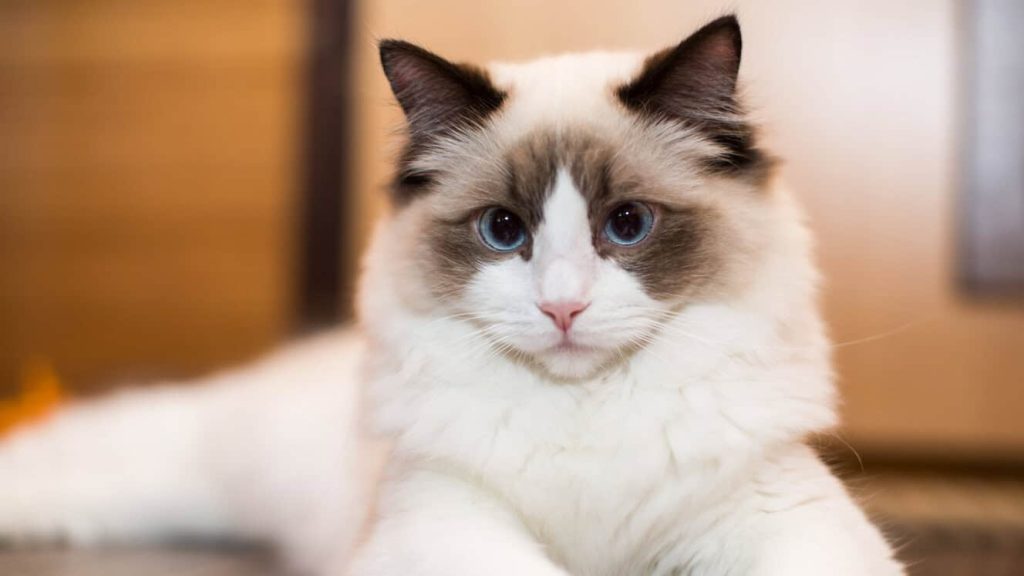
Have you ever wondered what breeds make a Ragdoll cat so special? If you’re curious about the unique mix behind this gentle and affectionate feline, you’re in the right place.
Understanding the breeds that shape a Ragdoll can help you appreciate their calm nature, stunning looks, and why they’re such loving companions. Keep reading, and you’ll discover the fascinating origins that make Ragdoll cats truly one of a kind.
Ragdoll Cat Origins
The Ragdoll cat is a popular breed known for its gentle nature and striking looks. It has a unique history that started in the 1960s.
This breed came from careful breeding to create a cat with a calm temperament and beautiful coat patterns. Its origins involve specific cats and careful selection.
Early Development
The Ragdoll breed began with a focus on calmness and size. Breeders wanted a cat that would go limp when held, like a ragdoll toy.
Breeders worked to keep the breed’s soft personality and large body size. They also aimed for a semi-long coat that is easy to care for.
Key Breeding Cats
Several cats helped form the Ragdoll breed. These cats had traits like blue eyes, color points, and gentle behavior.
- Colorpoint cats with Siamese features contributed to the coat and eye color.
- Persian cats added to the soft fur and calm nature.
- Birman cats influenced the color patterns and friendly personality.
These breeds mixed carefully to create the unique Ragdoll look and personality.
Founder Cat: Josephine
Josephine was the first cat that started the Ragdoll breed. She had the soft fur, blue eyes, and gentle nature breeders wanted.
Josephine’s traits passed to her kittens, which helped build the breed’s standard. She is remembered as the foundation of the Ragdoll cat.

Credit: www.pumpkin.care
Primary Breeds Behind Ragdolls
The Ragdoll cat is a mix of several well-known breeds. These breeds gave Ragdolls their unique looks and calm nature. Understanding these breeds helps explain where Ragdolls get their traits.
Three main breeds played a key role in creating the Ragdoll. They are the Birman, Siamese, and Persian. Each brought special features to the Ragdoll breed.
Birman Influence
Birmans contributed to the Ragdoll’s soft coat and color patterns. They also added gentle and friendly behavior. This breed helped shape the Ragdoll’s affectionate nature.
- Soft, silky fur
- Pointed color patterns
- Blue eyes
- Calm and loving temperament
Siamese Traits
The Siamese breed gave the Ragdoll its striking color points. Siamese cats also added some of their playful and vocal traits. These traits make Ragdolls more lively and social.
| Trait | From Siamese |
| Color Points | Dark ears, face, paws, and tail |
| Eye Color | Bright blue eyes |
| Personality | Playful and vocal nature |
Persian Contributions
Persians helped give the Ragdoll a plush coat and large body size. They also added a calm and quiet personality. These traits make Ragdolls look elegant and feel gentle.
| Persian Trait | Description |
|---|---|
| Coat | Thick, long, and soft fur |
| Size | Large and sturdy body |
| Temperament | Calm and quiet behavior |
Distinctive Ragdoll Traits
Ragdoll cats are known for their soft fur and calm nature. They are a mix of different breeds with unique features.
These cats have special traits that make them easy to recognize and loved by many pet owners.
Coat Patterns And Colors
Ragdolls have soft, semi-long fur that feels silky to touch. Their coats come in various patterns and colors.
The main coat patterns include colorpoint, mitted, and bicolor. Each pattern shows different markings on the face, paws, and body.
- Colorpoint:Dark colors on ears, face, paws, and tail.
- Mitted:White paws with color on the rest of the body.
- Bicolor:White inverted “V” on the face and white on the chest and legs.
Ragdolls come in colors like seal, blue, chocolate, lilac, flame, and cream. These colors appear on their points and sometimes on their bodies.
Temperament And Behavior
Ragdolls are gentle and friendly cats. They enjoy being around people and often follow their owners around.
These cats are known for their calm and relaxed nature. They rarely scratch or bite, making them great pets for families.
- Very affectionate and loving
- Enjoy being held and cuddled
- Playful but not hyperactive
- Good with children and other pets
Physical Characteristics
Ragdolls are large and muscular cats with a sturdy body. They have a broad chest and strong legs.
Their eyes are bright blue and almond-shaped. Their faces are slightly rounded with a flat nose and medium-sized ears.
- Size: Large, often 10 to 20 pounds
- Fur: Soft, thick, and semi-long
- Eye Color: Bright blue
- Body Shape: Muscular and sturdy
Breeding Practices Over Time
Ragdoll cats have a unique history shaped by careful breeding. Breeders aimed to create gentle and beautiful cats. Over time, the methods used to breed these cats have changed.
This article looks at how breeding goals, health, and challenges shaped the Ragdoll breed. It shows how breeders work to keep the breed strong and healthy.
Selective Breeding Goals
Early breeders focused on the Ragdoll’s calm nature and soft fur. They wanted cats with large size and striking blue eyes. The goal was to keep these traits consistent in every litter.
- Maintain friendly and gentle temperament
- Preserve the semi-long, silky coat
- Keep the bright blue eye color
- Ensure large and muscular body type
- Promote the signature color patterns
Health And Genetic Considerations
Breeders learned that health is as important as looks. They began testing for genetic diseases. This helped reduce problems like heart disease and kidney issues in Ragdolls.
| Health Concern | Action Taken |
| Hypertrophic Cardiomyopathy (HCM) | Genetic testing before breeding |
| Polycystic Kidney Disease (PKD) | Screening and avoiding carriers |
| Bladder Stones | Monitoring diet and breeding lines |
| Respiratory Issues | Careful selection for strong respiratory health |
Modern Breeding Challenges
Today, breeders face new challenges. The demand for Ragdolls is high, which can lead to rushed breeding. Maintaining genetic diversity is also a big concern.
Key challenges include:
- Preventing inbreeding to keep genes healthy
- Balancing breed standards with animal welfare
- Adapting to new health risks and diseases
- Educating new breeders about ethical practices
Ragdoll Cat Popularity
The Ragdoll cat is a favorite pet for many people worldwide. Its calm nature and soft fur make it special.
This breed’s gentle personality helps it stand out among other cats. Many enjoy having Ragdolls as companions.
Global Appeal
Ragdoll cats are loved in many countries. They fit well in different homes and cultures.
People in cities and rural areas alike enjoy Ragdolls for their friendly behavior and beauty.
Role In Cat Shows
Ragdolls often appear in cat shows. Judges like their large size and striking blue eyes.
They usually score well because they are calm and easy to handle during events.
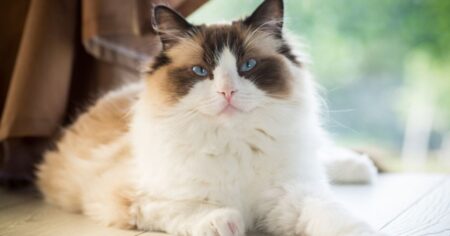
- Recognized for soft, silky coats
- Known for their relaxed nature
- Strong presence in many competitions
Pet Ownership Trends
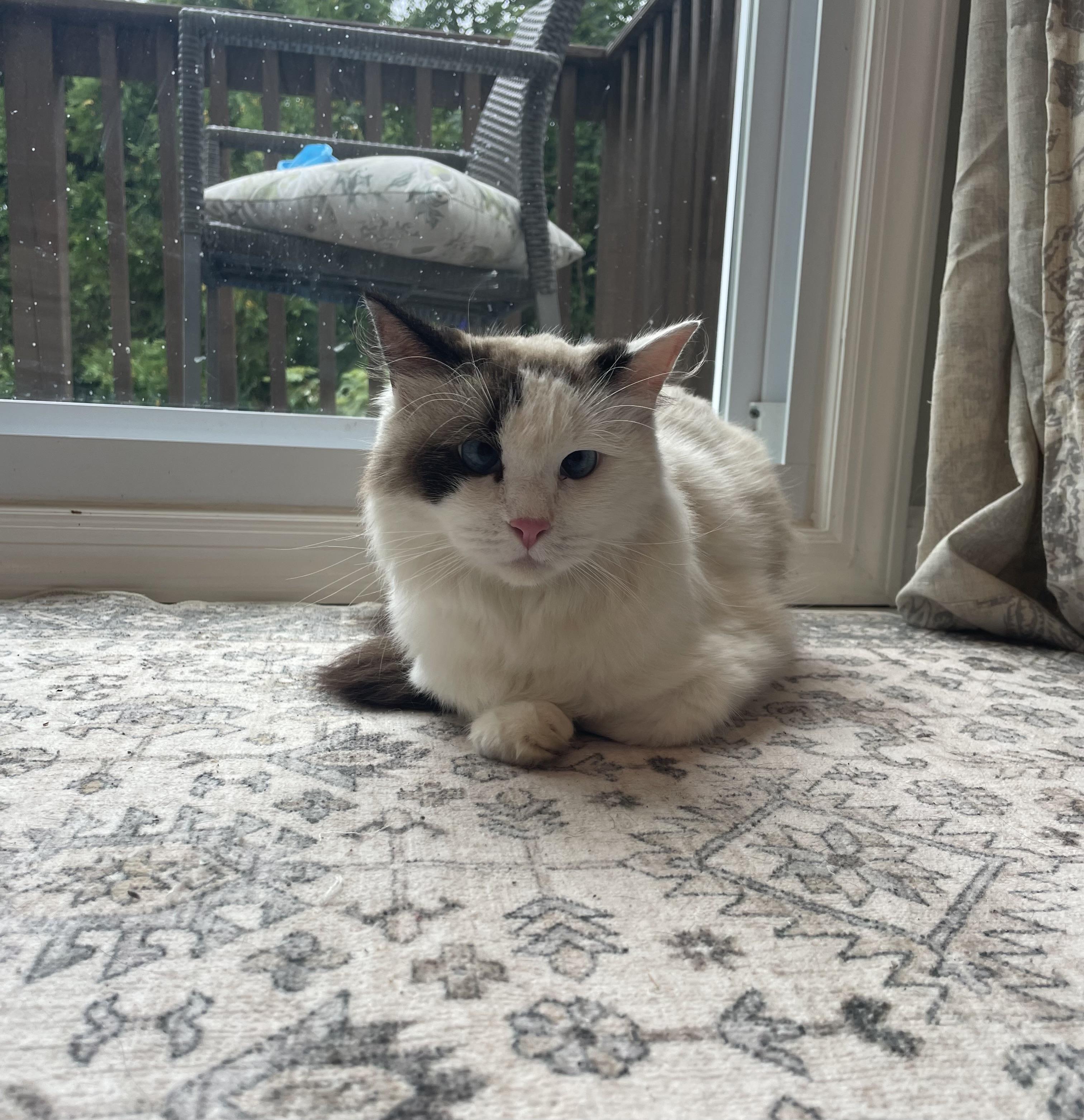
Many families choose Ragdolls as pets. They enjoy the breed’s gentle and social style.
Ragdolls are great for homes with children and other pets. They like to be around people.
Credit: cats.com
Credit: www.pumpkin.care
Frequently Asked Questions
What Breeds Contribute To Ragdoll Cat Genetics?
Ragdoll cats mainly descend from the Persian, Birman, and Burmese breeds. These breeds contribute to their striking blue eyes, soft coat, and gentle temperament.
Are Ragdoll Cats A Mix Of Specific Breeds?
Yes, Ragdolls are a hybrid breed. They were developed by crossing Birman, Burmese, and Persian cats to create their unique traits.
How Did The Ragdoll Breed Originate?
Ragdolls originated in the 1960s through selective breeding by Ann Baker. She aimed to create a large, affectionate, and docile cat.
Do Ragdoll Cats Share Traits With Other Breeds?
Ragdolls share their calm nature and striking looks with Birmans and Persians. Their size and coat also reflect these breeds.
Conclusion
Ragdoll cats charm with their gentle nature and striking looks. Their breed mix includes Persian, Burmese, and Birman origins. This blend creates their distinct, calm personality. They are perfect companions for families or singles. Ragdolls enjoy playtime and also love lounging.
Their plush fur and blue eyes captivate pet lovers. Understanding their breed mix helps in better care. These cats thrive on attention and affection. Welcoming a Ragdoll means adding joy to your home. Their loving nature makes them a delightful choice for any cat lover.