Are you thinking about bringing a cat into your home but don’t know where to start? Choosing the right type of cat can feel overwhelming.
After all, your new furry friend will be part of your life for years to come. What if you pick a cat that doesn’t match your lifestyle or personality? Don’t worry—this guide will help you find the perfect match. By the end, you’ll feel confident about which type of cat suits you best.
Keep reading, because your ideal companion might be just a few paragraphs away.

Credit: www.reddit.com
Choosing Between Purebred And Mixed Cats
Picking the right cat for your home can be a big choice. You might wonder if a purebred or mixed breed cat fits you best.
Both types have special traits. Knowing these can help you make a smart decision.
Traits Of Purebred Cats
Purebred cats come from parents of the same breed. They often have clear traits and looks.
| Trait | Description |
| Appearance | Distinctive features that match breed standards |
| Temperament | Usually predictable and consistent behavior |
| Health | May have breed-specific health issues |
| Price | Generally more expensive than mixed cats |
| Care Needs | Sometimes need special grooming or attention |
Benefits Of Mixed Breeds
Mixed breed cats come from parents of different breeds. They often have unique looks and personalities.
- Usually have fewer health problems
- Often more affordable to adopt
- Wide range of personalities and appearances
- Can be easier to find in shelters
- May have stronger immune systems
Matching Cat Personalities To Your Lifestyle
Choosing the right cat means thinking about your daily life and personality. Cats have different traits that fit different homes.
Understanding these traits helps you find a cat that will be happy and healthy with you.
Active And Playful Cats
Active cats love to play and explore. They need space and toys to keep them busy.
If you enjoy playing with your pet and have time to engage, an active cat is a good match.
- Require daily playtime
- Enjoy climbing and running
- Good for energetic owners
Calm And Affectionate Cats
Calm cats like quiet and gentle homes. They enjoy sitting near you and being petted.
These cats fit well with people who want a loving companion and a peaceful environment.
- Enjoy cuddling and resting
- Prefer calm surroundings
- Great for families and seniors
Independent Cats
Independent cats like to spend time alone. They do not need constant attention.
If you have a busy schedule, an independent cat can be a good choice for you.
- Comfortable alone for hours
- Less demanding of attention
- Suitable for busy owners
Considering Cat Size And Appearance
Choosing a cat means thinking about its size and look. These traits affect your home space and care needs.
Some cats are small and light, others are large and strong. Coat colors and patterns also vary a lot.
Small And Compact Breeds
Small cats fit well in apartments. They need less food and space. Their size makes them easy to carry and play with.
- Sphynx: Hairless and lightweight, loves warmth.
- Munchkin: Short legs, playful and curious.
- Singapura: One of the smallest breeds, very social.
- Devon Rex: Small with curly fur and big ears.
Large And Sturdy Breeds
Large cats are strong and can live in bigger homes. They often have calm personalities and thick fur.
| Breed | Average Weight | Coat Type |
|---|---|---|
| Maine Coon | 13–18 lbs | Long and thick |
| Ragdoll | 12–20 lbs | Semi-long and silky |
| Norwegian Forest Cat | 12–16 lbs | Long and water-resistant |
| Bengal | 10–15 lbs | Short with spots |
Coat Colors And Patterns
Coat colors and patterns give each cat a unique look. Some colors hide dirt well and others show it.
Common cat coat colors and patterns include:
- Solid:One color all over, like black, white, or gray.
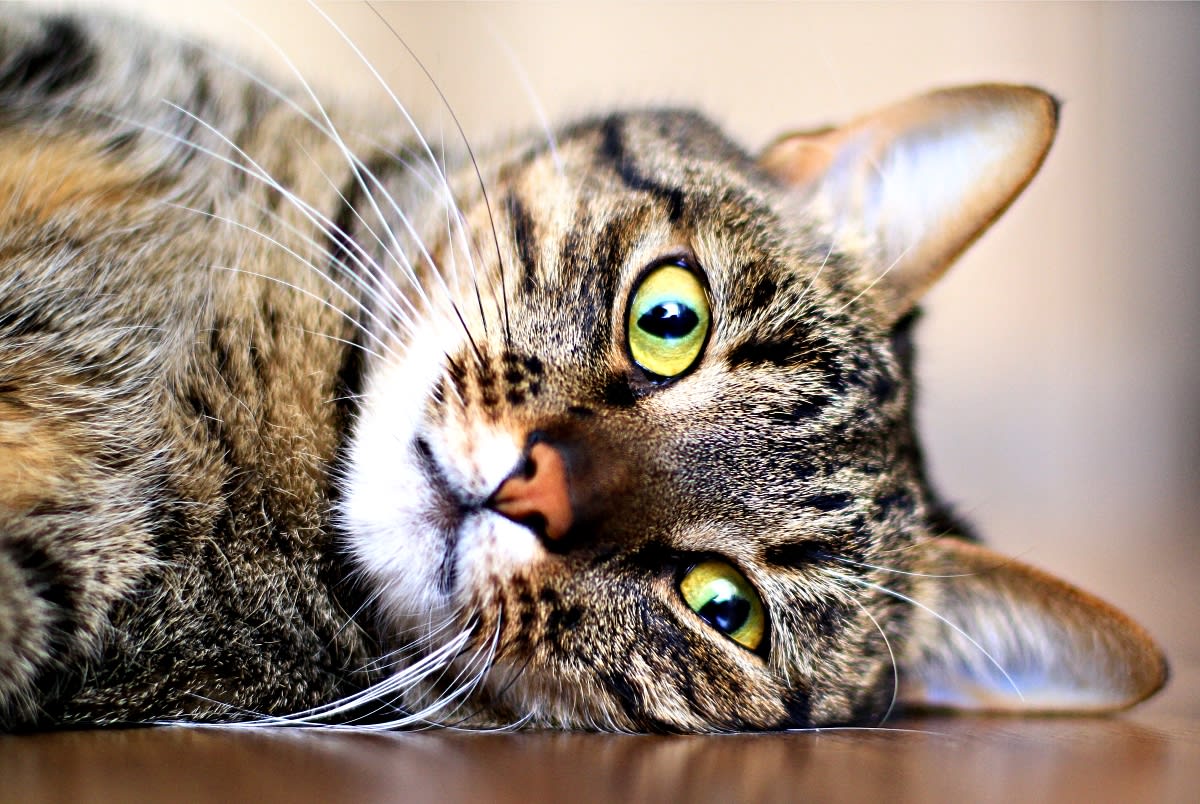
- Tabby:Stripes, swirls, or spots in various colors.
- Calico:White with large orange and black patches.
- Tortoiseshell:Mixed black and orange colors blended.
- Pointed:Darker colors on ears, face, paws, and tail.
Credit: pethelpful.com
Health And Grooming Needs
Choosing the right cat means understanding their health and grooming needs. Some cats need little care. Others require daily grooming and special attention.
Knowing these needs helps you keep your cat happy and healthy. It also makes caring for your pet easier and more enjoyable.
Low Maintenance Breeds
Low maintenance cats are perfect for busy people. They need little grooming and have fewer health problems. These breeds are easy to care for and clean themselves well.
- American Shorthair: short coat, easy to brush once a week
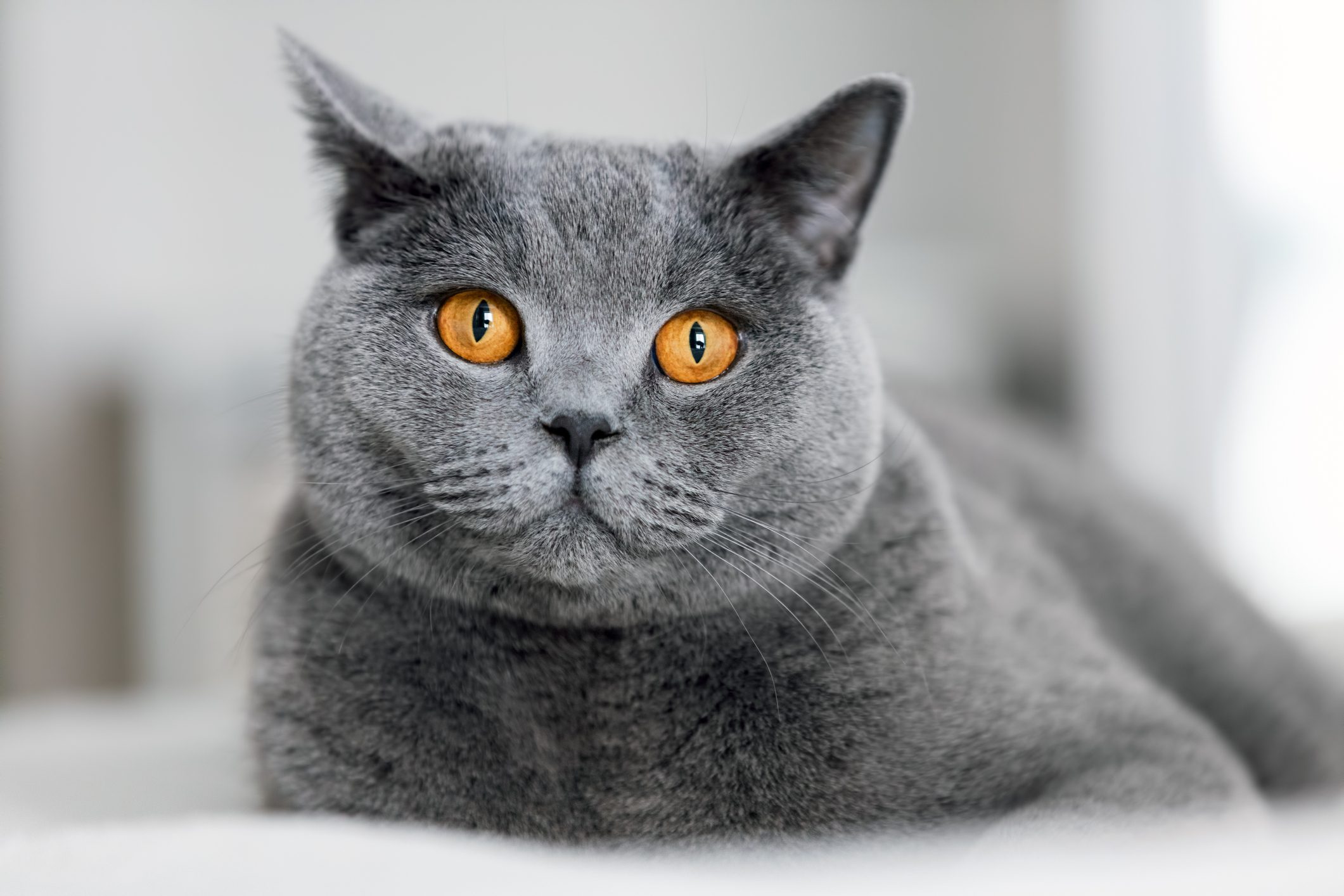
- British Shorthair: thick coat but low shedding
- Russian Blue: minimal grooming, stays clean
- Scottish Fold: short fur, needs only occasional brushing
High Grooming Requirements
Some cats have long or thick fur. They need daily brushing to avoid mats and hairballs. These cats may also need regular baths and nail trimming.
- Persian: long fur, daily brushing needed
- Maine Coon: thick coat, needs frequent grooming
- Ragdoll: long hair, regular combing required
- Himalayan: high grooming to prevent knots
Common Health Issues
| Health Issue | Breeds Often Affected | Care Tips |
| Obesity | All breeds | Provide balanced diet and exercise |
| Kidney Disease | Persians, Maine Coons | Regular vet checks and hydration |
| Dental Problems | All breeds | Brush teeth and dental treats |
| Respiratory Issues | Flat-faced breeds like Persians | Keep environment clean and stress-free |
| Hypertrophic Cardiomyopathy | Maine Coons, Ragdolls | Regular heart exams by a vet |
Living Arrangements And Cat Compatibility
Choosing the right cat depends on your living space and lifestyle. Different cats fit different homes.
This guide helps match cats with apartments, families with kids, and homes with other pets.
Cats For Apartment Living
Apartment cats need to be calm and adapt well to small spaces. Some breeds handle indoor life better.
- Siamese cats are social and enjoy attention indoors.
- British Shorthairs stay calm and like quiet spaces.
- Ragdolls are gentle and enjoy being held and petted.
- Scottish Folds adapt well to smaller areas and are friendly.
- Persians prefer relaxed environments and less noise.
Good Cats For Families With Kids
Families with children need cats that are patient and playful but not aggressive.
| Cat Breed | Personality | Best For |
| Birman | Gentle and friendly | Young kids |
| Maine Coon | Playful and tolerant | Active families |
| American Shorthair | Easygoing and calm | All ages |
| Devon Rex | Curious and social | Kids who like to play |
| Burmese | Loving and people-oriented | Families wanting close bonds |
Choosing Cats For Multi-pet Homes
Some cats get along well with other pets. Look for friendly and social cats.
These tips help keep peace in multi-pet homes:
- Choose cats known for social behavior.
- Introduce new pets slowly and calmly.
- Provide separate spaces and resources.
- Watch for signs of stress or aggression.
- Reward calm and friendly interactions.
Adoption Versus Buying From Breeders
Choosing a cat is an exciting decision. You can adopt from shelters or buy from breeders. Each option has different points to think about.
Understanding the benefits and challenges of each helps you make a good choice for your home and lifestyle.
Benefits Of Adoption
Adopting a cat saves a life. Shelters have many cats needing homes. Adoption is often less expensive than buying from breeders.
- Many cats are healthy and ready for new homes.
- Shelters may include vaccinations and spaying or neutering.
- Adoption helps reduce pet overpopulation.
- You can find cats of all ages, sizes, and personalities.
- Choosing adoption supports animal welfare organizations.
Things To Consider When Buying
Buying from breeders lets you pick specific cat breeds. It can be important if you want certain traits or appearances.
| Factor | Details |
|---|---|
| Cost | Buying is usually more expensive than adoption. |
| Health | Reputable breeders provide health clearances and care history. |
| Breed Traits | You get predictable size, temperament, and coat type. |
| Ethics | Choose breeders who treat cats well and avoid puppy mills. |
| Availability | Some breeds have long waiting lists or limited numbers. |
Special Needs And Unique Cat Types
Choosing the right cat means thinking about special needs and unique types. Some cats require more care or have different traits. This guide helps you understand three special categories.
Knowing about hypoallergenic cats, senior cats, and rescue cats can help you find a perfect companion. Each type has its own benefits and challenges to consider.
Hypoallergenic Cats
Hypoallergenic cats produce fewer allergens. They can be better for people with mild allergies. No cat is fully allergy-free, but some breeds cause fewer problems.
- Siberian
- Balinese
- Russian Blue
- Devon Rex
- Oriental Shorthair
Senior Cats
Senior cats need special care as they age. They may have health issues but still enjoy a loving home. Older cats often have calm personalities.
| Age Range | Care Needs | Common Traits |
| 7-10 years | Regular vet visits, good diet | Calm, affectionate |
| 10+ years | Special diet, health checks | Less active, loving |
Rescue And Special Care Cats
Rescue cats may have special needs from past experiences. They might need extra patience or medical care. Many make great pets with time and love.
- Visit shelters to meet cats in person
- Ask about the cat’s history and health
- Prepare your home for a slow introduction
- Be patient as they adjust
- Provide regular vet care
Credit: www.rd.com
Frequently Asked Questions
What Factors Determine The Best Cat Breed For Me?
Consider your lifestyle, living space, allergies, and activity level. Some breeds need more attention, others are independent. Match a cat’s temperament with your daily routine for a happy pet-owner relationship.
Are Certain Cat Breeds Better For Families With Children?
Yes, breeds like Ragdolls and Maine Coons are gentle and patient. They tolerate children well and enjoy social interaction, making them excellent family pets.
Which Cat Breeds Are Best For Apartment Living?
Smaller, calm breeds like British Shorthairs and Scottish Folds adapt well. They require less space and exercise, making them ideal for apartments and indoor environments.
How Do I Choose A Hypoallergenic Cat Breed?
Breeds like Siberians and Balinese produce fewer allergens. They’re better suited for allergy sufferers but no cat is completely hypoallergenic.
Conclusion
Choosing the right cat breed is crucial for a happy home. Consider your lifestyle and space. Some cats need lots of play, others prefer peace. Think about allergies too. Short-haired cats might be better for sensitive noses. Visit shelters or breeders to meet different breeds.
Observe their behavior and personality. Each cat is unique. Find one that matches your energy level. A good match brings joy and companionship. Cats can be wonderful friends. Take your time to choose wisely. You’ll enjoy years of love and purrs.