Have you ever wondered just how many different cat breeds there are in the world? If you’re a cat lover, knowing the variety of breeds can help you understand your furry friend better or even find the perfect companion.
From fluffy and playful to sleek and mysterious, each breed has its own unique traits that might surprise you. Keep reading, and you’ll discover fascinating facts about cat breeds that could change the way you see your feline friend forever.
Your next favorite cat breed might be just a few paragraphs away!

Credit: www.reddit.com
Global Cat Breed Count
People love cats because of their many different breeds. Each breed has unique traits and looks.
Knowing how many cat breeds exist helps us understand their diversity worldwide.
Recognized Cat Breeds Worldwide
Cat breed numbers vary by cat organizations. Each group decides which breeds to recognize.
The International Cat Association (TICA) recognizes over 70 breeds. The Cat Fanciers’ Association (CFA) lists about 44 breeds.
- TICA: 73 recognized cat breeds
- CFA: 44 recognized cat breeds
- Fédération Internationale Féline (FIFe): 48 recognized breeds
New Breeds And Breed Development
Breeders create new cat breeds by mixing different cats. This process can take many years.
New breeds can add to the global count. Some new breeds wait for official recognition.
- New breeds may differ in size, color, or fur type
- Recognition depends on breed stability and traits
- Some breeds stay local before gaining worldwide status
Differences In Breed Counting
Breed counts differ because groups have different rules. Some count only natural breeds.
Others include hybrid or experimental breeds. This leads to different totals worldwide.
| Organization | Breed Count | Breed Types Included |
|---|---|---|
| TICA | 73 | Natural, hybrid, experimental breeds |
| CFA | 44 | Mostly natural and established breeds |
| FIFe | 48 | Natural and some developed breeds |
Classification Standards
Cat breeds are classified by official groups called registries and associations. These groups set the rules for recognizing cat breeds.
Each group has standards to decide which cats count as a breed. These standards help keep breed traits consistent.
Feline Registries And Associations
Several main organizations register cat breeds worldwide. They have different rules and breed lists. Here are some key registries:
- CFA (Cat Fanciers’ Association): One of the largest groups in North America. Recognizes many popular breeds.
- TICA (The International Cat Association): Known for accepting new breeds and rare types.
- FIFe (Fédération Internationale Féline): A European-based group with strict breed standards.
- GCCF (Governing Council of the Cat Fancy): The main registry in the UK with long history.
Breed Recognition Criteria
Cat breeds must meet certain criteria to be officially recognized. These rules keep breeds pure and consistent.
| Criteria | Description |
|---|---|
| Distinct Appearance | The breed must show clear, unique physical traits. |
| Stable Traits | Traits must stay consistent over several generations. |
| Breeding Population | There must be enough cats breeding to sustain the breed. |
| Health Standards | Breeds must not have serious genetic health problems. |
| Documentation | Breeders must provide pedigrees and records. |
Popular Cat Breeds Worldwide
Cats have many breeds around the world. Each breed has unique looks and traits.
People choose cats based on their personality and appearance. Some breeds are very common.
Top Domestic Breeds
Top domestic cat breeds are friendly and easy to care for. They live well with families.
These breeds are popular in many homes worldwide. They have different fur types and colors.
- Siamese: Known for its blue eyes and talkative nature.
- Maine Coon: Large size with thick fur, very gentle.
- Persian: Long fur and calm personality.
- Ragdoll: Soft fur and relaxed behavior.
- British Shorthair: Round face and dense coat.
Rare And Exotic Breeds
Rare breeds are less common and often have unusual features. They attract cat lovers who want something special.
Exotic cats may come from specific regions or have unique body shapes and fur patterns.
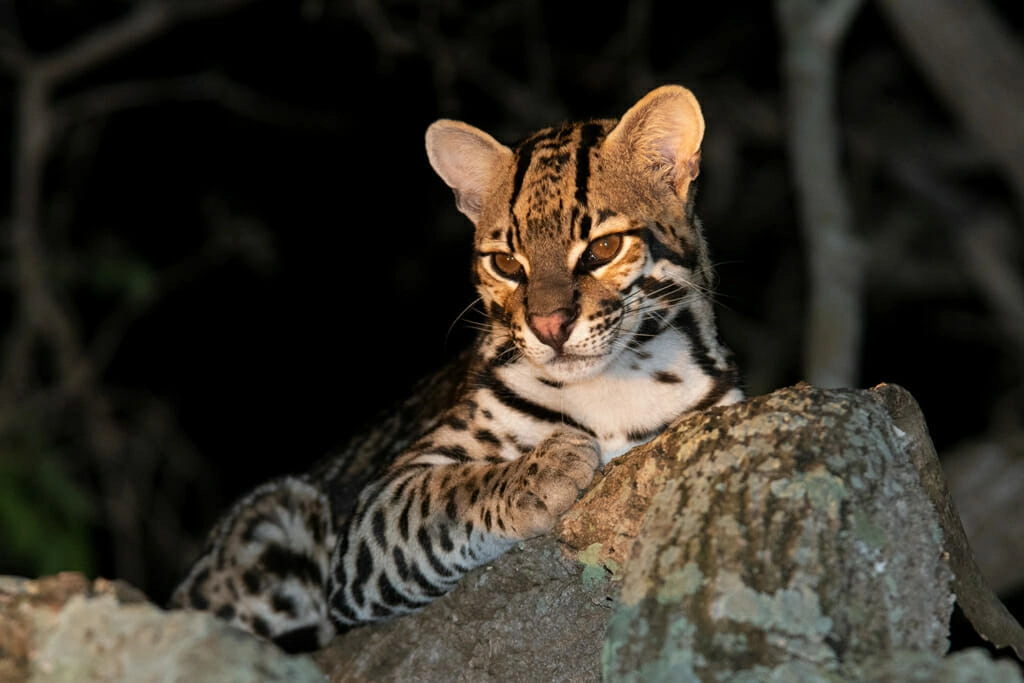
- Bengal: Wild look with spotted fur, very active.
- Sphynx: Hairless breed, warm skin, and friendly.
- Scottish Fold: Folded ears and sweet nature.
- Turkish Van: Loves water and has a unique coat pattern.
- Savannah: Tall and slender with wild appearance.
Credit: www.thewildlifediaries.com
Origins Of Cat Breeds
Cat breeds have diverse origins that shape their traits and appearances. Understanding these origins helps us see why cats look and behave differently.
Many cat breeds come from nature, while others result from human efforts. These origins affect how breeds develop and adapt.
Natural Versus Man-made Breeds
Natural breeds evolved over time in certain regions without much human intervention. Man-made breeds come from selective breeding by people.
- Natural breeds adapt to local climates and hunting needs.
- Man-made breeds are created for specific looks or traits.
- Natural breeds often have diverse gene pools.
- Man-made breeds may have limited genes due to selective breeding.
Regional Breed Variations
Cat breeds often reflect the regions they come from. These areas influence their size, fur type, and behavior.
| Region | Typical Breed Traits | Example Breeds |
| Asia | Short fur, slender bodies | Siamese, Burmese |
| Europe | Long or short fur, strong build | Maine Coon, British Shorthair |
| Middle East | Short fur, large eyes | Oriental Shorthair |
| North America | Varied fur length, sturdy | American Shorthair, Ragdoll |
Breed Characteristics
There are many cat breeds in the world. Each breed has special traits that make it unique.
These traits help identify the breed and show what to expect from the cat.
Physical Traits
Physical traits include size, coat type, and color. Some cats have short hair, others long.
Body shape and ear style also differ between breeds. These features make each breed look distinct.
- Size: small, medium, or large
- Coat: short, medium, or long fur
- Color patterns: solid, striped, spotted, or mixed
- Eye color: green, blue, gold, or odd-colored
- Ear shape: pointed, folded, or rounded
Behavioral Traits
Behavioral traits show how a cat acts. Some breeds are very active, others calm and quiet.
Some cats love to play and explore. Others prefer to rest and stay close to people.
- Activity level: high, medium, or low energy
- Social behavior: friendly, shy, or independent
- Vocalization: talkative or quiet
- Intelligence: problem-solving skills and learning ability
- Affection: cuddly or more distant

Credit: www.thewildlifediaries.com
Trends In Cat Breeding
Cat breeding has changed a lot over the years. New breeds appear as breeders try new traits.
People’s tastes also affect which breeds become popular or less common.
Emerging Breeds
New cat breeds are introduced regularly. Breeders focus on colors, patterns, and temperaments.
- Some breeds come from crossing existing types.
- Others start from natural mutations in the wild or at home.
- Breeders work to meet standards set by cat associations.
- These breeds often gain recognition over several years.
Breed Popularity Shifts
Popularity of cat breeds changes with time and culture. Some breeds become favorites while others fade.
| Breed | Popularity Trend | Reason |
| Sphynx | Increasing | Unique hairless look and friendly nature |
| Persian | Decreasing | High grooming needs |
| Scottish Fold | Stable | Distinct folded ears and calm behavior |
| Bengal | Increasing | Wild appearance and active personality |
Challenges In Breed Identification
Identifying how many cat breeds exist is not simple. Many cats look similar, making it hard to tell breeds apart.
Some cats have mixed backgrounds or new traits that confuse breed identification. This creates challenges for experts and cat lovers.
Mixed Breeds And Hybrids
Many cats are mixed breeds. These cats have parents from different breeds or no clear breed history. This makes naming their breed difficult.
Hybrids are cats bred from wild and domestic cats. They often show traits from both types. This mix can cause confusion in identifying pure breeds.
- Mixed breeds often have varied appearances.
- Hybrids can inherit unpredictable features.
- Breed standards may not apply well to these cats.
Genetic Testing Advances
Genetic testing helps identify cat breeds more clearly. It looks at DNA to find breed markers and traits.
Tests can show a cat’s breed mix and health risks. This helps owners understand their cats better and care for them well.
- DNA tests reveal breed ancestry.
- They detect hidden breed traits.
- Tests support better breed classification.
Frequently Asked Questions
How Many Recognized Cat Breeds Exist Worldwide?
There are about 70 to 75 recognized cat breeds worldwide. Different cat associations may list slightly different numbers. These breeds vary in appearance, personality, and origin. The Cat Fanciers’ Association (CFA) recognizes 44 breeds, while The International Cat Association (TICA) recognizes over 70.
What Defines A Cat Breed Officially?
A cat breed is defined by consistent physical traits and genetics. Official recognition requires breed standards and stable reproduction of traits. Cat registries evaluate these standards before recognizing a breed. Recognition ensures the breed’s characteristics are preserved and documented.
Are New Cat Breeds Still Being Developed?
Yes, new cat breeds continue to emerge through selective breeding. Breeders aim to enhance specific traits or create unique appearances. New breeds undergo rigorous evaluation before official recognition. This process keeps the variety of cat breeds expanding over time.
Which Cat Breed Is The Most Popular Globally?
The Domestic Shorthair is the most common and popular cat type. Among pedigreed breeds, the Persian and Siamese are widely loved. Popularity depends on temperament, appearance, and cultural preferences. Trends in cat breeds can vary by region and time.
Conclusion
Exploring the world of cats is fascinating. Many breeds, each unique. From fluffy Persians to sleek Siamese, diversity abounds. Cat lovers find joy in learning about these breeds. Each cat has its charm and personality. Breeds offer choices for different lifestyles.
Whether playful or calm, there’s a cat for everyone. Understanding breeds helps in choosing the right pet. A perfect companion awaits for every cat enthusiast. Remember, each breed brings something special to the table. Happy cat exploring!