
Have you ever wondered which cats are truly the biggest in the wild? You might picture your house cat, but some feline species grow to jaw-dropping sizes that can leave you amazed.
Knowing about these giant cats can change the way you see the animal kingdom and spark your curiosity like never before. Keep reading, and you’ll discover surprising facts about the largest cats on Earth—facts that might just make you see these creatures in a whole new light.
Ready to find out which cats rule the size game? Let’s dive in!
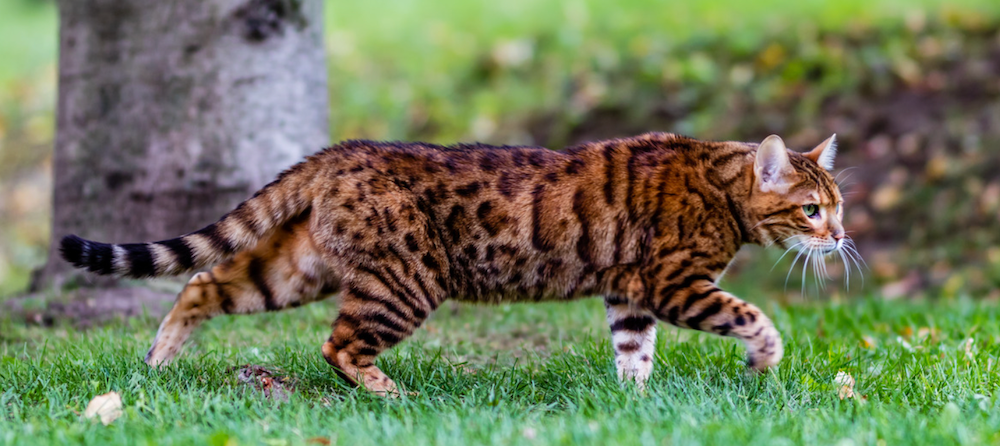
Credit: www.greensafaris.com
Largest Wild Cats
Wild cats are some of the most powerful animals on Earth. They vary in size, strength, and habitat.
This article focuses on the largest wild cats found in nature. These cats are known for their size and hunting skills.
Siberian Tiger
The Siberian tiger is the biggest wild cat in the world. It lives mainly in Russia’s forests.
This tiger can grow up to 12 feet long, including its tail. It weighs around 400 to 700 pounds.
- Also called the Amur tiger
- Has thick fur for cold weather
- Strong hunter of deer and wild boar
Lion
Lions are large wild cats that live in Africa and parts of Asia. They are known as the “king of the jungle.”
Male lions can weigh up to 500 pounds and reach 10 feet in length with their tail. They live in groups called prides.
- Have a mane that makes males look bigger
- Hunt in groups for large prey
- Live mostly in grasslands and savannas
Jaguar
Jaguars live in the Americas, mostly in rainforests. They are the largest cats in the Americas.
Jaguars are strong and stocky. They can weigh about 200 pounds and grow up to 6 feet long, not counting the tail.
- Have powerful jaws to crush bones
- Good swimmers and climbers
- Often hunt near water
Leopard
Leopards live in Africa and parts of Asia. They are smaller than lions and tigers but very strong.
Leopards can weigh up to 200 pounds and reach 6 to 7 feet long with their tail. They are great climbers.
- Known for their spotted coat
- Hunt alone and are very stealthy
- Can carry prey up trees

Credit: worldanimalfoundation.org
Biggest Domestic Cat Breeds
Some domestic cats grow much larger than most people expect. These big cats have unique traits and friendly personalities. They make great pets for those who love a larger feline friend.
We will look at three of the biggest domestic cat breeds. Learn what makes the Maine Coon, Savannah Cat, and Norwegian Forest Cat special.
Maine Coon
The Maine Coon is one of the largest domestic cats. Males can weigh up to 18 pounds or more. They have long fur and tufted ears that give them a wild look.
- Weight: 13 to 18 pounds
- Length: up to 40 inches from nose to tail
- Coat: thick and water-resistant
- Personality: gentle and playful
Savannah Cat
The Savannah Cat is a cross between a domestic cat and a wild serval. It looks exotic and can be very tall and lean. This breed is active and loves to explore.
| Feature | Description |
| Weight | 12 to 25 pounds |
| Height | Up to 17 inches tall |
| Coat | Spotted, short to medium length |
| Personality | Energetic and curious |
Norwegian Forest Cat
The Norwegian Forest Cat is strong and built for cold weather. It has a thick double coat and bushy tail. This breed is friendly but can be independent.
- Weight: 13 to 22 pounds
- Coat: Long, thick, and water-repellent
- Body: Muscular and solid
- Temperament: Calm and intelligent
Factors Influencing Cat Size
The size of the biggest cats varies due to several key factors. These factors affect their growth and overall body structure.
Understanding these factors helps explain why some cats grow larger than others. We will look at genetics, habitat, and diet.
Genetics
Genetics play the main role in determining a cat’s size. Each species has a set of genes that control growth patterns and maximum size.
Big cats like tigers and lions have genes that allow for large muscle and bone development. These genes are passed from parents to offspring.
Habitat
Habitat affects cat size by influencing available space and resources. Cats in open areas may grow larger to hunt bigger prey.
- Dense forests limit movement and prey size.
- Open savannas allow bigger cats to roam and hunt larger animals.
- Cold climates can lead to bigger body size for heat retention.
Diet
A cat’s diet provides the nutrients needed for growth. High-protein diets support muscle building and larger size.
| Food Type | Effect on Size |
| Large prey (deer, wild boar) | Supports bigger body size |
| Small prey (rodents, birds) | Limits size growth |
| Fish and insects | Less impact on large muscle development |
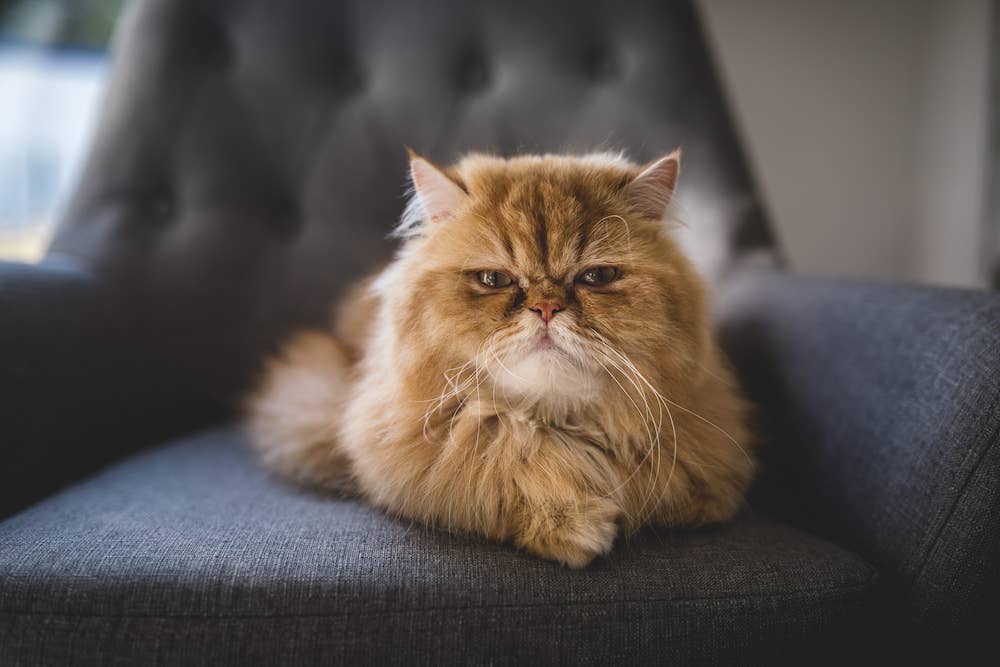
Credit: paradepets.com
Comparison Of Cat Sizes
Cats come in many sizes, from small house cats to large wild cats. Understanding their size differences helps us learn more about these animals.
This comparison looks at two main features: weight and length, and height and build. These help show the biggest cats clearly.
Weight And Length
The biggest cats vary a lot in weight and length. Some wild cats can weigh over 600 pounds and reach lengths of up to 10 feet.
| Cat Species | Average Weight (lbs) | Average Length (feet) |
|---|---|---|
| Siberian Tiger | 400-600 | 9-10 |
| Lion | 330-550 | 8-10 |
| Jaguar | 100-250 | 5-6 |
| Leopard | 80-200 | 4.5-6 |
| Cougar | 64-220 | 5-9 |
Height And Build
Height and build show how tall and strong a cat is. Big cats have muscular bodies and stand tall to hunt and survive.
- Siberian Tigers are very tall and muscular, standing about 3.5 feet at the shoulder.
- Lions are slightly shorter but have a strong build and a mane around their neck.
- Jaguars are stocky with a strong jaw for biting.
- Leopards are smaller but very agile and fast.
- Cougars have slim bodies and can jump high despite their size.
Roles Of Large Cats In Ecosystems
Large cats like lions, tigers, and leopards play a big role in nature. They help keep balance in their homes.
These big cats control animal numbers and help many plants and animals live well.
Predator Impact
Big cats are top predators in their ecosystems. They hunt animals that could grow too many.
By eating weak or sick animals, they keep prey populations healthy and strong.
- Control herbivore numbers to prevent overgrazing
- Reduce spread of disease by removing weak animals
- Keep ecosystems balanced and stable
Biodiversity Importance
Large cats help many species survive. They make sure no animal takes over the land.
Their presence supports many plants and animals, keeping forests and grasslands healthy.
- Help maintain diverse animal communities
- Support healthy plant growth by controlling herbivores
- Protect habitats that many species depend on
Conservation Of Big Cats
Big cats like tigers, lions, and leopards face many dangers today. Protecting them is important for nature.
These animals help keep balance in the wild. Many groups work hard to save big cats from extinction.
Threats To Survival
Big cats lose their homes because forests are cut down. People also hunt them for their skins and bones.
- Habitat loss from deforestation
- Poaching for illegal trade
- Human-wildlife conflicts
- Climate change affecting prey
Protection Efforts
Many parks and reserves help keep big cats safe. Laws stop illegal hunting and trade.
| Effort | Description |
|---|---|
| Protected Areas | Designated forests and parks where hunting is banned |
| Anti-Poaching Patrols | Teams that stop illegal hunters in the wild |
| Community Education | Teaching locals how to live with big cats safely |
| Wildlife Corridors | Paths that connect habitats so cats can move freely |
Frequently Asked Questions
What Species Are Considered The Biggest Wild Cats?
The biggest wild cats include tigers, lions, jaguars, and leopards. Tigers are the largest, followed by lions. These cats are known for their powerful build and hunting skills. Size varies by species and habitat.
How Big Can A Siberian Tiger Grow?
Siberian tigers can reach up to 10 feet in length, including the tail. They weigh between 400 to 660 pounds. This makes them the largest tiger subspecies and the biggest cat in the world.
Are Lions Bigger Than Leopards?
Yes, lions are significantly bigger than leopards. Male lions weigh between 330 to 550 pounds, while leopards weigh about 66 to 176 pounds. Lions are also taller and more muscular.
What Is The Heaviest Domestic Cat Breed?
The Maine Coon is one of the heaviest domestic cat breeds. Males can weigh up to 18 pounds. They have a large, muscular body and a long, thick coat.
Conclusion
Big cats are fascinating creatures. They show strength, beauty, and power in nature. Tigers, lions, jaguars, and leopards all rank among the biggest cats. Each species has unique traits that help it survive. People admire their grace and hunting skills.
Protecting these cats is important for the environment. We must respect their homes and keep them safe. Learning about big cats helps us understand wildlife better. Their presence reminds us of nature’s wonder and balance.