Have you ever looked at a cat and wondered, “What breed is this?” Figuring out your cat’s breed can be both fun and surprising. Knowing your cat’s breed helps you understand their behavior, health needs, and personality better.
In this guide, you’ll discover simple, effective ways to identify your cat’s breed without any confusion. By the end, you’ll feel confident in recognizing your feline friend’s unique roots. Ready to unlock the mystery behind your cat’s breed? Let’s get started!

Credit: www.reddit.com
Common Cat Breeds
Many people want to know what type of cat they have. Cats come in many breeds with different looks and traits. Knowing the breed helps you understand your cat better.
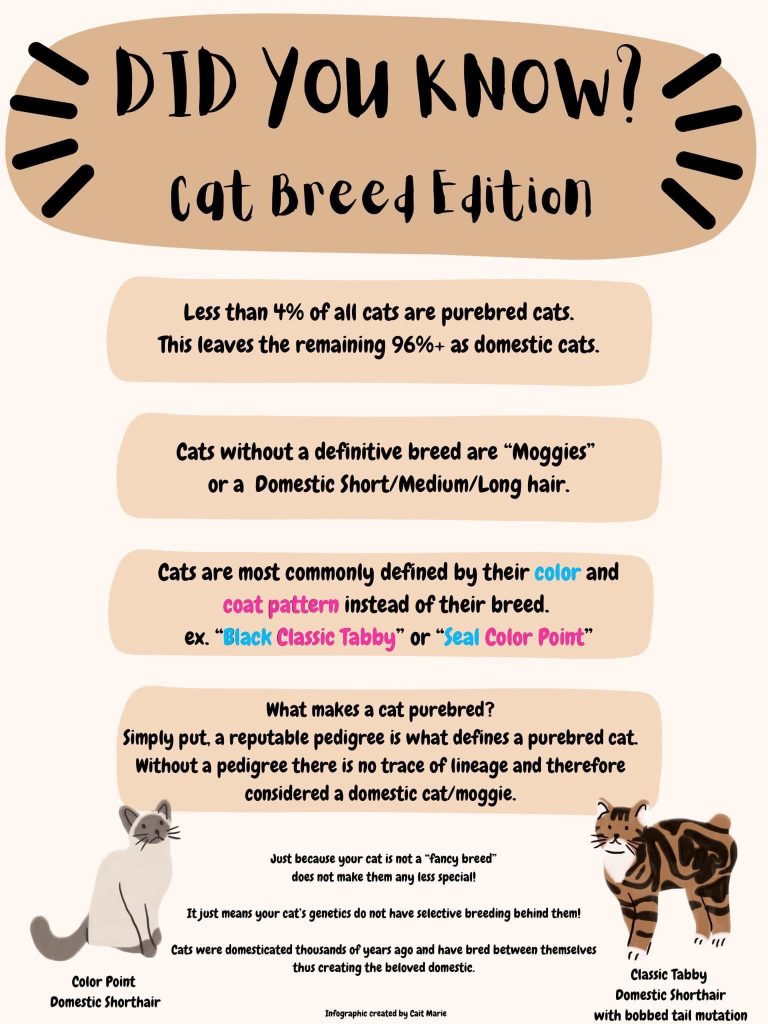
Some cats are purebred, while others are mixed. Each breed has special features that make them unique and easy to recognize.
Popular Domestic Cats
Domestic cats are common pets. They usually have mixed backgrounds but some breeds are very popular. These cats often have friendly and playful personalities.
- American Shorthair: Known for its strong body and short coat
- British Shorthair: Has a round face and dense fur
- Persian: Famous for its long hair and calm nature
- Siamese: Recognized by its slim body and blue eyes
- Maine Coon: Large size with a thick, bushy tail
Distinctive Features Of Purebreds
Purebred cats have clear and distinct traits. Breeders keep these traits consistent by careful breeding. This makes it easier to identify the breed.
- Coat type: Short, long, curly, or hairless
- Color patterns: Solid, tabby, spotted, or pointed
- Body shape: Slim, muscular, or stocky
- Eye color: Blue, green, gold, or odd eyes
- Personality traits: Active, quiet, or social
Mix Breed Characteristics
Mixed breed cats have traits from two or more breeds. Their looks and behavior can vary widely. These cats are often healthy and unique.
Mix breed cats may have:
- A combination of coat colors and patterns
- Different body shapes and sizes
- Varied personalities and energy levels
- Less predictable traits than purebreds
Physical Traits To Check
Figuring out a cat’s breed can be fun and helpful. Look closely at your cat’s physical traits. These traits give clues about its breed.
Focus on features like coat patterns, body shape, eyes, and ears. Each trait can tell you more about your cat’s background.
Coat Patterns And Colors
Coat patterns and colors vary a lot. Common patterns include solid, tabby, spotted, and patched. Colors can range from black to white and many shades in between.
- Solid:One color all over the body.
- Tabby:Stripes, swirls, or spots with an “M” on the forehead.
- Spotted:Spots all over the coat, like a wild cat.
- Patches:Different colored patches, often called calico or tortoiseshell.
Body Shape And Size
Body shape and size help identify breed types. Some cats are slim and long, others are short and stocky. Muscle tone and bone structure also vary.
| Body Type | Description |
| Slender | Long legs and body, light bone structure |
| Stocky | Short legs, broad chest, thick bones |
| Medium | Balanced proportions, average size |
| Large | Big frame and heavy weight |
Eye Shape And Color
Eye shape varies from round to almond. Eye color can be green, blue, gold, or copper. Some breeds have odd-colored eyes or two different colors.
- Round eyes:Wide and open, common in many breeds.
- Almond eyes:Slanted and narrow, seen in Siamese and similar cats.
- Blue eyes:Often in cats with white coats or certain breeds.
- Odd eyes:Two different colored eyes, a unique trait.
Ear Shape And Position
Ear shapes include pointed, rounded, or folded. Position can be high on the head or wide apart. These details help identify breeds like Scottish Fold or Oriental cats.
| Ear Shape | Breed Example |
| Pointed | Siamese, Oriental |
| Rounded | British Shorthair, Persian |
| Folded | Scottish Fold |
| Large and Wide | Devon Rex, Cornish Rex |
Behavioral Clues
Understanding a cat’s behavior helps identify its breed. Each breed shows unique habits and traits.
Look closely at how active, social, and vocal the cat is. These clues guide you to the right breed.
Activity Levels
Some cat breeds are very playful and energetic. Others prefer calm and quiet time. Watch how your cat moves and plays.
- High activity cats love to climb and explore.
- Medium activity cats enjoy play but rest often.
- Low activity cats mostly relax and sleep.
Social Tendencies
Cats differ in how much they enjoy company. Some breeds seek human attention constantly. Others like to be alone.
| Breed Type | Social Behavior |
| Extroverted | Friendly, loves people and other pets |
| Moderate | Enjoys some interaction but also alone time |
| Introverted | Prefers solitude and quiet spaces |
Vocalization Styles
Some cats meow a lot and have loud voices. Others make soft sounds or stay quiet. Notice how your cat talks to you.
Common vocal patterns include:
- Chatty cats that meow often for attention
- Quiet cats that use purrs or soft chirps
- Silent cats that rarely make noise

Credit: apps.apple.com
Using Technology
Technology helps cat owners learn about their cat’s breed easily. You do not need special skills or tools.
There are many digital tools to find out your cat’s breed. These include DNA kits, apps, and online databases.
Cat Dna Testing Kits
Cat DNA testing kits analyze a small sample from your cat. Usually, a cheek swab is taken to get the sample.
The test results show the breed mix and health traits of your cat. This method is very accurate.
Mobile Apps For Cat Identification
Some mobile apps can identify cat breeds by photos. You just take a clear picture of your cat’s face or body.
- Open the app and upload your cat’s photo.
- Wait a few seconds while the app analyzes the image.
- Get a list of possible breeds matching your cat.
- Learn about each breed’s traits and history.
Online Breed Databases
Online breed databases provide detailed information on many cat breeds. You can compare your cat’s features to those listed.
| Breed | Coat Type | Size | Common Traits |
| Persian | Long and fluffy | Medium | Calm, affectionate |
| Siamese | Short and sleek | Medium | Vocal, social |
| Maine Coon | Long and thick | Large | Friendly, playful |
| Bengal | Short with spots | Medium | Energetic, curious |
Consulting Experts
Finding out your cat’s breed can be tricky. Experts can help you learn more about your pet.
This guide shows how different experts give useful insights about cat breeds.
Veterinarians’ Insights
Veterinarians know a lot about cats. They can spot breed traits in health and behavior.
- Look at your cat’s size and shape
- Check fur type and color patterns
- Observe behavior and activity levels
- Ask about common breed health issues
Cat Breeders And Enthusiasts
Breeders and cat lovers know many breeds well. They can help you identify your cat’s type.
| Breed | Common Traits | Fur Length |
| Siamese | Blue eyes, vocal | Short |
| Maine Coon | Large, tufted ears | Long |
| Persian | Flat face, calm | Long |
| Bengal | Spotted coat, active | Short |
Animal Shelter Assistance
Shelter staff meet many cats. They can give clues about your cat’s possible breed.
Ask these questions at the shelter:
- How old is the cat?
- What are its size and weight?
- Does it have any unique markings?
- What behavior does it show?
- Has a DNA test been done?
Tips For Keeping Records
Keeping good records helps identify your cat’s breed. It also helps you understand your cat better. This guide shows how to keep clear records.
Focus on three main areas: physical traits, behaviors, and photos. Each tells a part of your cat’s story. Write down details carefully and often.
Documenting Physical Traits
Start by noting your cat’s size, fur type, and color patterns. Look at the shape of ears, eyes, and tail. These traits often link to specific breeds.
| Trait | Description | Example |
| Fur Length | Short, medium, or long | Long |
| Color Pattern | Solid, striped, spotted | Striped |
| Eye Shape | Round or almond | Almond |
| Ear Shape | Pointed or rounded | Pointed |
| Tail Type | Long, short, or curled | Long |
Tracking Behavioral Patterns
Write down your cat’s usual actions and moods. Some breeds act more playful or shy. Record habits like sleeping spots and reactions to people.
- Note favorite toys and play styles
- Observe how your cat reacts to strangers
- Track daily activity times
- Record vocal sounds and meanings
- Watch for grooming habits
Photographing Your Cat
Take clear photos often. Use good lighting and focus on different angles. Photos show physical traits and changes over time.
Tips for good cat photos:
- Use natural light near windows
- Capture full body and close-ups
- Photograph while your cat is calm
- Include a ruler or object for size

Credit: apps.apple.com
Frequently Asked Questions
How Can I Identify My Cat’s Breed At Home?
Look at your cat’s physical traits like fur length, color, and body shape. Compare these with breed guides online. You can also observe behavior traits linked to specific breeds for clues.
What Are Common Signs Of Purebred Cats?
Purebred cats often have distinct, consistent features such as unique coat patterns and eye colors. They may also have documented lineage or registration papers from breeders.
Can A Vet Help Determine My Cat’s Breed?
Yes, veterinarians can often identify cat breeds based on physical and behavioral traits. They may also recommend genetic testing for more accuracy.
Is Genetic Testing Reliable For Cat Breed Identification?
Genetic testing is highly accurate for identifying cat breeds. It analyzes your cat’s DNA to provide detailed breed information and ancestral background.
Conclusion
Identifying your cat’s breed can be rewarding. It helps you understand your feline better. Start by observing physical traits like fur color and pattern. Note the eye shape and tail length. Consult a vet or use online tools for more insights.
Join cat forums for helpful advice and support. Enjoy discovering your cat’s unique lineage and characteristics. Knowing their breed enriches your bond and care. Each cat is special, regardless of breed. Happy exploring with your furry friend!