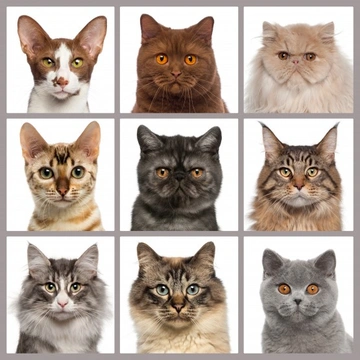
Have you ever wondered how many kinds of cats there really are? Whether you’re a cat lover or just curious, the world of cats is much bigger and more fascinating than you might think.
From tiny breeds with silky fur to large cats with wild instincts, there’s a surprising variety waiting for you to discover. Keep reading, and you’ll find out which cats might match your personality, your home, or even your dreams. Get ready to explore the amazing diversity of our feline friends!
Cat Breed Categories
Cats come in many breeds that fit into different groups. These groups show how cats are classified based on their background and traits.
Understanding these categories helps people know more about cats and their unique features.
Pedigree Cats
Pedigree cats have a recorded family tree. They are bred to keep specific traits and looks. These cats often have pure bloodlines recognized by cat clubs.
- Siamese
- Persian
- Maine Coon
- Bengal
- Russian Blue
Non-pedigree Cats
Non-pedigree cats are also called domestic or moggies. They do not have a known pedigree. These cats come in many shapes, sizes, and colors. They are the most common type of cats worldwide.
| Type | Description |
| Domestic Shorthair | Short coat, mixed ancestry |
| Domestic Longhair | Long coat, mixed ancestry |
| Tabby | Striped or spotted coat pattern |
| Tortoiseshell | Mixed black and orange coat |
Hybrid Breeds
Hybrid breeds come from crossing a domestic cat with a wild cat species. These cats show wild traits and may need special care. They are unique and often rare.
- Chausie – a mix of domestic cat and jungle cat
- Savannah – a mix of domestic cat and serval
- Bengal – a mix of domestic cat and Asian leopard cat

Credit: www.youtube.com
Popular Cat Breeds
There are many kinds of cats around the world. Some breeds are popular because of their looks and personalities.
We will look at five popular cat breeds and what makes them special.
Siamese
Siamese cats have a slim body and large ears. Their fur is short and has darker colors on the face, ears, paws, and tail.
They are talkative and love to be around people. Siamese cats are very social and smart.
Maine Coon
Maine Coons are one of the largest domestic cats. They have long, thick fur that helps them stay warm in cold weather.
These cats are gentle and friendly. They enjoy playing and are good with children.
Persian
Persian cats have long, fluffy fur and flat faces. Their eyes are big and round, giving them a sweet look.
They are calm and quiet. Persians like calm homes where they can relax a lot.
Ragdoll
Ragdolls are large cats with soft, silky fur. They often go limp when picked up, which is why they are called “Ragdoll.”
These cats are very gentle and love to cuddle. They get along well with other pets.
Bengal
Bengal cats have a wild look with spotted or marbled fur. They look like little leopards.
They are active and playful. Bengals need lots of exercise and toys to keep them happy.
Rare And Exotic Breeds
There are many cat breeds, but some are rare and exotic. These cats have unique looks and traits.
People love these rare breeds for their special features and personalities. Let’s look at some of them.
Sphynx
The Sphynx is famous for having no fur. Its skin feels warm and soft to touch.
This breed is friendly and loves attention. They need regular baths to keep their skin clean.
Scottish Fold
Scottish Folds have folded ears that bend forward. This makes their face look very cute.
They are calm and good with children. Not all kittens have folded ears; it depends on genetics.
Khao Manee
Khao Manee cats come from Thailand and have pure white coats. Some have odd-colored eyes.
They are playful and love to explore. This breed is rare outside of Thailand.
Peterbald
Peterbalds look slim and elegant. They may have little to no hair on their bodies.
This breed is smart and active. They enjoy being around people and other pets.
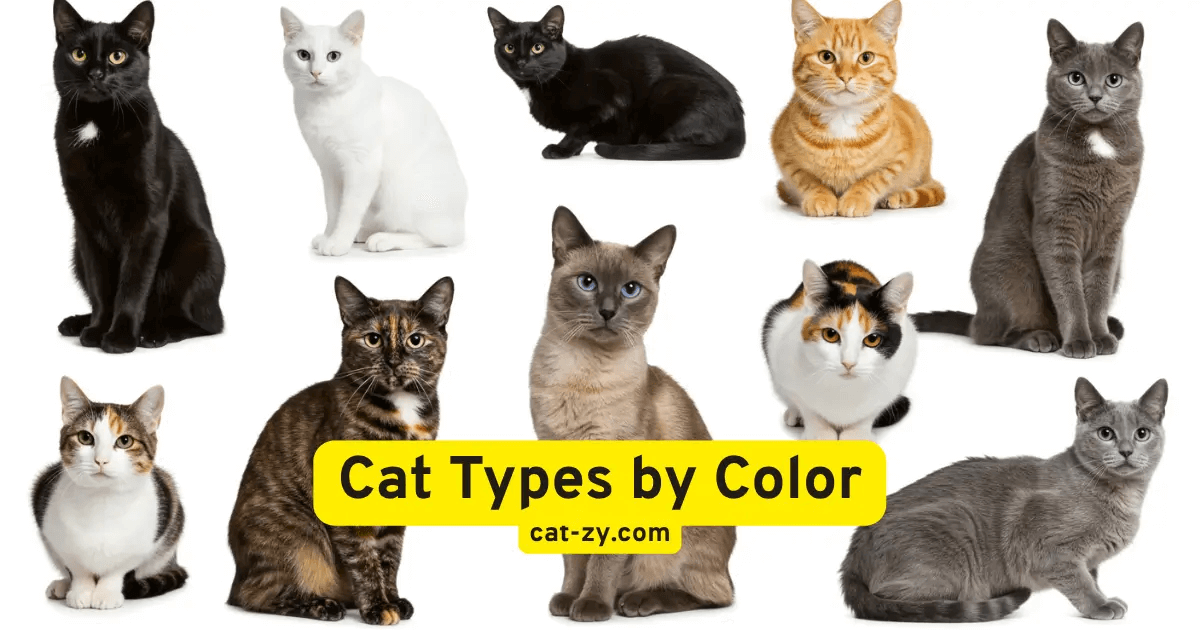
Credit: medium.com
Breed Characteristics
Cats come in many breeds, each with unique traits. Understanding breed characteristics helps you choose the right cat.
These traits include coat types, size, temperament, and lifespan. Each factor affects how a cat lives and behaves.
Coat Types
Cat breeds have different coat types. Some have short fur, while others have long or curly fur.
Coat types affect grooming needs and how cats handle weather. Some coats are dense; others are thin.
- Short coat: Easy to care for and less shedding
- Long coat: Requires regular brushing to avoid mats
- Curly coat: Soft and wavy, often seen in breeds like the Selkirk Rex
- Hairless: Very little fur, needs skin care
Size And Build
Cats vary in size and body shape. Some are small and slender, others are large and muscular.
Size and build influence a cat’s activity level and space needs. Some breeds are agile, while others are sturdy.
- Small and light: Easy to handle and agile
- Medium size: Balanced strength and agility
- Large and muscular: Strong and powerful
- Slender and long-legged: Fast and graceful
Temperament
Each cat breed has a typical personality. Some cats are calm and loving, others are playful or independent.
Temperament affects how cats interact with people and other pets. Some breeds like to cuddle, others like to explore.
- Affectionate: Enjoys being close to people
- Playful: Active and loves toys
- Independent: Likes alone time
- Curious: Explores new places often
Lifespan
Cat breeds have different average lifespans. Some live longer, while others have shorter lives.
Lifespan depends on genetics, care, and health. Knowing breed lifespan helps prepare for a pet’s future.
| Breed Type | Average Lifespan |
| Domestic Shorthair | 12-16 years |
| Siamese | 15-20 years |
| Persian | 12-17 years |
| Maine Coon | 10-13 years |
| Ragdoll | 12-17 years |
Choosing The Right Breed
Choosing the right cat breed can make living with your pet more joyful. Different breeds have unique traits and needs.
Before picking a cat, consider their activity, grooming, health, and how they fit your family life.
Activity Level
Some cats are very playful and need lots of exercise. Others prefer quiet and rest most of the day.
- Active cats enjoy toys and climbing trees.
- Calm cats like cozy spots and gentle petting.
- Match a cat’s activity to your home and schedule.
Grooming Needs
Cats with long fur need daily brushing to avoid mats. Short-haired cats need less grooming but still benefit from regular care.
| Breed Type | Grooming Frequency |
| Long Hair | Daily brushing |
| Short Hair | Weekly brushing |
| Hairless | Skin cleaning weekly |
Health Considerations
Some breeds have common health issues. Learn about these to prepare for care and vet visits.
Here are some health concerns by breed group:
- Persians: prone to breathing problems
- Siamese: risk of dental issues
- Maine Coons: heart disease risk
- Bengals: usually healthy but need good diet
Compatibility With Families
Some cats are great with children and other pets. Others prefer quiet homes without much noise.
- Choose gentle breeds for families with kids.
- Active cats suit homes with older children.
- Consider cats that enjoy other pets if you have them.

Credit: m.youtube.com
Breed Recognition And Standards
There are many kinds of cats, but they are grouped by breed. Each breed has clear rules about how it looks and behaves. These rules help people know if a cat belongs to a certain breed.
Breed recognition and standards come from groups that study cats. These groups decide which breeds are official and set rules for each breed. This keeps breeding fair and protects the breeds.
Cat Fancier Associations
Cat fancier associations are clubs that love cats and support breeding. They recognize cat breeds and make rules for showing cats in competitions. These associations help keep breeds pure and healthy.
Some well-known associations include the Cat Fanciers’ Association (CFA) and The International Cat Association (TICA). They work worldwide and have many members.
Breed Registries
Breed registries keep official lists of all recognized cat breeds. They record each cat’s breed and pedigree. This helps breeders track bloodlines and avoid problems from inbreeding.
Registries also decide which new breeds to accept. They study cats that may become new breeds and set the rules for them.
Show Standards
Show standards describe the ideal look and behavior of each breed. Judges use these standards to choose the best cats at shows. These rules cover fur, color, size, shape, and personality.
Standards help keep breeds consistent. Breeders use them to improve their cats and follow the rules set by associations and registries.
Mixed Breed Cats
Mixed breed cats come from parents of different breeds or unknown origins. They are also called moggies or domestic cats.
These cats show a wide range of looks and personalities. They are common pets in many homes.
Benefits Of Mixed Breeds
Mixed breed cats tend to be healthier than purebreds. They often have fewer genetic problems.
They can adapt well to different homes and lifestyles. Many have unique and charming personalities.
- Lower risk of inherited diseases
- More variety in looks and traits
- Often have strong immune systems
- Usually more affordable to adopt
Common Traits
Mixed breed cats have many different colors and fur patterns. Their fur length can also vary a lot.
Most mixed breeds are friendly and playful. They can be independent or enjoy human company.
- Varied fur colors and patterns
- Different fur lengths and textures
- Wide range of sizes and shapes
- Friendly and adaptable nature
Adoption Tips
Look for mixed breed cats at animal shelters or rescue groups. They often need loving homes.
Spend time with the cat before adopting. This helps you understand its personality and needs.
- Check local shelters or rescue centers
- Ask about the cat’s health and history
- Spend time playing and bonding
- Prepare your home for a new cat
Frequently Asked Questions
How Many Cat Breeds Exist Worldwide?
There are approximately 70 to 100 recognized cat breeds globally. The exact number varies by cat registries. Each breed has unique traits and origins.
What Are The Most Popular Cat Breeds?
Popular cat breeds include Siamese, Persian, Maine Coon, Ragdoll, and Bengal. These breeds are known for their distinct looks and friendly behavior.
How Are Cat Breeds Classified?
Cat breeds are classified by body type, coat length, color patterns, and personality traits. Registries like CFA and TICA maintain official breed lists.
Are There Different Types Of Domestic Cats?
Yes, domestic cats include purebreds, mixed breeds, and random-bred cats. Each type varies in appearance and temperament.
Conclusion
Cats come in many breeds and types. Each has unique traits. From fluffy Persians to sleek Siamese, variety is vast. Some cats are playful, others are more reserved. Each cat offers something special. Fascinating, isn’t it? These furry friends enrich our lives in countless ways.
Loving, independent, curious. Cats truly hold a special place in our hearts. Learning about them can deepen our appreciation. Whether you’re a cat owner or just a fan, exploring cat breeds is rewarding. So, next time you see a cat, remember the diversity they represent.
Cats are truly amazing creatures.