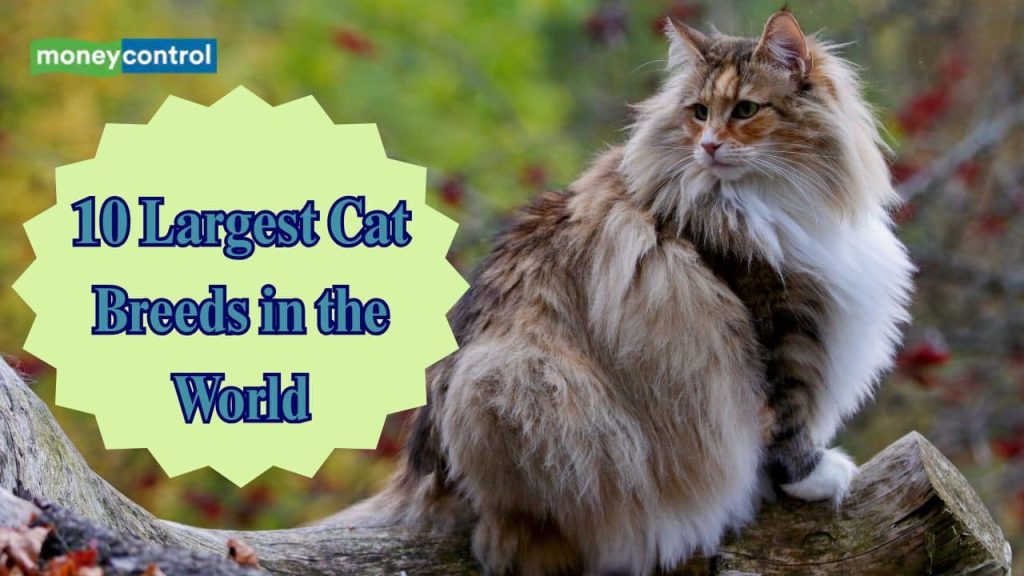
Have you ever wondered which cat breed takes the crown for being the biggest in the world? If you’re curious about giant felines that can fill a room with their presence, you’re in the right place.
Discovering the largest cat breed isn’t just about size—it’s about unique traits, surprising facts, and why these cats capture so much attention. Keep reading, and you’ll learn everything you need to know about these gentle giants and what makes them truly extraordinary.
Largest Cat Breeds
The world of cats includes some very large breeds. These cats often have impressive size and friendly personalities. People love knowing about the biggest cat breeds.
Here we explore four of the largest cat breeds: Maine Coon, Savannah Cat, Norwegian Forest Cat, and Ragdoll.
Maine Coon
The Maine Coon is one of the largest domesticated cat breeds. It has a long, thick coat and bushy tail. These cats can weigh between 10 to 25 pounds. They are known for their gentle nature and playfulness.
Savannah Cat
Savannah Cats are tall and lean. They look wild because they have a mix of domestic cats and serval wild cats. These cats can grow up to 17 inches tall. Their weight usually ranges from 12 to 25 pounds.
| Feature | Details |
| Height | Up to 17 inches |
| Weight | 12 to 25 pounds |
| Appearance | Spotted coat, long legs |
Norwegian Forest Cat
The Norwegian Forest Cat has a thick double coat to survive cold climates. It is a strong and large cat. Adults can weigh 13 to 22 pounds. Their long fur and big paws help them live in snowy places.
Ragdoll
Ragdolls are large and have blue eyes. They are soft and have long fur. Ragdolls can weigh from 10 to 20 pounds. They are calm and like to be held gently.
- Large size with a gentle nature
- Long fur that needs regular grooming
- Affectionate and calm personality
- Blue eyes with striking color patterns

Credit: worldanimalfoundation.org
Physical Traits Of Giant Cats
The biggest cat breeds in the world show amazing physical traits. These giant cats stand out because of their size and unique looks. Understanding these traits helps us appreciate their beauty and strength.
In this article, we look at three main traits of giant cats. These are size and weight, coat and appearance, and lifespan and health. Each trait tells us more about what makes these cats special.
Size And Weight
Giant cat breeds can grow very large. Their size is one of the most obvious features. Many of these cats are much bigger than the average cat.
- Length can reach up to 40 inches (100 cm) or more.
- Weight often ranges between 15 to 25 kg (33 to 55 lbs).
- Large bone structure supports their heavy bodies.
- Strong muscles help them move with power and grace.
Coat And Appearance
The coat of giant cats varies by breed but is usually thick and shiny. Their appearance can include unique patterns and colors. These traits make them look majestic and striking.
| Breed | Coat Type | Common Colors | Distinctive Features |
| Maine Coon | Long and dense | Brown tabby, black, red | Tufted ears, bushy tail |
| Siberian | Thick and water-resistant | Silver, red, tabby | Rounded ears, large paws |
| Norwegian Forest Cat | Long and layered | White, black, tabby | Strong build, almond eyes |
Lifespan And Health
Giant cats generally live 12 to 15 years. Their large size can sometimes cause health issues. Careful attention to diet and exercise helps keep them healthy.
- Common health concerns include hip dysplasia and heart disease.
- Regular vet visits are important for early problem detection.
- Balanced nutrition supports their strong muscles and bones.
- Exercise helps maintain a healthy weight and fitness.
Temperament Of Big Cats
The biggest cat breeds in the world have unique temperaments. Their size affects their behavior and personality.
Understanding their temperament helps us learn how they act and interact with others.
Personality Traits
Big cats are often calm but can be very playful. They show strong independence and confidence.
Many have a gentle side but may become aggressive if threatened. They like to explore their space carefully.
- Calm yet playful
- Independent and confident
- Gentle but can be aggressive
- Curious and exploratory
Interaction With Humans
Big cats often form bonds with their human caretakers. They can show affection and trust over time.
Still, they need respect and space. Sudden moves or loud noises can scare or upset them quickly.
- Can bond with humans
- Show affection and trust
- Require respect and space
- React to sudden moves or noise
Suitability As Pets
Big cats are not easy pets. They need large areas and special care to stay healthy.
They are best for experienced owners or professionals. Many places have laws that protect big cats.
- Require large living space
- Need special diet and care
- Not ideal for most pet owners
- Often protected by law

Credit: www.yahoo.com
Care Tips For Large Cat Breeds
Large cat breeds need special care to stay healthy and happy. Their size affects how you feed, exercise, and groom them.
Understanding their unique needs helps you provide the best care possible for these gentle giants.
Diet And Nutrition
Big cats need a balanced diet rich in protein to support muscle and bone health. They may also require more calories than smaller cats.
- Choose high-quality cat food with real meat as the first ingredient.
- Feed them measured portions to avoid overfeeding.
- Include wet food to keep them hydrated.
- Provide fresh water at all times.
Exercise Needs
Large cats need regular exercise to prevent weight gain and stay fit. Playtime helps keep their muscles strong and joints healthy.
| Activity | Benefit |
| Interactive toys | Encourages movement and mental stimulation |
| Climbing structures | Supports muscle strength and agility |
| Short outdoor walks (if safe) | Provides fresh air and new sights |
Grooming Requirements
Large cats often have dense fur that needs regular care. Grooming keeps their coat clean and reduces hairballs.
- Brush their fur at least twice a week.
- Check for mats or tangles, especially in thick areas.
- Trim nails carefully to avoid injury.
- Clean ears and eyes gently with a soft cloth.
Famous Giant Cats
The biggest cat breed in the world is known for its size and strength. These giant cats capture the attention of many cat lovers.
They are often called gentle giants because of their calm and friendly nature. Let’s explore some famous giant cats.
Record Holders
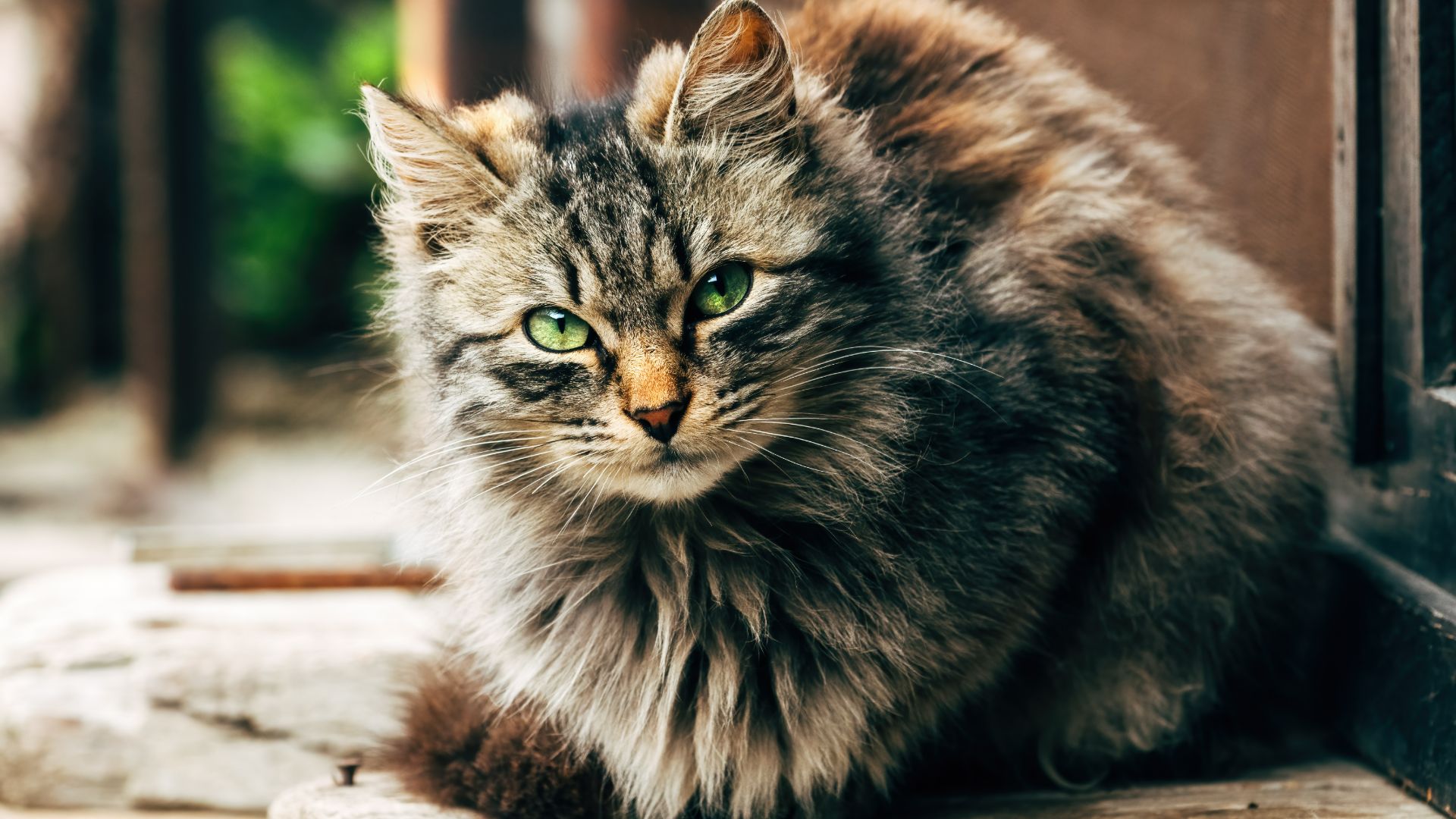
The Maine Coon is the largest domestic cat breed. Some males can weigh up to 25 pounds or more.
The Savannah cat is also very tall and long. It looks wild but is friendly and playful.
- Maine Coon: Known for its heavy weight and long fur
- Savannah Cat: Tall with a wild appearance
- Ragdoll: Large but more fluffy than heavy
Celebrity Pets
Some famous people own giant cats. These pets often appear in photos and videos online.
For example, the singer Taylor Swift has a Maine Coon named Olivia Benson. The cat is popular on social media.
- Taylor Swift’s Maine Coon, Olivia Benson
- Actor Chris Evans owns a large Ragdoll cat
- TV host Ellen DeGeneres has shared photos of her big cats
Notable Stories
A Maine Coon named Stewie once held the world record for the longest domestic cat. He was 48.5 inches long.
Another story tells of a Savannah cat that helped calm a child with anxiety. Giant cats can have a gentle side.
- Stewie the Maine Coon: Longest domestic cat ever recorded
- Savannah cat: Known for its calm and friendly behavior
- Giant cats often help people feel relaxed and happy
Credit: www.petsradar.com
Choosing The Right Giant Cat
The biggest cat breeds in the world need special care. These cats grow large and need space to move around.
It is important to think about your home, time, and budget before getting a giant cat.
Living Space Considerations
Large cats need more room to feel comfortable. Small apartments may not be good for them.
You should have enough space for their bed, toys, and climbing areas.
- Provide a large area for exercise
- Include tall scratching posts and climbing trees
- Keep their litter box in a quiet, accessible spot
Time Commitment
Big cats need daily attention and playtime. They can get bored and stressed without interaction.
Spend time training and grooming your cat regularly. This helps keep them healthy and happy.
- Play with your cat for at least 30 minutes a day
- Brush their fur to reduce shedding
- Check their health often and visit the vet
Budget And Expenses
Large cats cost more to care for than smaller cats. Food, toys, and vet visits add up.
You should plan your budget to cover all their needs without stress.
- Buy high-quality cat food for their size
- Invest in big, strong toys and furniture
- Save money for regular vet check-ups and emergencies
Frequently Asked Questions
What Is The Biggest Cat Breed In The World?
The Maine Coon holds the title as the biggest domestic cat breed. They can weigh up to 25 pounds and measure over 40 inches long. Known for their friendly nature and tufted ears, Maine Coons are gentle giants loved by many cat enthusiasts.
How Large Can Maine Coon Cats Grow?
Maine Coons can grow up to 40 inches in length including their tail. They typically weigh between 13 to 25 pounds. Their muscular build and long fur contribute to their impressive size compared to other domestic cat breeds.
Are There Other Large Cat Breeds Besides Maine Coons?
Yes, other large breeds include the Savannah and the Norwegian Forest cat. The Savannah can weigh up to 30 pounds, while the Norwegian Forest cat is also known for its size and thick coat. Each breed has unique traits and size variations.
Do Big Cat Breeds Require Special Care?
Big cat breeds need a balanced diet to maintain their size and health. Regular grooming is essential, especially for long-haired breeds like Maine Coons. They also require more space and exercise compared to smaller cats to stay healthy and happy.
Conclusion
Discovering the biggest cat breed fascinates many animal lovers. These majestic felines impress with their size and grace. Maine Coons and Savannahs often top the list. Each breed carries unique traits. Some prefer one over the other. Size isn’t everything; personality matters too.
These large cats offer love and companionship. Owning one can be a rewarding experience. Just remember, their needs are a bit larger. Understanding their care ensures a happy, healthy pet. Enjoy exploring the world of big cats. It’s a journey full of discovery and joy.