Are you struggling with your cat’s tricky behavior? Maybe your furry friend scratches the furniture, hides all day, or acts aggressive out of nowhere.
These problems can be frustrating and even stressful for both of you. But the good news is, you can help your cat feel calmer and happier with the right approach. You’ll discover simple, effective ways to understand and fix common cat behavior problems.
Keep reading to bring peace back to your home and strengthen the bond with your beloved pet.
Common Cat Behavior Issues
Cats can show many behaviors that puzzle their owners. Understanding these behaviors helps in caring for them better.
Some common problems include aggression, litter box troubles, and loud meowing. Each issue has ways to improve it.
Aggression And Biting
Aggression can happen if a cat feels scared or threatened. Biting may occur during play or if the cat is upset.
Watch your cat’s body language. Give them space if they seem stressed. Use toys to play safely without using your hands.
Litter Box Problems
Cats may avoid the litter box if it is dirty or in a noisy spot. Some cats dislike certain types of litter.
- Clean the box daily
- Place it in a quiet, private area
- Try different litter types to find one your cat likes
- Use a box large enough for your cat
Excessive Meowing
Some cats meow a lot to get attention, food, or because they feel lonely. Older cats may meow due to health issues.
Do not reward constant meowing with treats or attention. Provide regular playtime and check with a vet if needed.
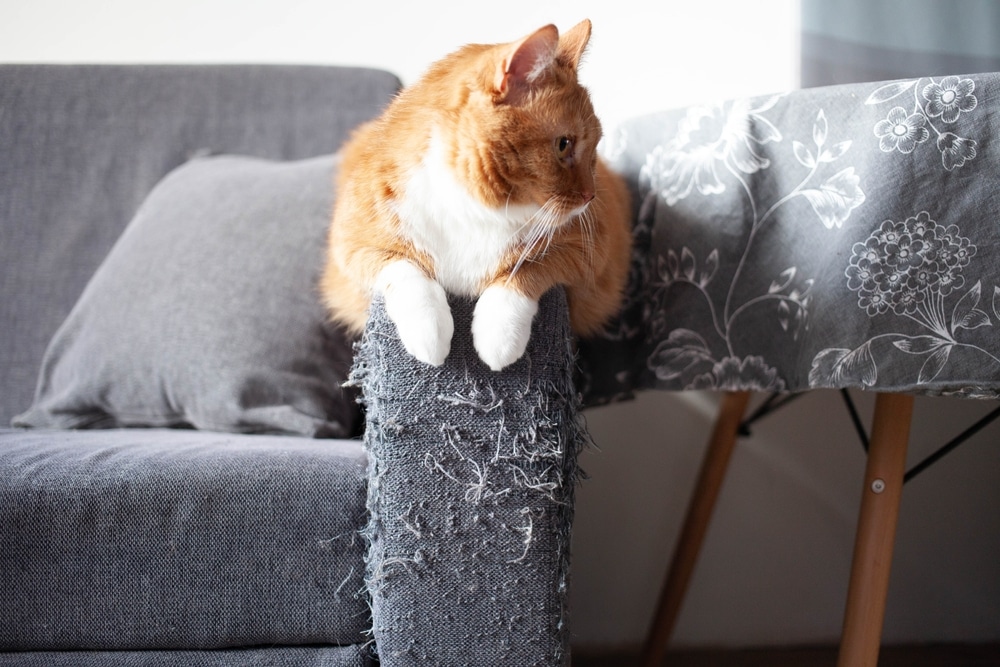
Scratching Furniture
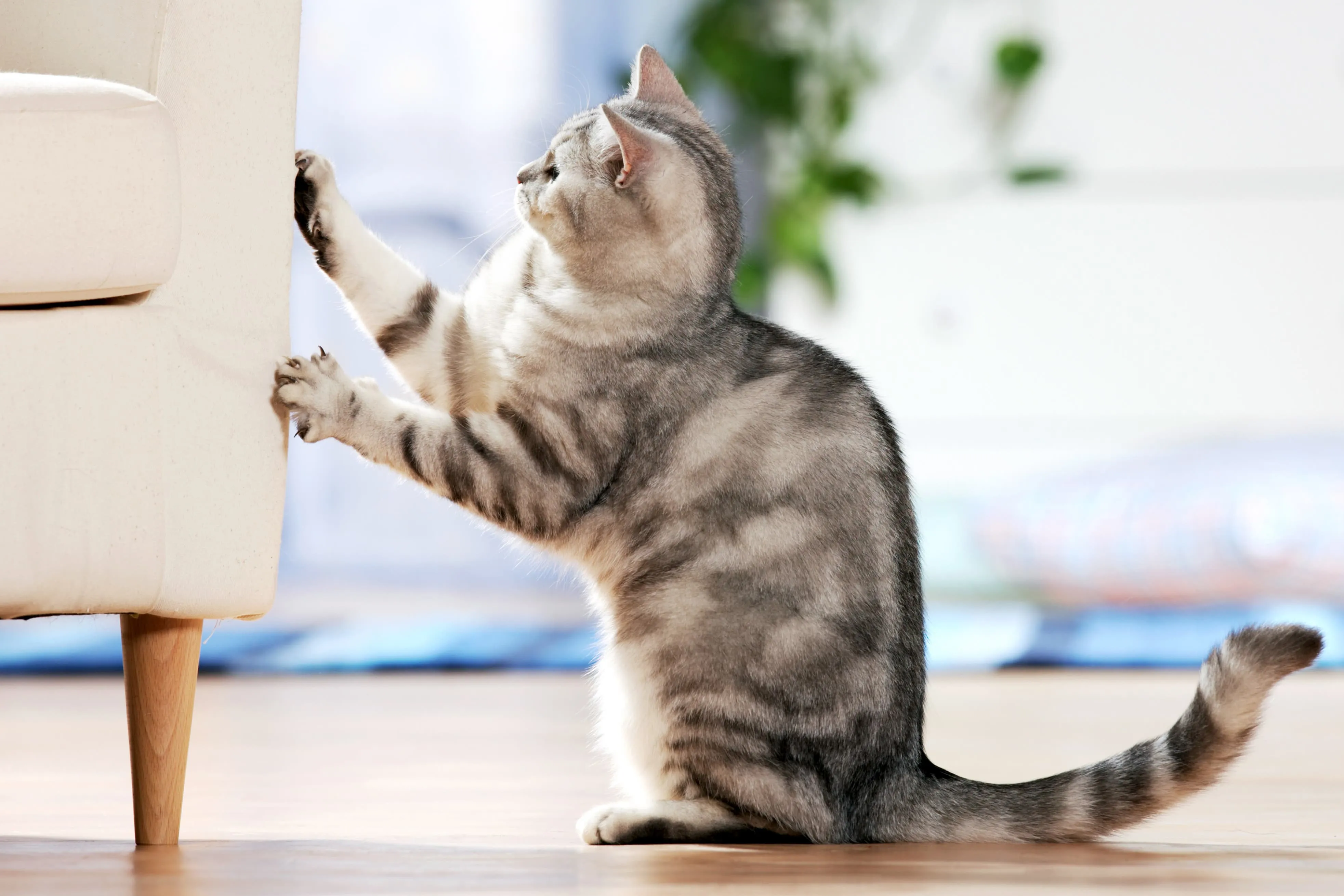
Scratching is natural for cats to mark territory and keep claws sharp. Furniture may suffer if no proper scratching posts exist.
To protect your home, try these tips:
- Place scratching posts near favorite resting spots
- Use catnip to attract cats to posts
- Trim your cat’s nails regularly
- Cover furniture with protective materials
Separation Anxiety
Cats with separation anxiety may follow you or meow when you leave. They may also hide or act restless.
| Sign of Anxiety | What to Do |
| Meowing loudly | Give toys or puzzles for distraction |
| Hiding | Make a safe, quiet space available |
| Restlessness | Keep a regular schedule for feeding and play |

Credit: justcatsclinic.com
Identifying Triggers
Cats often act out when something in their environment bothers them. Knowing what causes these behaviors helps you support your cat better.
Some triggers are clear, and some take time to spot. Watch your cat’s actions closely to find clues.
Environmental Stressors
Loud noises, new smells, or changes in the home can upset your cat. These stressors often lead to hiding or aggression.
- Construction sounds outside
- New furniture or scents
- Visitors or unfamiliar animals
- Strong cleaning products
Health Concerns
Illness or pain can make cats behave differently. Watch for changes in eating, grooming, or litter box use.
| Symptom | Possible Cause |
| Excessive meowing | Pain or discomfort |
| Hiding more than usual | Stress or illness |
| Aggression | Injury or sickness |
| Changes in appetite | Health issue |
Changes In Routine
Cats like predictability. Moving furniture, new schedules, or travel can cause stress and bad behavior.
Keep feeding and playtimes consistent. Let your cat adjust slowly to new routines.
Social Interactions
Cats may react to people or other pets in their space. Some become shy or aggressive with new company.
Signs your cat struggles with social interactions:
- Avoids eye contact or hides
- Growls or hisses at visitors
- Marks territory with urine
- Shows sudden fear or aggression
Behavioral Training Techniques
Training your cat helps fix bad behavior and builds a good relationship. It takes patience and clear methods. Using the right techniques makes learning fun for your cat.
Here are key training methods that work well for most cats. Try each one to see what fits your cat best.
Positive Reinforcement
Positive reinforcement means giving your cat a reward for good behavior. It helps your cat learn what actions you want.
- Give treats after your cat uses the litter box.
- Praise your cat when it uses a scratching post.
- Use gentle petting as a reward for calm behavior.
- Offer favorite toys to encourage play without biting.
Redirecting Bad Habits
Redirect bad habits by guiding your cat to better actions. This helps your cat learn what is allowed without punishment.
- If your cat scratches furniture, move it to a scratching post.
- Replace biting with interactive toys to chew on.
- Distract your cat with a toy when it jumps on counters.
- Use a soft noise to stop unwanted behavior and then redirect.
Consistent Commands
Using consistent commands helps your cat understand what you want. Always use the same words and tone for each command.
| Command | Meaning | Example |
| No | Stop unwanted action | Saying “No” when the cat scratches furniture |
| Come | Call your cat to you | Saying “Come” to bring the cat to you |
| Down | Make your cat lie down | Saying “Down” to calm your cat |
| Leave it | Stop touching something | Saying “Leave it” when the cat tries to eat plants |
Using Clicker Training
Clicker training uses a small sound to mark good behavior. The cat learns to link the click with a reward.
How to start clicker training:
- Get a clicker device or make a clicking sound.
- Click and immediately give a treat to your cat.
- Repeat to build the connection between click and reward.
- Use the click to mark good behaviors like sitting or using the litter box.
- Be patient and keep sessions short and fun.
Credit: www.webmd.com
Creating A Cat-friendly Environment
Helping your cat with behavior problems starts at home. A safe and welcoming space can calm your cat.
Setting up areas that match their natural habits helps reduce stress and unwanted actions.
Safe Spaces And Hiding Spots
Cats feel safe when they have quiet places to hide. These spots offer comfort and privacy.
Use covered beds, boxes, or shelves high up where your cat can watch quietly.
Interactive Toys And Playtime
Active play helps your cat burn energy and stay happy. Toys that move keep them interested.
- Feather wands
- Laser pointers
- Battery-operated moving toys
- Catnip-filled toys
Scratching Posts And Climbing Trees
Scratching is natural for cats. It keeps their claws healthy and marks their space.
| Type | Material | Benefit |
| Vertical post | Sisal rope | Good for stretching |
| Scratching pad | Cardboard | Easy to replace |
| Climbing tree | Wood and carpet | Exercise and fun |
Comfortable Resting Areas
Your cat needs soft spots to rest. Use blankets, cushions, or heated beds.
Place these areas in quiet corners or near windows for sun and views.
Diet And Health Impact
Cat behavior problems can link to their diet and health. What your cat eats affects its mood and actions.
Good health helps cats stay calm and happy. Poor diet or illness can cause stress or aggression.
Balanced Nutrition
Cats need balanced food with protein, fats, and vitamins. Balanced meals support their brain and body.
Feeding poor-quality food can cause irritability or hyperactivity. Healthy food helps steady behavior.
- High protein helps energy and brain function
- Fat provides essential fatty acids for skin and coat
- Vitamins and minerals support immune health
- Water keeps cats hydrated and alert
Regular Vet Checkups
Regular vet visits catch health problems early. Many behavior issues come from pain or illness.
Vets check teeth, weight, and signs of infection. Healthy cats show fewer behavior problems.
- Dental pain can cause aggression
- Weight issues affect energy and mood
- Infections or parasites cause discomfort
- Chronic illness may change behavior
Supplements For Calmness
Some supplements help cats stay calm. They improve mood and reduce anxiety naturally.
Always ask your vet before giving supplements. Some may interact with medicines or cause side effects.
- Omega-3 fatty acids support brain health
- Calming herbs like chamomile may reduce stress
- Probiotics improve digestion and mood
- Fish oil helps skin and coat health
Recognizing Medical Issues
Some behavior changes show medical problems. Watch for sudden changes in mood or habits.
Signs include hiding, aggression, loss of appetite, or excessive grooming. These need vet attention.
- Sudden aggression can signal pain
- Hiding may mean illness or fear
- Loss of appetite can show sickness
- Excess grooming may signal skin problems

Credit: justcatsclinic.com
Managing Stress And Anxiety
Stress and anxiety can cause many behavior problems in cats. Managing these feelings helps your cat stay calm and happy.
Using simple methods can reduce your cat’s stress and improve their behavior over time.
Calming Products
Calming products can help your cat feel safe and relaxed. These include sprays, diffusers, and collars that release soothing scents.
- Use pheromone diffusers in rooms your cat visits often.
- Try calming collars that release gentle scents throughout the day.
- Apply calming sprays to bedding or favorite resting spots.
- Choose products made specifically for cats to avoid harm.
Routine And Predictability
Cats feel less anxious when they know what to expect. A steady daily routine helps them feel safe and secure.
- Feed your cat at the same times each day.
- Play with your cat using the same toys regularly.
- Keep litter boxes and feeding areas in consistent places.
- Limit loud noises and sudden changes in the home.
Gentle Handling Techniques
How you touch and hold your cat affects their stress levels. Gentle handling helps them feel safe and builds trust.
| Handling Tip | Reason |
| Use slow, calm movements | Prevents startling your cat |
| Support the cat’s body fully | Makes your cat feel secure |
| Avoid sudden loud noises | Reduces fear and anxiety |
| Speak softly during handling | Soothes and calms your cat |
Introducing New Pets Slowly
New pets can cause stress in cats. Introducing them slowly helps reduce anxiety and stops behavior problems.
Try this approach for new introductions:
- Keep new pets in separate rooms at first.
- Allow your cat to smell the new pet’s scent on a cloth.
- Let them see each other through a barrier like a baby gate.
- Watch their reactions and only allow close contact when calm.
When To Seek Professional Help
Cat behavior problems can be confusing and hard to fix. Sometimes, you need extra help.
If your cat shows signs of stress, aggression, or sudden changes, a professional can assist.
Veterinary Behaviorists
Veterinary behaviorists are doctors trained in animal behavior and medicine. They diagnose and treat complex problems.
They can check if health issues cause your cat’s behavior. They may prescribe medicine or special treatments.
Certified Cat Trainers
Certified cat trainers teach cats new skills and good habits. They use safe and positive methods.
Trainers help with problems like scratching furniture or litter box issues. They guide owners on how to train cats.
Behavioral Therapy Options
Behavioral therapy helps cats change bad habits. It often includes training and environmental changes.
- Desensitization to reduce fear or anxiety
- Positive reinforcement to reward good behavior
- Environmental enrichment to keep cats busy
Therapy works best with patience and consistency from the owner. Professionals guide this process safely.
Frequently Asked Questions
What Causes Common Cat Behavior Problems?
Cat behavior problems often stem from stress, boredom, illness, or lack of socialization. Understanding these causes helps address issues effectively and improve your cat’s well-being.
How Can I Stop My Cat From Scratching Furniture?
Provide scratching posts and regularly trim your cat’s nails. Use deterrents like double-sided tape and reward good scratching behavior consistently.
Why Does My Cat Suddenly Bite Or Scratch Me?
Sudden biting or scratching may indicate overstimulation, fear, or pain. Watch for warning signs and give your cat space to calm down.
How Do I Reduce My Cat’s Excessive Meowing?
Excessive meowing can signal hunger, loneliness, or medical issues. Meet their needs, offer attention, and consult a vet if it persists.
Conclusion
Helping your cat with behavior problems strengthens your bond. Understand their needs and environment. Patience is key in addressing issues. Try different strategies and observe changes. Every cat is unique. Some solutions work better for certain cats. Always consult a vet if issues persist.
They can offer professional advice. Encourage positive behaviors with rewards. Avoid punishment as it can cause stress. A happy, well-behaved cat improves home harmony. Stay committed to finding what works best. Your effort will lead to a happier pet. And a happier you.