
Have you ever noticed your cat acting differently after you switch their food? You might wonder if changing their diet could actually affect their behavior.
It’s not just about taste—what your cat eats can influence their mood, energy, and habits. If you want to understand how a simple change in cat food might change your furry friend’s behavior, keep reading. This article will help you spot the signs and know what to expect, so you can keep your cat happy and healthy.
Effects Of Diet On Cat Behavior
Changing a cat’s food can affect how it acts. Cats rely on their diet for energy and health. What they eat can change their mood and habits.
Owners often notice behavior shifts after switching cat food. These changes may be subtle or clear. Understanding the link between diet and behavior helps care for cats better.
Nutritional Impact On Mood
Nutrition plays a key role in a cat’s mood. Certain nutrients affect brain function and energy levels. Cats need proteins, fats, vitamins, and minerals for good mental health.
- Proteins provide amino acids needed for brain chemicals.
- Fats help with cell structure and energy storage.
- Vitamins like B6 and B12 support nerve function.
- Minerals such as magnesium influence muscle and nerve health.
Changes in diet can cause mood swings or calmness. A poor diet might lead to irritability or anxiety. A balanced diet helps cats stay happy and alert.
Common Behavioral Changes
Switching cat food can lead to different behaviors. Some cats become more active, while others may hide or become less playful. Some changes are temporary as cats adjust.
| Behavior | Possible Cause | Notes |
| Increased Energy | Higher protein or fat content | May last a few days or weeks |
| Lethargy | Lower calorie intake or poor nutrient balance | Check food quality |
| Irritability | Food intolerance or deficiency | Monitor and consult vet if needed |
| Digestive Issues | Sudden diet change | Gradual transition recommended |
How Cat Food Ingredients Influence Behavior
Cat food ingredients can affect a cat’s mood and actions. Changing what your cat eats may change how it behaves. Good nutrition helps keep cats calm and active.
Different foods provide different nutrients. These nutrients can change energy, focus, and even stress levels in cats.
Protein And Energy Levels
Protein is a key part of a cat’s diet. Cats need high protein for energy and health. Low protein can make cats tired or irritable.
Energy from food affects how playful or sleepy a cat is. Foods with balanced protein and fat keep cats alert but calm.
Additives And Preservatives
Some cat foods have additives to keep them fresh. Some cats react to these ingredients with mood changes.
- Artificial colors can make cats restless
- Preservatives might cause allergies
- Some additives affect digestion and mood
- Natural ingredients may reduce bad behavior
Grain-free Vs. Grain-based Diets
Grain-free diets remove grains like corn and wheat. Some cats digest grain-free food better and feel less anxious.
| Diet Type | Possible Behavior Effect |
|---|---|
| Grain-Free | May reduce hyperactivity and skin irritation |
| Grain-Based | Can cause allergies and mood swings in sensitive cats |
Signs Your Cat Reacts To New Food
Changing your cat’s food can cause changes in behavior. Some cats adjust quickly. Others show clear signs they react to the new diet.
Knowing these signs helps you understand how your cat feels about the food change. Watch your cat closely after switching foods.
Changes In Activity Levels
Your cat’s energy may change with new food. Some cats become more playful or restless. Others may seem tired or less active.
These shifts can mean the food affects your cat’s energy. Monitor activity to see if the change lasts or returns to normal.
- More running and jumping than usual
- Sleeping more or less than before
- Sudden bursts of energy or lethargy
Altered Social Interactions
Your cat’s way of interacting may shift after a food change. Some cats become more affectionate. Others might hide or avoid contact.
Changes in mood or social behavior can show how your cat feels about the new food. Watch for new patterns in how your cat acts around you.
- More cuddling or purring
- Hiding or avoiding people
- Increased vocalizing or quietness
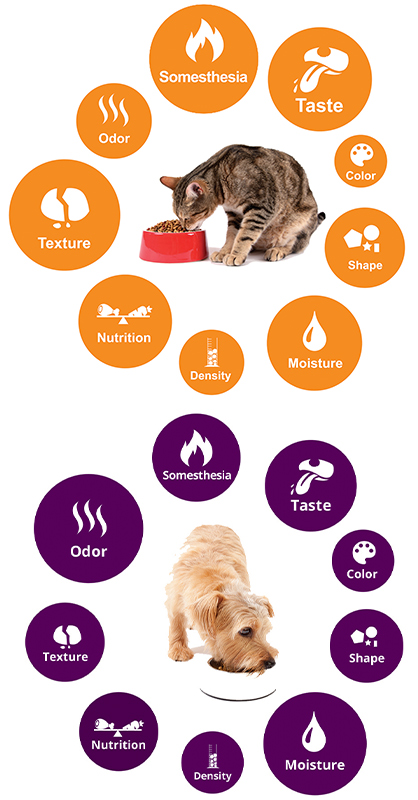
Feeding Habits And Preferences
New food can change your cat’s eating habits. Some cats eat less or more than usual. They may also refuse the new food at first.
Look for signs like picky eating, changes in meal times, or unusual licking and chewing. These signs show how your cat accepts the new diet.
- Skipping meals or eating less
- Eating more quickly or slowly
- Showing dislike by pushing food away
Credit: www.petfoodprocessing.net
Tips For Transitioning Cat Food Smoothly
Changing your cat’s food can affect their mood and behavior. A smooth switch helps avoid stress and stomach problems.
Follow simple steps to help your cat adjust to new food comfortably and safely.
Gradual Food Switching
Switch your cat’s food slowly over 7 to 10 days. Mix small amounts of new food with the old one.
- Start with 75% old food and 25% new food
- After 3 days, switch to 50% old and 50% new
- Then 25% old and 75% new after another 3 days
- Feed only new food after about 7 to 10 days
Monitoring Behavioral Responses
Watch your cat’s behavior during the food change. Look for signs of discomfort or stress.
- Check for vomiting or diarrhea
- Note any changes in appetite
- Observe if your cat seems anxious or restless
- See if your cat avoids the new food
Consulting A Veterinarian
Ask your vet for advice if your cat shows negative reactions or has health issues. They can suggest the best food and transition plan.
Questions to Ask Your Vet About Food Changes
- Is this new food good for my cat’s age and health?
- How long should I take to switch foods?
- What signs mean I should stop the new food?
- Can you recommend any special diet or supplements?
When To Be Concerned About Behavioral Shifts
Changing your cat’s food can sometimes cause changes in behavior. Not all changes are serious.
Watch your cat closely. Notice if behavior changes last long or get worse.
Aggression And Anxiety
A change in food can make some cats feel upset or scared. They may act aggressive or anxious.
If your cat starts hissing, biting, or hiding more, this could be a sign of stress.
- Growling or swatting at people or pets
- Restlessness or pacing
- Excessive meowing or hiding
Lethargy And Withdrawal
Some cats become tired or lose interest in playing after a food change. They may hide a lot.
If your cat stops eating or moves very little, these are signs to watch closely.
- Sleeping more than usual
- Less interaction with family members
- Not grooming or eating well
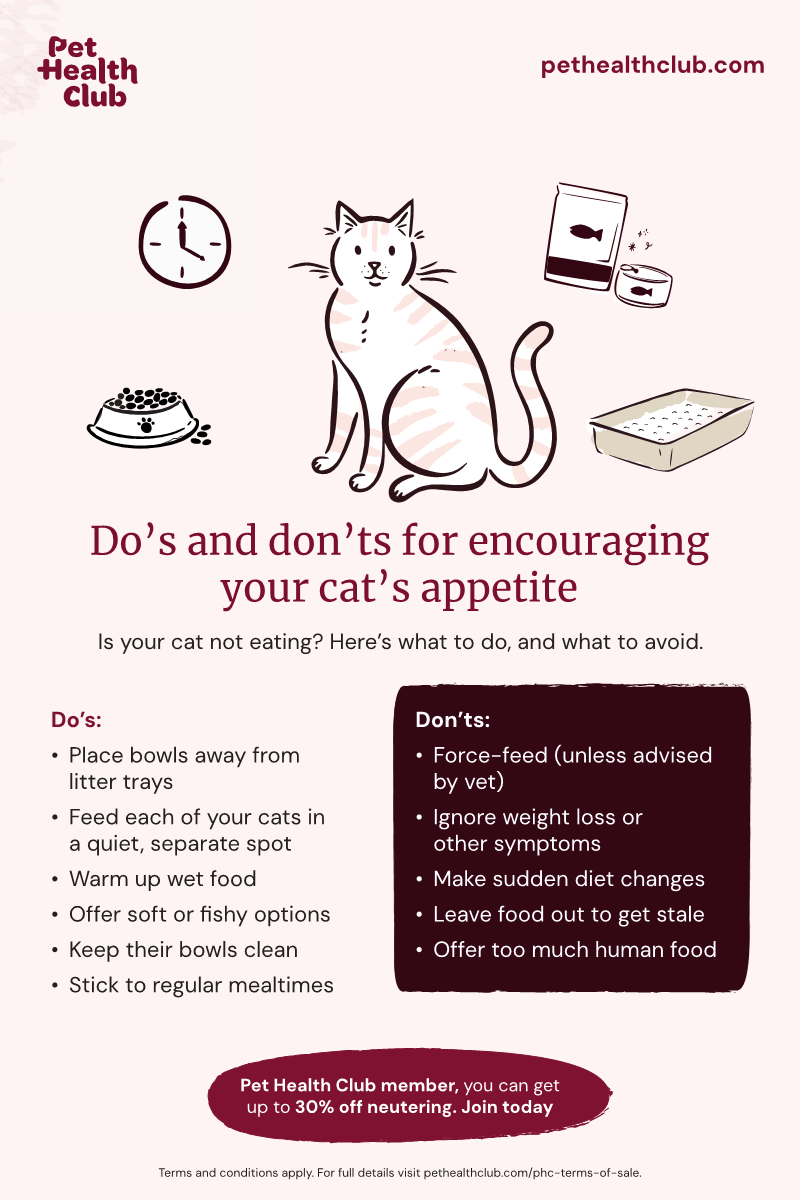
Possible Medical Causes
Sometimes, behavior changes mean your cat is sick. The new food may not agree with them.
Look for signs like vomiting, diarrhea, or skin problems. These need vet care.
- Stomach upset or diarrhea
- Itchy or red skin
- Sudden weight loss or gain
Credit: www.pethealthclub.com
Role Of Hydration In Cat Behavior
Cats need enough water to stay healthy and active. Their behavior can change if they do not get enough fluids.
Changing cat food affects how much water cats drink. This change can impact how they act and feel.
Wet Vs. Dry Food Impact
Wet food has more moisture than dry food. It helps cats stay hydrated without extra water.
- Wet food contains about 70-80% water.
- Dry food contains about 10% water.
- Cats eating dry food need to drink more water separately.
- Wet food can reduce the risk of dehydration.
- Hydration from wet food can improve energy levels and mood.
Water Intake And Mood
Water helps cats stay alert and calm. When cats drink enough, they show normal behavior.
| Water Intake Level | Behavior Effect |
| High | Playful and active |
| Moderate | Normal and calm |
| Low | Sleepy, irritable, or restless |
Credit: www.preventivevet.com
Frequently Asked Questions
Can Changing Cat Food Affect Cat Behavior?
Yes, switching cat food can influence behavior. Cats may feel stressed or anxious due to new tastes or ingredients. Digestive discomfort from the change may also impact mood and activity levels.
How Quickly Do Cats Adapt To New Food?
Cats typically adapt within 7 to 14 days. Gradual transition helps reduce digestive upset and behavioral changes. Sudden changes may cause stress and food refusal.
What Behavioral Signs Indicate Food-related Stress In Cats?
Signs include hiding, irritability, decreased appetite, and excessive grooming. Cats might also vocalize more or show aggression. These behaviors often signal discomfort or anxiety from food changes.
Does Nutritional Content Impact Cat Activity Levels?
Yes, nutrition directly affects energy and mood. Balanced diets improve vitality and behavior. Poor nutrition can lead to lethargy or hyperactivity due to nutrient imbalances.
Conclusion
Changing cat food may alter your cat’s behavior. Different ingredients can impact mood. Always observe your cat closely after switching foods. Some cats might become more active. Others may seem calmer. Consistency in diet helps maintain stable behavior. Consult your vet for advice on suitable food options.
Monitor any changes over time. Understanding your cat’s needs ensures their happiness. A balanced diet contributes to overall well-being. Consider gradual transitions to new food. This helps avoid stress or digestive issues. Happy cats make happy homes.