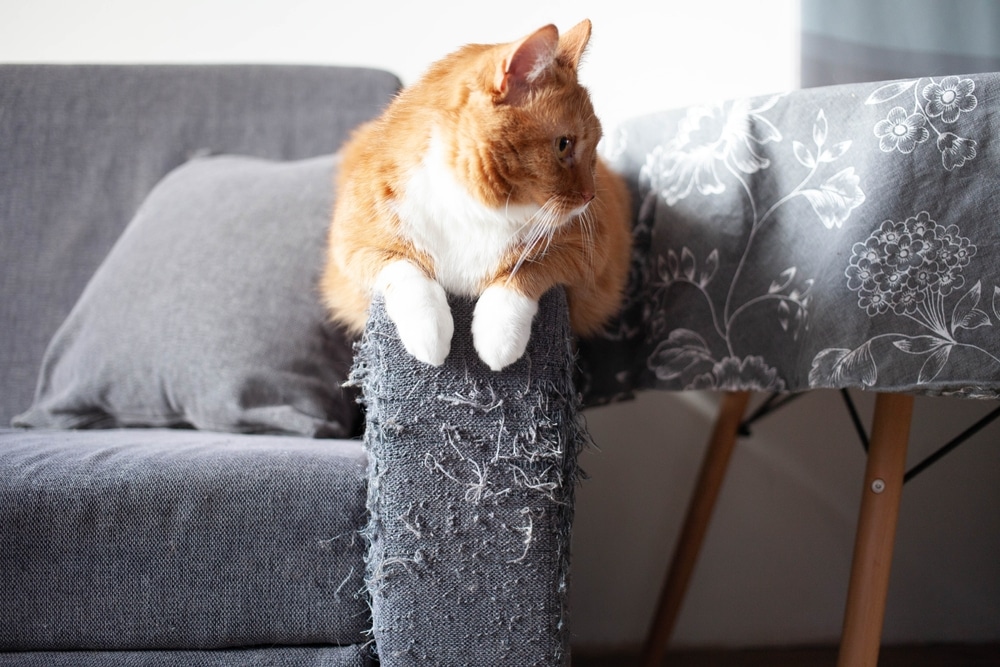
Is your cat scratching the furniture, knocking things over, or ignoring your commands? You’re not alone.
Many cat owners struggle with unwanted behaviors that can test their patience and make life at home stressful. But here’s the good news: you can change your cat’s behavior and bring back the peace you deserve. You’ll discover simple, effective ways to correct bad cat behavior without frustration or harsh punishments.
Ready to transform your relationship with your furry friend? Keep reading to find out how.
Identify Common Bad Behaviors
Many cat owners face challenges with their pets’ behavior. Knowing common bad behaviors helps you manage them well.
This guide covers typical issues like scratching, aggression, litter problems, and loud meowing.
Scratching Furniture
Cats scratch to mark territory and sharpen claws. This can damage sofas, chairs, and curtains.
- Scratching helps cats stretch muscles.
- It removes old claw sheaths.
- Cats prefer certain textures like wood or fabric.
- Stress or boredom may increase scratching.
Aggression Toward People
Some cats may bite or scratch when scared or angry. Aggression can be caused by pain, fear, or poor socialization.
Signs include hissing, growling, and stiff body posture before attacking.
Litter Box Issues
Cats may avoid the litter box if it is dirty or hard to access. Medical problems can also cause accidents.
| Common Causes | Details |
| Dirty Litter Box | Cats dislike waste and strong smells. |
| Box Location | Too noisy or busy places can scare cats. |
| Health Problems | Urinary tract infections cause pain. |
| Type of Litter | Some cats prefer certain textures. |
Excessive Meowing
Meowing is how cats communicate. Excessive meowing may mean hunger, boredom, or stress.
- Hunger or thirst
- Need for attention
- Discomfort or pain
- Stress from changes in environment

Credit: www.youtube.com
Pinpoint Behavior Triggers
Understanding what causes bad behavior in cats is important. It helps you fix problems faster.
Many things can trigger unwanted actions. Watch your cat to find these triggers.
Stress And Anxiety
Stress makes cats act out. Loud noises, new pets, or changes in routine can cause stress.
Signs of stress include hiding, scratching furniture, or sudden aggression.
- Keep a calm environment
- Provide safe hiding spots
- Use calming sprays or diffusers
Lack Of Stimulation
Bored cats may bite or scratch more. They need toys and playtime to stay happy.
Without enough exercise, cats can become restless and act out.
- Offer a variety of toys
- Play with your cat daily
- Use puzzle feeders to challenge them
Health Problems
Sometimes bad behavior means your cat is sick or in pain. Check for changes in eating or grooming.
Visit a vet if your cat suddenly acts differently or seems uncomfortable.
- Look for signs of illness
- Watch for changes in activity
- Seek professional help if needed
Environmental Factors
Environment changes can upset cats. New furniture, smells, or visitors may cause trouble.
Keep your cat’s space familiar and quiet to avoid bad behavior.
- Maintain a consistent routine
- Provide a quiet resting area
- Avoid sudden changes in the home
Use Positive Reinforcement
Correcting bad cat behavior works best with positive reinforcement. Cats learn better when rewarded for good actions.
Ignoring bad behavior and praising good behavior helps your cat know what you want.
Reward Good Behavior
Give your cat treats or praise when it behaves well. This teaches your cat to repeat good actions.
Use small treats or gentle petting as rewards. This makes your cat feel happy and safe.
Consistency Is Key
Always reward good behavior and avoid giving attention to bad behavior. This helps your cat learn faster.
Make sure everyone in the house uses the same rules and rewards. Consistency prevents confusion for your cat.
Timing Rewards Effectively
Give rewards right after your cat shows good behavior. This helps your cat link the action with the reward.
If you wait too long, your cat might not understand what you are rewarding. Fast rewards are more effective.

Credit: justcatsclinic.com
Set Clear Boundaries
Setting clear boundaries helps your cat learn good behavior. Cats need to know what is allowed and what is not.
Be consistent with rules to avoid confusion. This will make your cat feel safe and more obedient.
Redirect Unwanted Actions
When your cat does something wrong, guide them to a better activity. For example, if your cat scratches furniture, offer a scratching post instead.
- Use toys to distract from bad behavior
- Offer treats for good actions
- Move your cat gently away from forbidden spots
- Provide alternatives to satisfy natural urges
Use Deterrents Safely
Deterrents can stop bad behavior if used with care. Choose harmless options that do not scare or hurt your cat.
| Deterrent | Effect | Safety Tip |
| Double-sided tape | Discourages scratching | Replace often, avoid sticky paws |
| Citrus spray | Repels cats from areas | Use in small amounts, avoid face |
| Motion-activated noise | Startles cat gently | Keep volume low, use briefly |
Avoid Physical Punishment
Never use hitting or yelling to correct your cat. Physical punishment harms trust and can cause fear or aggression.
- Use calm voice to say “no”
- Remove your cat from the situation calmly
- Reward good behavior to encourage it
- Be patient; training takes time
Create A Stimulating Environment
Bad behavior in cats often comes from boredom or stress. A lively space helps keep your cat happy.
Give your cat things to do and places to explore. This lowers bad habits and builds trust.
Provide Toys And Scratching Posts
Toys and scratching posts let cats use their energy in good ways. They also protect your furniture.
- Offer different toys like balls, feathers, and catnip mice
- Place scratching posts near favorite resting spots
- Use vertical spaces like cat trees for climbing
- Rotate toys to keep interest high
Encourage Playtime
Playing helps cats stay active and reduces stress. It also builds your bond.
| Play Activity | Benefits |
| Chasing a laser pointer | Improves hunting skills |
| Interactive wand toys | Boosts exercise and fun |
| Hide and seek with toys | Stimulates thinking |
Establish Routine
Cats feel safe with a daily schedule. It lowers anxiety and stops unwanted acts.
- Feed your cat at the same times each day
- Set regular play sessions
- Keep the litter box clean and in a quiet place
- Give attention consistently without overdoing it
Address Health Concerns
Bad behavior in cats can sometimes be a sign of health problems. It is important to look for any health issues first. Taking care of your cat’s health helps improve their behavior.
Ignoring health problems can make behavior worse. Watch your cat closely and act quickly to keep them healthy and happy.
Regular Vet Visits
Take your cat to the vet regularly to check their health. Vets can find hidden problems that cause bad behavior. Regular checkups help catch issues early.
Keep a schedule for vet visits. This keeps your cat healthy and reduces surprises that can upset them.
Monitor Behavioral Changes
Watch your cat for any sudden changes in behavior. Changes might mean pain, illness, or stress. Note if your cat eats less, hides more, or acts angry.
- Sudden aggression or fear
- Loss of appetite
- Excessive grooming or scratching
- Changes in litter box habits
Report these changes to your vet as soon as possible. Early action can stop problems from getting worse.
Manage Pain And Discomfort
Pain can cause your cat to behave badly. Look for signs like limping, crying, or hiding. Treating pain helps your cat feel better and behave well.
Ask your vet about ways to manage pain. This can include medicine, special diets, or changes to your cat’s environment.
- Provide soft bedding for comfort
- Use ramps to avoid jumping
- Follow vet’s advice on medication
Seek Professional Help When Needed
Bad cat behavior can be hard to fix alone. Sometimes, you need experts to help. Professionals can find the cause and give the right advice.
Getting help early can save time and stress. It keeps your cat happy and safe. Here are ways to get professional help for your cat.
Consult A Veterinarian
Some bad behaviors come from health problems. A vet can check your cat’s health. They can spot pain or illness that causes bad behavior.
- Get a full health check-up.
- Ask if any medicine causes behavior change.
- Discuss diet and nutrition for your cat.
- Follow vet advice carefully.
Work With A Behaviorist
A cat behaviorist studies why cats act a certain way. They use training and changes in the home to fix problems. This help is very focused.
| Service | What They Do | How It Helps |
| Observation | Watch cat’s habits | Find triggers for bad behavior |
| Consultation | Talk with owner | Create a plan for change |
| Training | Teach new skills | Reduce unwanted acts |
Consider Training Classes
Training classes teach cats good manners and help owners understand them. Classes offer practice and tips on managing behavior.
- Learn how to use positive rewards.
- Practice social skills in a safe place.
- Get advice from trainers on difficult problems.
- Meet other cat owners for support.
Credit: pethelpful.com
Frequently Asked Questions
How Can I Stop My Cat From Scratching Furniture?
Provide scratching posts and use deterrents on furniture. Trim your cat’s nails regularly and reward good behavior. Consistency is key to redirect scratching habits effectively.
Why Does My Cat Bite And How To Prevent It?
Cats bite due to fear, play, or overstimulation. Avoid rough play and provide toys. Use gentle redirection and reward calm behavior to reduce biting.
What Is The Best Way To Litter Train A Cat?
Place the litter box in a quiet, accessible area. Keep it clean and use unscented litter. Reward your cat for using the box to encourage consistent habits.
How To Stop My Cat From Excessive Meowing?
Identify the cause, such as hunger or attention. Avoid rewarding meowing with treats or attention. Provide regular playtime and ensure all needs are met to reduce vocalization.
Conclusion
Correcting bad cat behavior takes patience and understanding. Consistency is key. Use positive reinforcement to encourage good habits. Reward your cat for desirable actions. Avoid punishing, as it may cause fear. Instead, redirect negative actions. Provide toys and scratching posts.
Ensure a stimulating environment. This keeps your cat engaged. Observe your cat’s behavior closely. Identify triggers causing issues. Adjust your approach as needed. Every cat is unique. Tailor your methods to suit their personality. Seek professional help if problems persist.
Building a strong bond is essential. This strengthens trust and promotes harmony at home.