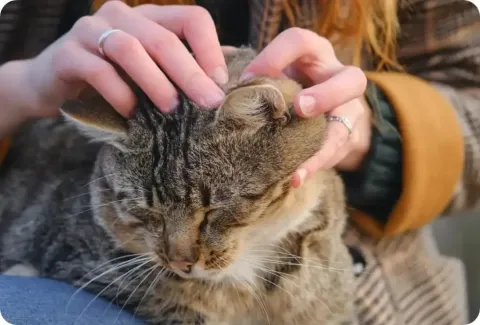
Have you noticed your cat acting strange lately? Maybe your furry friend is scratching more than usual, hiding in corners, or even becoming unusually aggressive.
You might wonder if something else is going on beneath the surface. What if fleas are not just a nuisance but actually changing your cat’s behavior? Understanding this connection could be the key to helping your cat feel comfortable and happy again.
Keep reading to discover how fleas can impact your cat’s mood and actions—and what you can do about it.
Flea Infestation And Cat Behavior
Fleas are common pests that affect many cats. These tiny insects feed on a cat’s blood. Flea infestation can lead to changes in how a cat acts.
Understanding how fleas affect cats helps owners spot problems early. It also guides proper care to keep cats comfortable and healthy.
How Fleas Affect Cats
Fleas cause itching and discomfort. A cat may scratch, bite, or lick itself more than usual. This can lead to skin irritation or wounds.
- Fleas feed on blood causing mild to severe irritation.
- Flea saliva can cause allergic reactions in some cats.
- Heavy infestations can lead to anemia, especially in kittens.
- Fleas can transmit other parasites, like tapeworms.
Common Behavioral Changes
When cats have fleas, their behavior often changes. These changes can show how much the fleas bother them.
| Behavior | Description |
|---|---|
| Excessive scratching | Constantly tries to relieve itch caused by fleas. |
| Restlessness | Finds it hard to relax or sleep well due to discomfort. |
| Aggression | May become irritable or snap when touched. |
| Hiding | Seeks quiet places to avoid flea bites or stress. |
| Loss of appetite | Less interest in food due to stress or discomfort. |
Credit: nexgardforpets.com
Signs Of Flea-related Discomfort
Fleas can make cats feel very uncomfortable. They cause itching and pain that change how cats act.
Recognizing these signs helps you know when your cat needs help. Flea problems affect their behavior in many ways.
Excessive Scratching And Grooming
Cats with fleas often scratch their skin a lot. They try to remove the fleas by biting and licking themselves.
This constant scratching can cause sores and hair loss. It shows your cat is very uncomfortable.
- Scratching more than usual
- Frequent licking or biting of fur
- Hair thinning or bald spots
- Red or irritated skin
Restlessness And Irritability
Fleas make cats feel uneasy. They may move around more and have trouble sitting still.
Your cat might growl or hiss more. Flea discomfort can make them less friendly than usual.
- Pacing or moving constantly
- Showing signs of stress
- Being aggressive or grumpy
- Avoiding petting or touch
Changes In Appetite And Sleep
Fleas can disrupt your cat’s eating and sleeping habits. They may eat less or skip meals.
Your cat might also have trouble sleeping. Flea bites cause constant itching that keeps them awake.
- Reduced interest in food
- Eating less than normal
- Restlessness at night
- Frequent waking or moving during sleep
Health Risks Linked To Fleas
Fleas are more than just a nuisance for cats. They can cause serious health problems. Understanding these risks helps in keeping cats safe and healthy.
Fleas feed on a cat’s blood and carry germs. They can change how a cat behaves due to pain or illness. Below are some key health risks linked to fleas.
Allergic Reactions
Some cats develop allergies to flea saliva. This causes a condition called flea allergy dermatitis. It leads to intense itching and skin problems.
- Red, irritated skin
- Hair loss from scratching
- Scabs and sores
- Restlessness and discomfort
Anemia And Weakness
Fleas suck blood. A heavy flea infestation can cause anemia. This is a lack of red blood cells, making cats weak and tired.
| Symptom | Description |
| Pale gums | Low blood volume signs |
| Weakness | Less energy and tiredness |
| Rapid breathing | Body tries to get more oxygen |
| Weight loss | Due to poor health |
Secondary Infections
Flea bites can break the skin. This allows bacteria to enter and cause infections. Cats may scratch wounds, making infections worse.
Signs of secondary infections include:
- Swelling and redness
- Discharge or pus
- Foul odor
- Increased pain
Detecting Fleas Early
Fleas can change how your cat behaves. Early detection helps keep your cat comfortable. It also stops fleas from spreading in your home.
Learn simple ways to spot fleas on your cat and in its surroundings. Acting fast protects your pet’s health.
Visual Inspection Tips
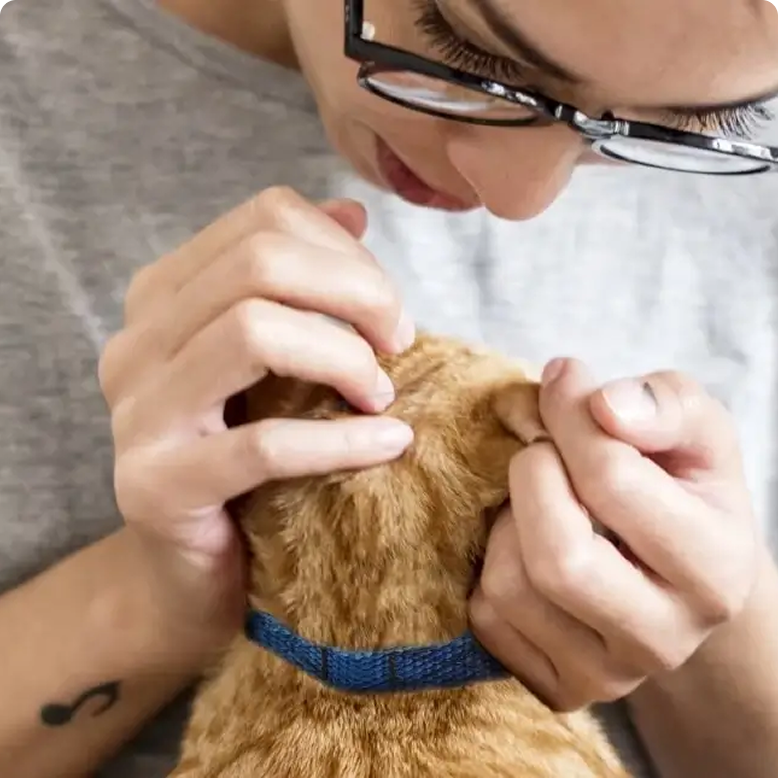
Look closely at your cat’s fur and skin. Fleas are tiny but may be seen moving quickly. Flea dirt, small black specks, often shows up near the tail and neck.
- Check behind the ears and under the legs.
- Look for red, irritated skin or hair loss.
- Use a bright light for better visibility.
- Watch for your cat scratching or biting itself.
Using Flea Combs
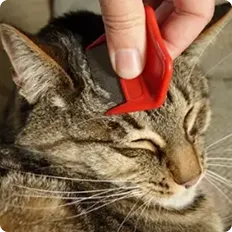
A flea comb helps remove fleas and flea dirt from your cat’s fur. The comb has very fine teeth close together.
- Comb your cat’s fur slowly and gently.
- Focus on areas near the tail and neck.
- After combing, wipe the comb on a white cloth.
- Look for tiny black dots or small insects on the cloth.
- Dip the comb in soapy water to kill any fleas found.
Environmental Signs
| Sign | What to Look For | Why It Matters |
|---|---|---|
| Flea dirt on bedding | Black specks on pet’s bed or carpet | Shows fleas are in your home |
| Pets scratching often | Increased scratching, biting, or licking | May indicate flea bites |
| Flea larvae in carpet | Small white worms in dark areas | Means flea eggs hatched |
Behavioral Impact Of Flea Treatments
Fleas can cause cats to behave differently. Treating fleas helps improve their mood and comfort.
Some flea treatments may cause temporary changes in cat behavior. Knowing what to expect is important.
Temporary Behavior Changes
After flea treatment, cats may act restless or hide for a short time. This is usually mild and ends quickly.
Some cats might groom themselves more or scratch slightly after treatment. These signs should stop within a day or two.
- Restlessness or hiding
- Increased grooming
- Mild scratching
- Temporary tiredness
Safe Treatment Options
Choose flea treatments made for cats to avoid harmful effects. Always follow the instructions carefully.
Natural treatments and vet-approved products offer safer options. These reduce risks of strong side effects.
- Topical flea drops made for cats
- Oral flea medications prescribed by vets
- Natural flea collars with safe ingredients
- Regular cleaning of cat bedding and home
Credit: nexgardforpets.com
Preventing Flea Infestations
Fleas can cause itching and discomfort for cats. They may also change your cat’s behavior. Preventing flea infestations helps keep your cat happy and healthy.
Using simple methods can reduce the risk of fleas in your home and on your pet. Regular care and cleaning are important steps.
Regular Grooming
Brushing your cat often helps spot fleas early. It also removes flea dirt and eggs. Grooming your cat every few days is best.
- Use a fine-toothed flea comb
- Check for fleas and flea dirt behind ears and neck
- Bath your cat if fleas are found
- Keep grooming tools clean after each use
Home Cleaning Strategies
Fleas can live in carpets, bedding, and furniture. Cleaning your home stops fleas from returning to your cat.
| Area | Cleaning Tip |
| Carpets | Vacuum daily and discard vacuum bag |
| Bedding | Wash weekly in hot water |
| Furniture | Vacuum and wipe down surfaces |
| Floors | Mop regularly with pet-safe cleaners |
Year-round Prevention
Fleas can appear any time of the year. Using prevention every season keeps fleas away all year.
Consider these year-round prevention tips:
- Use vet-recommended flea treatments monthly
- Keep your yard trimmed and clean
- Limit your cat’s contact with stray animals
- Inspect your cat regularly for signs of fleas

Credit: nexgardforpets.com
Frequently Asked Questions
Can Fleas Cause Behavior Changes In Cats?
Yes, fleas can cause cats to become restless and irritable. Their constant itching and discomfort affect mood and behavior.
Why Does My Cat Scratch More With Fleas?
Fleas bite and irritate the cat’s skin, causing intense itching. This leads to excessive scratching and grooming.
How Do Fleas Affect A Cat’s Mood?
Fleas cause stress and discomfort, making cats anxious or aggressive. They may hide or avoid interaction due to irritation.
Can Flea Infestations Lead To Cat Aggression?
Yes, severe flea infestations can cause pain and stress, which may trigger aggressive behavior in cats.
Conclusion
Fleas can significantly affect your cat’s behavior. They cause discomfort and stress. Scratching, biting, and restlessness are common signs. These symptoms can disrupt your cat’s routine. Seeking veterinary advice is crucial. Proper flea control measures help restore harmony. Regular grooming and cleaning reduce flea infestations.
Your furry friend deserves a peaceful, happy life. Understanding these impacts can improve your cat’s well-being. Observing changes ensures timely intervention. Remember, a healthy cat is a happy cat. Prioritize their comfort and health.